Overall impression: Reviews describe a facility with many strengths in interpersonal care and rehabilitation services, but with notable variability in operational performance. Families and staff frequently characterize the environment as warm and family-like, with examples of compassionate, attentive caregiving and strong teamwork. At the same time, the set of summaries shows polarized experiences — some very positive and some distinctly critical — indicating that quality may differ by unit, shift, or individual caregivers.
Care quality: Many families describe individualized interventions, good rehabilitation outcomes, and accessible clinical oversight. Memory-care and therapy teams receive consistent praise for tailored programming and responsiveness to clinical needs. However, reviewers also cite inconsistent nursing performance and uneven continuity of clinical care; this suggests variability in skill mix, staffing consistency, or supervision that prospective families should explore during a visit.
Staff and culture: Staff are commonly described as kind, welcoming, and engaged with residents — contributing to a strong sense of community and family-like relationships. Multiple comments praise leadership figures and specific administrators, and reviewers note that staff are reachable and accommodating. Counterbalancing this, there are also complaints about staff conduct and communication tone, including instances that made families feel intimidated; these accounts point to uneven professionalism and highlight the importance of asking about staff training, supervision, and grievance procedures.
Dining and activities: The dining program and kitchen receive favorable mentions, with several reviewers calling the food good and the kitchen team effective. Activity programming appears robust, with regular offerings such as church involvement, singing, arts and crafts, and other social options that support resident engagement and community connection.
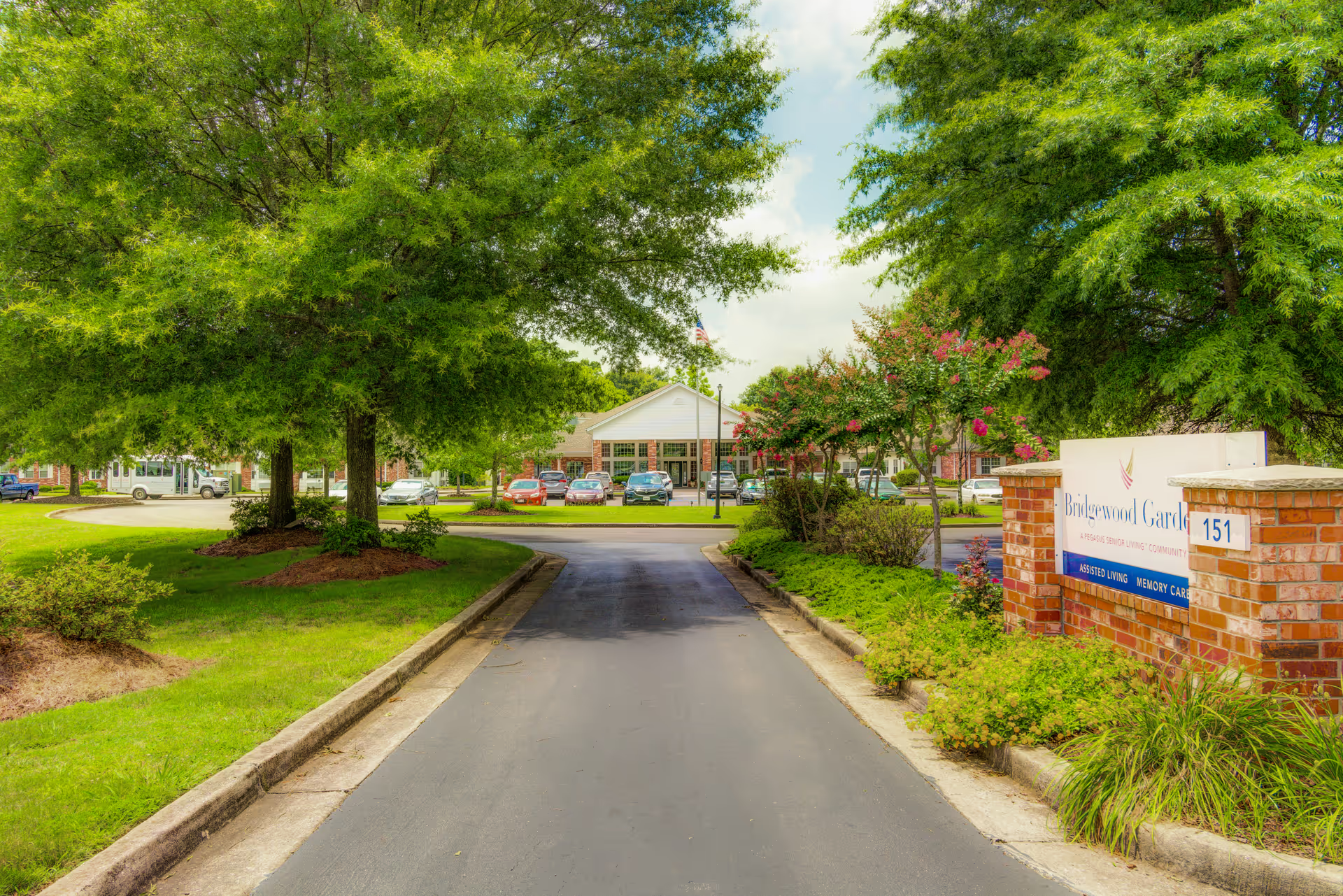
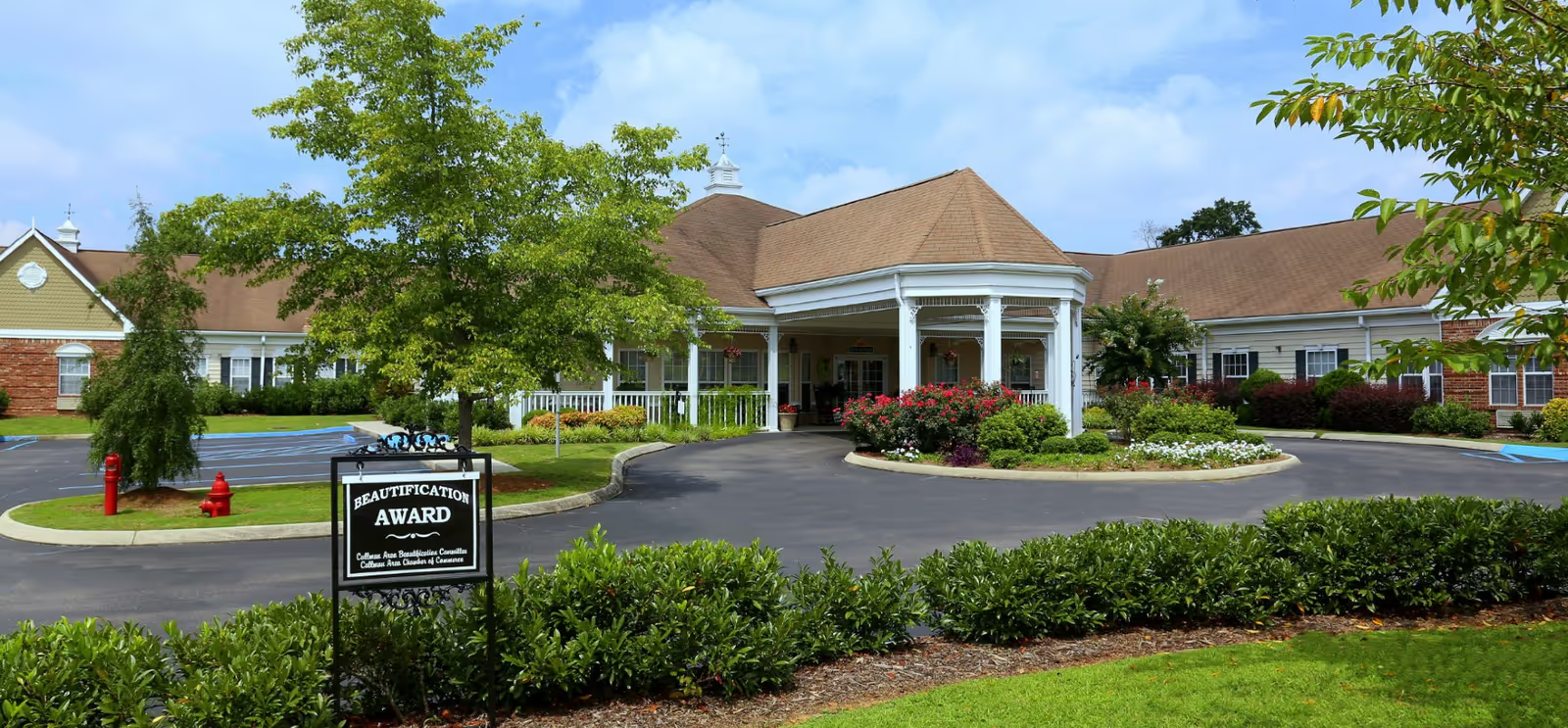
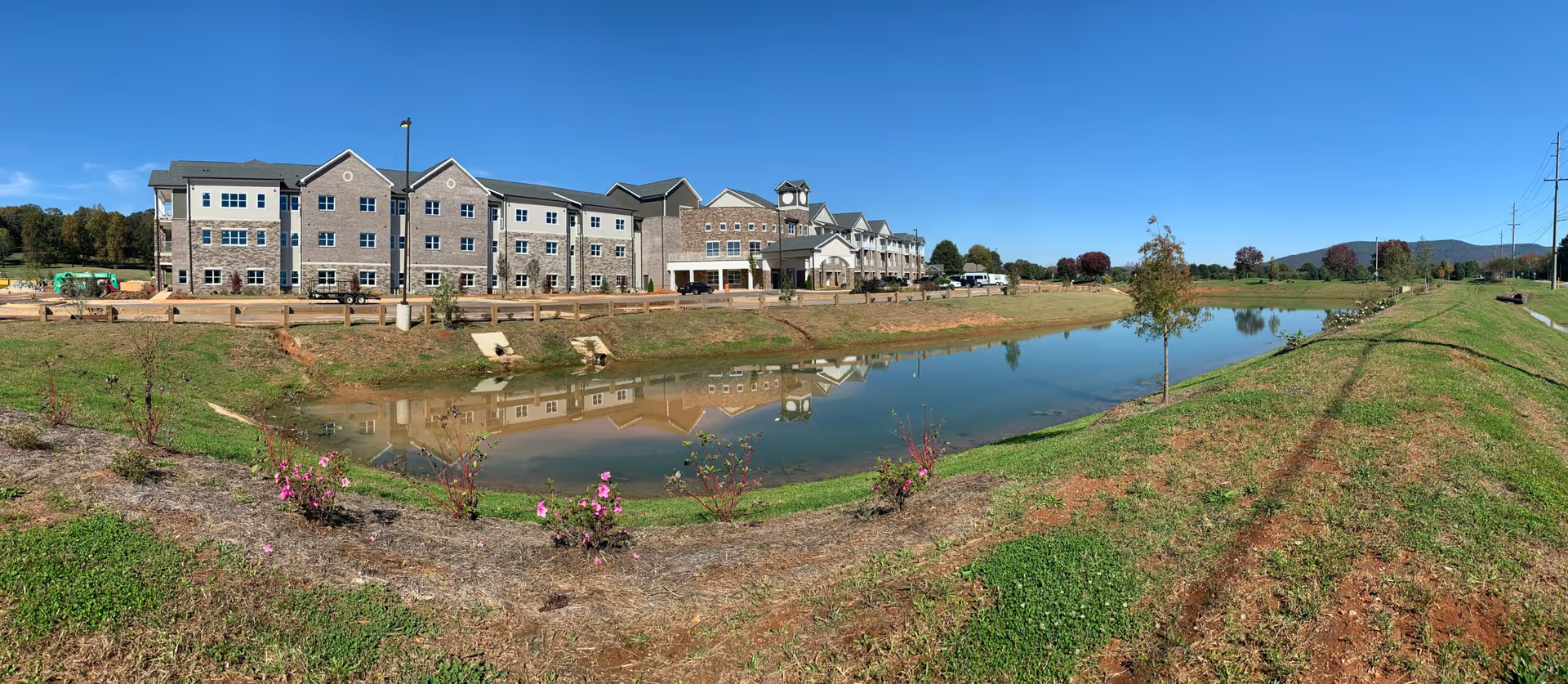
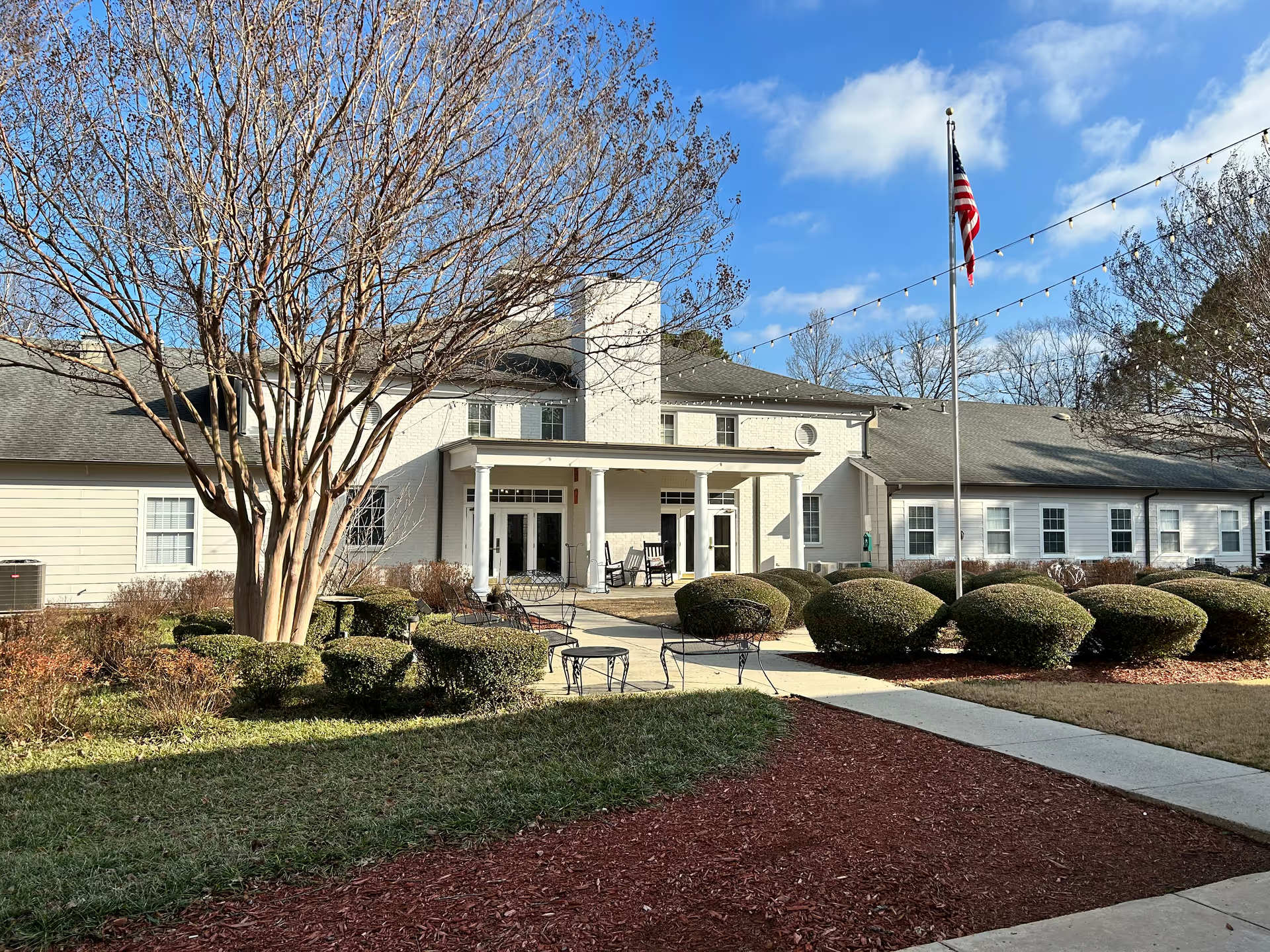
Facilities and environment: Many reviewers report clean, well-kept interior spaces, but significant environmental maintenance issues are also described. Specific concerns include dust accumulation and mold-related issues linked to air-handling units, and limited bathing infrastructure resulting in constrained shower availability and privacy limitations. These items suggest the facility may have uneven maintenance and capacity challenges that affect resident comfort and infection-control risk.
Management and administration: Administrative strengths include accommodating staff and accessible leadership in some areas; yet reviewers also raise issues with billing and discharge-accounting processes as well as variability in management effectiveness. These administrative-process inconsistencies can have practical consequences for families during transitions and billing resolution.
Notable patterns and guidance: The dominant positive theme is strong interpersonal care and an engaged community with effective rehabilitation and memory-care services. The dominant negative themes are operational: inconsistent nursing quality, environmental maintenance gaps, limited bathing resources, roommate-placement shortcomings, and administrative/billing problems. Prospective residents and families would benefit from direct questions during a tour about staffing ratios and turnover, recent HVAC/maintenance remediation, showering schedules and roommate assignment policies, medication-management and supervision practices, and the facility's billing/discharge procedures. Observing a mealtime and an activity period, and requesting references from current families, may help clarify which aspects are facility-wide strengths and which may vary by unit or shift.