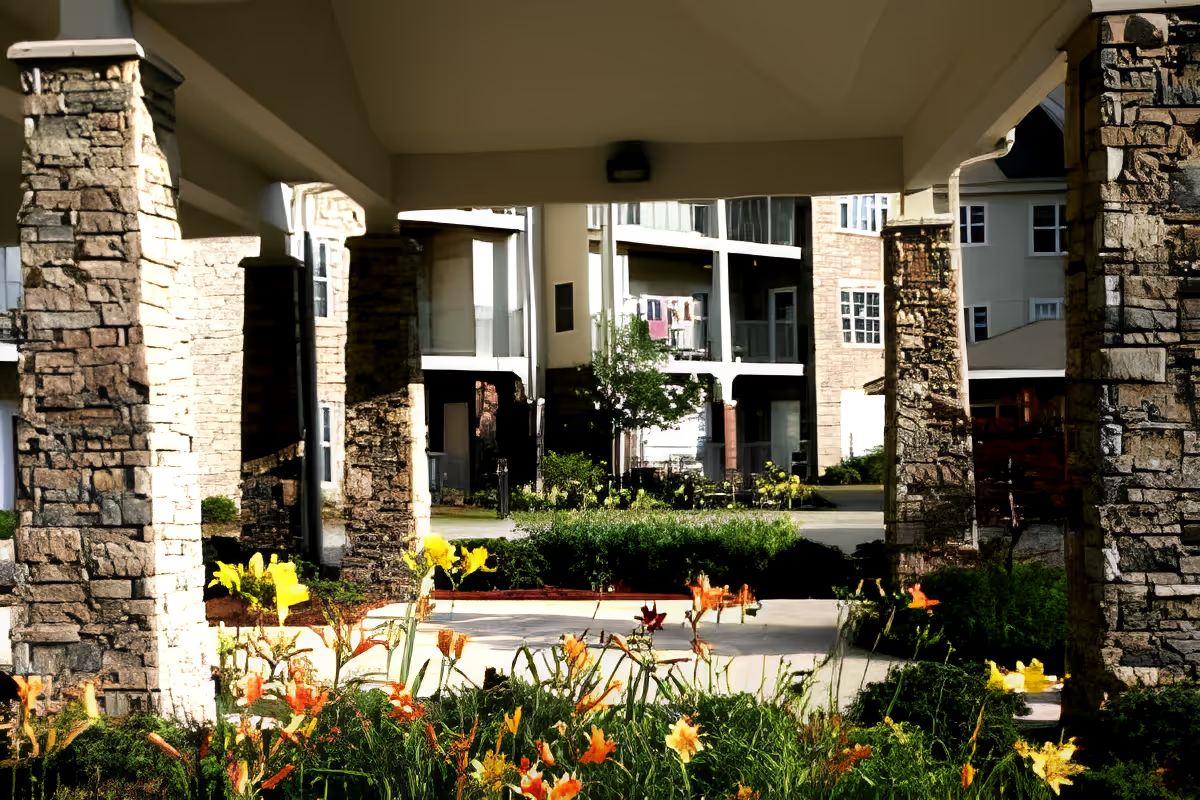
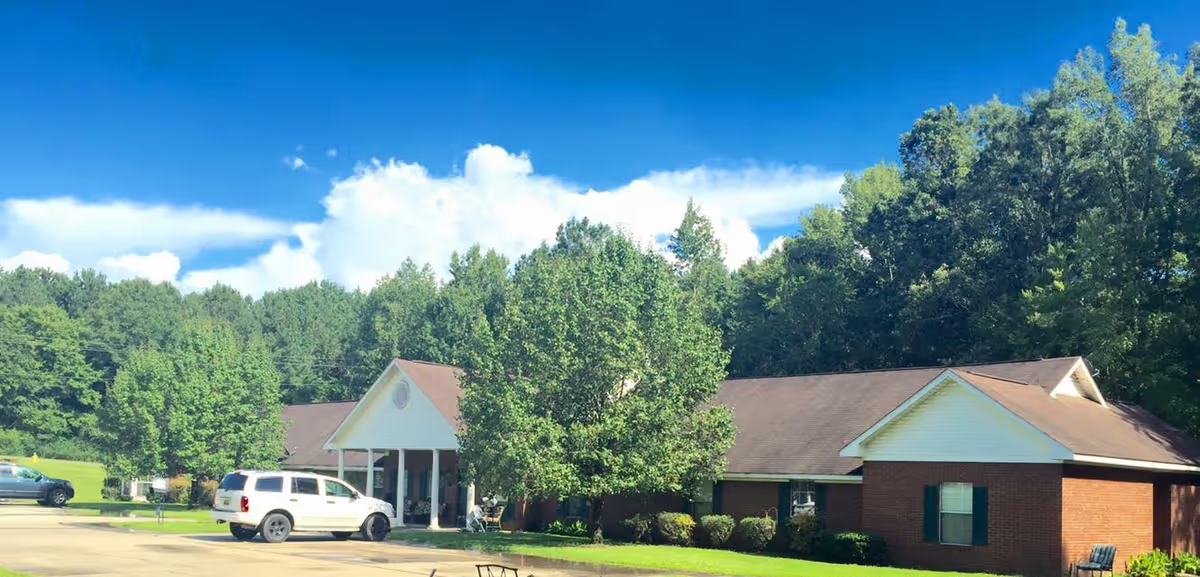
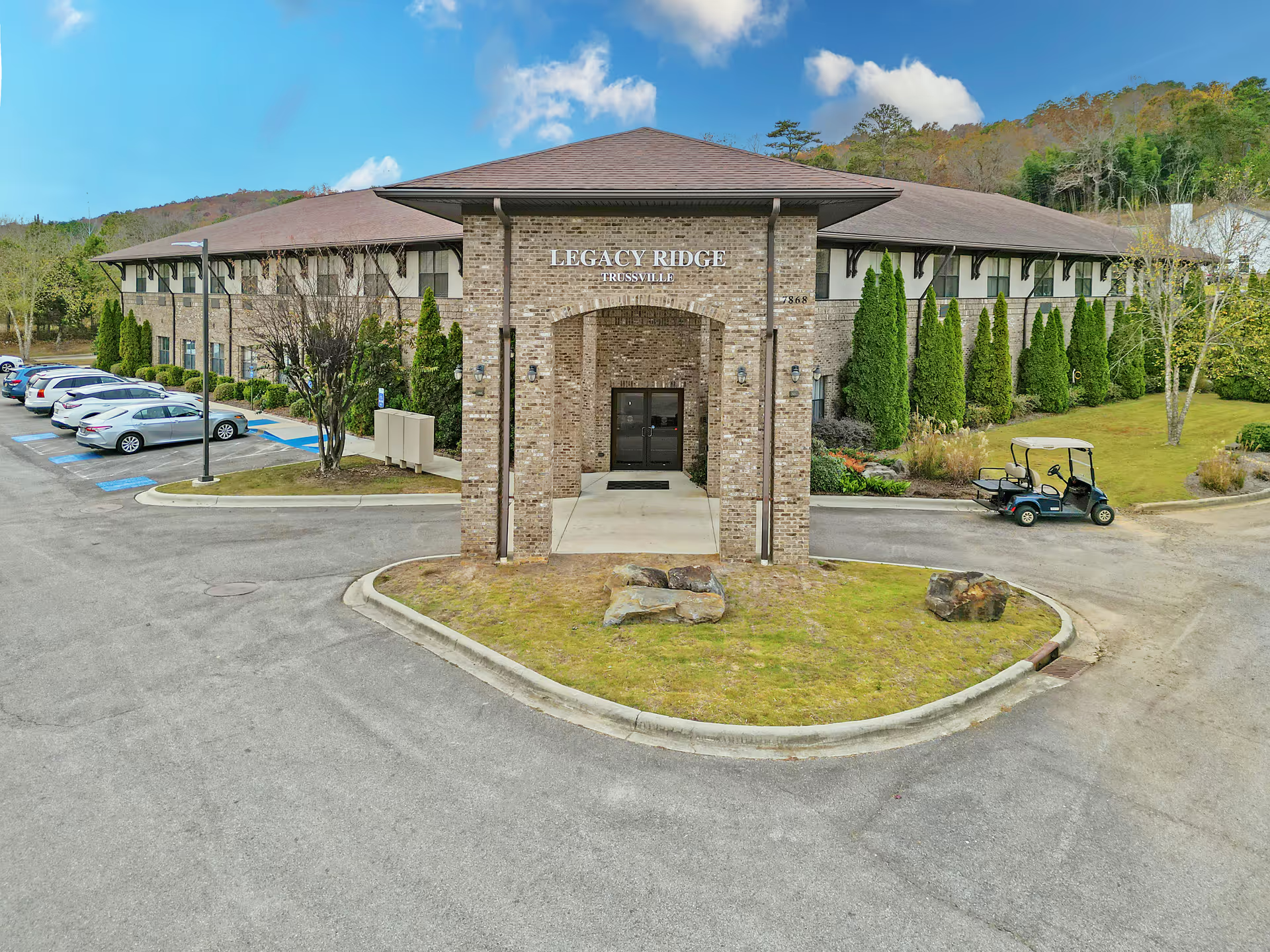
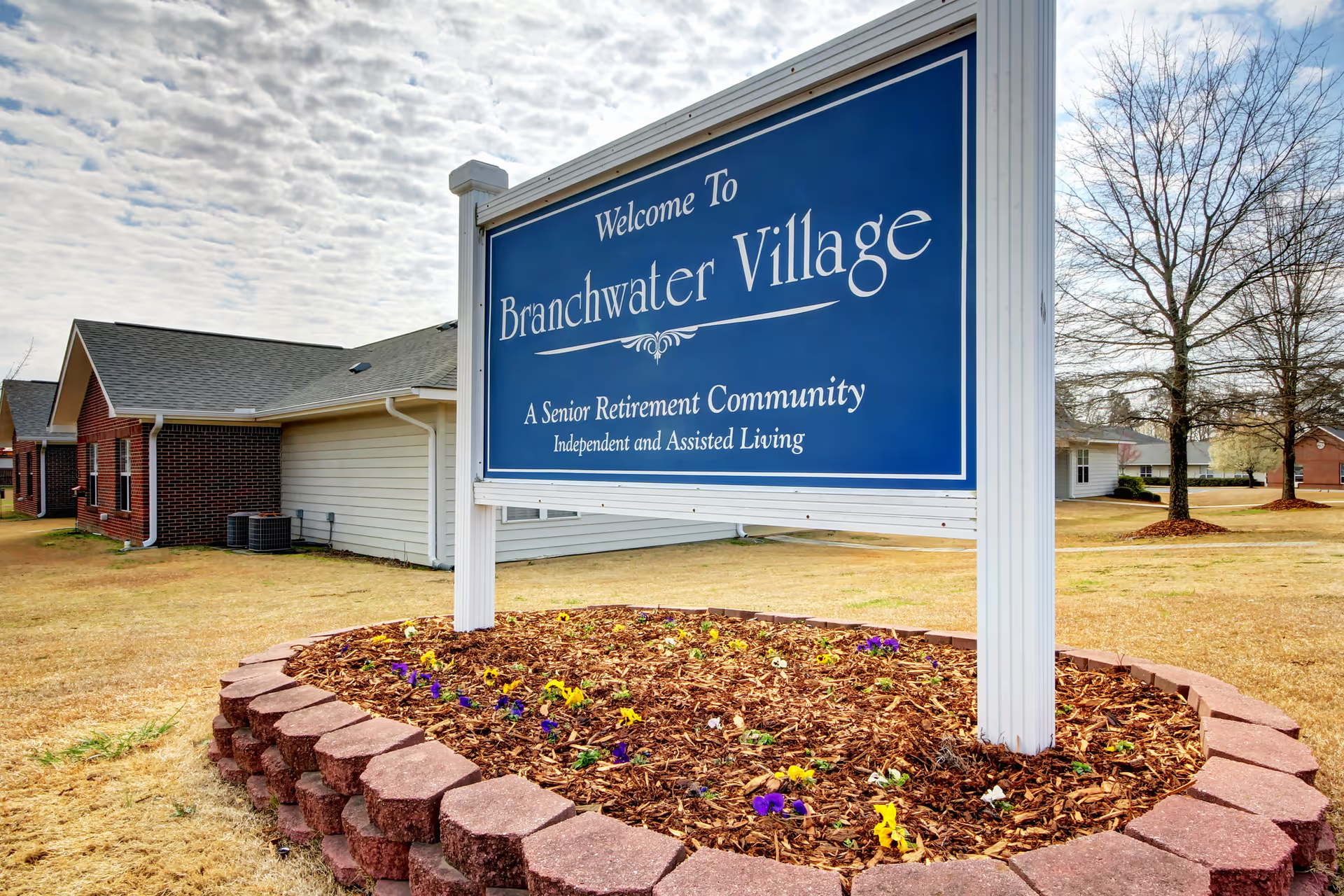
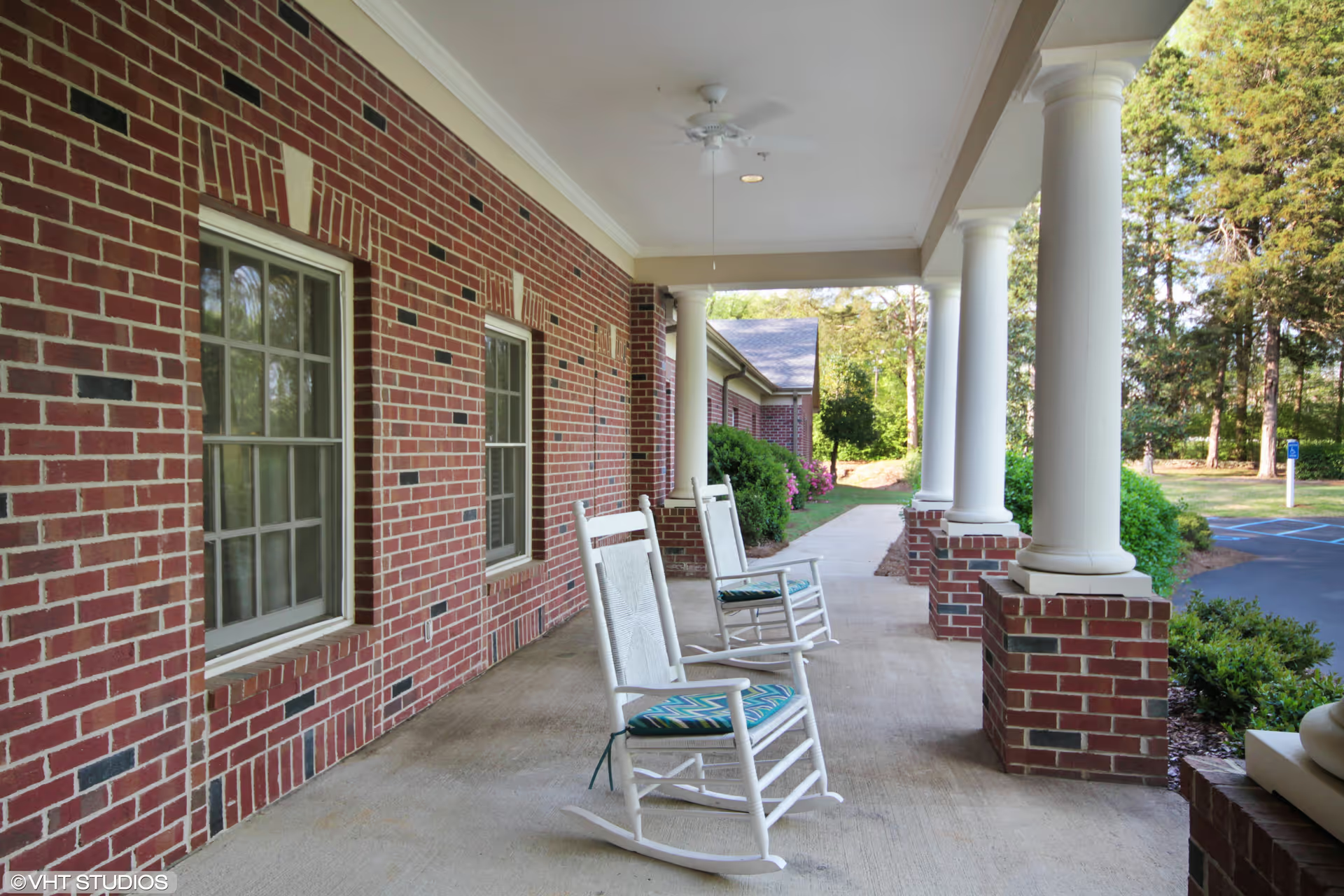
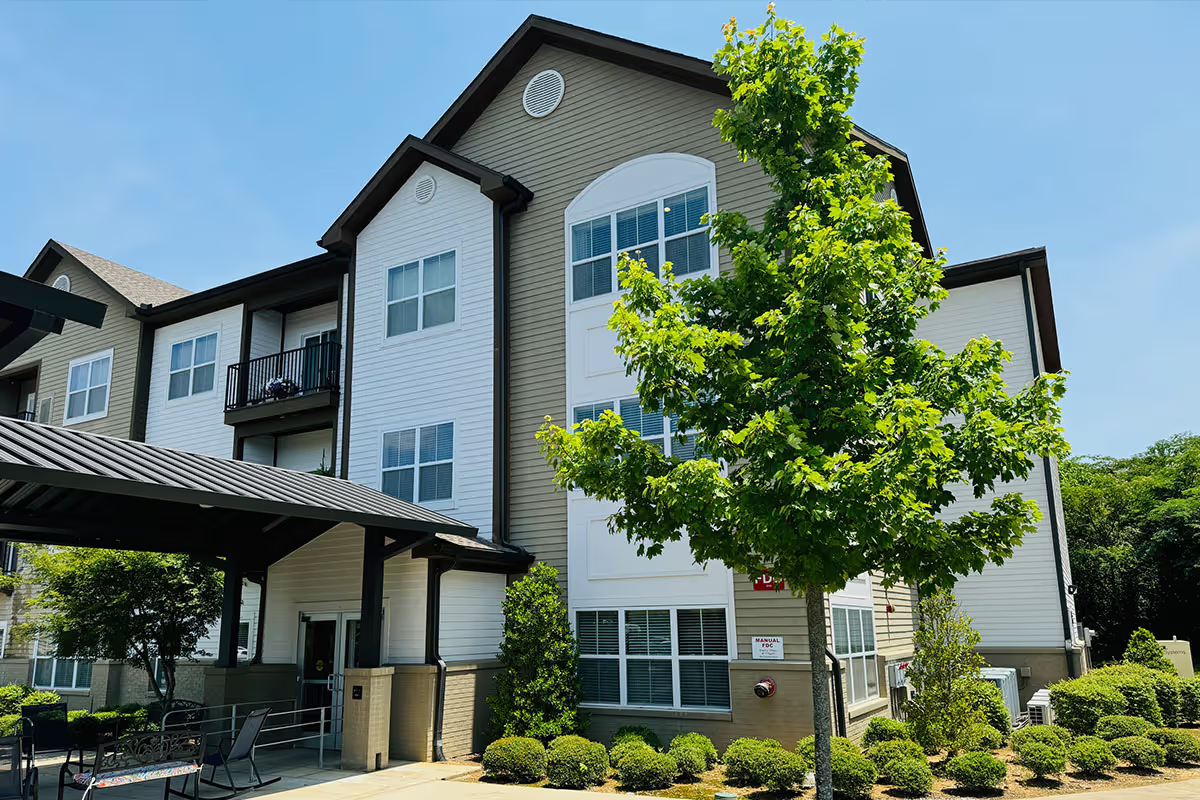
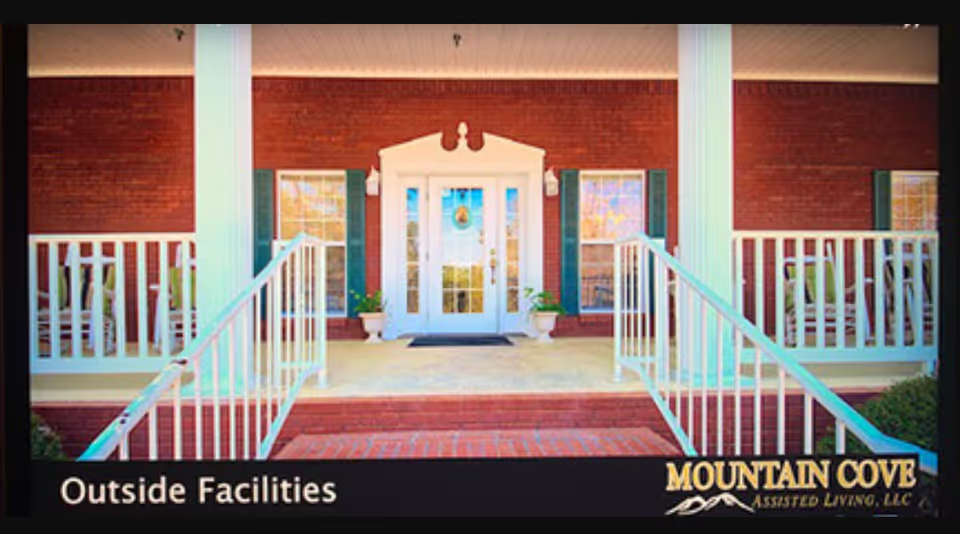
This facility presents a mixed picture. On the positive side, its small, privately owned scale and older-but-well-cared-for building create a home-like, family atmosphere that several families described as comforting. Reviewers consistently noted cleanliness — including fresh linens and a clean kitchen — and a generally pleasant scent in common areas. Certified nursing assistants were frequently described as polite and attentive, and residents are often seen in shared spaces and at mealtimes, which suggests active communal dining and some opportunities for social engagement.
Care quality reports are variable. While CNAs receive consistent praise for day-to-day resident support, reviewers raised substantive clinical concerns centered on medication administration, infection prevention, and inconsistent responsiveness to resident needs. Specific descriptions included wrong dosages, timing errors, and treatment outcomes that families found unacceptable; these indicate weaknesses in medication-administration controls and gaps in clinical oversight. There are also reports of repeated urinary tract infections and other clinical issues, which point to potential shortcomings in infection-prevention practices and follow-up care.
Staffing and management show a clear pattern. Several reviewers described difficulty retaining CNAs and overall understaffing, which appears to correlate with inconsistent care responsiveness. Management behavior was described as unprofessional by some families, creating communication challenges when clinical concerns arose. These operational patterns — high turnover, staffing shortfalls, and strained management–family communication — can amplify clinical risks and reduce confidence in facility oversight.
Dining and activities appear adequate in routine instances: lunches are served, and communal dining occurs. However, participation and engagement may be inconsistent; some families observed residents confined to rooms rather than participating in group activities. This suggests variability in activity programming or in the implementation of mobility and engagement policies.
For prospective residents and families, the facility's strengths lie in its small, welcoming environment and attentive CNAs, along with generally clean, well-kept spaces. The chief areas to investigate further are medication-management practices, staffing levels and turnover, documented clinical outcomes (including infection rates), and how management handles family communication and incident reporting. Recommended next steps include reviewing recent inspection reports, asking for medication-administration and staffing policies, observing a medication pass and mealtime, and meeting both CNAs and supervisory staff to assess professionalism and responsiveness before making placement decisions.