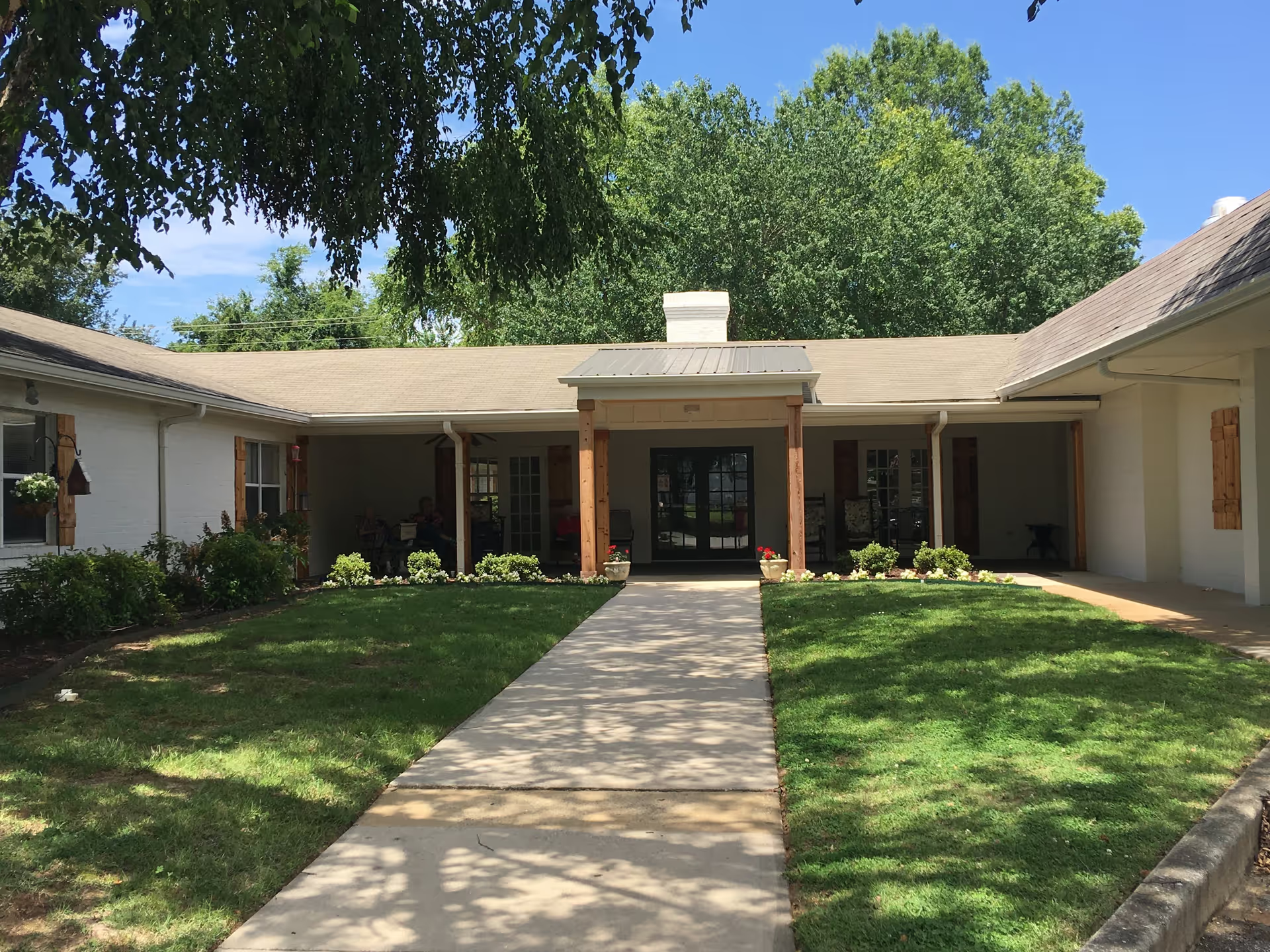
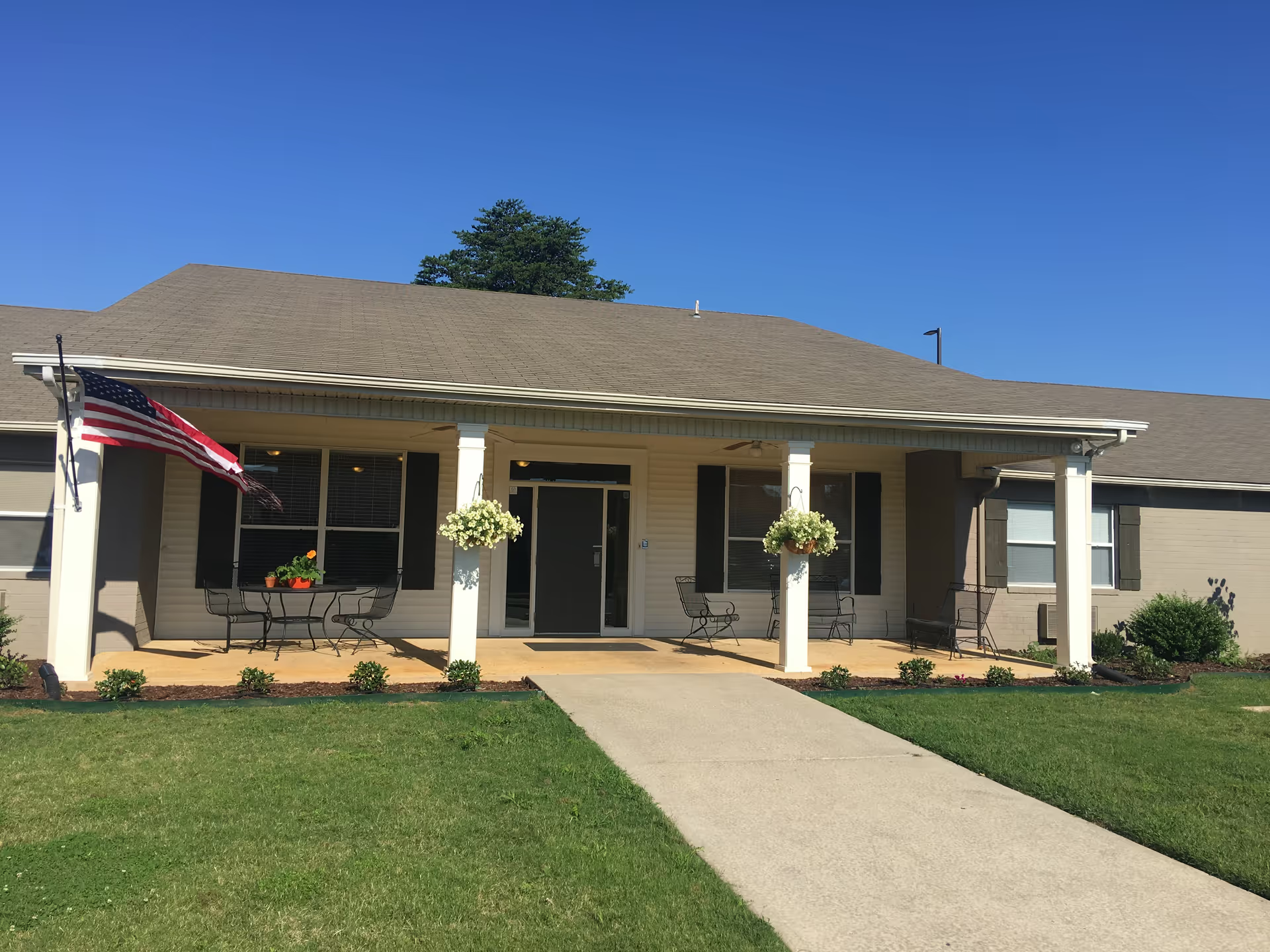
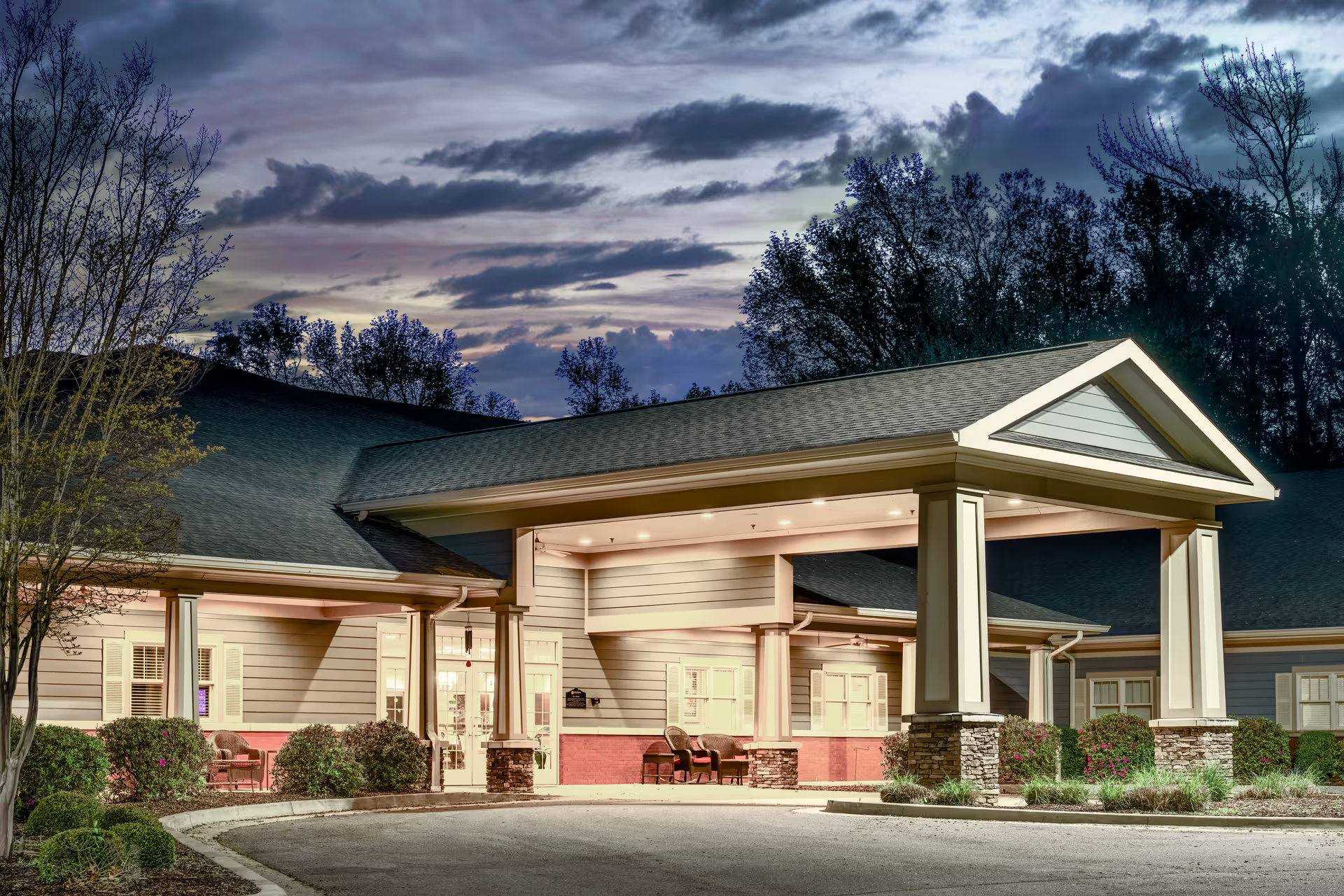
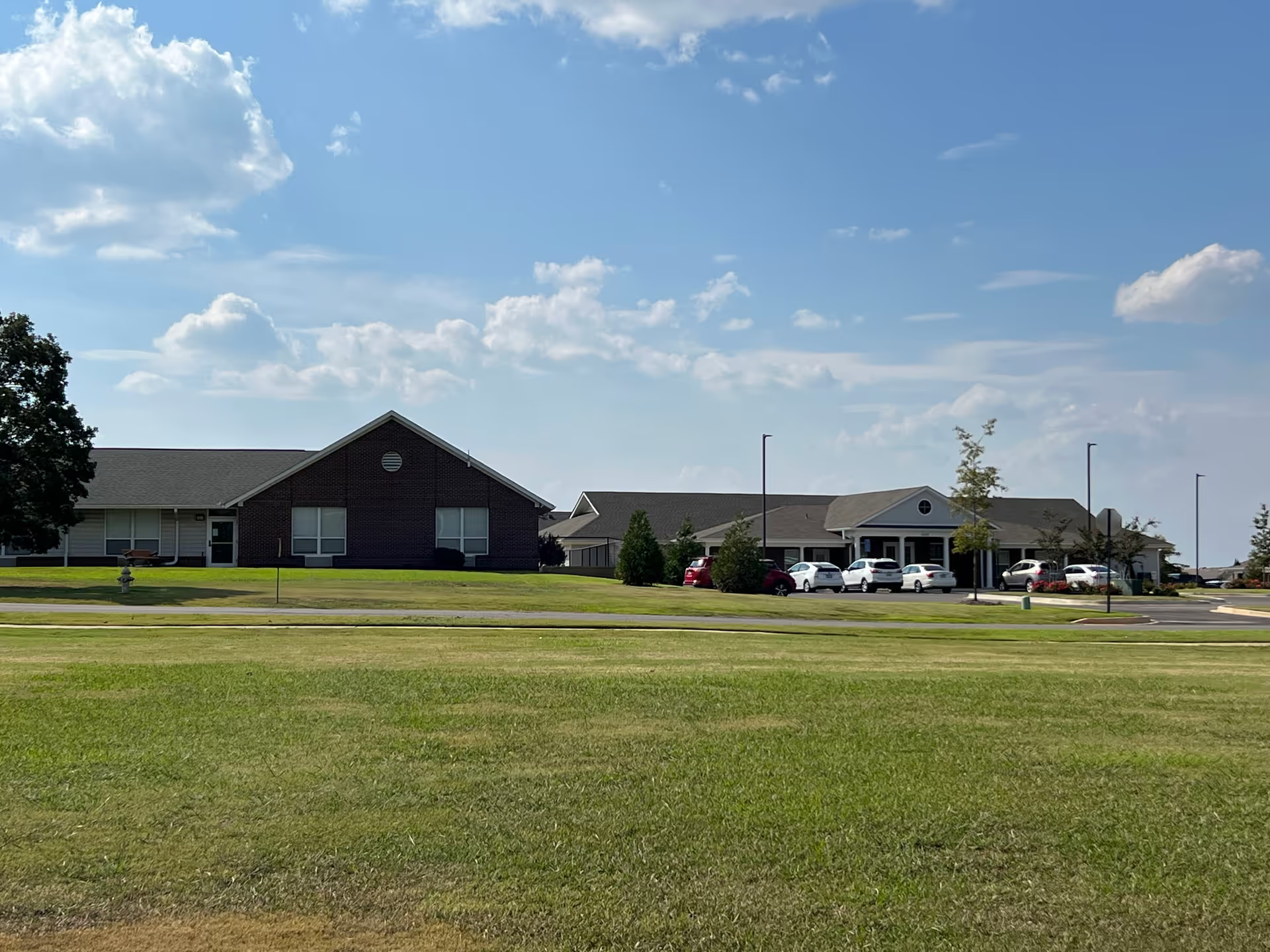
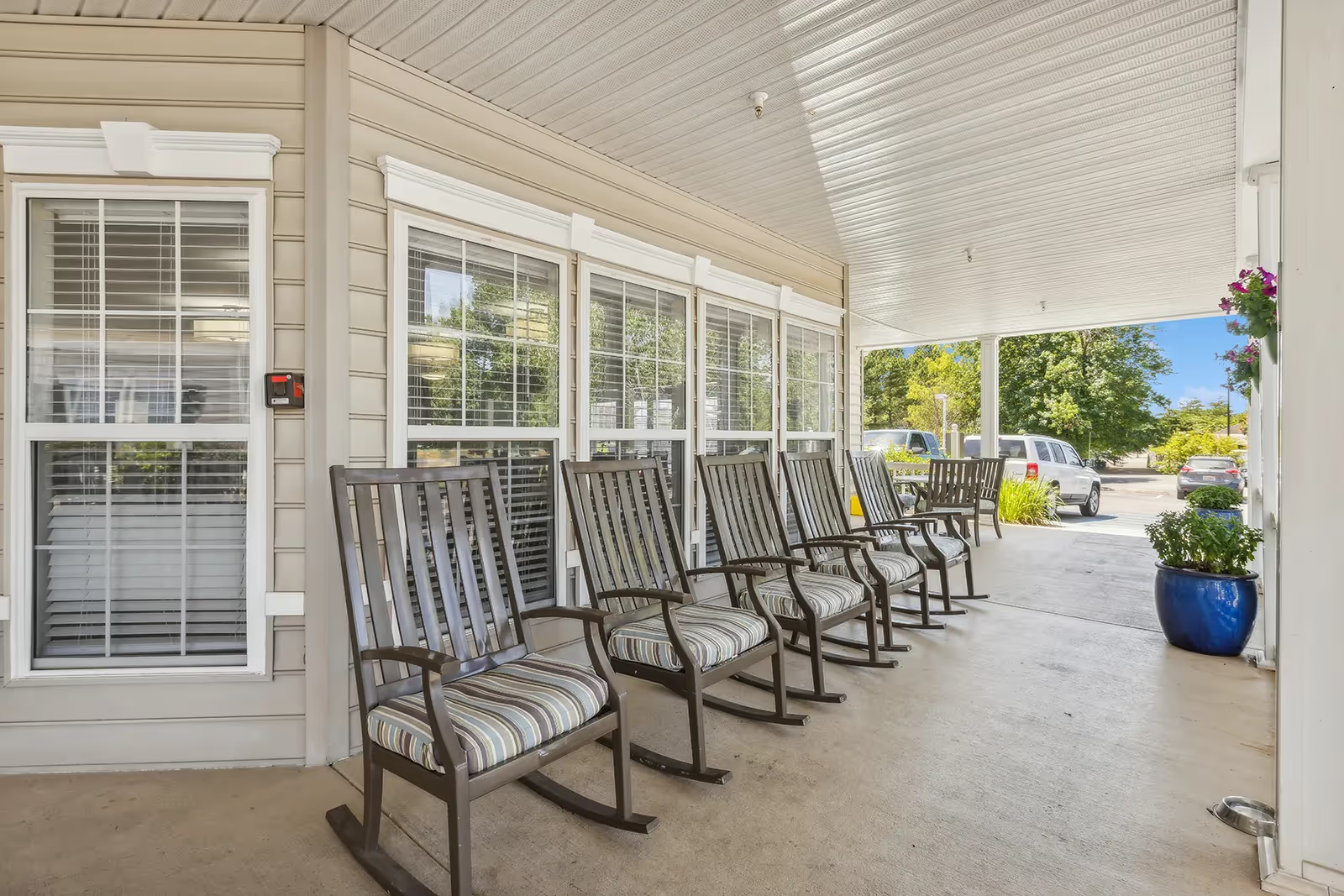
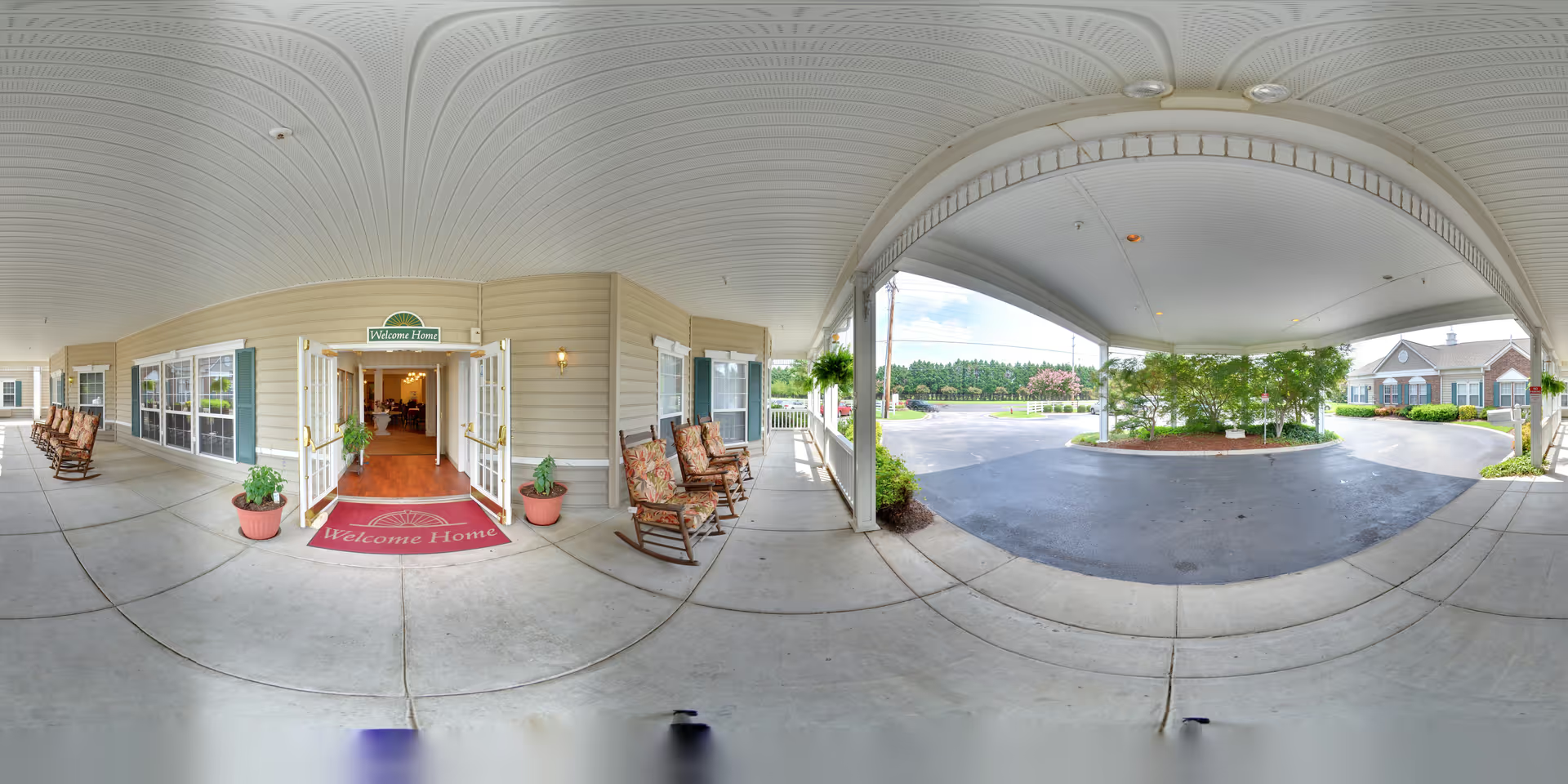
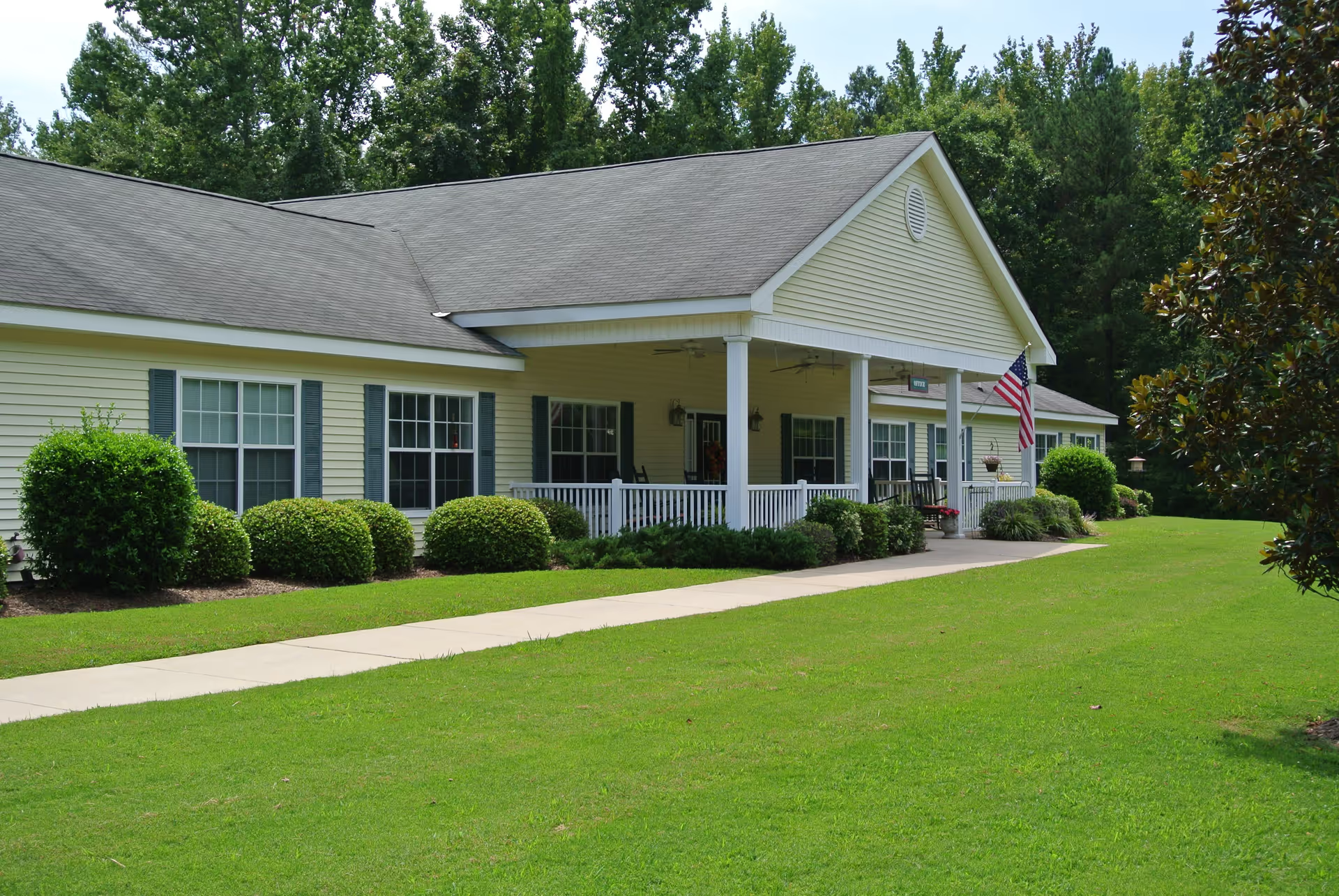
Overview: The Goldton at Athens is described overall as a clean, modern, and well‑appointed senior living community with a strong emphasis on social engagement and resident comfort. Reviewers consistently highlight a hotel‑like appearance, spacious apartment options (efficiency through two‑bedroom layouts), and a range of built‑in amenities such as a bistro, salon, fitness/PT room, craft and puzzle areas, and a large dining hall. Many families emphasized that the community creates a welcoming, family‑oriented atmosphere where residents interact, participate in daily activities, and appear socially engaged.
Care and staff: Staffing and direct care are the most frequently praised elements. Reviewers singled out multiple directors and frontline caregivers for responsiveness, warmth, and individualized attention; several reviewers used terms such as lifesaver, compassionate, and family‑like to characterize staff–resident interactions. Regular wellness checks, prompt attention to maintenance or alarm issues, and staff who help residents acclimate are recurring positives. At the same time, there are concerns about staffing consistency and workload. Some comments describe periods when staff appeared overextended or when communication tone was problematic; these point to variability in conduct and occasional lapses in responsiveness rather than a uniform experience.
Dining and activities: Dining receives largely favorable comments — many residents and visitors praised food quality, variety, and the dining atmosphere, and the dining leadership received specific recognition. However, a number of reviewers noted fluctuations in meal quality and continuity tied to kitchen staff turnover or temporary shortages. Activities programming is described as robust and engaging, with active participation in exercise classes, devotionals, bingo, puzzles, and crafts. The activities team is frequently cited as energetic and effective at promoting resident involvement.
Facilities and logistics: The physical plant is generally regarded as clean, bright, and well maintained, with rapid responses to issues such as carpet replacement or equipment checks. Apartments often include in‑unit washers/dryers or kitchenettes, ample closet space, and layouts that support visitors and personal furnishings. Two facility traits drew repeated attention: limited private outdoor access from individual apartments and constrained yard space, which can affect residents with dogs or those seeking immediate outdoor access. There were isolated air‑quality or odor concerns mentioned in common areas, and at least one pre‑move issue that was remedied; these suggest occasional facility maintenance or ventilation attention points rather than pervasive sanitation problems.
Management and patterns to watch: Leadership visibility is a strength — many reviewers named executive and departmental directors positively and described supportive admissions and move‑in processes. Yet there are also comments about inconsistent follow‑through on promises, occasional disorganization, and the operational impacts of staffing shortages. Pricing is described by some families as above average; several noted the cost was justified by the level of care, while others flagged value concerns when staffing or dining continuity was affected. A small number of serious interpersonal concerns about staff conduct were reported; these form a minority of comments but are notable because they contrast with the predominant positive tone and may warrant direct conversation with management during a tour.
Bottom line: The Goldton at Athens presents as a vibrant, well‑kept community with strong programming, a supportive culture, and many dedicated staff members. Prospective residents and families should weigh the consistently praised strengths in care, amenities, and social opportunities against operational tradeoffs such as premium pricing, episodic staffing pressures, and limited private outdoor access. When evaluating the community in person, visitors may benefit from asking specific questions about current staffing levels, kitchen staffing continuity, pet policies and outdoor access, and examples of how management addresses conduct or communication concerns when they arise.