Overall impression: Reviewers present a largely positive view of day-to-day care at Oak Trace Care & Rehabilitation Center, with repeated emphasis on compassionate, long-tenured caregiving staff and a strong rehabilitation program. The facility's newer rehab wing and generally well-maintained interiors contribute to a favorable environment for clinical recovery and social engagement. Families commonly describe a family-like atmosphere, active cultural programming (including specific events such as Black History Month), and faith-based involvement that support resident quality of life.
Care and staffing: Clinical care and therapy are frequent strengths in the reviews. Multiple accounts highlight effective rehab services with measurable mobility improvements, dependable medication administration, and attentive hands-on caregiving. Floor staff tenure is noted as a stabilizing factor; reviewers often describe staff as caring, knowledgeable, and approachable. At the same time, there are recurring concerns about inconsistent responsiveness across shifts and units and uneven follow-through from social-work and care-coordination functions. A subset of families described difficulties obtaining timely health information or experiencing broken promises, which suggests variability in communication and coordination rather than a uniform operational failure.
Dining and activities: Dining is generally viewed positively, with several comments about enjoyable meals. The center appears to offer a robust activity calendar and community-oriented programming that fosters resident friendships and engagement. Reviewers referenced cultural programming and holidays as sources of social connection, and the facility’s church involvement was noted as an asset for residents who value faith-based activities.
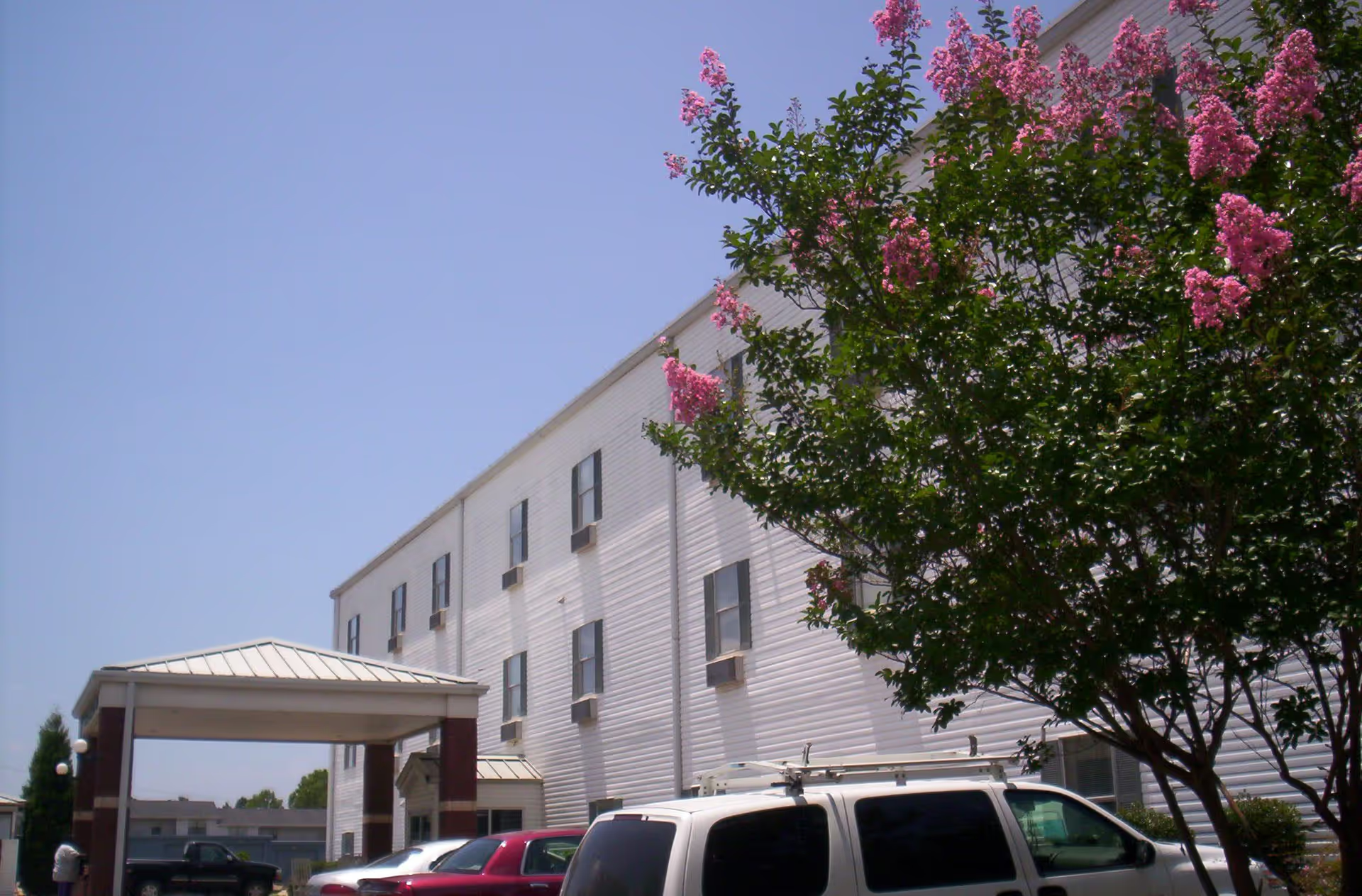
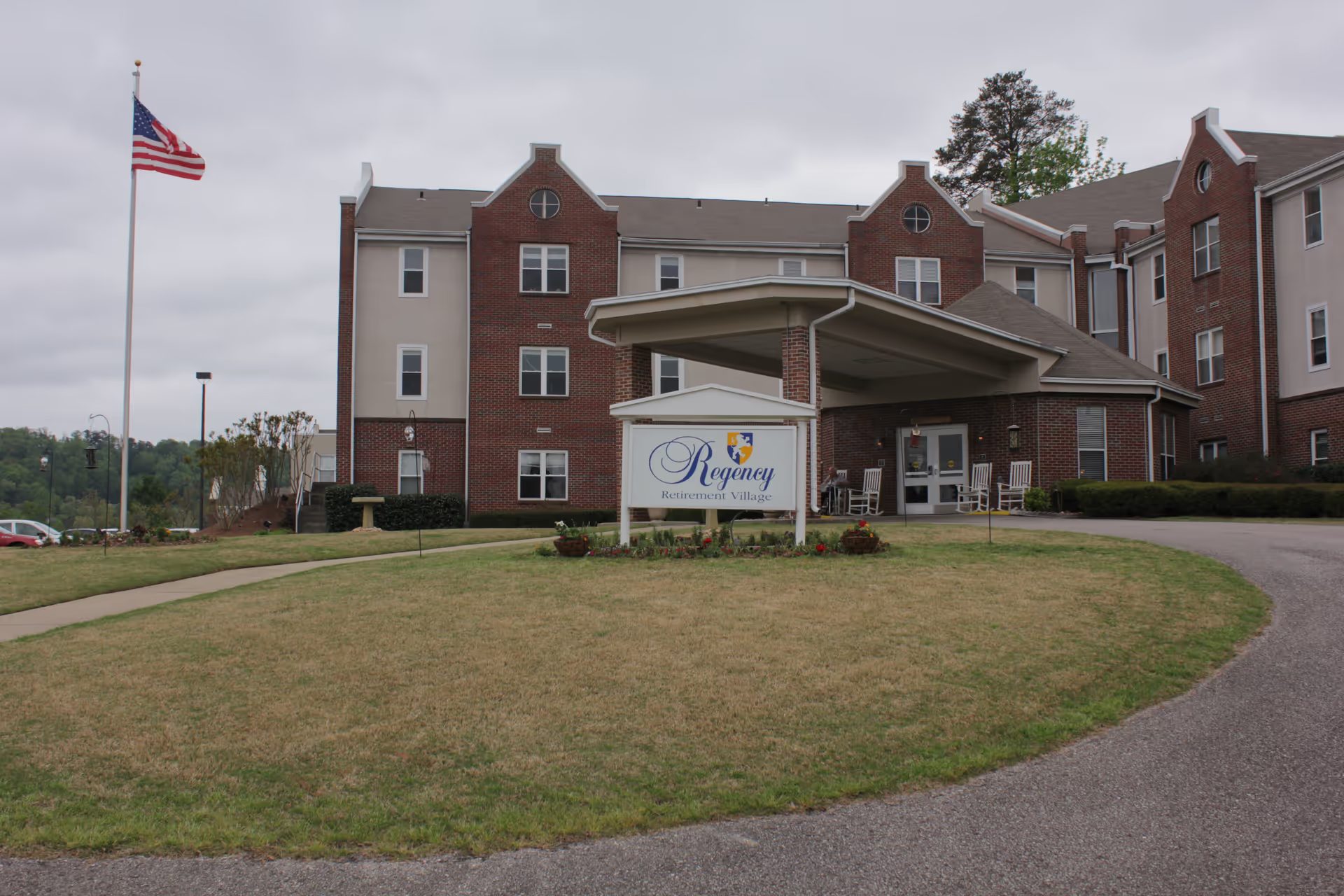
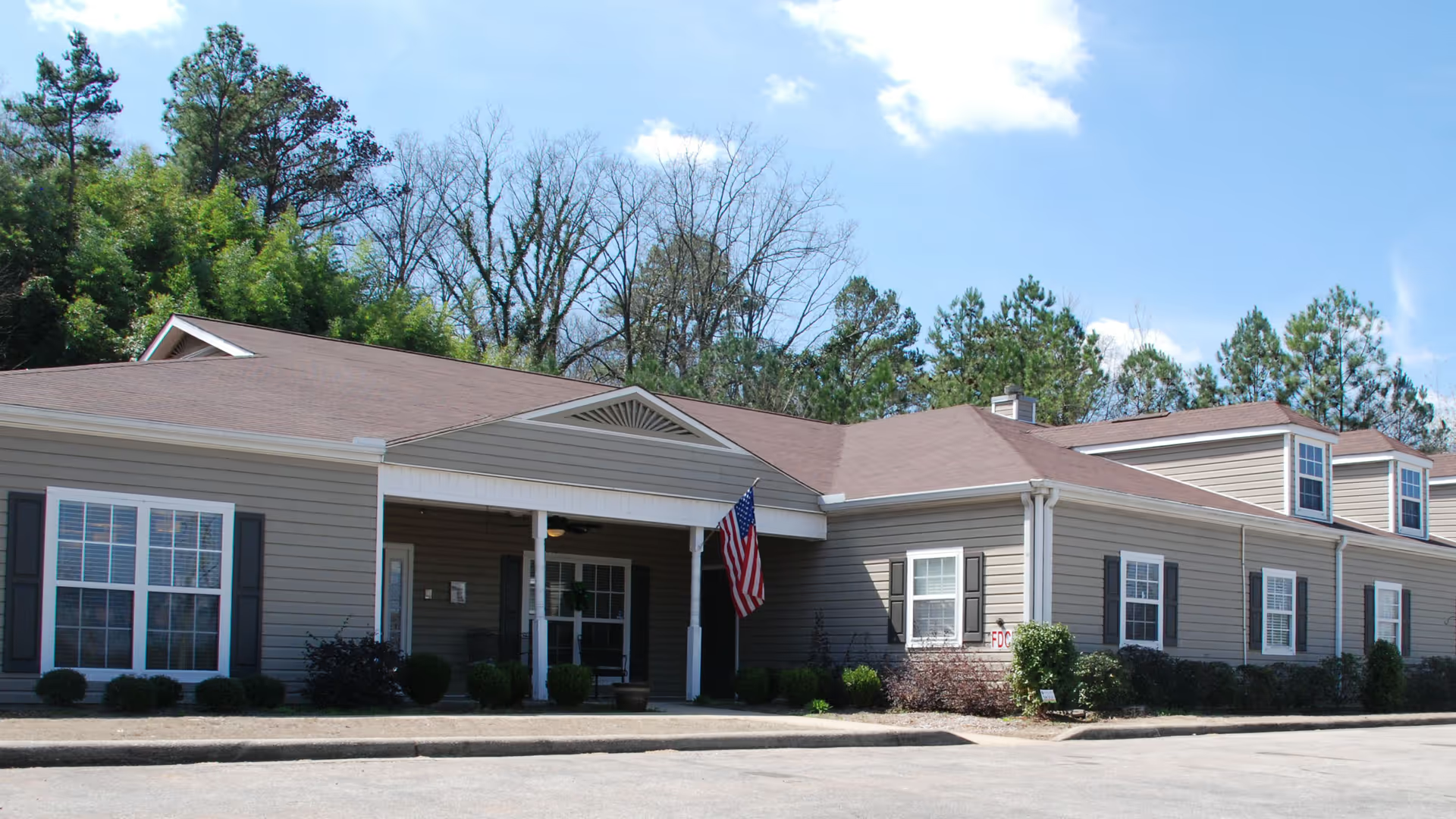
Facilities and housekeeping: Physical spaces are described as attractive and appealing; the new rehabilitation wing and clean common areas are repeatedly cited. Grooming and resident presentation were commonly praised. However, some reviewers raised concerns about variable housekeeping and cleanliness consistency across different areas, indicating that standards may not be uniform facility-wide at all times.
Management and notable patterns: Several reviews point to visible improvements under newer management and a forward-looking leadership approach, which families perceived positively. Nonetheless, a persistent theme across the less favorable comments is poor or delayed communication, especially around social work responsiveness and information-sharing with families. There are also isolated mentions of staff communication tone that families found unprofessional. These items suggest operational gaps in family liaison processes and staff training on communication rather than a wholesale deficiency in clinical care.
Guidance for prospective families: For those considering Oak Trace, a focused tour and specific questions will help assess fit. Recommended areas to probe include the facility’s family-communication protocols (who to contact, expected response times), social-work availability and case-management continuity, housekeeping schedules and unit-cleanliness checks, staffing patterns across shifts, and transportation options given limited public-transit access. Observing a therapy session and visiting the new rehab wing can help verify rehabilitation offerings described by residents and families.
In summary, Oak Trace presents notable strengths in caregiving, rehabilitation, programming, and facility quality, balanced by operational weaknesses in communication, social-work follow-through, and consistency of housekeeping. Many families report positive outcomes and peace of mind, but prospective residents should clarify communication and coordination processes to ensure those strengths align with their expectations.