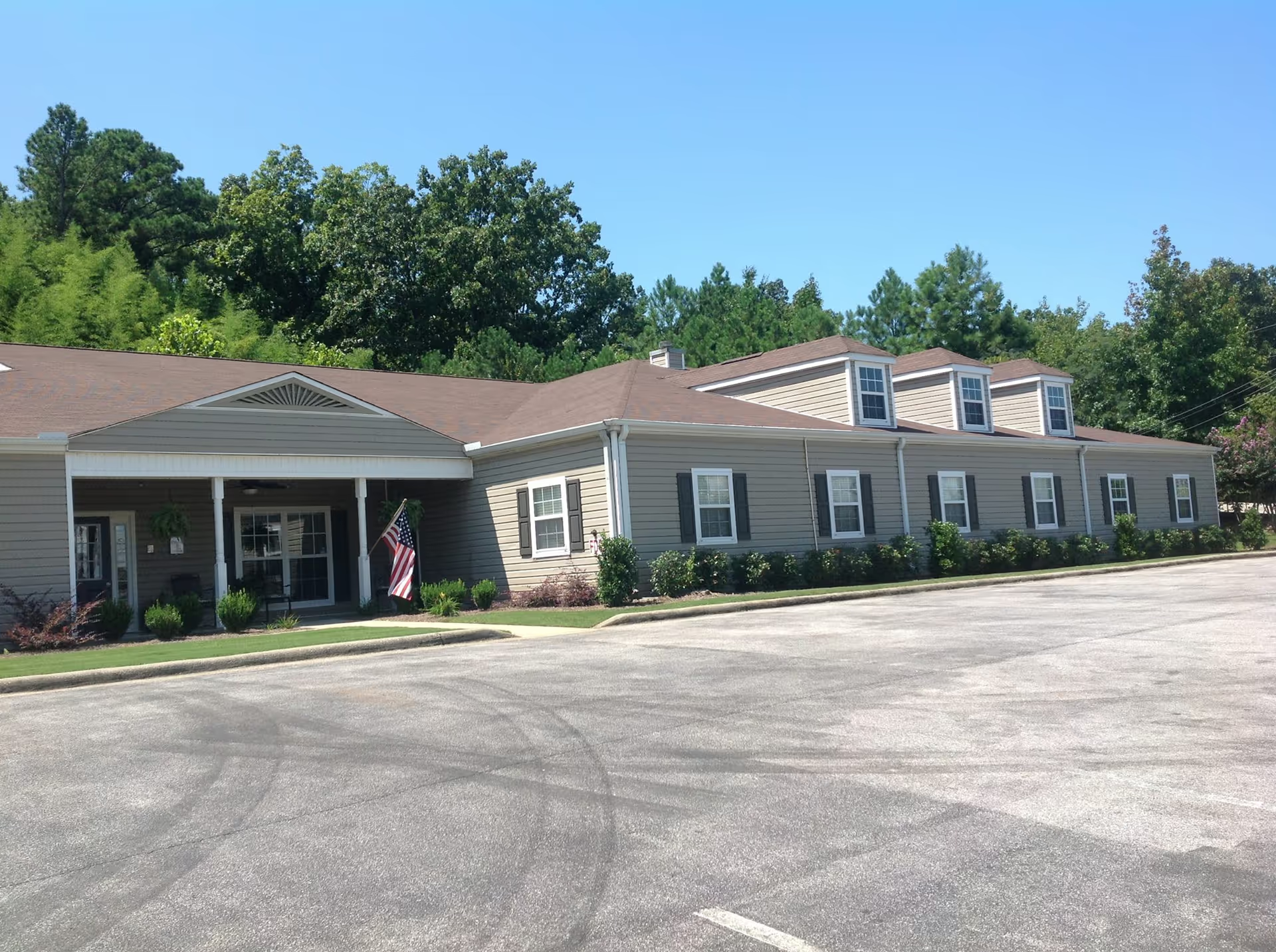
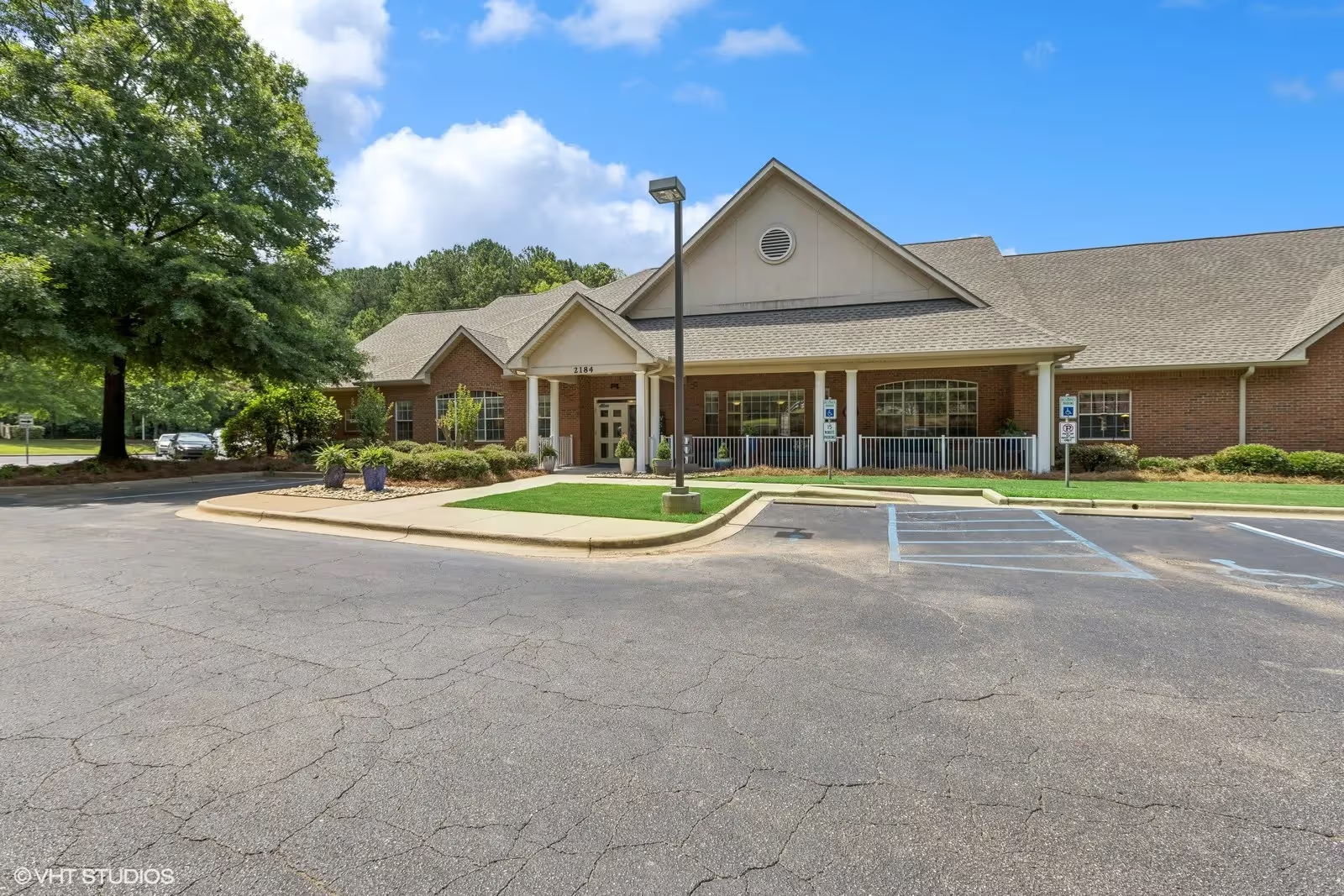
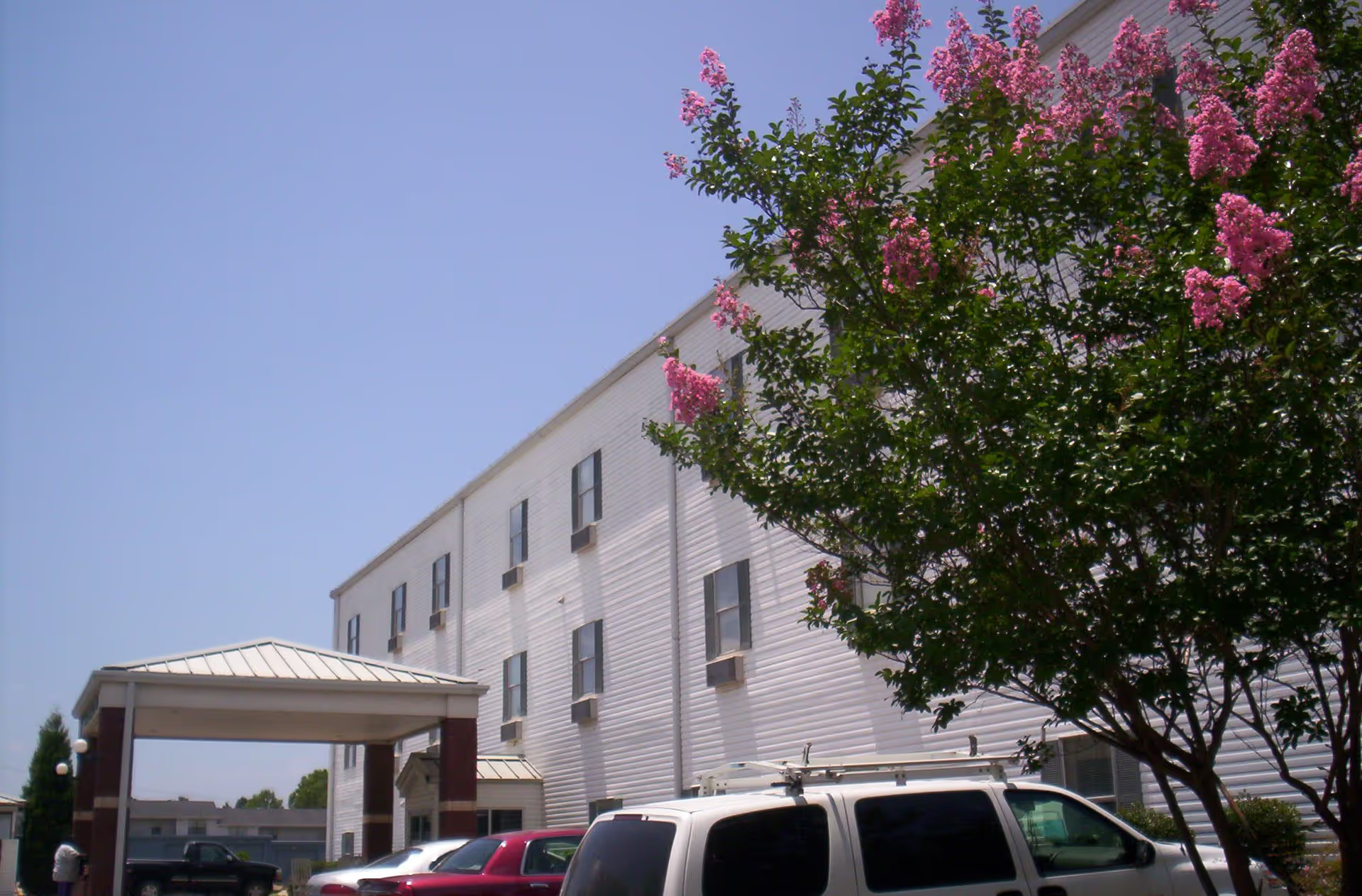
Oaks on Parkwood presents a mixed profile: the physical campus and many front-line staff are frequently praised, while several operational and clinical gaps recur across reviews. The property is consistently described as attractive and well maintained, with pleasant grounds, an indoor heated pool, fitness areas, and on-site amenities such as a salon and podiatry. Independent living apartments with kitchenettes, larger suite options, communal dining rooms, and regular outings contribute to a strong assisted/independent living experience for many residents.
Clinical and caregiving quality is uneven. Numerous reviewers describe compassionate, attentive caregivers and strong physical-therapy/occupational-therapy services; these elements appear to support positive short-term rehab and memory-care stays for some families. At the same time, multiple accounts point to inconsistent care in skilled-nursing areas, including delays in attending to personal-care needs and concerns about medication handling and clinical safety processes. These clinical inconsistencies are often linked to staffing shortages and high turnover, which reviewers identify as a central operational weakness.
Dining and activities produce varied impressions. Several families praise plentiful, well-prepared meals, frequent special breakfasts and events, and a lively activities calendar that includes music, exercise classes, and outings. Other reviewers describe cold or poorly timed meals, limited fresh options, and inconsistent feeding assistance. Activity programming appears robust in parts of the campus but uneven between buildings and units; some residents experience an engaging social environment while others find limited enrichment.
Management, communication, and safety practices are areas of concern. Many reviewers highlight gaps in family communication and care coordination—examples include delayed notifications about clinical changes, pharmacy or care-plan changes made without family input, and confusion during hospital transitions. Administrative responsiveness is described as variable: some managers resolve issues quickly and empathetically, while others are perceived as unresponsive or slow to follow up. Safety-related patterns cited include sanitation and housekeeping inconsistencies, incontinence-care delays, and isolated but serious allegations regarding staff misconduct and financial irregularities. These issues contribute to trust and accountability concerns for prospective families.
Overall, Oaks on Parkwood offers notable strengths in campus amenities, rehabilitation services, and community programming that make it a good fit for residents seeking an active independent or assisted-living environment. However, prospective residents and families should carefully evaluate staffing levels, clinical oversight in skilled-nursing units, meal-service consistency, and administrative communication practices. A focused tour that includes conversations with therapy staff, nursing leadership, dining services, and current families — plus clarification about staffing ratios, incident-followup procedures, and security measures — will help determine whether the facility’s strengths align with an individual’s care needs and expectations.