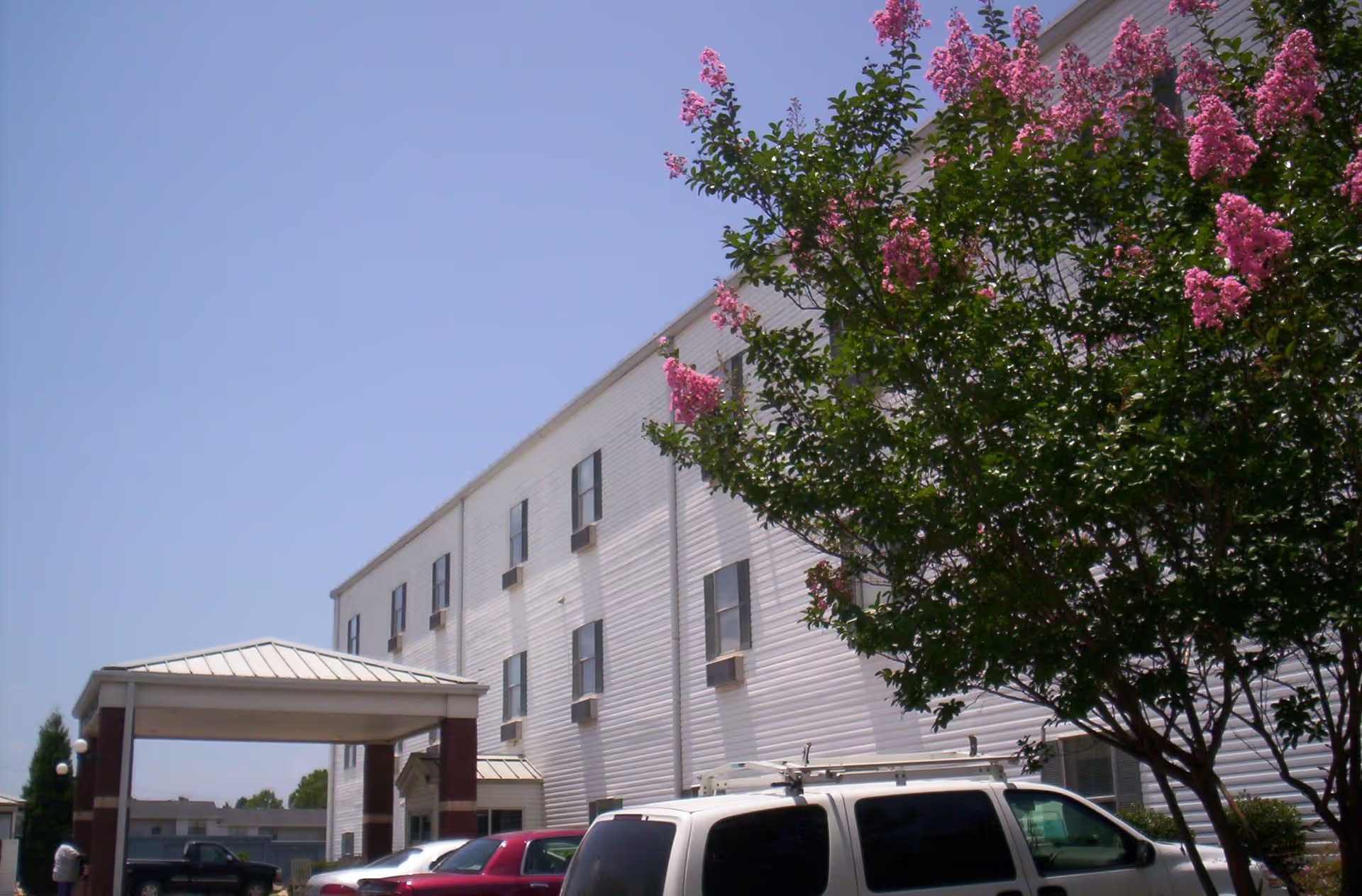
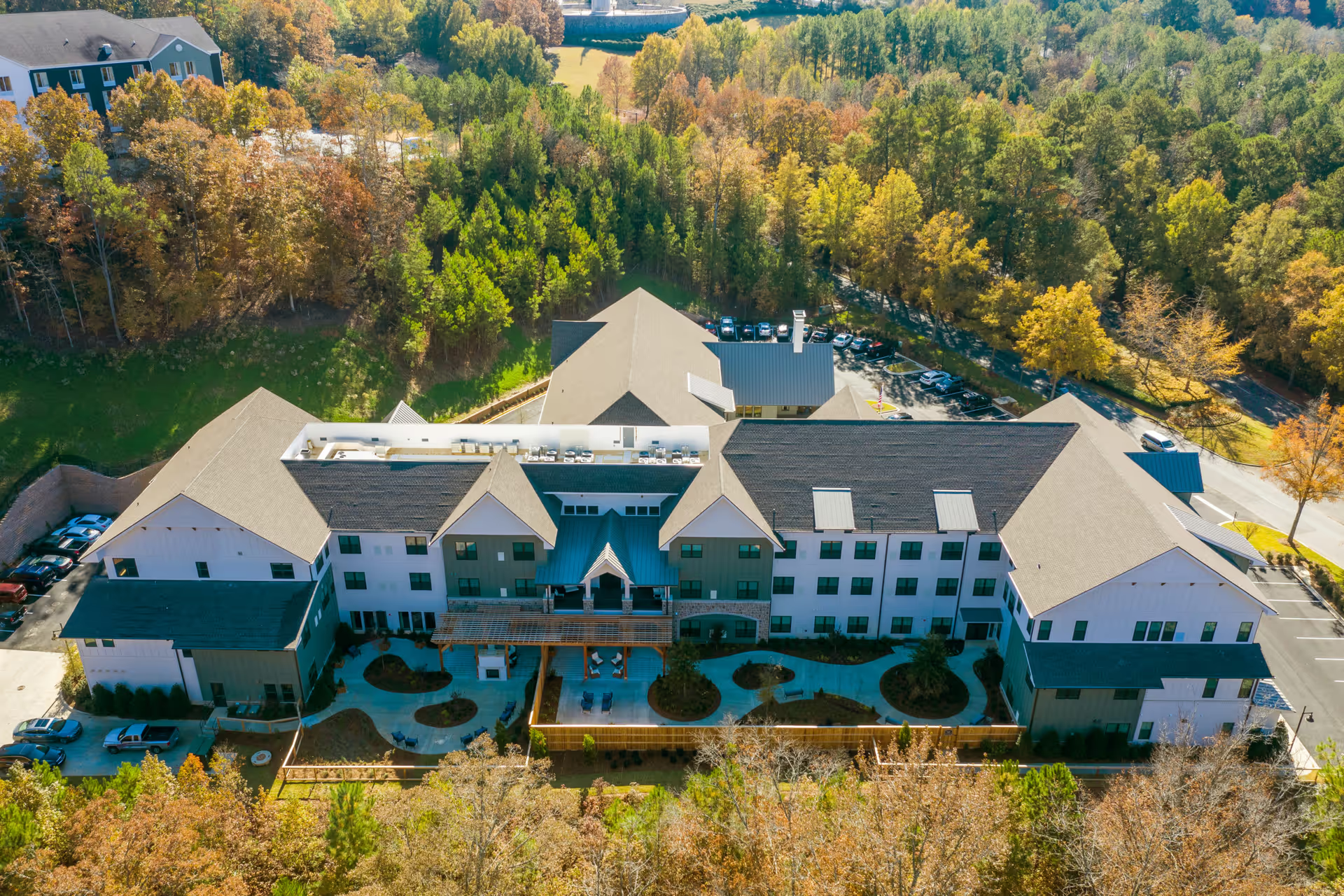
The reviews present a highly mixed picture of Arlington Rehabilitation and Healthcare Center. Many families describe a clean, well-maintained building with private rooms, a secure dementia unit, and a rehabilitation program that is active and effective. Admissions staff and portions of the therapy team receive consistent praise for professionalism and resident-focused care. Several reviewers also singled out individual clinical staff and administrative employees as attentive and communicative; when these staff are involved, families report good updates, timely medication availability, and positive therapy outcomes.
At the same time, recurring operational concerns appear throughout the feedback. The most commonly cited issues are inconsistent staffing levels and delays in clinical response and escalation—examples include delayed activation of physicians, slow transport to higher-acuity care, and inconsistent assistance with routine needs. Related to these patterns are gaps in personal-care processes (including bathing and incontinence-care routines), variable pain- and medication-management practices, and lapses in routine clinical monitoring such as blood-glucose checks and wound care. Several reviews raised concerns about pressure-injury prevention and the timeliness of clinical reassessment when new symptoms appeared.
Housekeeping and laundry practices are another area of variability. While many families describe a generally clean environment and well-maintained common areas, others reported sanitation concerns and odor issues in some resident rooms and cited problems with laundry handling and missing personal items. Dining quality is similarly inconsistent: some residents and families praised the meals, while others described unappetizing or irregular food service. Safety-process gaps were also noted, including incidents around transfers, falls, and coordination for off-site appointments that suggest room for improvement in transfer protocols and transport logistics.
Management and communication emerge as pivotal drivers of family experience. Positive accounts reference proactive communication, regular updates, and responsive leadership that corrected initial concerns. Negative accounts describe inconsistent oversight, delayed or unsatisfactory grievance handling, and at least one instance where a family perceived retaliation after filing a complaint. There are also reports of weak physician coordination and variable bedside communication tone, which contribute to families feeling insufficiently informed about changes in clinical status.
Taken together, the pattern suggests a facility with clear strengths in rehabilitation, certain care staff, physical plant, and admissions processes, but also with systemic weaknesses that can affect safety and quality for some residents. Prospective residents and families should weigh the facility’s therapy and admissions strengths against the potential for variability in day-to-day nursing responsiveness, personal-care routines, sanitation consistency, and management follow-through. When choosing this facility, families who decide to proceed may want to establish an early communication plan with unit leadership, document expectations for personal care and clinical monitoring, and maintain regular engagement to ensure timely resolution of concerns.