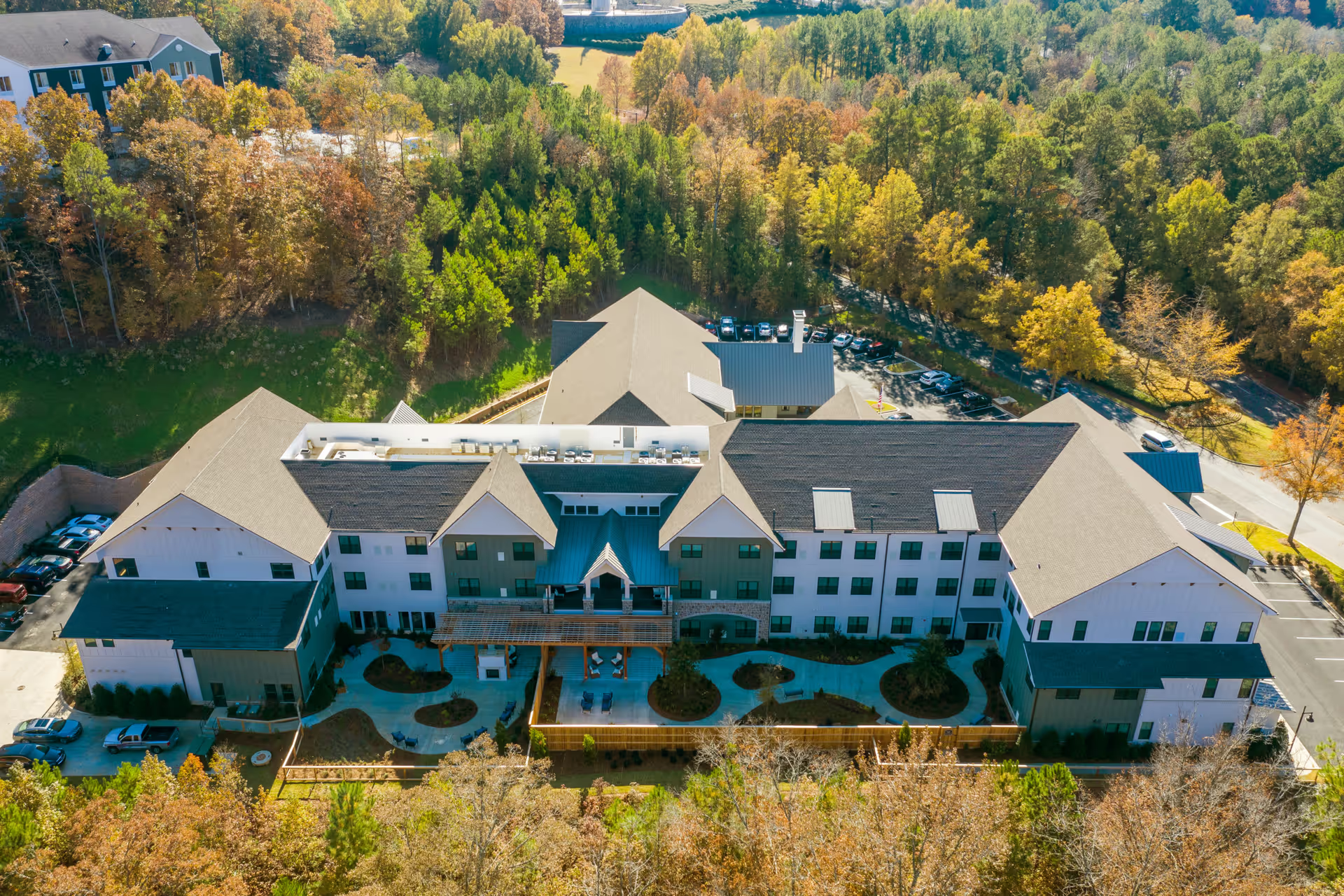
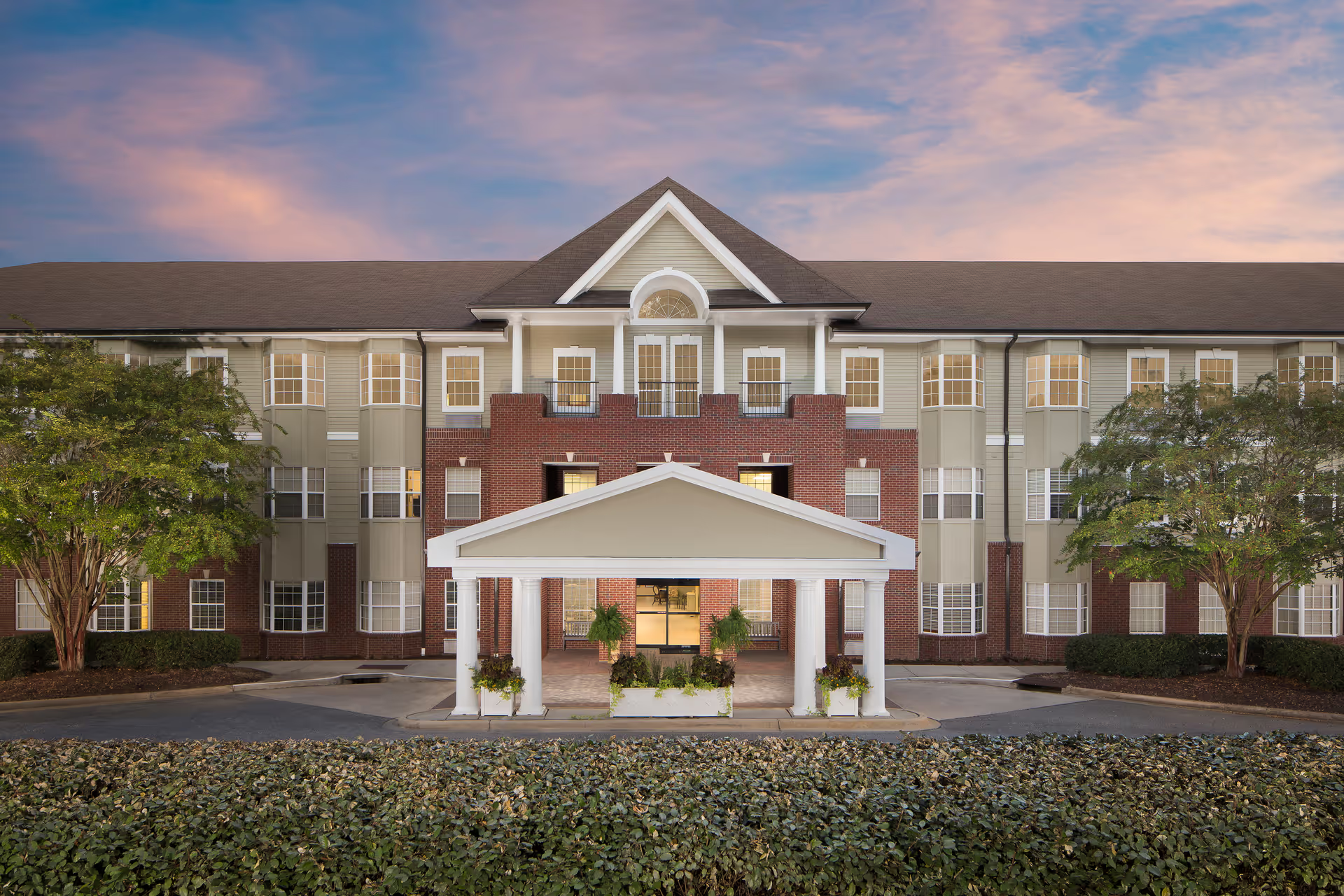
Brookdale University Park presents as a large, well-appointed senior living campus with many elements families look for: modern common areas, secure gated grounds, a range of apartment layouts with full kitchens and in-unit laundry, and an extensive amenity set (gym, library, salon, bistro, private dining). The community supports aging-in-place with independent, assisted, memory-care, and on-site rehab/therapy services. Many reviewers praised the facility’s appearance, the engaging activity calendar, and the availability of on-site medical resources such as a gerontologist clinic and dedicated therapy spaces.
Staff quality is a recurring strength in numerous accounts. Reviewers frequently described caregivers, therapists, and front-line teams as compassionate, professional, and personable; several notes emphasized clinical credentials among leadership and specialized expertise in memory care and therapy. Rehabilitation and therapy services receive particularly positive mention for proactive programming and effective discharge planning. At the same time, staffing stability is uneven: persistent comments describe turnover and thin coverage, especially during evenings, nights, and holidays, which affects consistency of care and response times.
Care-quality patterns are mixed. Positive experiences include attentive nursing, good rehab outcomes, and respectful resident interactions. Contrasting accounts point to operational weaknesses: variability in nursing oversight and medication administration, delays in responding to call lights and toileting assistance, and shortcomings in wound and incontinence-care follow-through. A limited number of serious clinical and safety concerns led to formal family complaints in some instances. These issues appear concentrated in higher-acuity units and during periods of low staffing.
Dining and food service generate polarized impressions. The facility features an elegant dining room, linen service, and a bistro with off-site outings and private dining opportunities; many residents and visitors describe enjoyable meals and a robust dining program. Conversely, other reviewers report inconsistent food quality, meals served at improper temperatures, and limited dining staffing that occasionally requires caregiver staff to assist with service. These operational inconsistencies affect resident satisfaction with dining more than facility design.
Activities and social programming are commonly cited strengths. The community offers a wide variety of offerings—exercise classes, musical events, outings, faith services, clubs, and cognitive activities—and staff are frequently credited with creating an engaging atmosphere. This programming contributes to many residents’ positive adjustment to community life.
Operational and management concerns recur across reviews. Families mention antiquated maintenance/work-order systems, occasional slow maintenance response, billing errors, and a lack of clarity around extra fees (for example, sitter services). Some reviewers described difficulties reaching clinical leadership or receiving straightforward case-management answers. These administrative and communication gaps amplify the impact of clinical and staffing shortcomings when they arise.
Patterns to weigh if considering Brookdale University Park: the campus offers strong amenities, appearance, and therapy services that appeal to independent and rehab-focused residents; however, higher-acuity needs (assisted living and memory care) show more variability in day-to-day care quality, driven largely by staffing consistency and supervisory practices. Prospective residents and families should assess current staffing ratios for the unit of interest, clarify medication- and wound-care protocols, verify billing and extra-fee policies, and observe mealtime service during a visit to judge dining consistency. Overall, the community combines many desirable features with operational areas that merit careful, unit-specific inquiry prior to move-in.