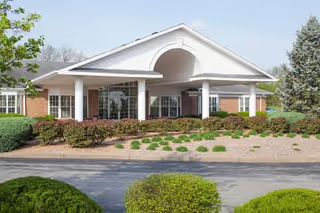
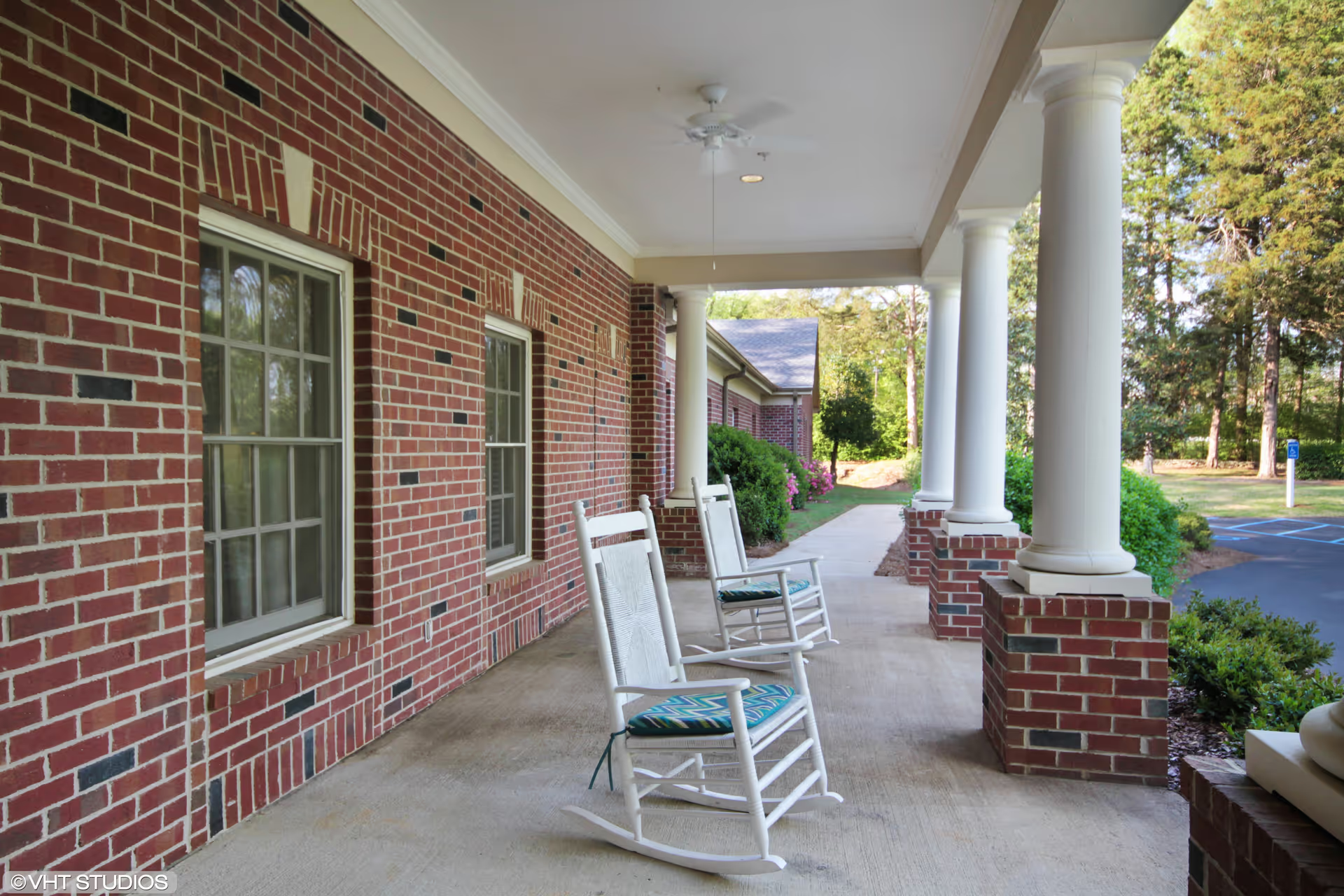
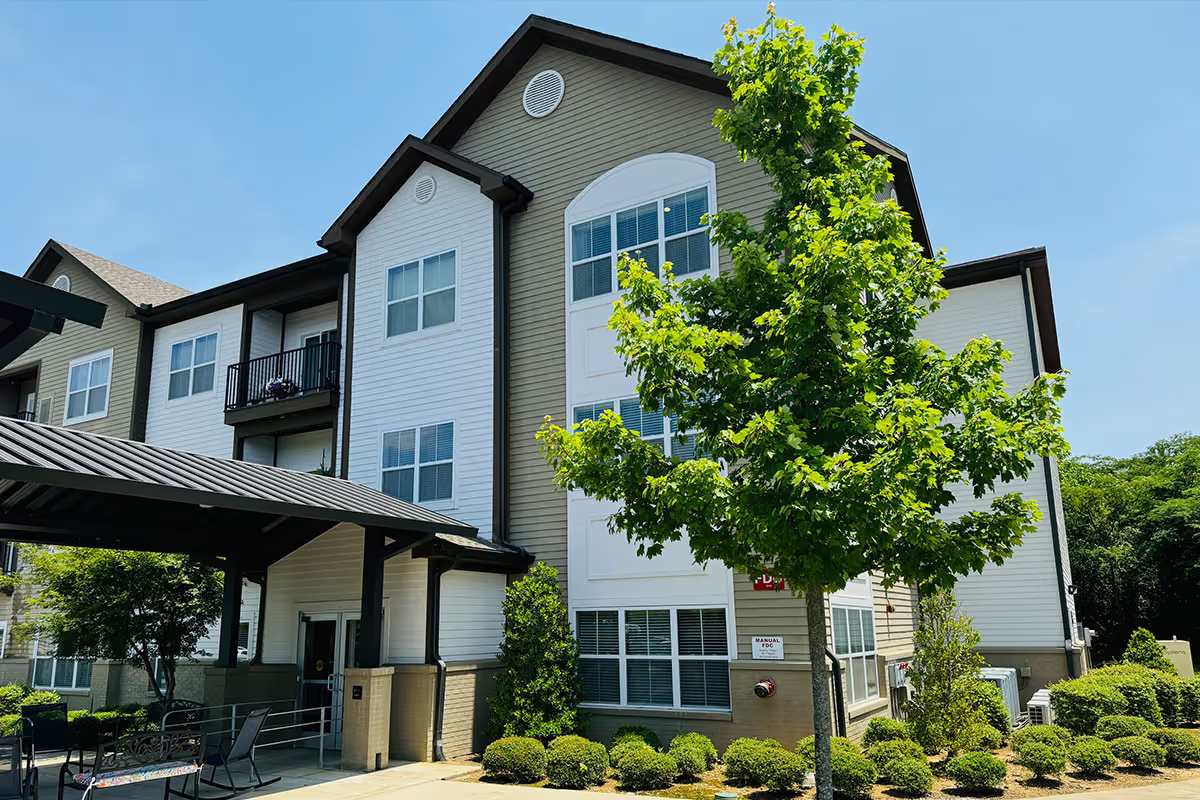
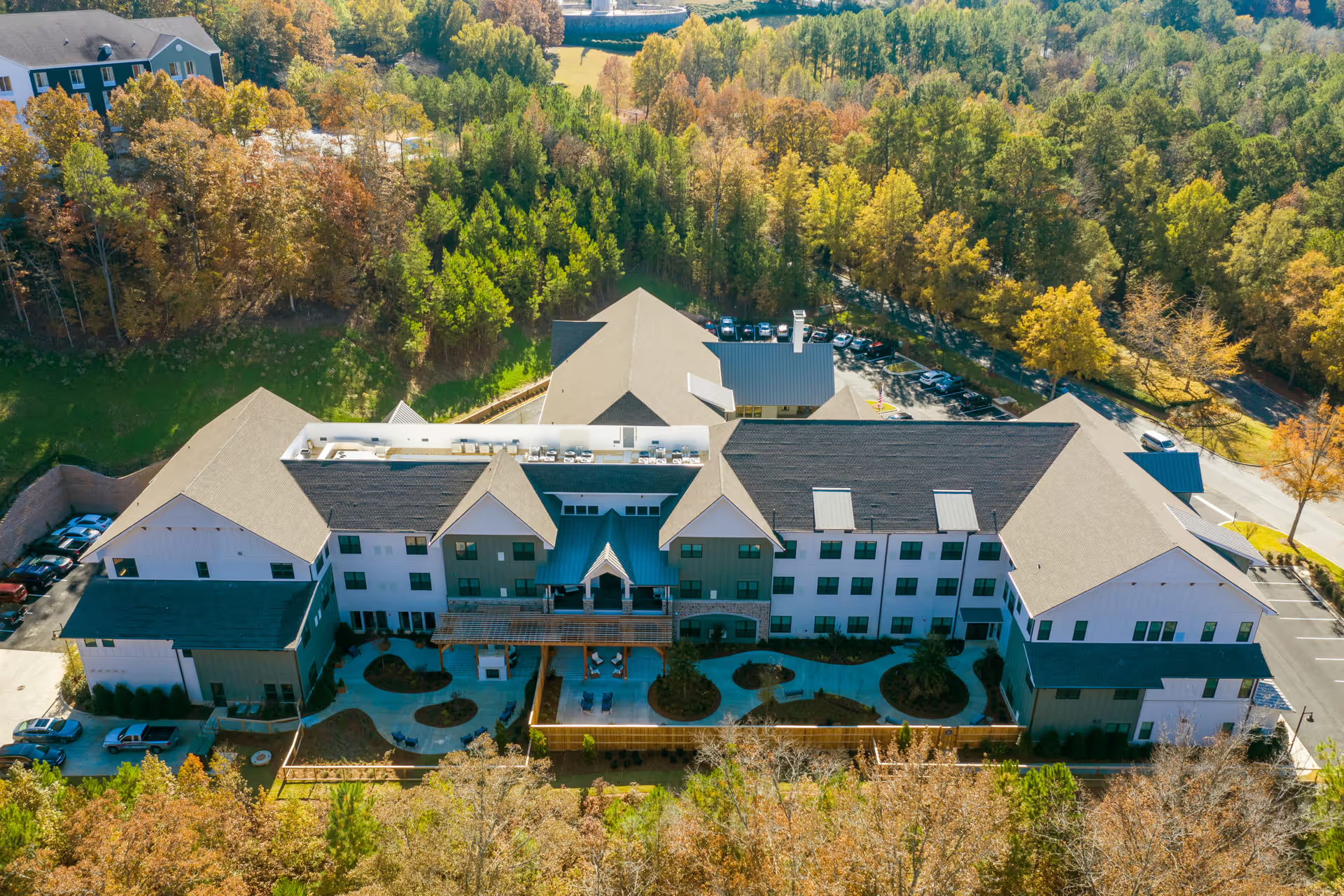
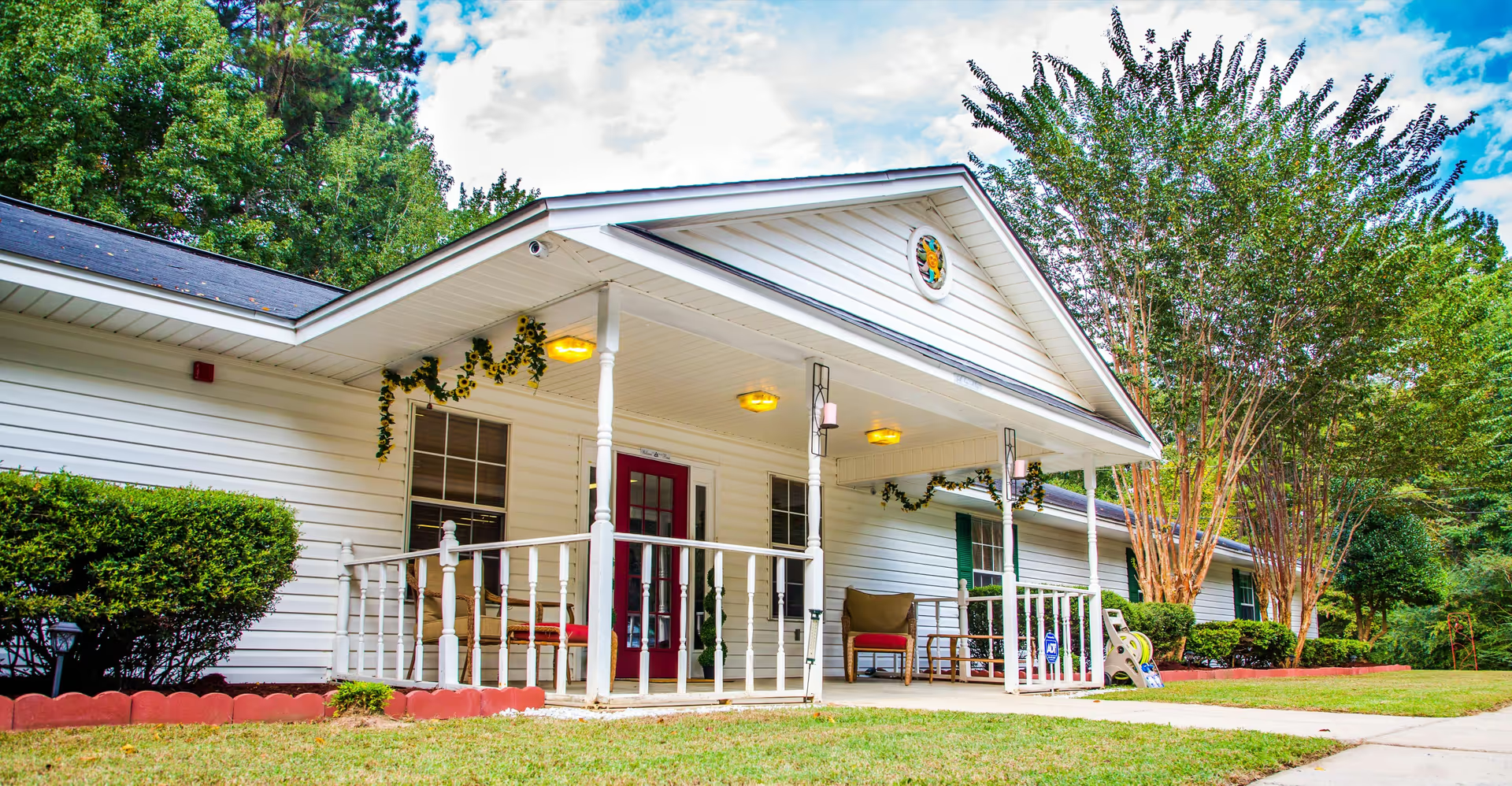
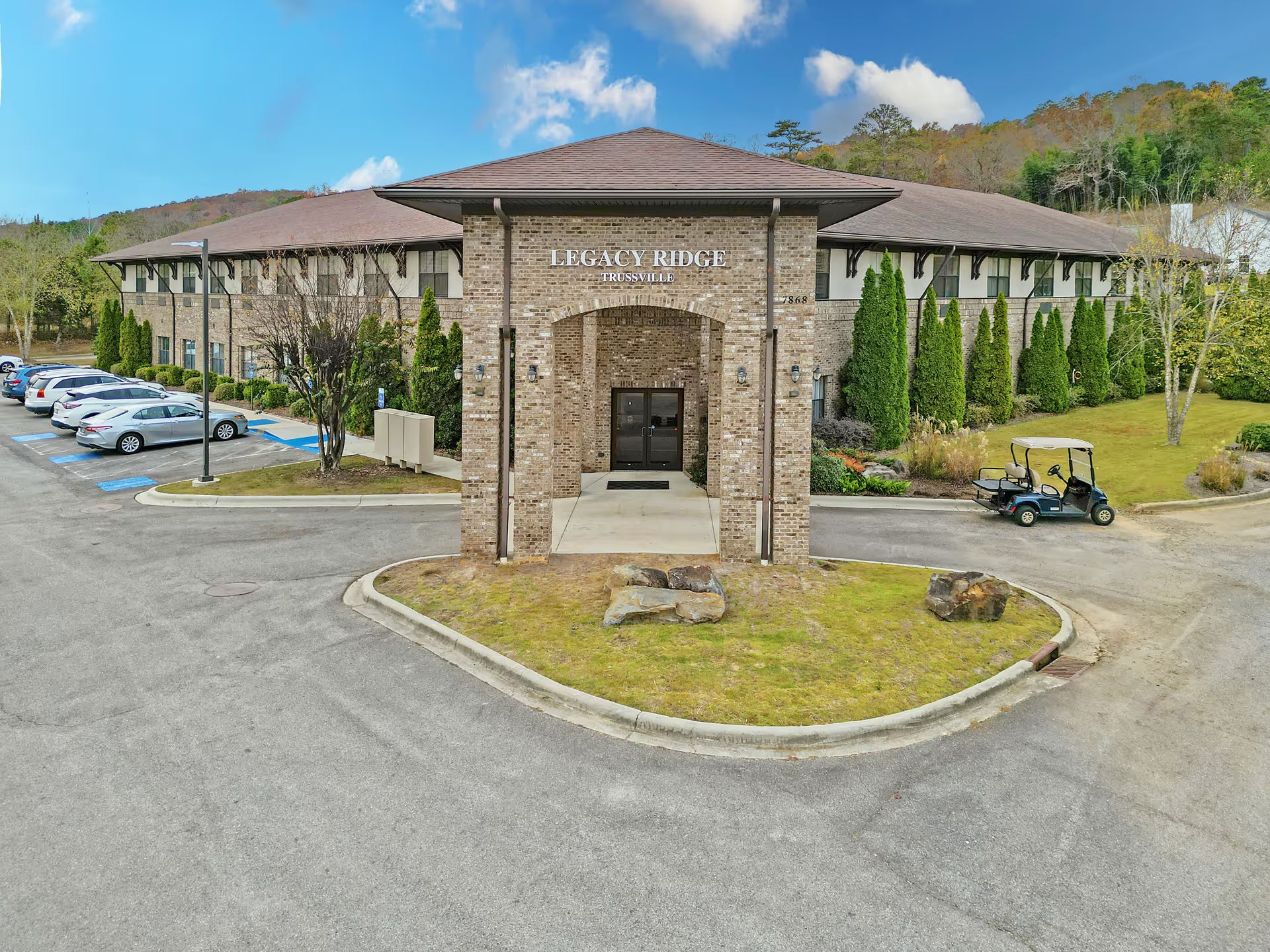
The available reviews for North Hill Nursing and Rehabilitation present a strongly mixed picture. Many accounts praise the facility's rehabilitation team, individual nurses and certified nursing assistants who provided attentive, compassionate care, and leadership that families found accessible and comforting. Positive commenters highlight a broad activities program (arts and crafts, bingo, outings, musical events), generally satisfactory dining with meal choices served in clean dining areas, attractive grounds, and the presence of volunteers who engage residents. Several families specifically named staff who they considered exceptional and described an overall pleasant campus atmosphere in those experiences.
At the same time, a recurrent set of operational concerns appears across reviews. Staffing levels and weekend coverage are frequently described as inconsistent, which reviewers link to delays in clinical response, missed or irregular personal care (including bathing and turning), and variability in wound and infection management. Medication-administration weaknesses and mix-ups are cited multiple times, as are lapses in monitoring higher-dependency residents and in responding to call signals. These patterns suggest uneven implementation of clinical protocols and supervision.
Facility condition and management are also described in divergent terms. Some reviewers describe clean, well-maintained rooms and grounds; others report sanitation and pest-control concerns, HVAC problems, dusty rooms, and episodic maintenance shortfalls. Property-management issues — missing personal items or mishandled belongings — and breakdowns in family communication and care coordination are additional themes. A subset of reviews raises serious clinical and end-of-life care concerns (including infection management and pressure-injury prevention) and notes shortcomings in how those events were communicated to families.
Taken together, the pattern is one of considerable variability: strong rehabilitation programming and several highly regarded staff coexist with operational weaknesses that can materially affect resident experience and clinical safety. Prospective residents and families should weigh the positive elements (therapy, activities, volunteer engagement, some compassionate staff and leadership) against the documented operational risks (staffing consistency, medication controls, monitoring of dependent residents, and communication practices). If considering placement, it would be prudent to verify staffing models for the unit of interest (including weekend coverage), review recent quality and inspection records, ask about medication and wound-care protocols, and arrange an in-person visit during different shifts to observe routines and speak with nursing leadership about specific care concerns.