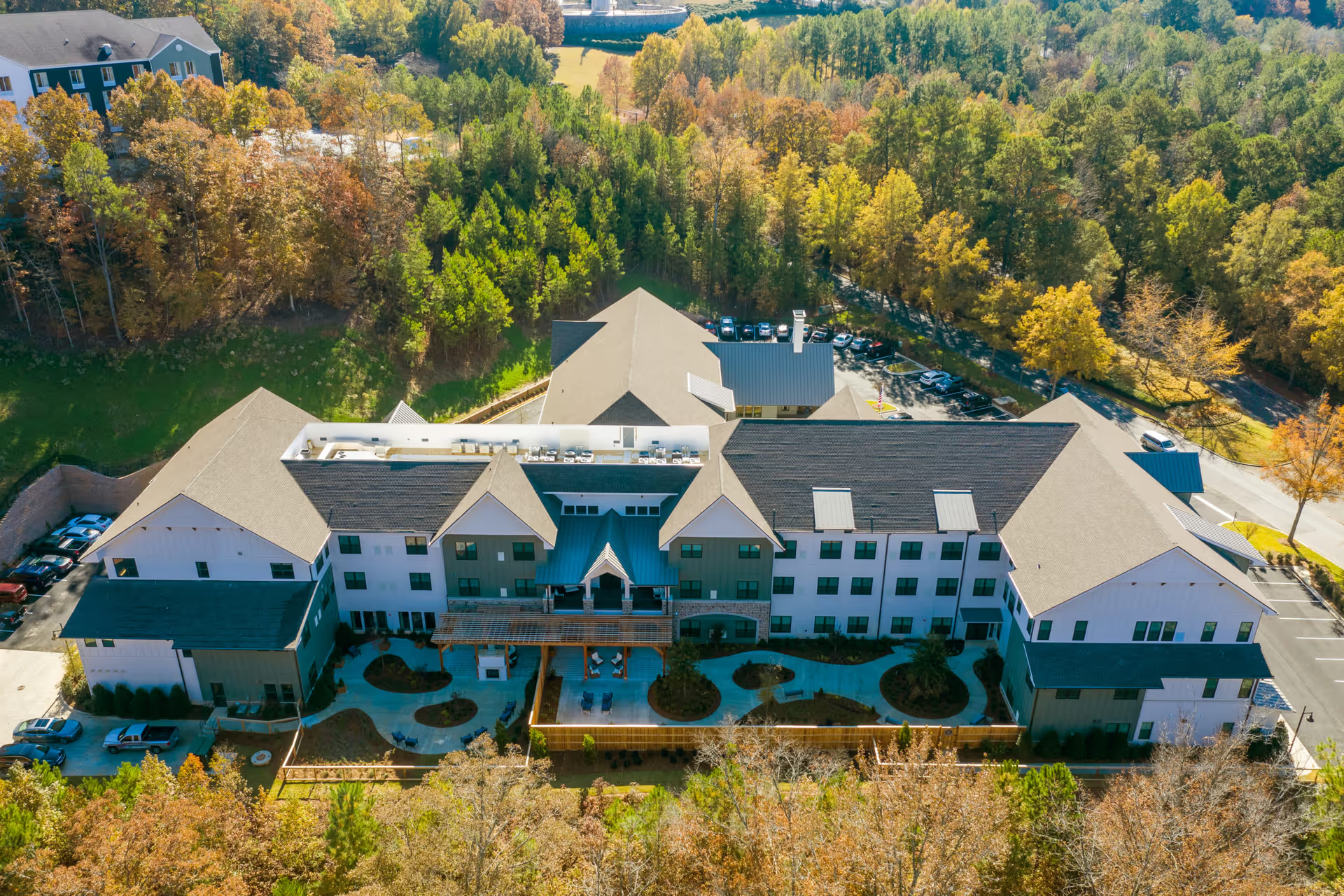
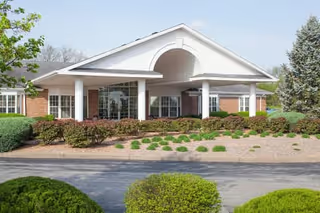
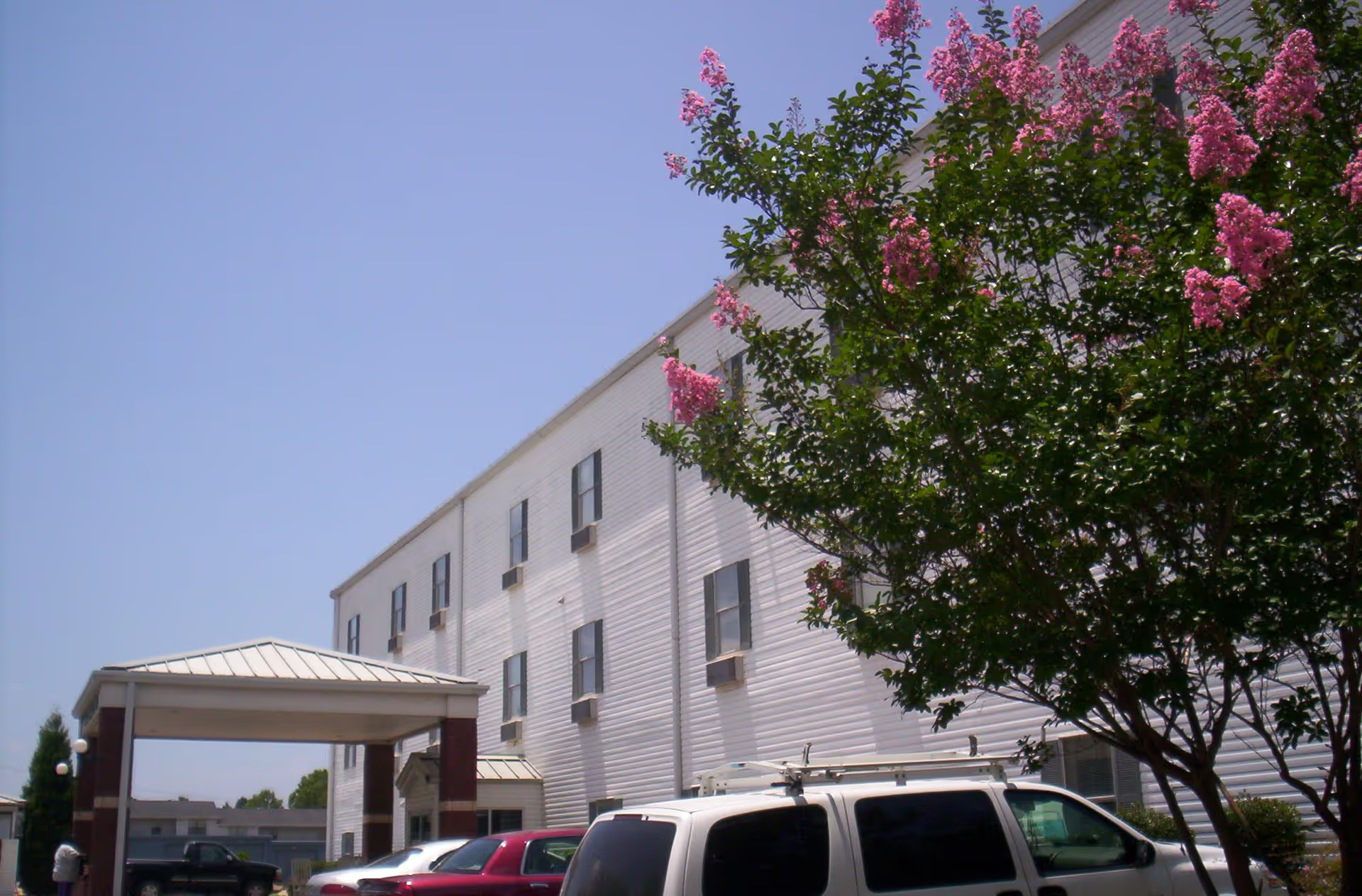
Reviews of Northway Health and Rehabilitation present a mixed picture with distinct strengths and recurring operational concerns. On the positive side, families frequently highlight a strong therapy department and a number of caregivers who deliver attentive, compassionate care. Therapeutic services — occupational, physical and speech therapy — are described as responsive and proactive, and activity programming (seasonal events, community-style gatherings and speciality presentations) is a noted strength that contributes to resident engagement. Several accounts also describe administration and the Director of Nursing as accessible and helpful, and many visitors note clean common areas and spacious rooms.
Care quality is uneven across accounts. While some families report a family-like atmosphere and excellent bedside care, other accounts identify inconsistent responsiveness to call lights, delays in attending to residents, and limited nurse availability at times. Medication supply interruptions and gaps in medication management were described, as were instances of delayed or difficult clinical communication. For residents with cognitive impairment, especially those who wander or need closer supervision, reviewers raised safety and supervision concerns that suggest staffing levels and monitoring practices do not always match resident acuity.
Dining and daily-care issues appear inconsistent. Several reviewers raised difficulties with mealtime accommodations for residents who have chewing or dentition limitations, and there are comments about perceived value relative to cost. Environmental and facility maintenance is another mixed area: many families praise cleanliness and a well-kept exterior, yet others describe maintenance lapses (floor damage, HVAC/temperature problems) and pest-control concerns in parts of the building. These contrasts indicate variability in facility upkeep across units or shifts.
Staff conduct and family communication show polarization. Positive reports describe compassionate, communicative staff who keep families informed; negative reports describe rough or insensitive communication tone and staff distraction attributed to personal-device use. There are also concerns about the security and tracking of resident possessions, including missing clothing and personal items, which points to weaknesses in property-management processes. Finally, some families cited inconsistent admission/readmission and discharge practices, including difficult readmission decisions, which contributed to family distress and involvement of external advocates (e.g., Ombudsman).
Overall, the pattern is one of pronounced variability: clear strengths in therapy, some dedicated caregiving staff, and engaging activities, paired with operational weaknesses in staffing consistency, supervision, medication and possessions management, and certain maintenance functions. Prospective residents and families should weigh the facility’s strong rehabilitative services and active programming against these operational risks, and consider asking facility leadership specific questions about staffing ratios, supervision protocols for cognitively impaired residents, medication-supply safeguards, property-tracking procedures, HVAC/pest-control routines, and policies governing discharge/readmission before placement.