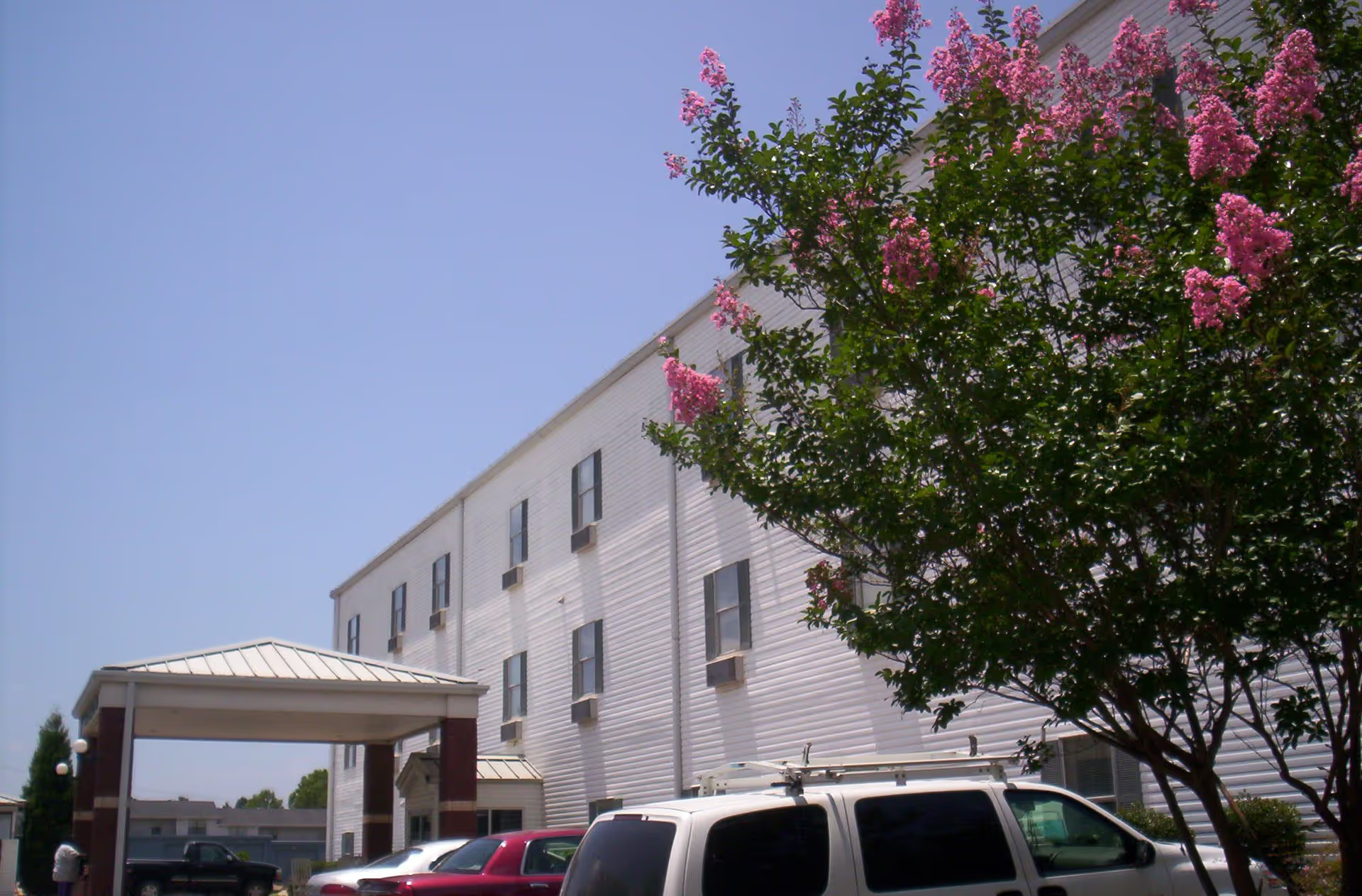
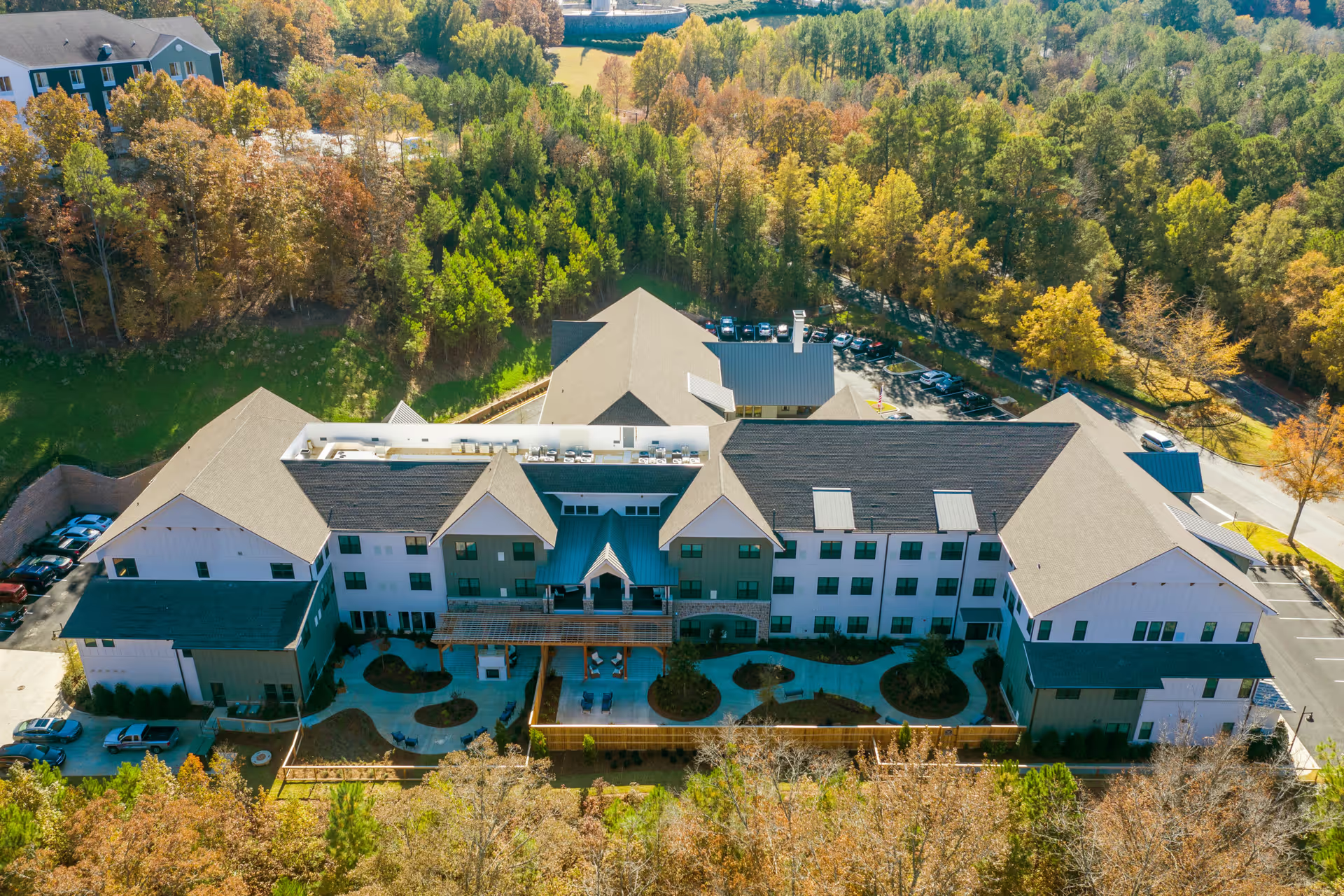
The set of reviews presents a mixed and polarized picture of Oak Knoll Health and Rehabilitation. Several reviewers praise the facility's rehabilitation outcomes and individual caregivers—physical therapists are credited with measurable mobility improvements and some staff members are described as professional and empathetic. At the same time, there is a consistent cluster of operational concerns that families cite when evaluating care quality and daily life for residents.
Care quality issues center on responsiveness and clinical follow-up. Multiple accounts indicate delays in attending to resident requests and incontinence-care, and reviewers describe delays in wound care and other clinical responses; these patterns suggest gaps in shift coverage, triage workflow, or clinical incident protocols rather than isolated events. Medication and supply management problems are also mentioned, which may affect continuity of care and should be verified by prospective families.
Staff behavior and staffing levels are a recurrent theme. Reviewers describe both helpful, friendly caregivers and incidents of unprofessional or discourteous conduct, including concerns at intake/front-desk interactions. Staffing shortages and turnover are frequently invoked as underlying contributors to slow response times, inconsistent service, and variability in staff professionalism; some reviews also note new administration and newly hired staff aimed at improving operations.
Dining, activities, and programming receive critical remarks. There are complaints about meal quality, interruptions to meal service, and occasional unavailability of meals. Social programming is characterized as limited and repetitive, with minimal off-site or varied activities and understated décor that some families find unstimulating for residents.
Facility environment and logistics reveal additional operational weaknesses. Reviewers cite cleanliness issues, odor concerns in common and resident areas, and pest-control concerns; small room sizes and aging equipment are also noted. Visitor amenities and access appear constrained in some accounts because of limited seating and after-hours door locks. Infection-control practices and handling of prior infection waves are mentioned as inconsistent by reviewers.
Management and communication patterns are mixed. Several families describe poor communication and slow or unresponsive onboarding processes, while others acknowledge visible efforts by new leadership to address problems and express cautious optimism about improvements. A number of reviewers express strong dissatisfaction and have removed loved ones; conversely, some single-case positives—helpful placement assistance and successful short-term therapy—are also present. Overall, the reviews point to operational instability tied to staffing, sanitation, clinical-response systems, and family communication, with early signals that leadership changes are attempting corrective action. Prospective residents and families should verify current staffing levels, clinical protocols (wound care, medication management, infection control), and recent inspection or quality reports and schedule an in-person visit to assess present conditions and progress under new administration.