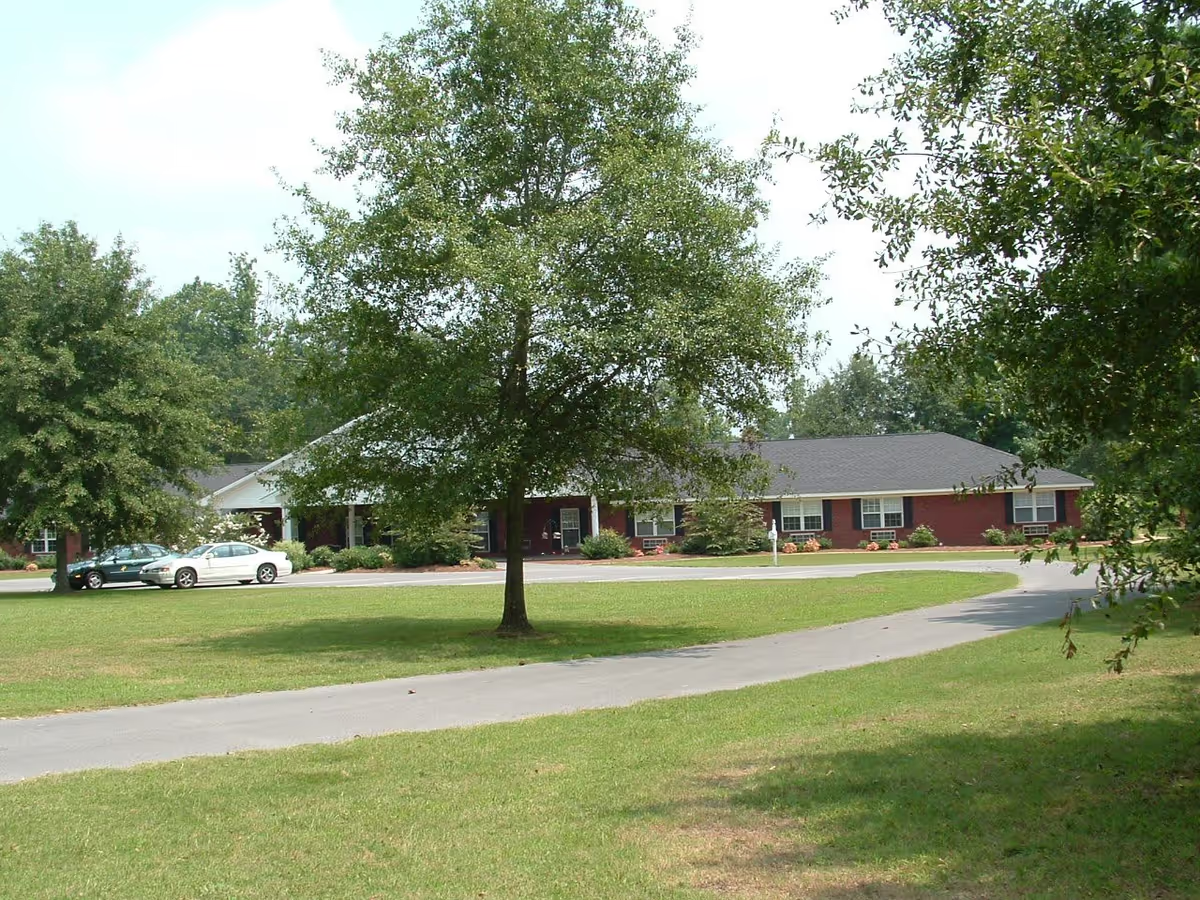
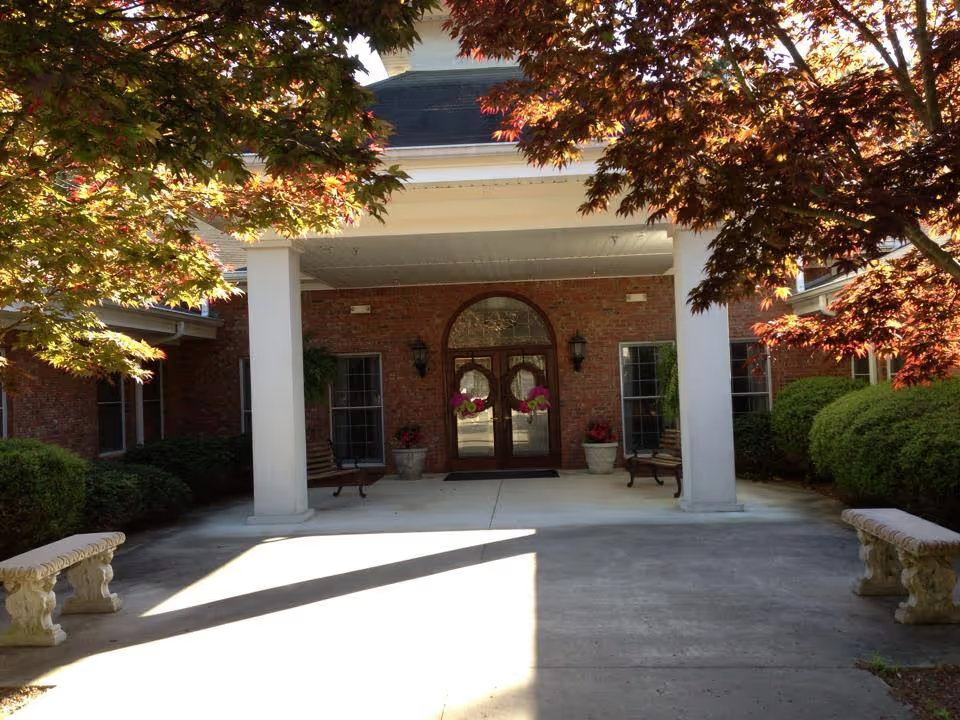
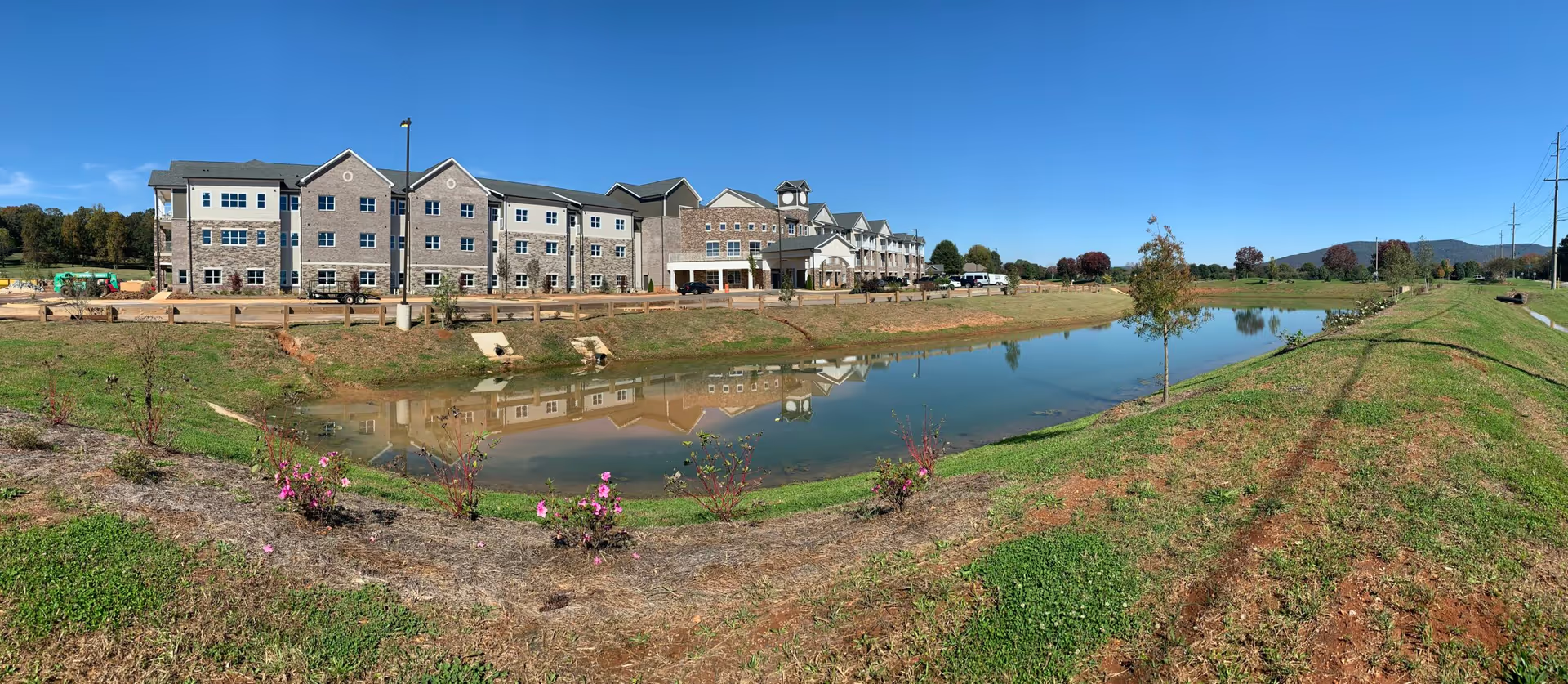
The reviews describe a facility with a highly polarized reputation: many families praise individual caregivers, therapy staff, and the warm, home-like culture, while others raise substantial operational concerns. Strengths commonly cited include compassionate and dedicated direct-care staff, a capable rehabilitation/therapy team that supports measurable progress, proximity to hospital-level services, an active activities program, and instances of clean, welcoming units. Several reviewers emphasized that select staff go above and beyond and that residents can experience attentive, family-focused care.
However, recurrent operational weaknesses were described across multiple reviews. Staffing inconsistencies and perceived understaffing are a dominant theme and are linked to slow responses to call lights, delayed assistance with activities of daily living, inconsistent bathing and personal-care schedules, and extended waits for basic needs. Reviewers also raised concerns about medication management and security, including delayed or incorrect medication administration and at least one serious allegation involving medication handling; these issues suggest gaps in clinical oversight and pharmacy controls that would warrant verification.
Safety and monitoring are another area of concern. Several accounts point to weaknesses in fall-prevention and resident-monitoring practices, with examples indicating inadequate supervision and accessibility of alarms or call devices. Facility condition and layout issues—small, outdated rooms, limited space for visitors, and a sense of overcrowding—compound operational strain when staffing is limited. Sanitation and odor concerns were described in specific areas, and some families noted inconsistent housekeeping or care practices.
Dining and nourishment receive mixed comments: some families appreciate flexible meal options, while others report cold meals and difficulties with food texture that affect residents who have dental or chewing needs. Rehabilitation services are frequently cited as a strength, but there are also comments about therapy resources being underutilized or inconsistently delivered.
Communication and management patterns are notable. Families describe effective, caring communication from individual staff members, yet there are also frequent complaints about phone responsiveness, lack of follow-up after online inquiries, and perceived declines in oversight following management or ownership changes. Taken together, the pattern suggests that positive resident experiences are often driven by committed front-line staff, while facility-level systems — staffing models, clinical oversight, communication processes, and physical capacity — show variability and, in several accounts, meaningful shortcomings.
For prospective residents and families: this facility may provide excellent, person-centered care when staffing and individual team members align, and its therapy capability and proximity to medical services are clear strengths. At the same time, prospective families should investigate current staffing ratios, medication-administration policies and safeguards, fall-prevention protocols, cleanliness practices in specific units, and how the facility handles family communication and intake follow-up. Verifying these operational elements in person and asking about recent regulatory history or corrective actions will help clarify whether the facility’s strengths are consistently realized at this time.