The reviews present a mixed but clear pattern: many families and residents praise the facility’s direct caregivers and clinical teams, while others identify operational and management weaknesses that affect the overall experience. Positive commentary centers on the quality of hands-on care, the welcoming atmosphere, and successful clinical outcomes for short-term rehab and hospice coordination. At the same time, there are recurring operational complaints about cleanliness, maintenance, laundry, and communication that prospective families should consider.
Care and staff: A dominant theme is consistent praise for CNAs, nurses, and specific caregivers who are described as compassionate, attentive, and engaged. Several reviews single out individual staff members for exceptional, above-and-beyond care and note good communication with families. Short-term rehab stays and respite care are often characterized as effective. Counterbalancing those strengths are reports indicating inconsistent staff professionalism and lapses in responsiveness; these suggest variability across shifts or individual caregivers and indicate a need to verify staff training, supervision, and continuity of care.
Dining: Feedback on meals is polarized. Multiple reviewers report satisfactory or well-liked meal service, while others cite unacceptable dining experiences. This points to inconsistency in food quality or meal-service continuity rather than a uniformly positive or negative dining program. Families may want to review menus, sample meals, and ask about dietary accommodations during a visit.
Activities: Activity programming is frequently noted as a positive element. Reviewers describe engaging social activities and an environment in which residents are able to participate and thrive. These comments suggest an active recreation schedule and staff who prioritize social engagement.
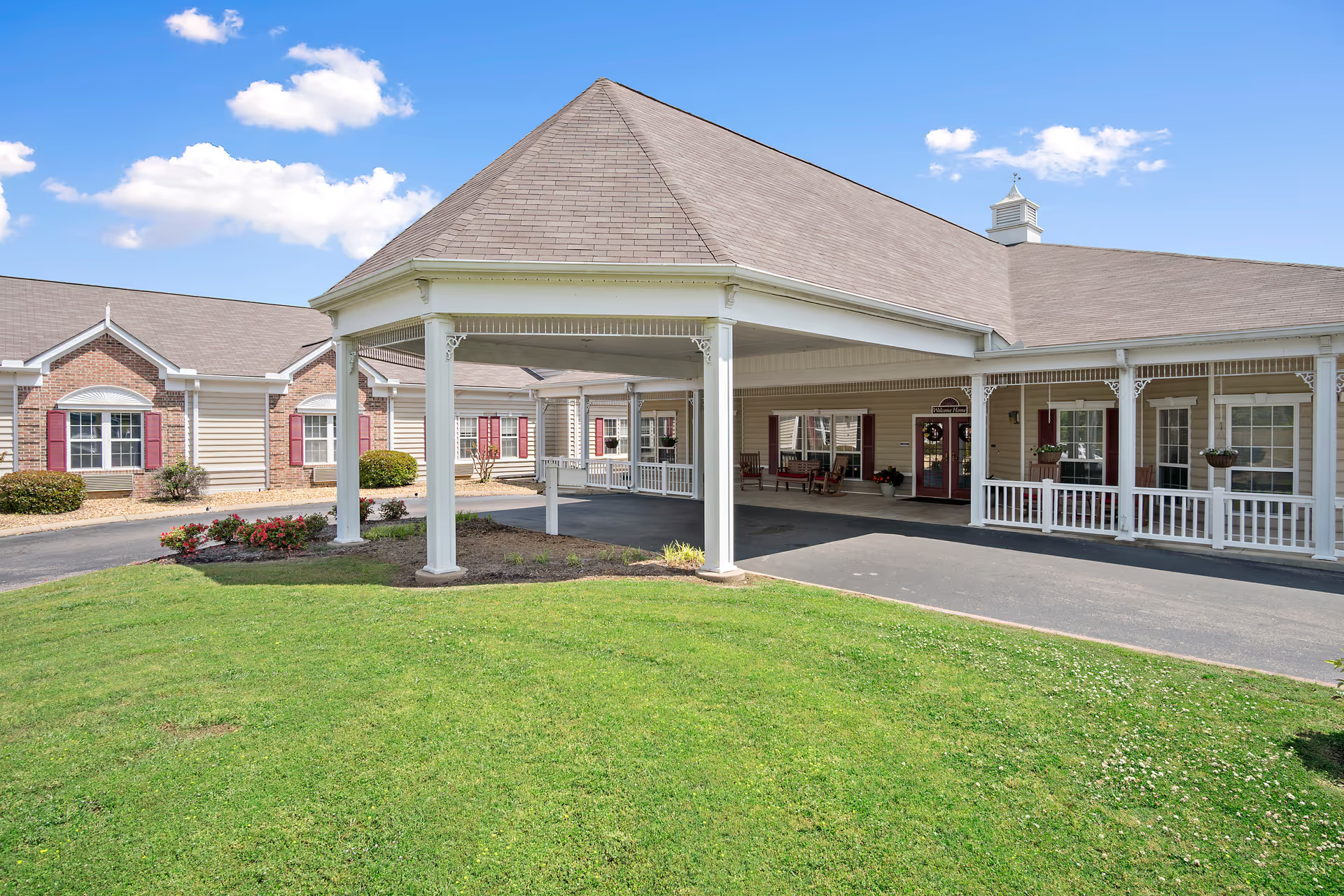
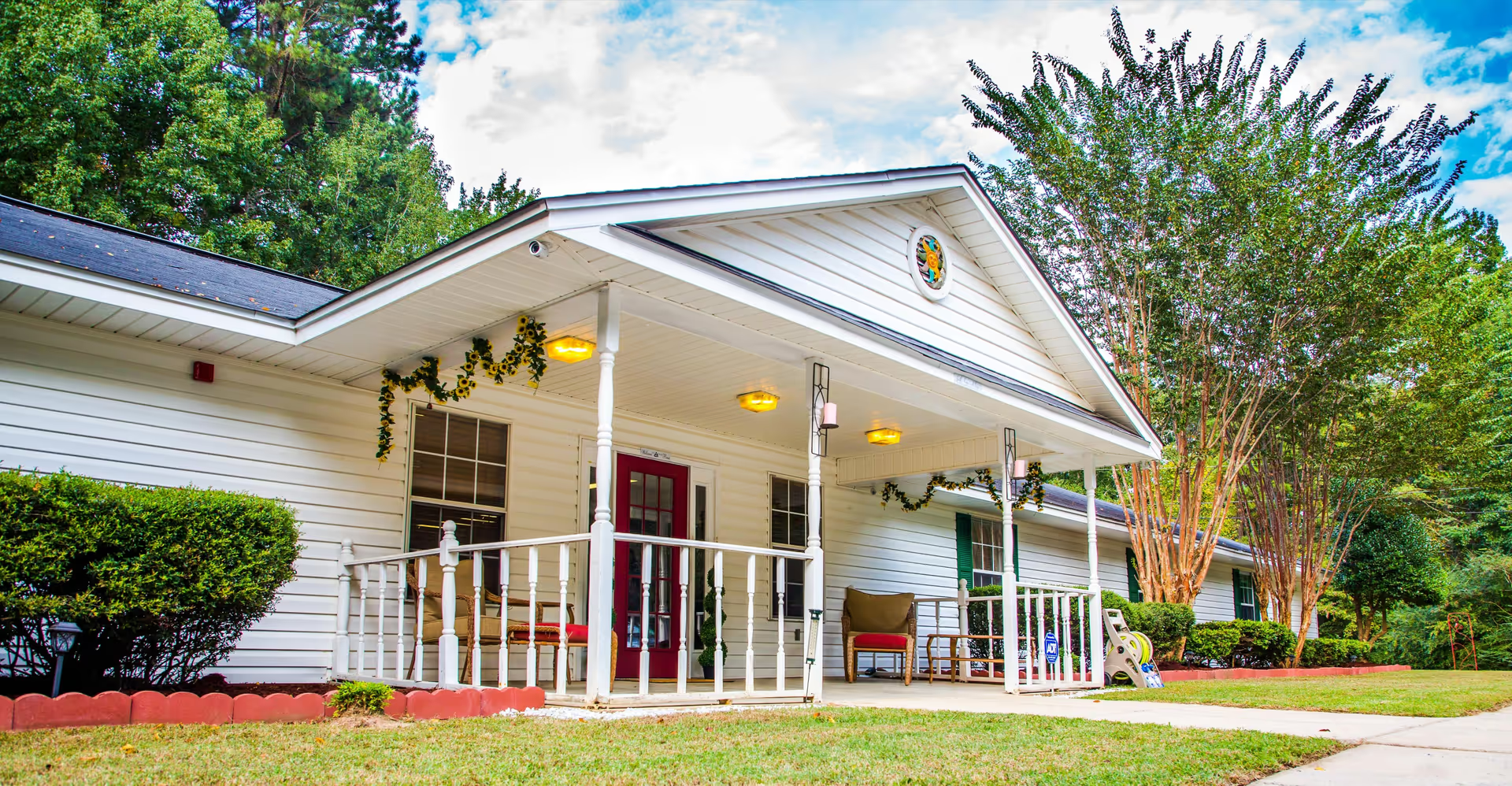
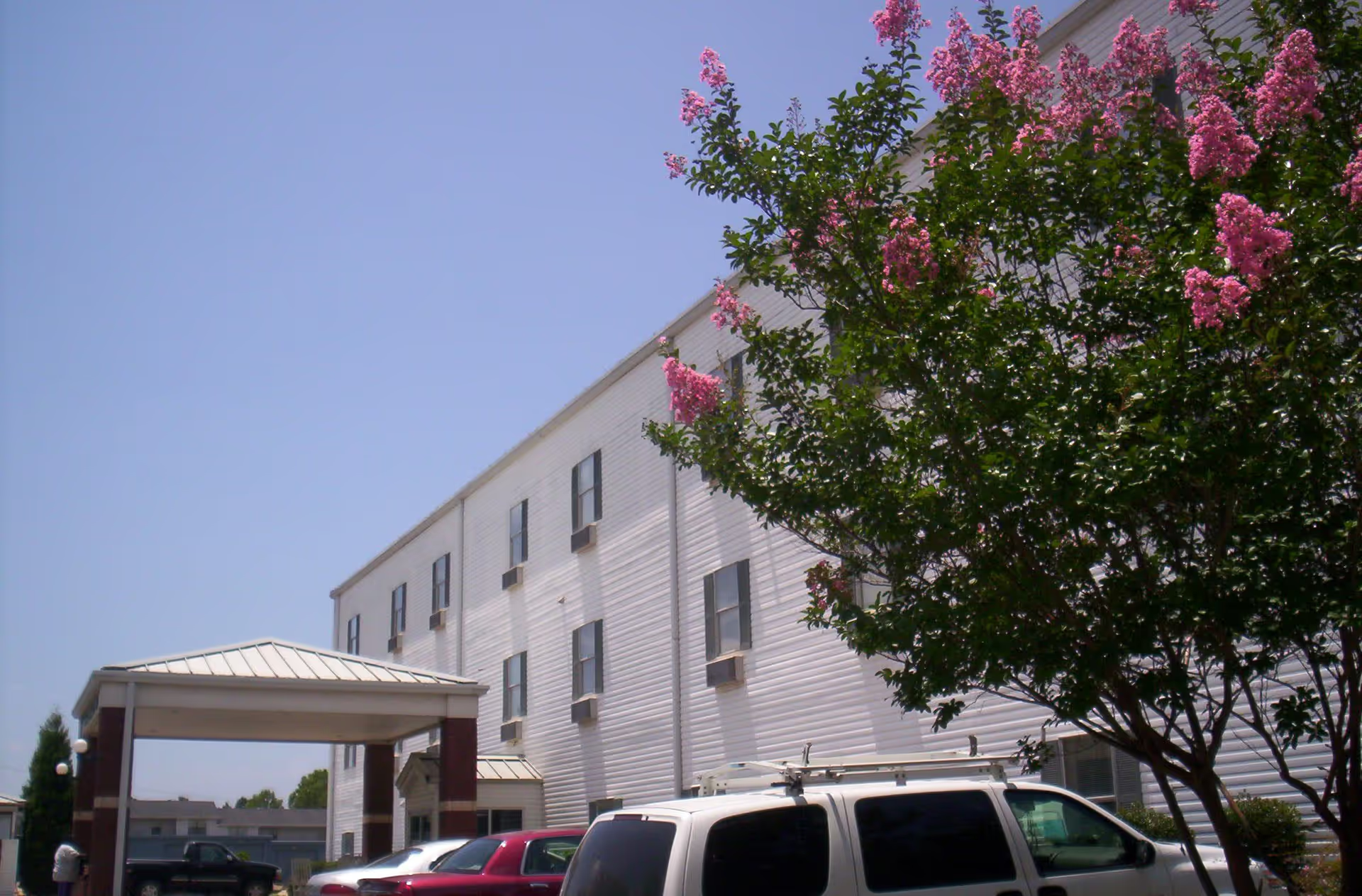
Facilities and housekeeping: Comments about the physical plant are mixed. Many reviewers describe clean rooms and orderly common areas, yet there are also sanitation and odor concerns in certain areas and mention of older, outdated rooms with maintenance issues and items not promptly repaired. Laundry and linen handling is another recurring operational weakness. Together these items indicate generally acceptable cleaning standards in some parts of the building but uneven execution and maintenance challenges in others.
Management and operations: Several reviewers identified gaps in communication and responsiveness from management and administration, and described budget constraints affecting housekeeping supplies and operations. These operational constraints are reflected in laundry problems, maintenance backlogs, and perceived inconsistencies in staffing and training. Cost was raised as a concern relative to perceived value. Prospective families should ask about staffing ratios, staff training programs, maintenance schedules, laundry processes, and how management addresses family concerns.
Notable patterns and recommendations: The strongest, consistent positive is the caregiving staff and the relationships they form with residents; the most consistent negatives are operational — sanitation/odor issues in pockets of the facility, laundry and housekeeping logistics, facility maintenance, and variable staff conduct. Given the variability in experiences, an in-person tour, meal sampling, direct conversations with nursing leadership, and questions about incident response, staff training, and maintenance processes are advisable to assess whether the facility’s strengths align with an individual resident’s priorities.