Crossville Health and Rehabilitation is characterized by a consistent emphasis on person-centered caregiving and rehabilitation. Reviewers most commonly praise the nursing staff, CNAs, and therapy teams for compassionate, patient-focused care and for producing good short-term rehab outcomes. Several families specifically highlighted knowledgeable therapists, attentive nursing, and confident rehabilitation planning, suggesting the facility is capable of supporting both short-term post-acute recovery and longer-term care needs.
Staffing and management are frequent strengths. Multiple commenters described a warm, family-oriented culture supported by visible leadership — administrators, the director of nursing, social workers, and admissions staff received positive mention for accessibility and responsiveness. Front-desk and admissions interactions were described as welcoming, and the social-work function was noted as a helpful resource for families. These elements combine with cross-departmental teamwork to create an environment many families felt was safe and well supervised.
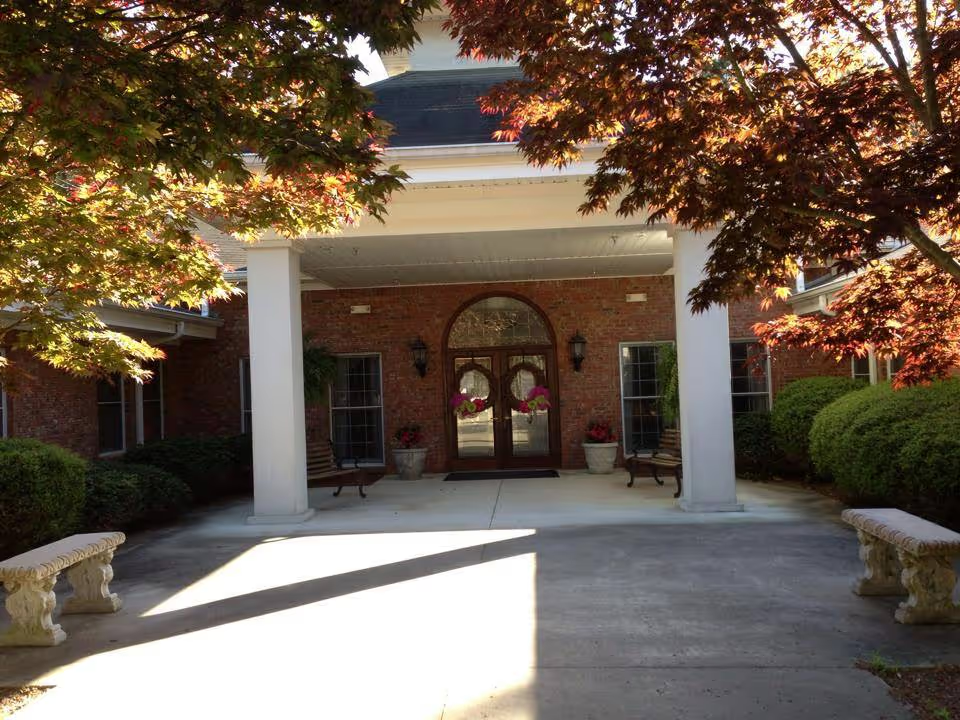
Operational aspects such as cleanliness, decor, and food service are generally viewed positively. The building appears renovated in parts, with reviewers noting clean common areas, well-groomed residents, and pleasant décor. Dietary staff and housekeeping were repeatedly praised; several family members called out the quality and attentiveness of kitchen and environmental services. The activity program is active and varied, with music, bingo, and singing groups cited as regular engagement options that contribute to a homelike atmosphere and resident socialization.
Notwithstanding the many positive comments, there are recurring operational concerns families should consider. Communication with families is uneven: reviewers mentioned gaps in updates and coordination that affected satisfaction. A limited number of critiques point to inconsistent staff conduct — examples ranged from inattentive behavior to unprofessional interactions — indicating variability in bedside manners or frontline performance. There were also specific concerns about ancillary-care coordination, notably dental care, which suggests families should confirm how specialty and preventive services are arranged. Room configuration and availability may pose limitations for some residents; small or shared rooms were described, so privacy preferences and room-size requirements warrant direct inquiry. Finally, a few accounts described episodes implying delayed responsiveness to daily or clinical needs; while these appear to be isolated relative to the overall positive comments, they suggest monitoring staffing continuity and response protocols during evaluations.
In summary, Crossville Health and Rehabilitation presents as a largely well-run facility with strengths in caregiving culture, rehabilitation services, cleanliness, and activities. Leadership presence and interdisciplinary teamwork are positive attributes families repeatedly cited. Prospective residents and their families would be well advised to confirm specifics during a visit: ask about private-room availability, typical staffing levels and shift coverage, processes for family communication and incident notification, and how ancillary services (dental, specialist appointments) are coordinated. For those who prioritize a compassionate staff, active programming, and an environment described as clean and family-oriented, this facility aligns with those priorities; for those with strong preferences for private-room space or intensive ancillary care coordination, additional due diligence is recommended.