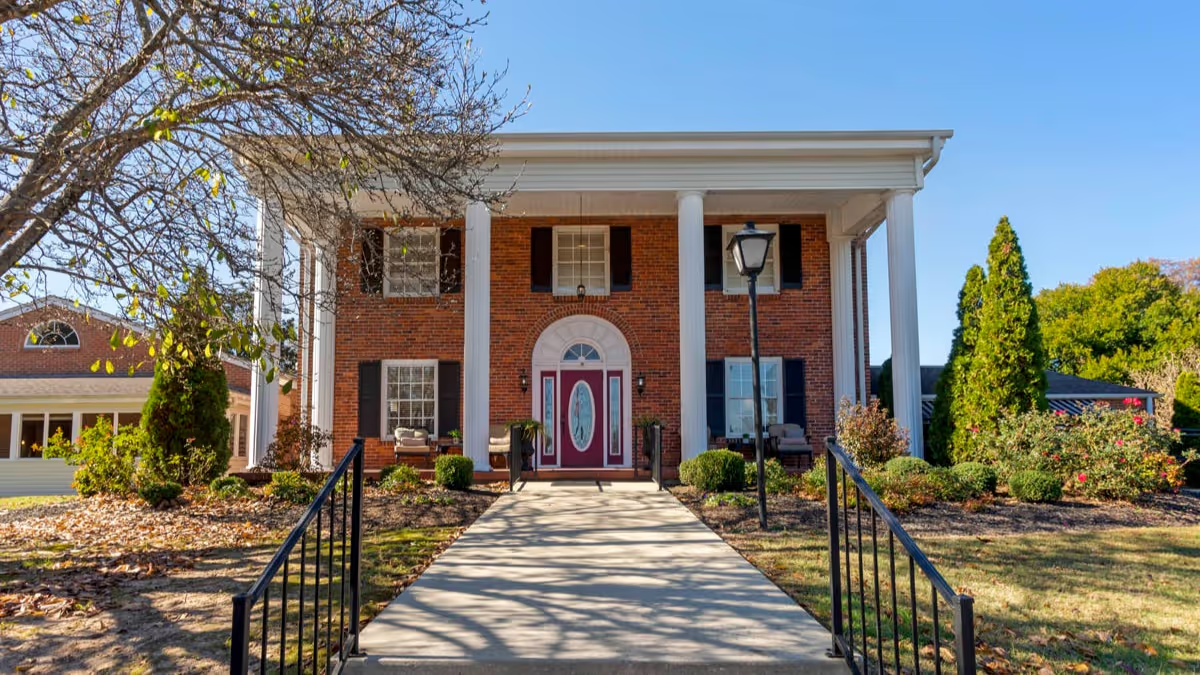
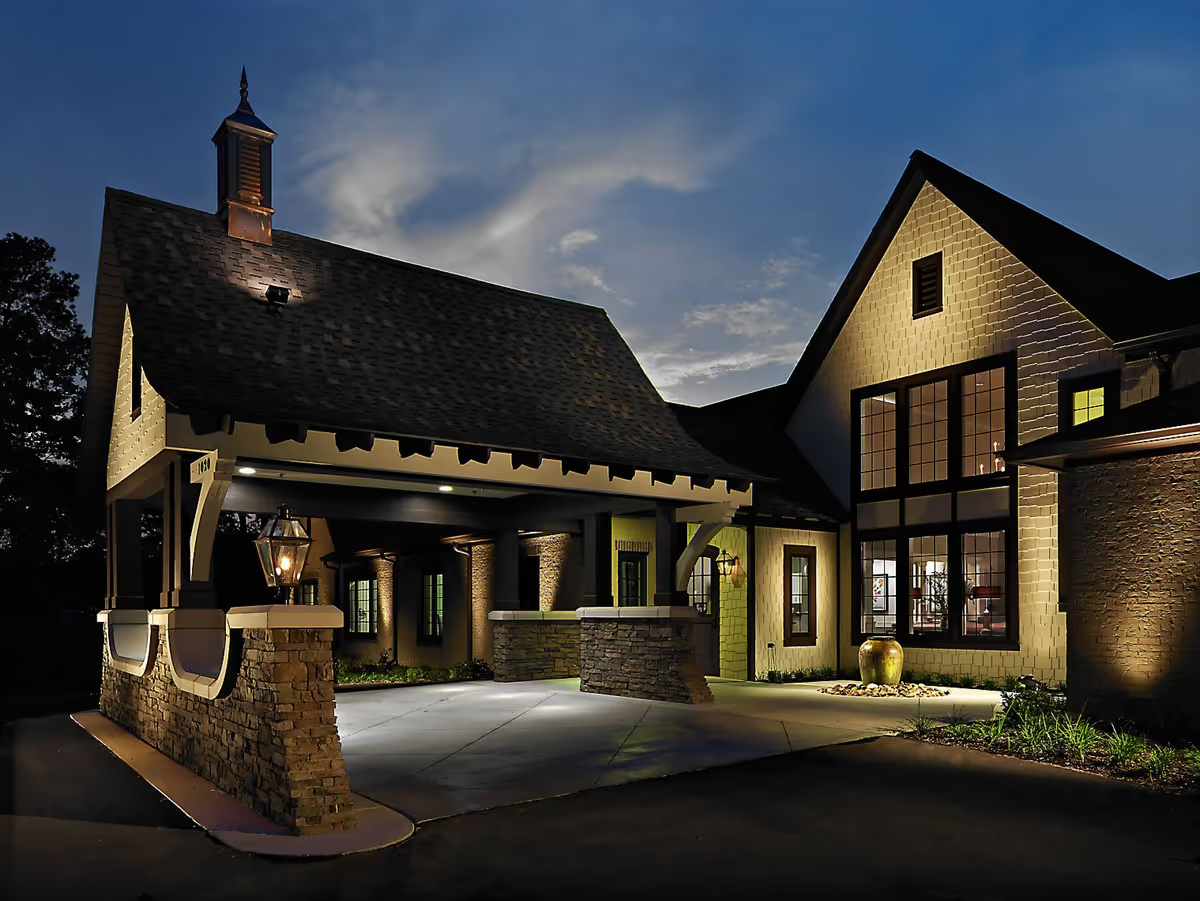
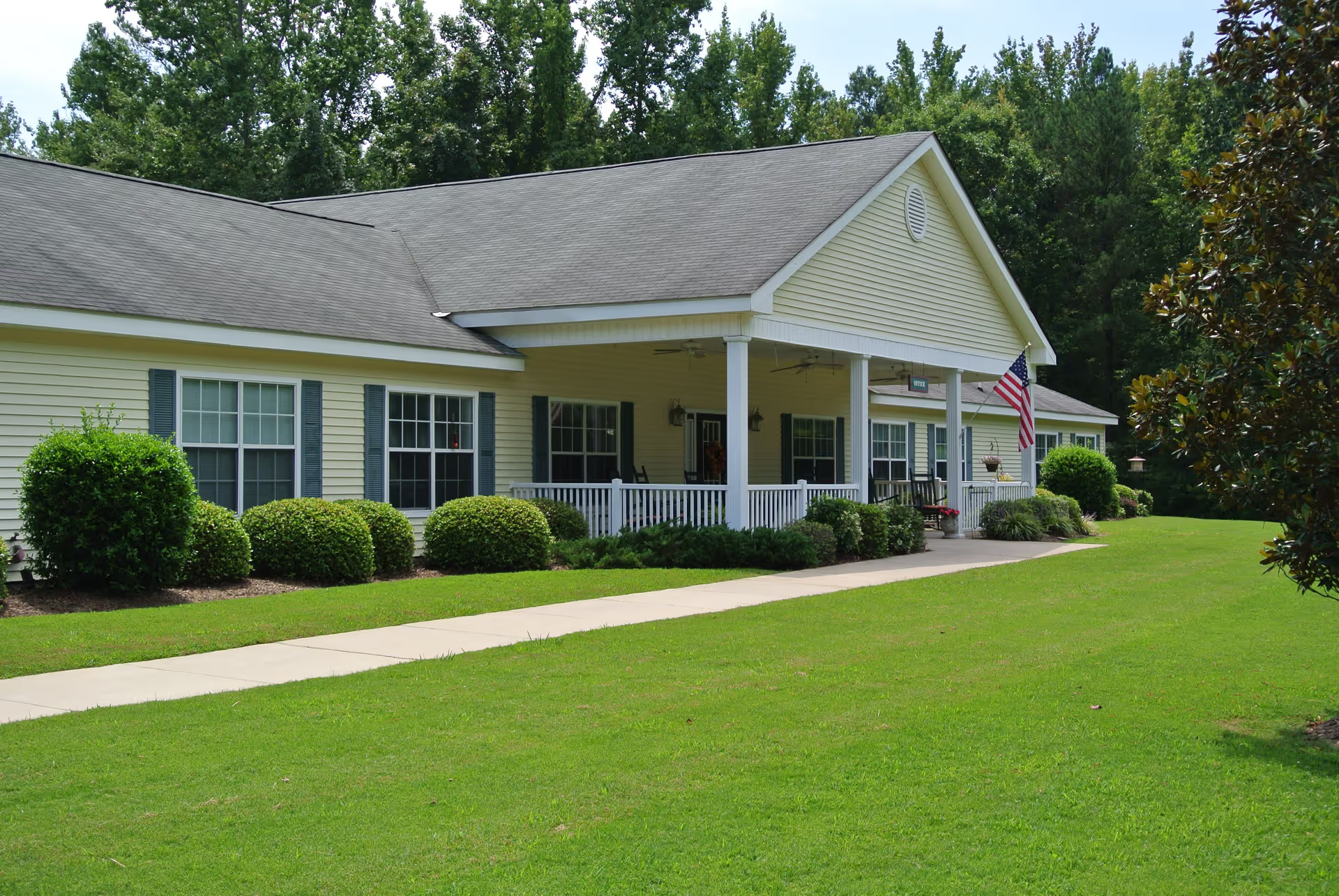
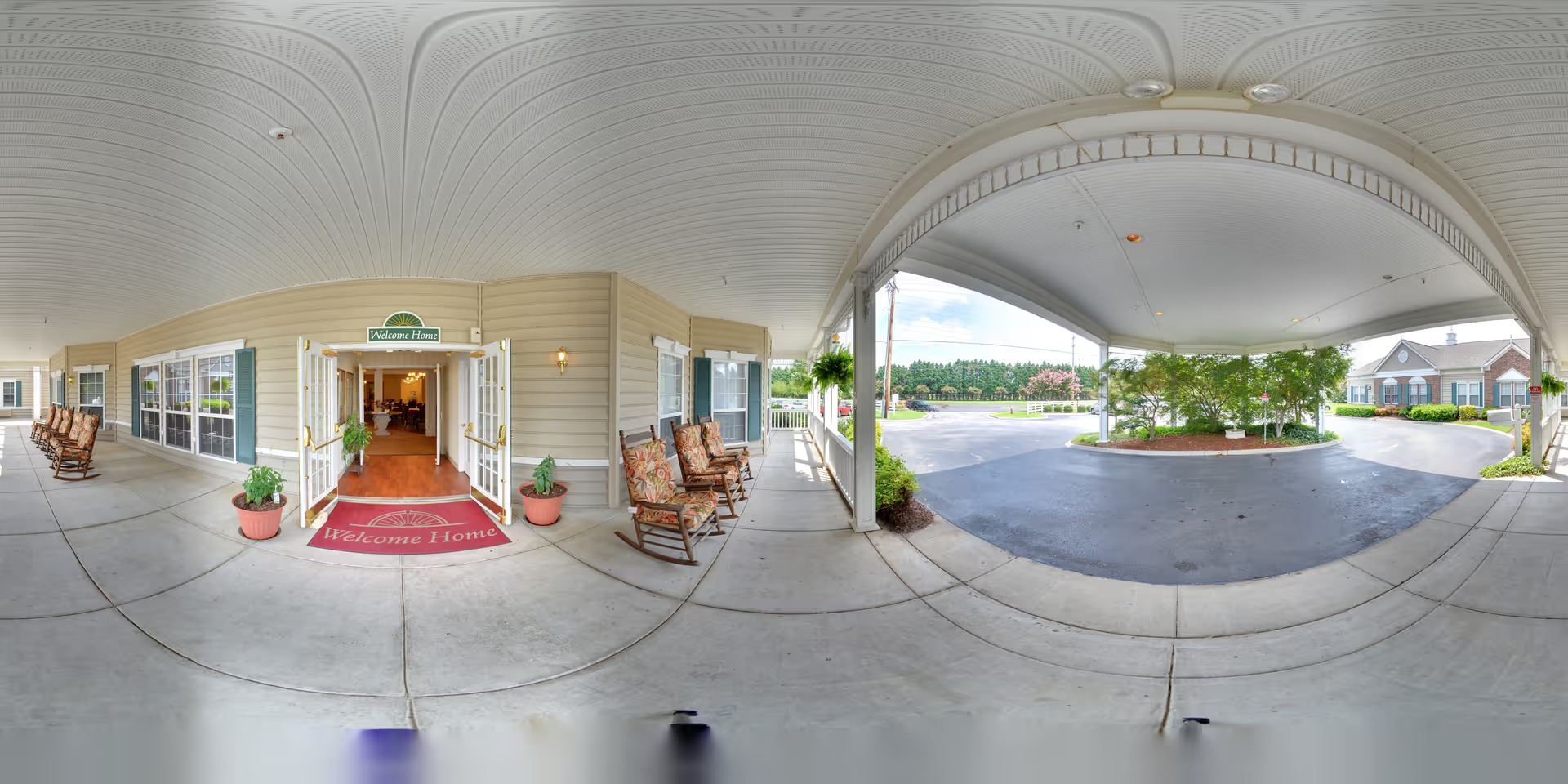
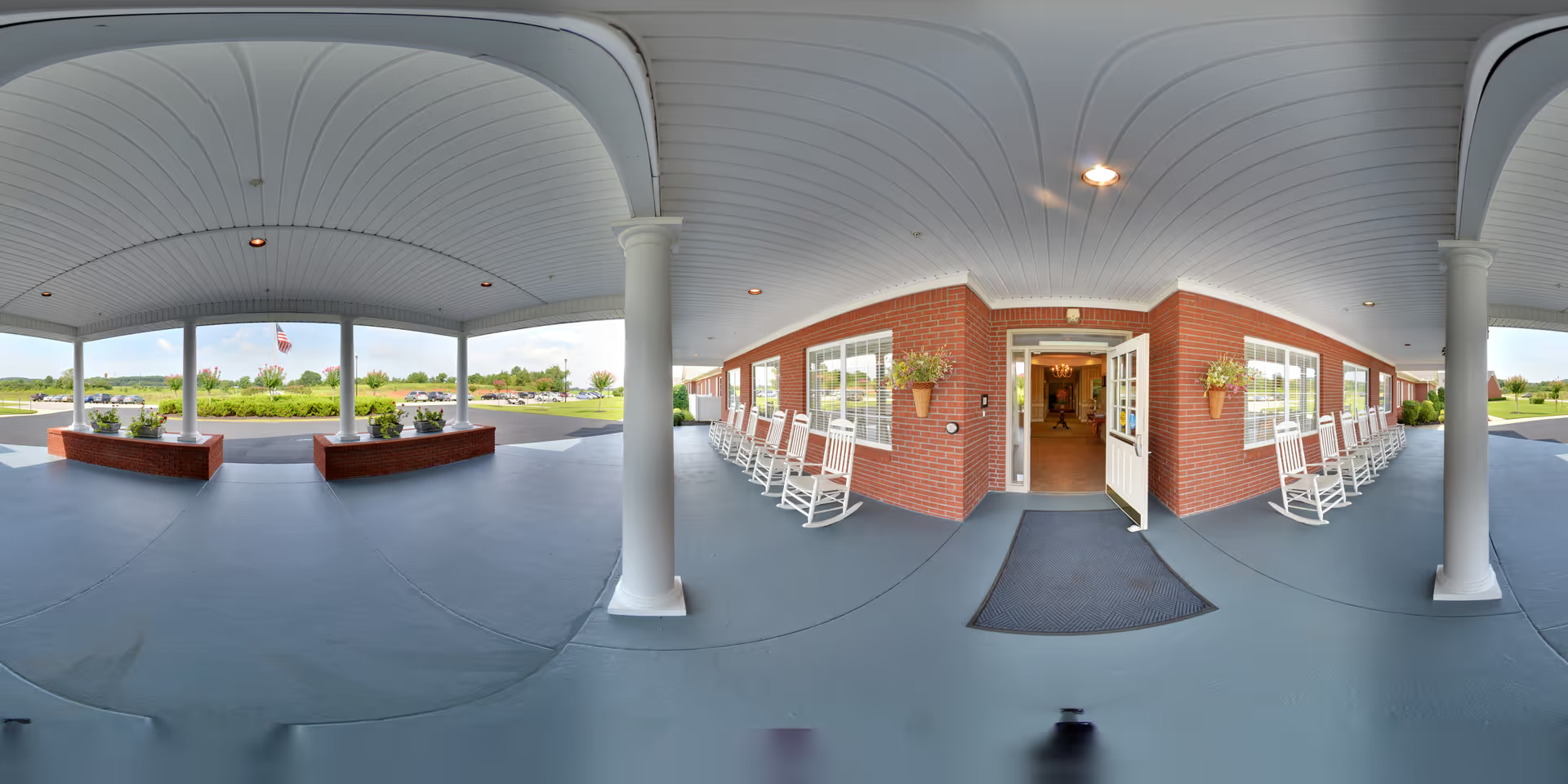
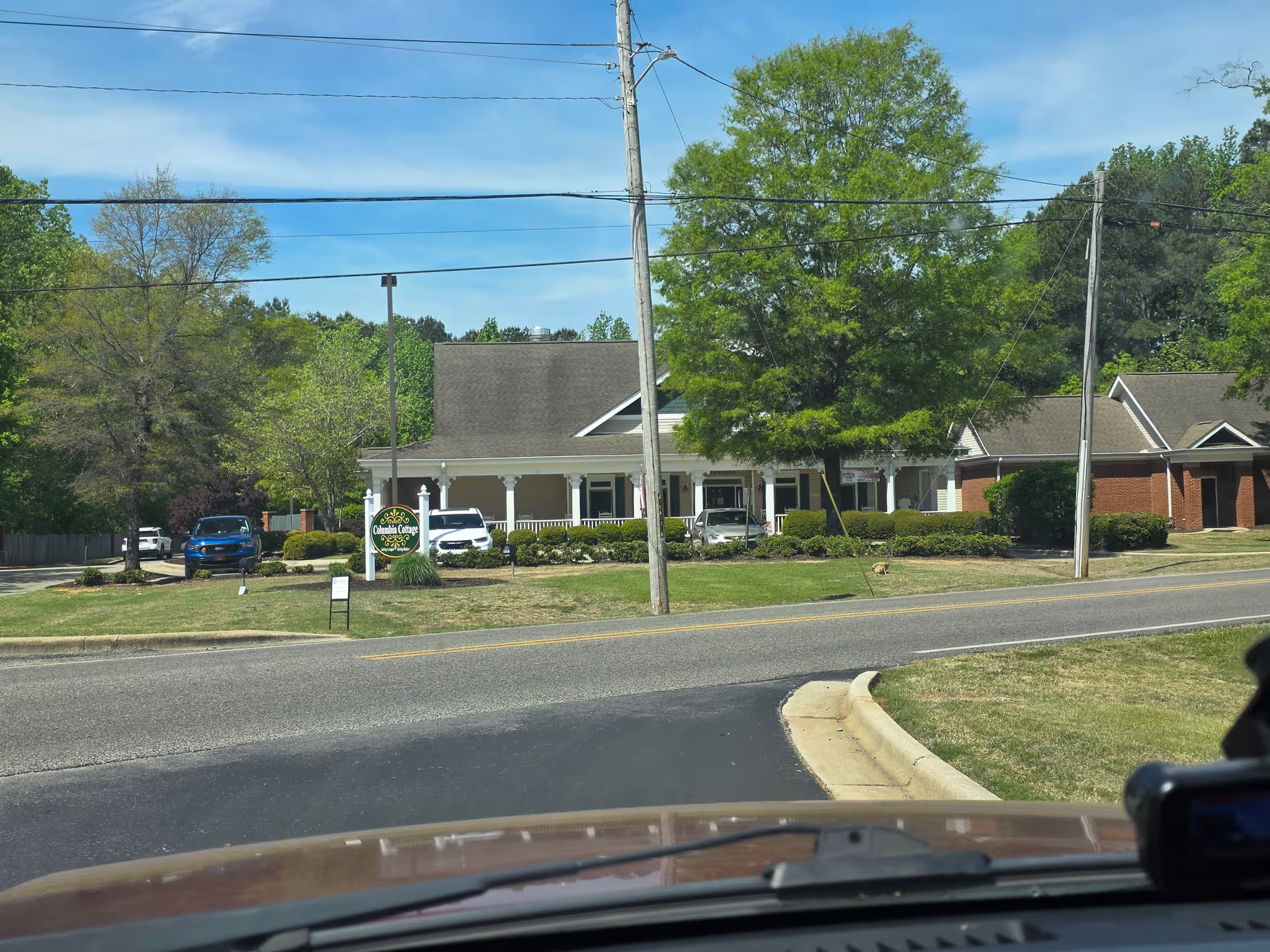
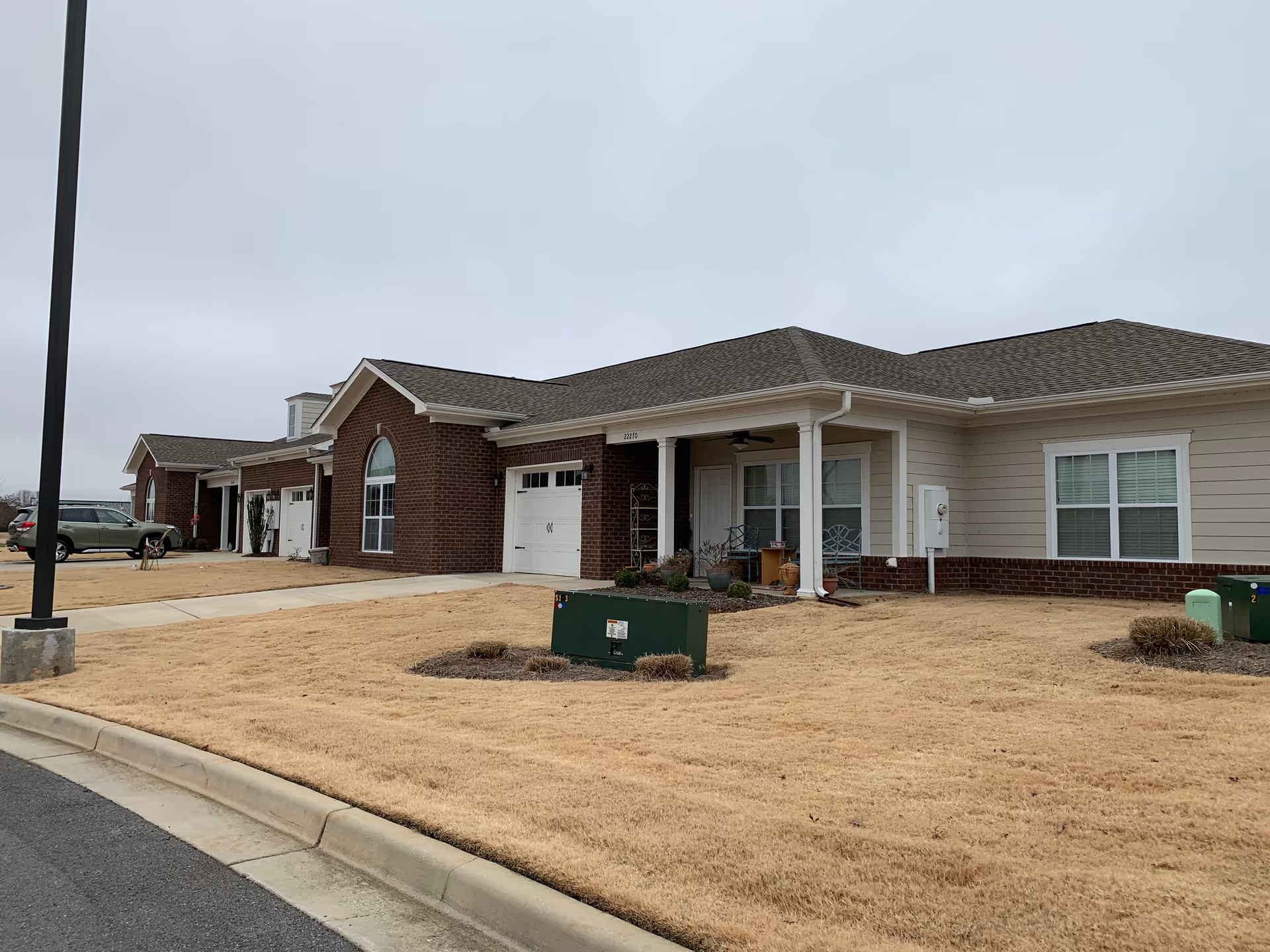
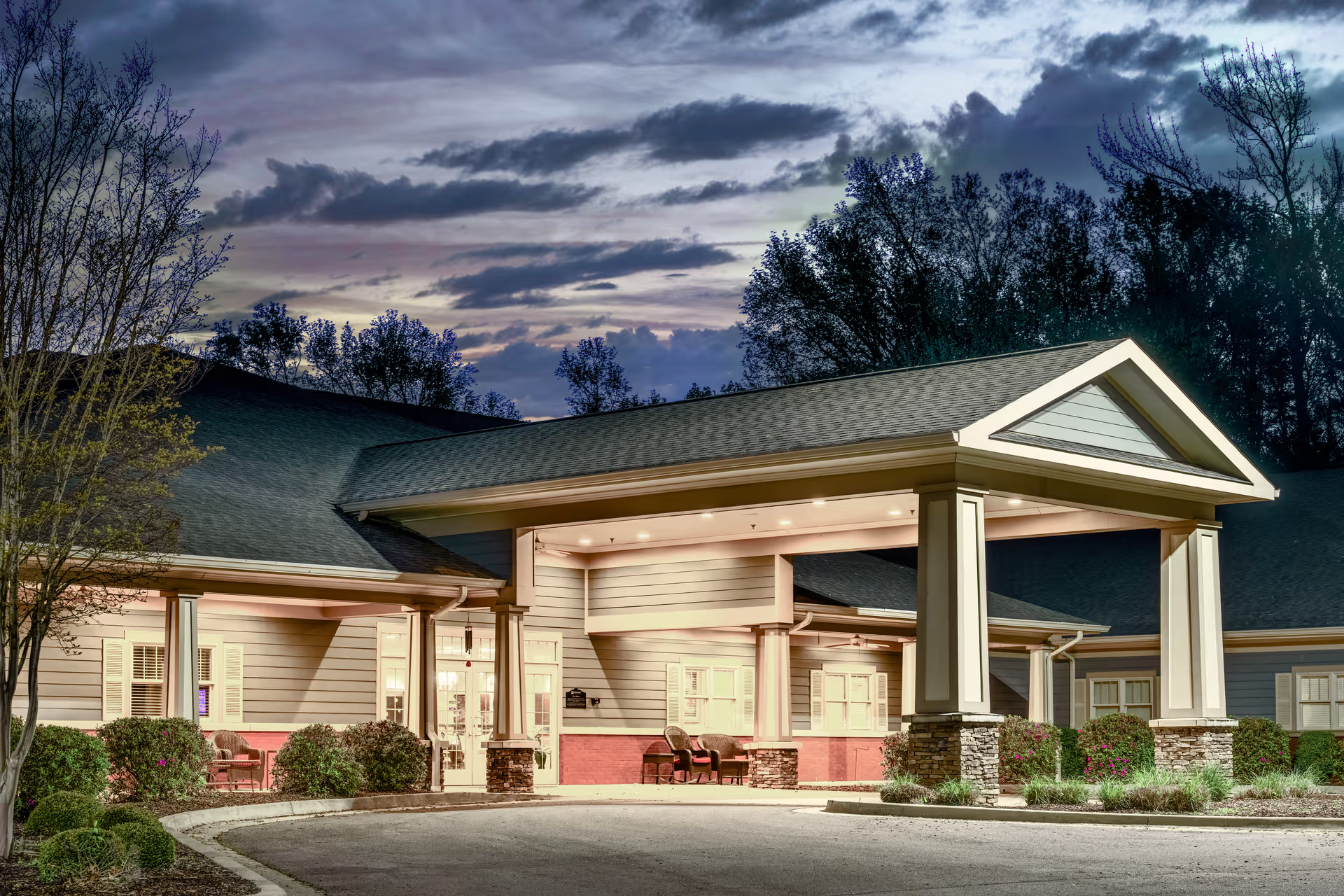
Overall impression: The reviews present a strongly mixed portrait. Many comments highlight a well-maintained, architecturally notable facility in a pleasant, semi-rural setting with convenient retail access and a quiet, homey atmosphere. Several families and former residents describe positive attachments to the community, praising easy-to-navigate floor plans, a friendly resident population, independent-living options, and staff who present professionally.
Care and staff: Most feedback centers on independent living rather than skilled clinical care; reviewers who lived there or placed relatives generally described a comfortable daily living experience. However, there are recurring concerns about staff conduct and communication tone: accounts range from courteous, professional interactions to unprofessional or brusque behavior and misnaming of residents. Security personnel and enforcement-style staff presence are frequently noted as contributing to an institutional atmosphere. A small number of summaries include serious claims about unexplained resident movements; those summaries raise questions about incident handling and family communication.
Management and policies: Management is described in contradictory terms — some reviewers commend active, effective management, while others describe management as overly controlling and rules-driven. The facility appears to operate with strict policies around dress and visitation; this rigidity is a consistent driver of dissatisfaction among those who used words that conveyed a highly regimented environment. Reviewers point to gaps in transparency when unusual events occur and to limited flexibility in visitation and resident autonomy.
Facilities, dining, and activities: The building and communal spaces receive mixed comments. Several reviewers praise the architecture and the building’s overall condition, and there are mentions of amenities such as a library and sauna. At the same time, others cite design and layout shortcomings and intermittent odor or building-systems concerns (one comment referenced a gas smell). There is limited specific information about dining quality or activity programming in the summaries; cultural- or language-focused activities appear present given the community’s demographic profile, which some families find comforting and others find limiting.
Notable patterns and practical considerations: The strongest pattern is polarization—some residents and families strongly endorse the community and its design, while others object to the strict rules, security-oriented tone, and inconsistent staff interactions. Noise issues at night (trains, external activity, animals) are noted as a recurring nuisance. The community’s cultural/linguistic composition is prominent in the feedback and may affect social fit for prospective residents. Finally, a few summaries include serious allegations about unexplained incidents; these raise concerns about incident transparency and the need for clear family communication and documented incident-response processes.
Recommendation for families: Prospective residents and families should tour in person, ask for written policies on visitation, dress code, and incident reporting, and speak with current residents about daily life and activity offerings. Inquire explicitly about staff training, security roles, and how the facility communicates with families after unusual events. If nighttime noise or specific cultural fit matters, request a visit during evening hours and meet residents from different cultural backgrounds to assess fit.