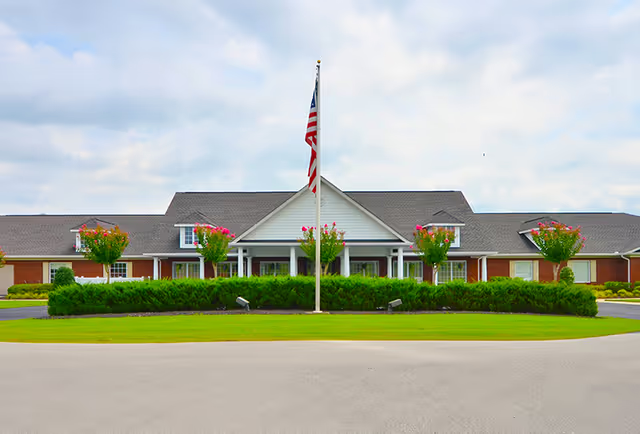
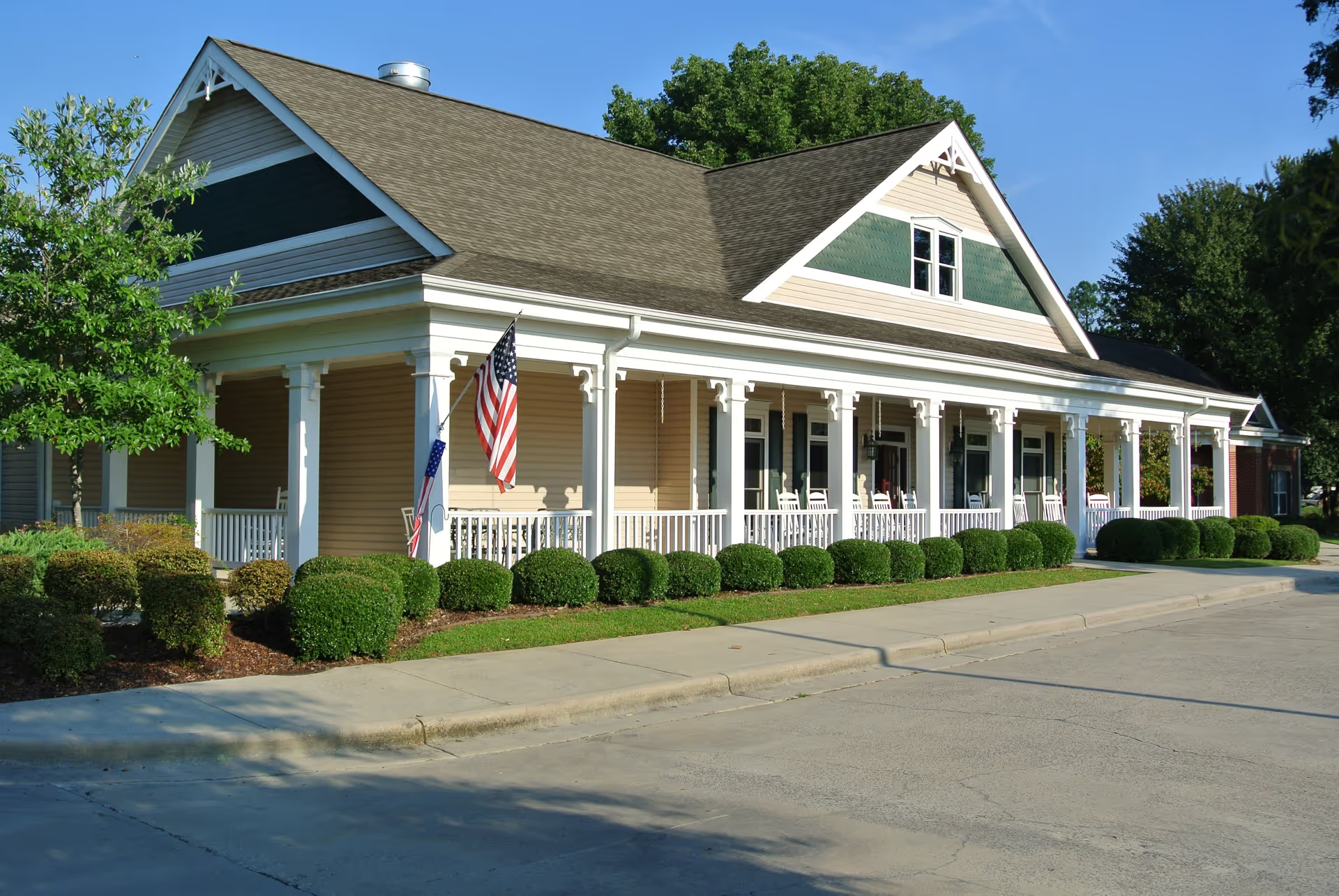
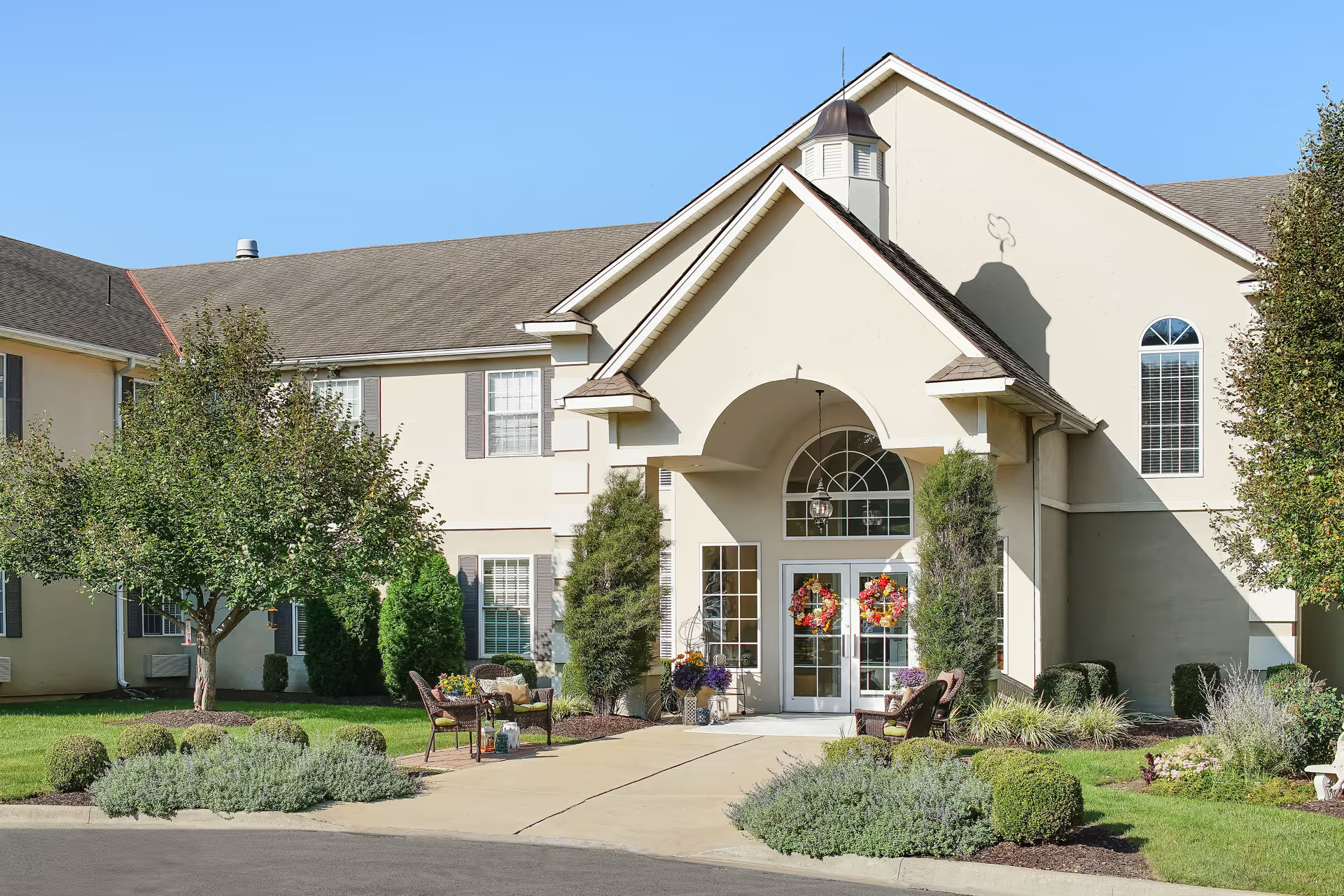
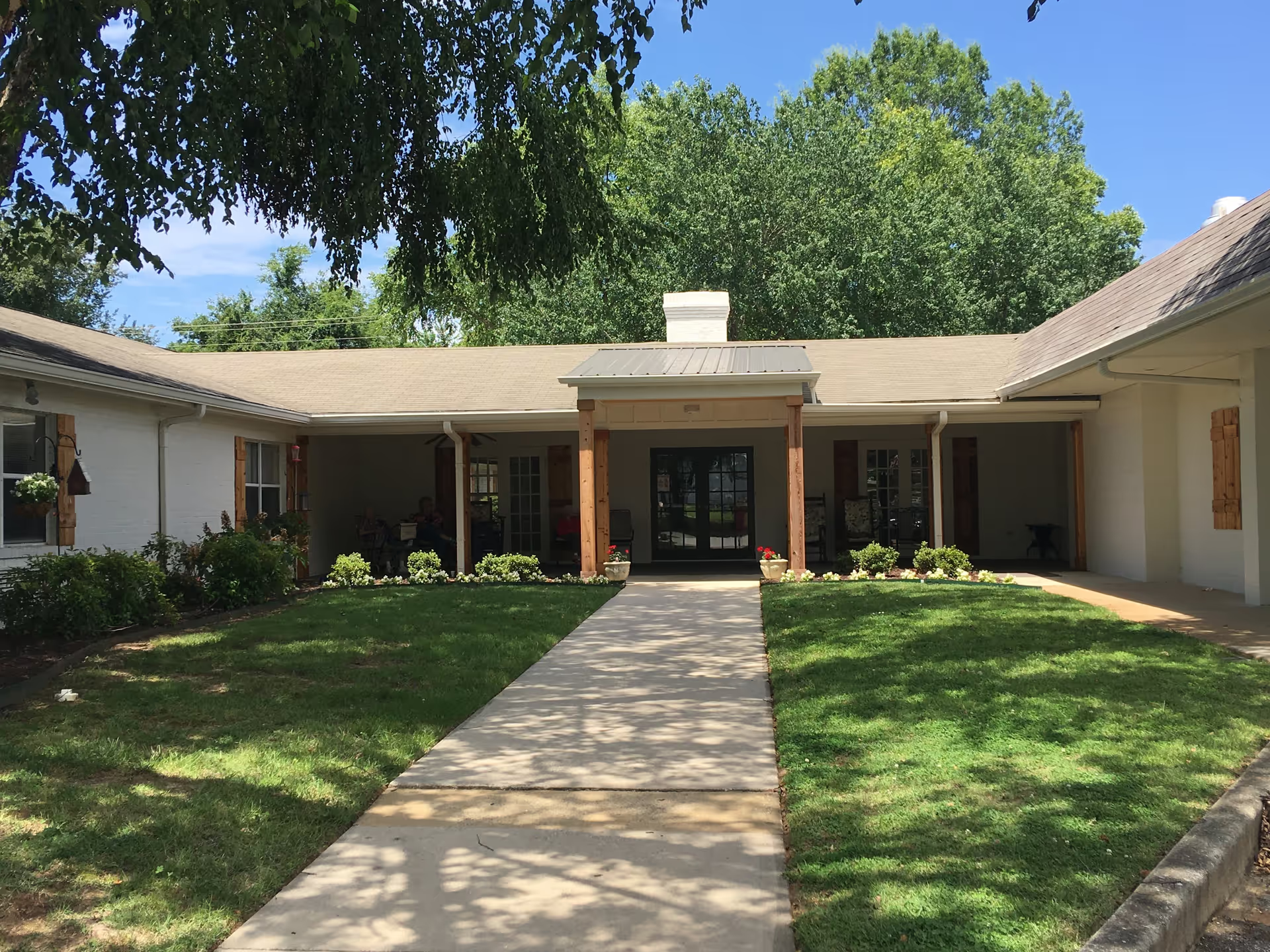
The reviews paint Presbyterian Towers as a community with a strong, resident-focused culture. Review summaries emphasize staff warmth and personal attention, noting specific caregiving and support personnel by name. Maintenance responsiveness and the presence of an in-unit personal emergency alert system are highlighted as practical features that contribute to resident safety and confidence. Overall language in the summaries conveys a positive sense of quality and organizational integrity.
Care and staffing: Feedback centers on compassionate, attentive interactions between staff and residents. The naming of individual team members suggests that staff are accessible and form personal relationships with residents. The in-unit alert system and statements about supporting independence indicate an orientation toward resident autonomy and safety. The summaries provide limited granular detail about clinical practices (for example, medication management, nursing staffing ratios, or care-plan documentation), so prospective decision-makers should request those specifics during a tour or intake conversation.
Dining and activities: The supplied summaries do not describe dining quality, menu variety, meal service logistics, or the breadth and frequency of social and recreational programming. That absence makes it difficult to assess daily lifestyle offerings from the available comments alone. Families and prospective residents should ask the community for sample menus, a calendar of activities, and participation metrics to evaluate whether dining and engagement opportunities match their expectations.
Facilities and management: Positive comments about maintenance responsiveness and the community atmosphere indicate functional building upkeep and a management focus on resident comfort. The references to ‘‘quality’’ and ‘‘integrity’’ imply a values-driven leadership approach, though concrete details about administrative policies, staffing stability, or transparency of clinical oversight are not present in the summaries. Requesting information on staff turnover, licensure, emergency procedures, and inspection records would provide a clearer picture of operational reliability.
Notable patterns and recommendations: The dominant themes are personalized care, supportive community life, and practical safety features that promote independence. The principal gap in the available summaries is a lack of substantive information about dining, formal activity programming, and clinical-care processes. Prospective residents and families would benefit from targeted questions during a visit: ask for clinical staffing ratios, medication-management protocols, sample menus and activity schedules, and examples of how the community supports resident autonomy while managing health needs. These follow-up items will help verify the consistently positive impressions reflected in the reviews and fill in operational details not covered in the summaries.