Overall impression: Reviews present a mixed portrait of River City Center. Strengths frequently cited relate to rehabilitative care, the demeanor of many frontline caregivers, and clean, updated therapy spaces. At the same time, reviewers describe recurring operational gaps that affect day-to-day resident experience and clinical reliability.
Care quality and clinical practices: The facility's therapy department (PT/OT) is repeatedly praised and credited with positive short-term rehab outcomes, including successful discharges home after acute events. However, clinical concerns appear in other areas: reviewers reported issues consistent with delayed clinical assessments, inconsistencies in medication administration, and gaps in wound/skin management. These are described as operational weaknesses rather than isolated compliments; they suggest a need for clearer medication and wound-care protocols and more consistent clinical oversight.
Staff and management: Frontline staff—nurses, CNAs, and therapists—are commonly described as kind, helpful, and professional, and specific admissions staff and administrators received positive mentions. Conversely, several accounts describe uneven supervisory responsiveness, inconsistent communication, and variable tone from managers or supervisors. This combination suggests generally strong direct care but inconsistent middle-management follow-through on complaints and care coordination.
Dining, housekeeping, and environment: Dining experiences are mixed to negative in a number of accounts: inconsistent meal quality, small portions, and interruptions to regular service were noted. Housekeeping and laundry processes also appear inconsistent, including reports of linens and clothing management problems and instances where bathroom or room cleaning did not meet expectations. Reviewers also raised odor concerns in some areas, indicating sanitation and housekeeping practices may require attention.
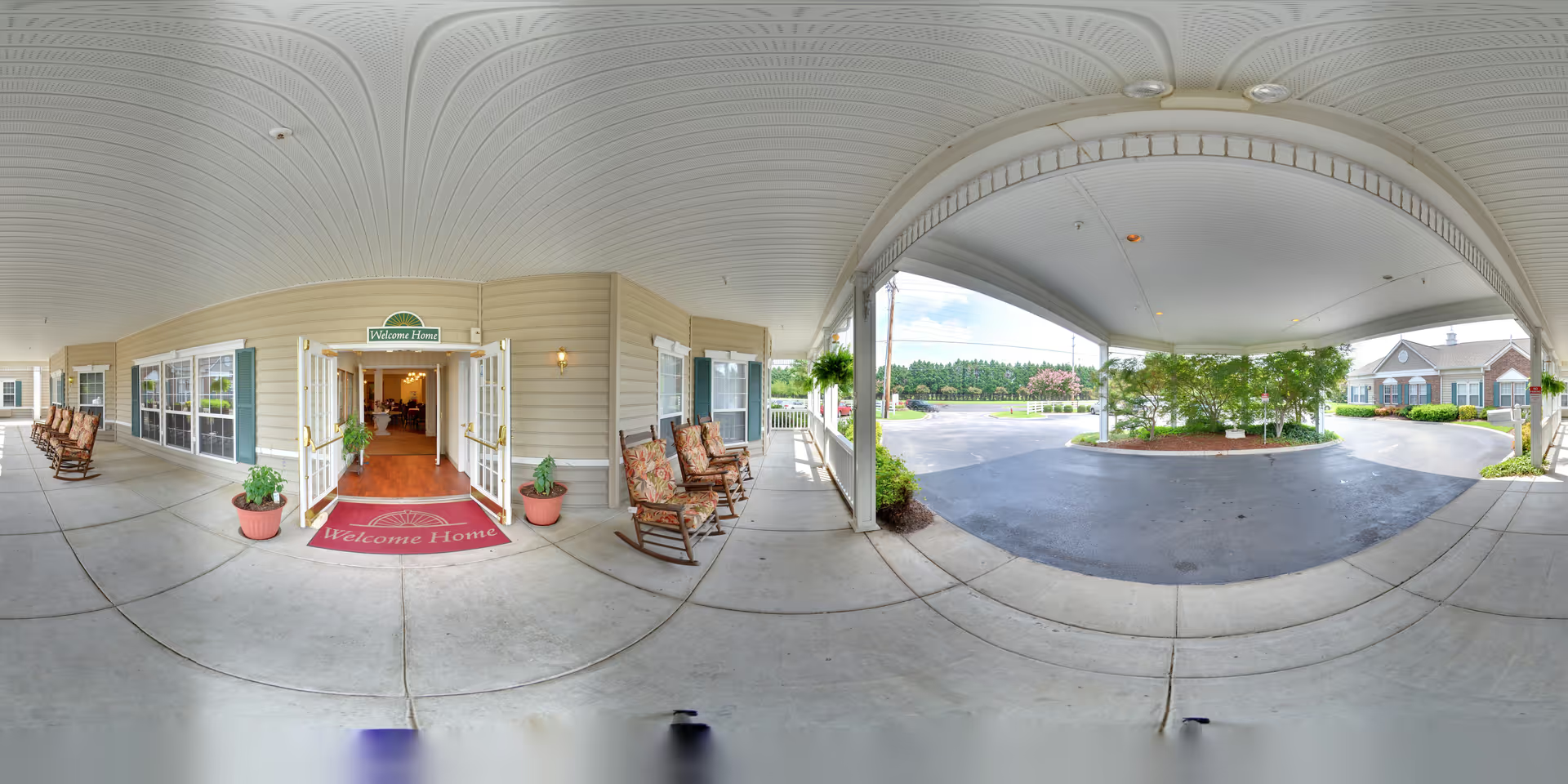
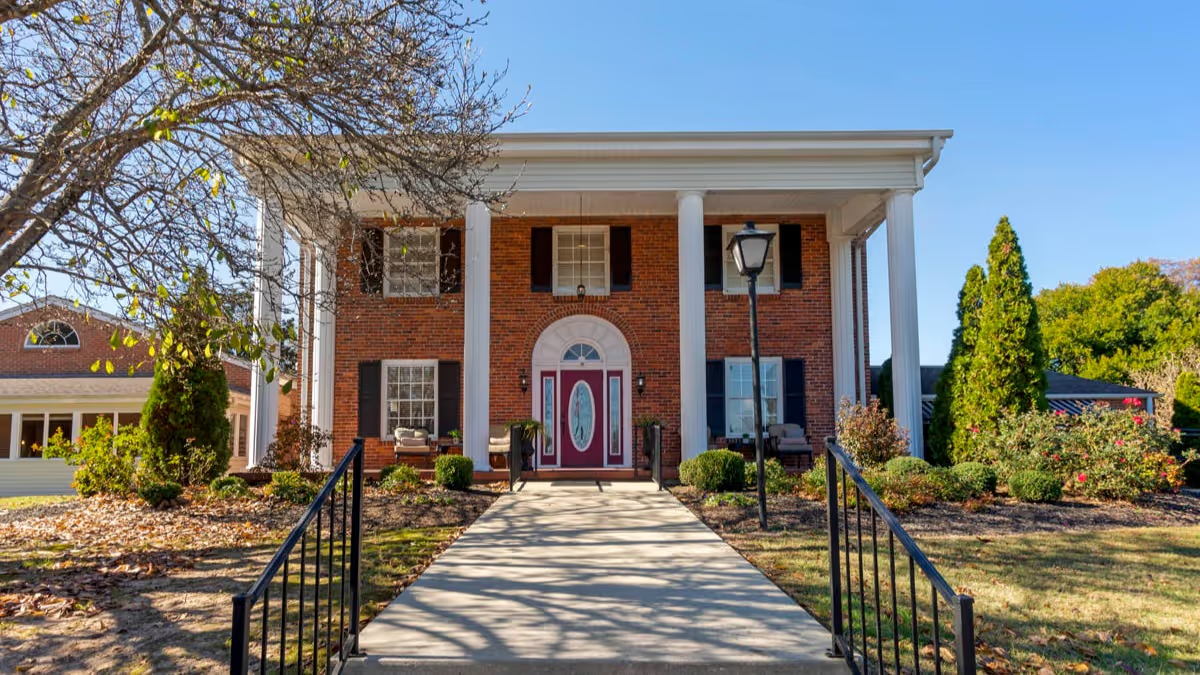
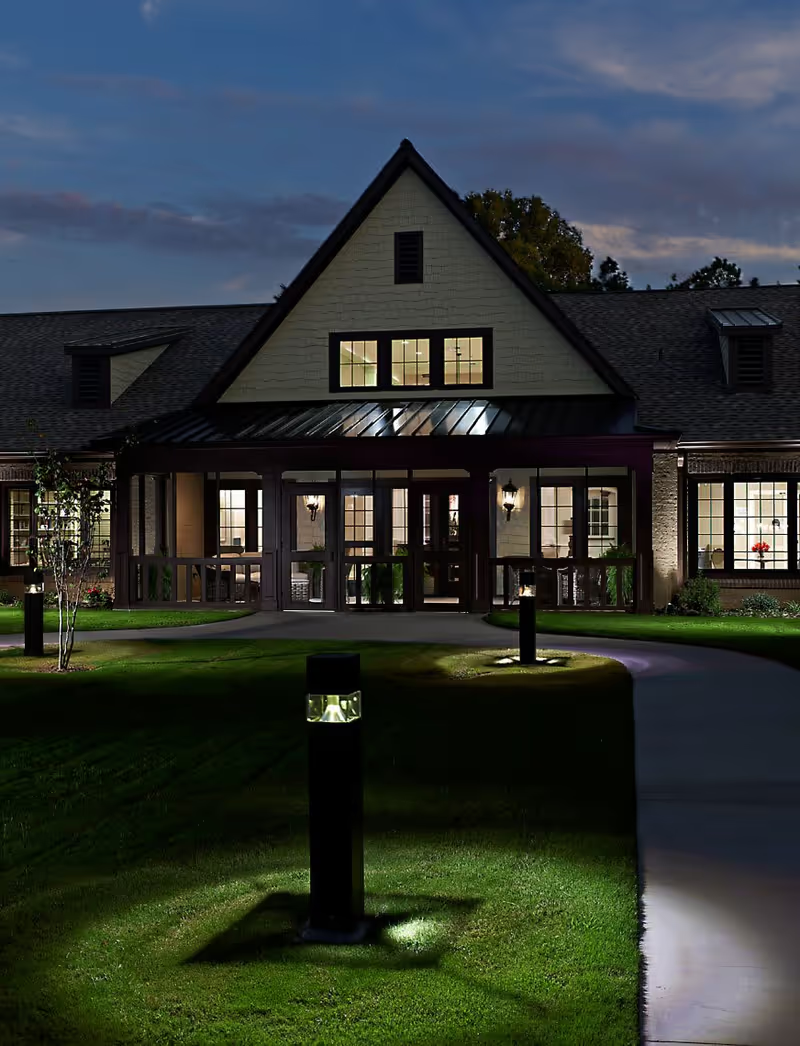
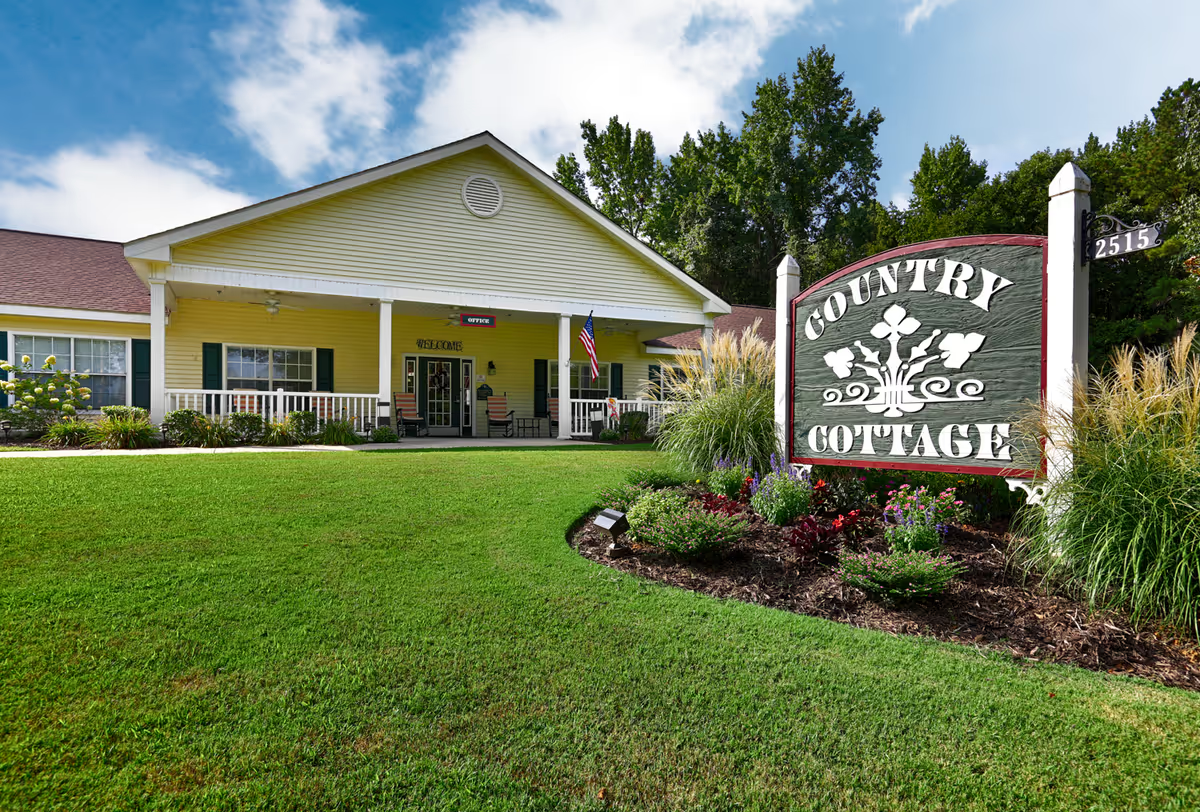
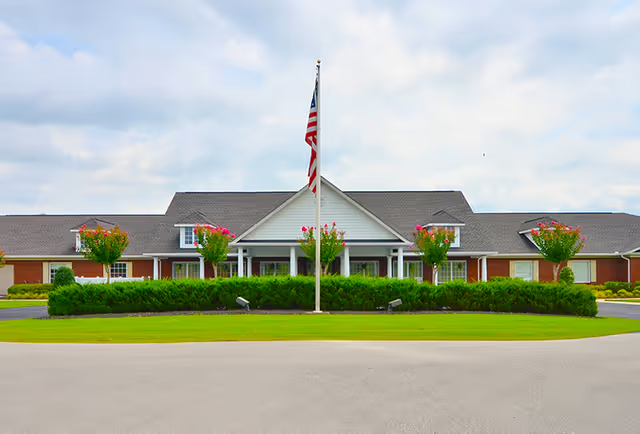
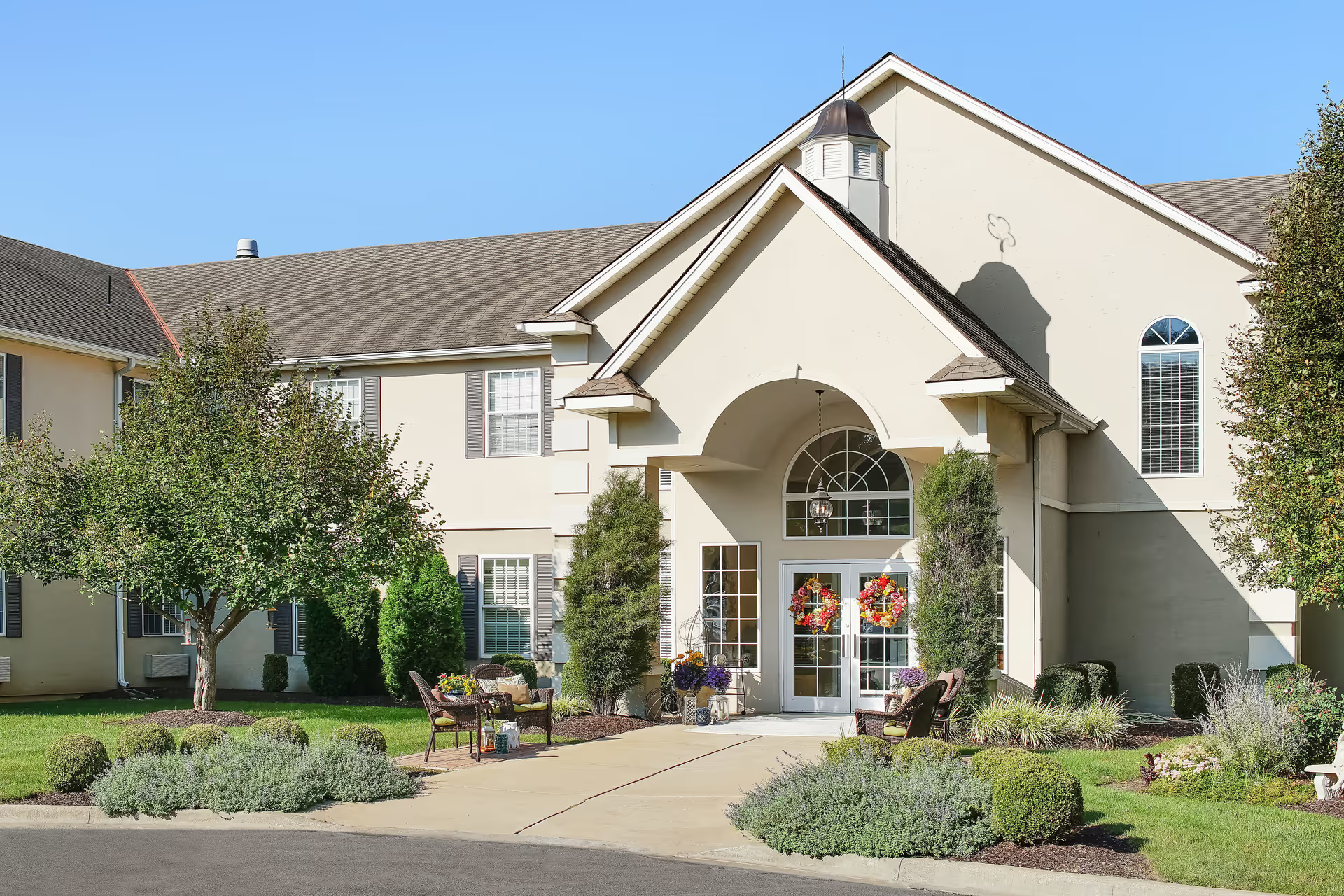
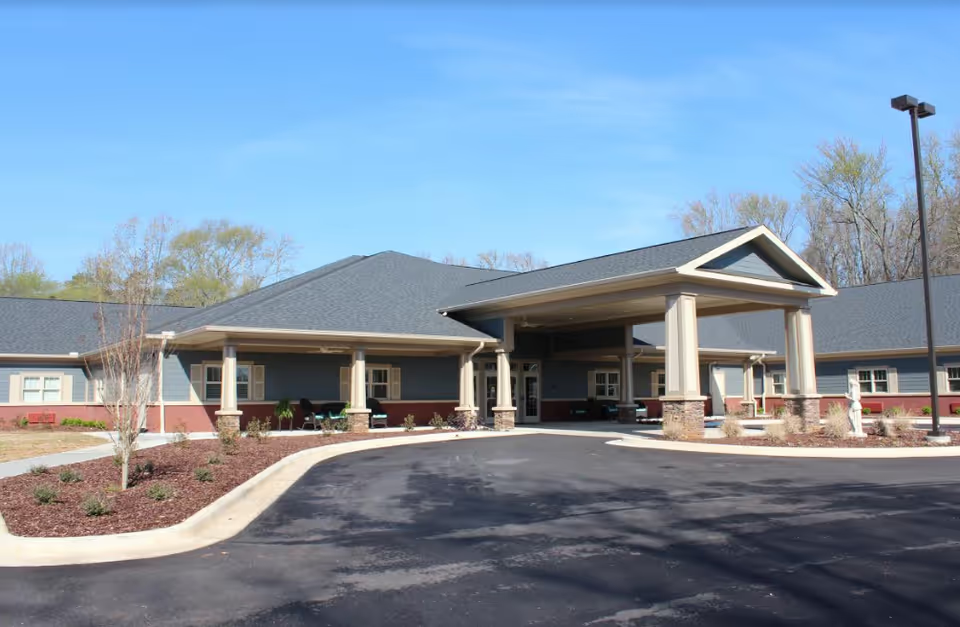
Facilities, safety, and operations: Physical spaces are often described as modern, spacious, and well-maintained—particularly rehab rooms and therapy areas. At the same time, operational issues were raised: locked-access doors that complicate entry/exit, unattended front-desk periods, and perceptions of safety or theft risk. Security systems are described as professional by some, but trust and safety perceptions vary among families.
Notable patterns and practical takeaways: The strongest consistent asset is rehabilitative care and many individual staff members' professionalism. The most consistent liabilities are operational: staffing variability (including weekend coverage), inconsistent housekeeping/dining services, and gaps in medication and wound-care processes. Prospective residents and families should consider focused questions during a visit: staffing ratios and weekend coverage, medication administration policies, wound-care protocols, laundry and housekeeping schedules, dining menus and portioning, and the facility's complaint-resolution process. A direct tour of therapy spaces and a conversation with clinical leadership can help balance the facility's clear rehabilitation strengths against operational inconsistencies noted by reviewers.