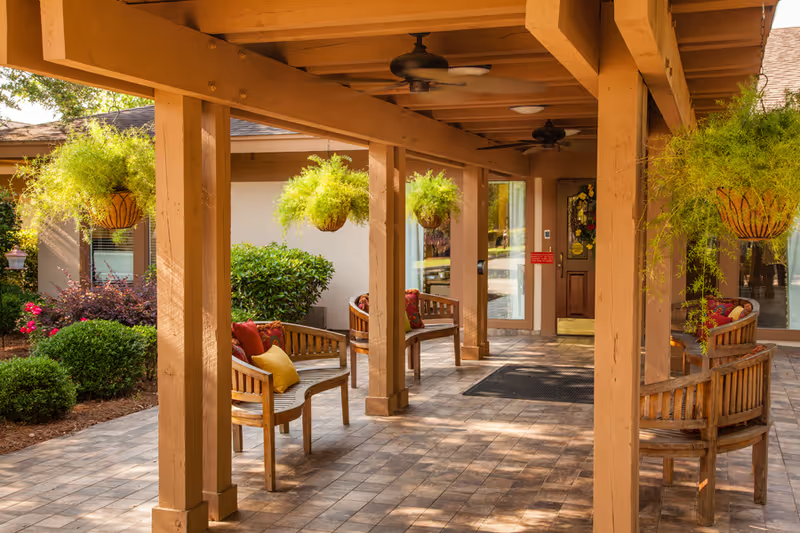
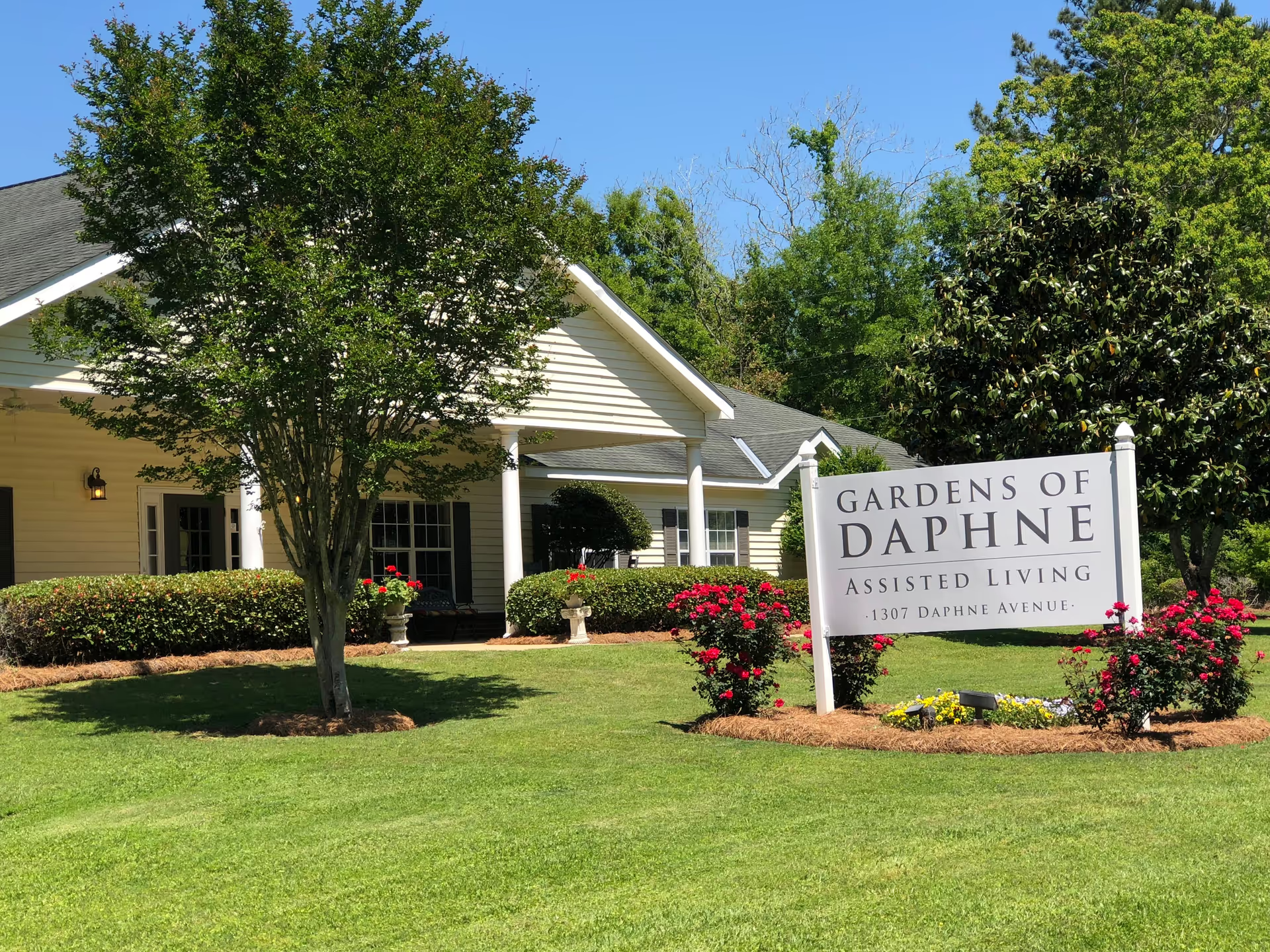
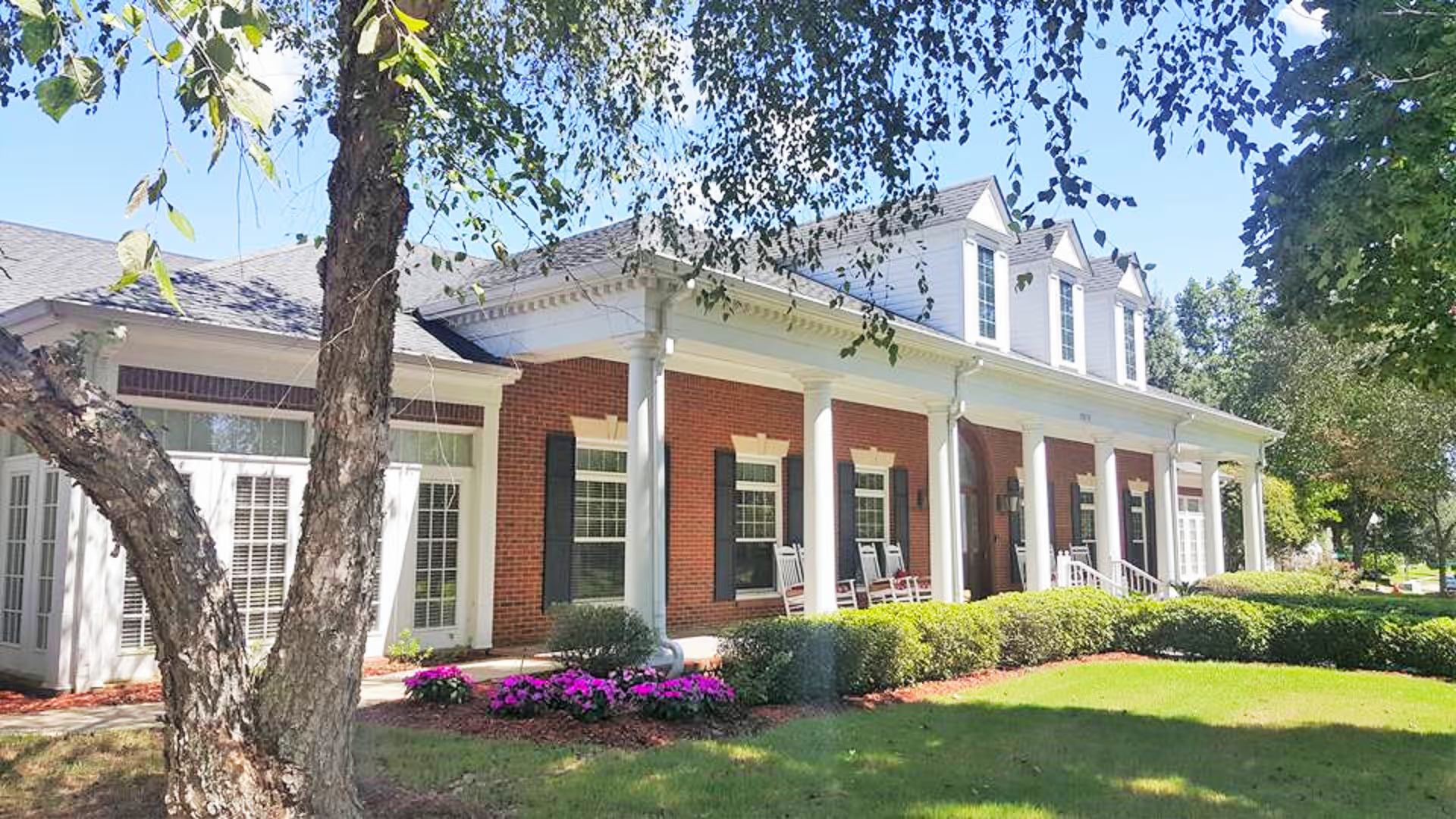
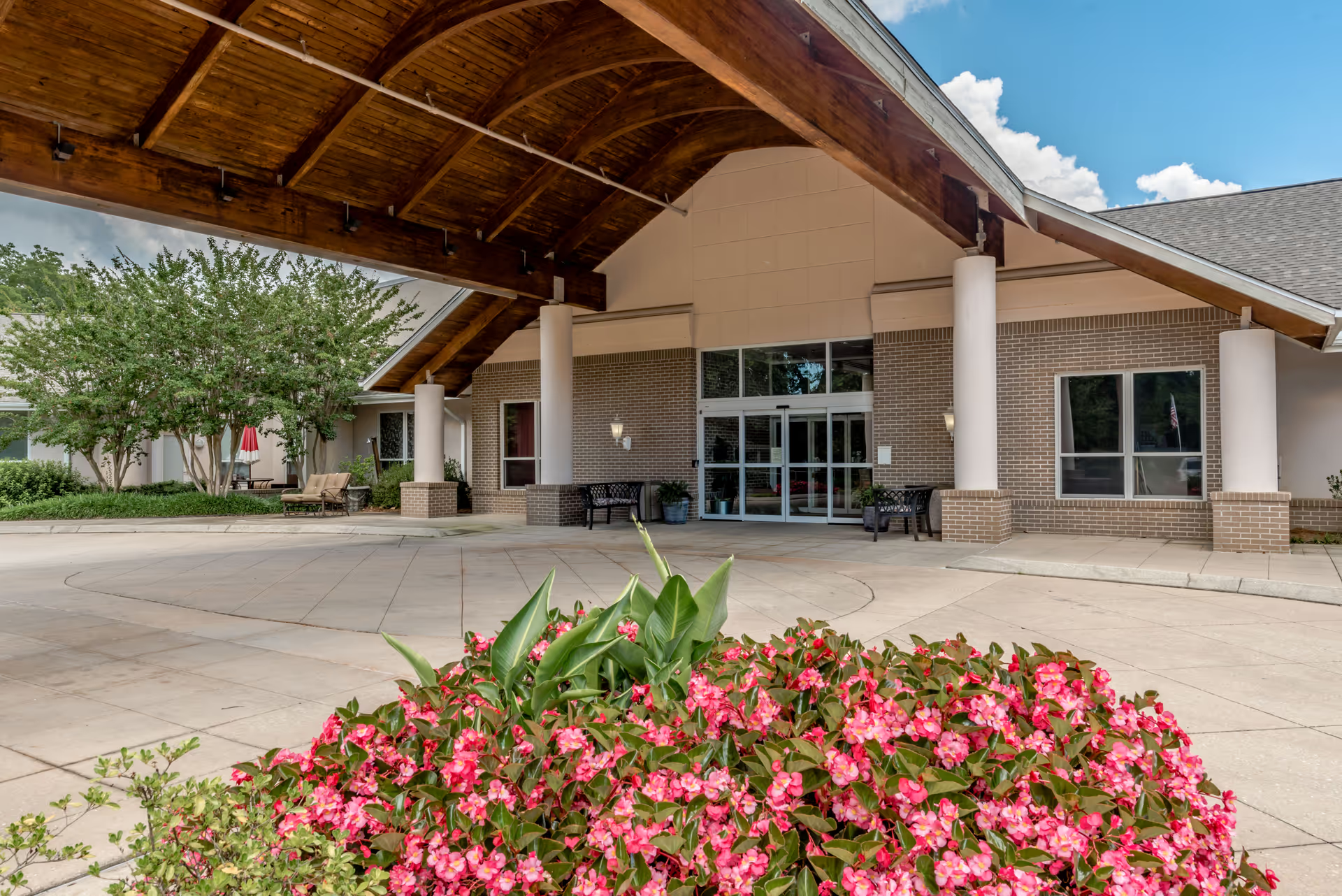
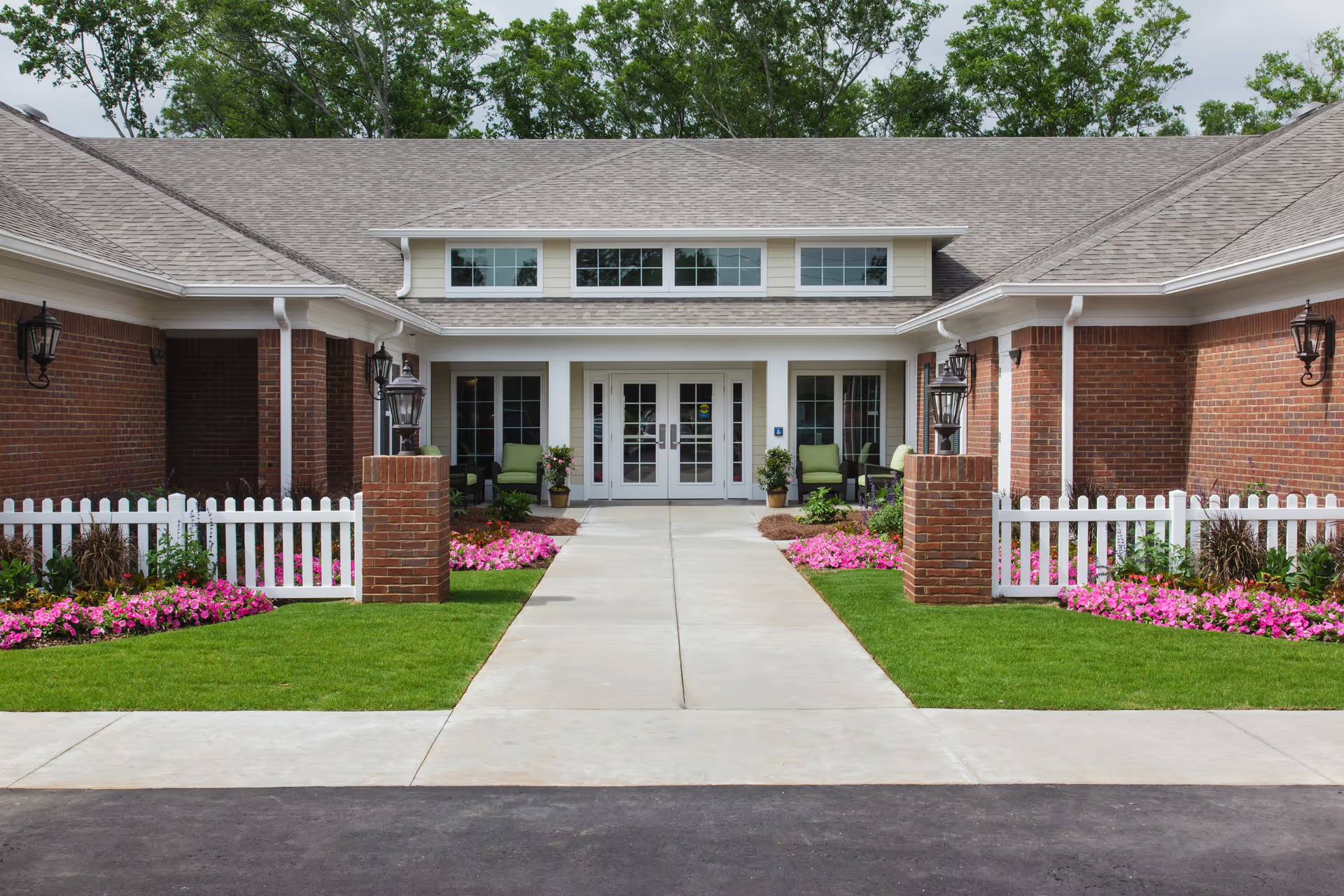
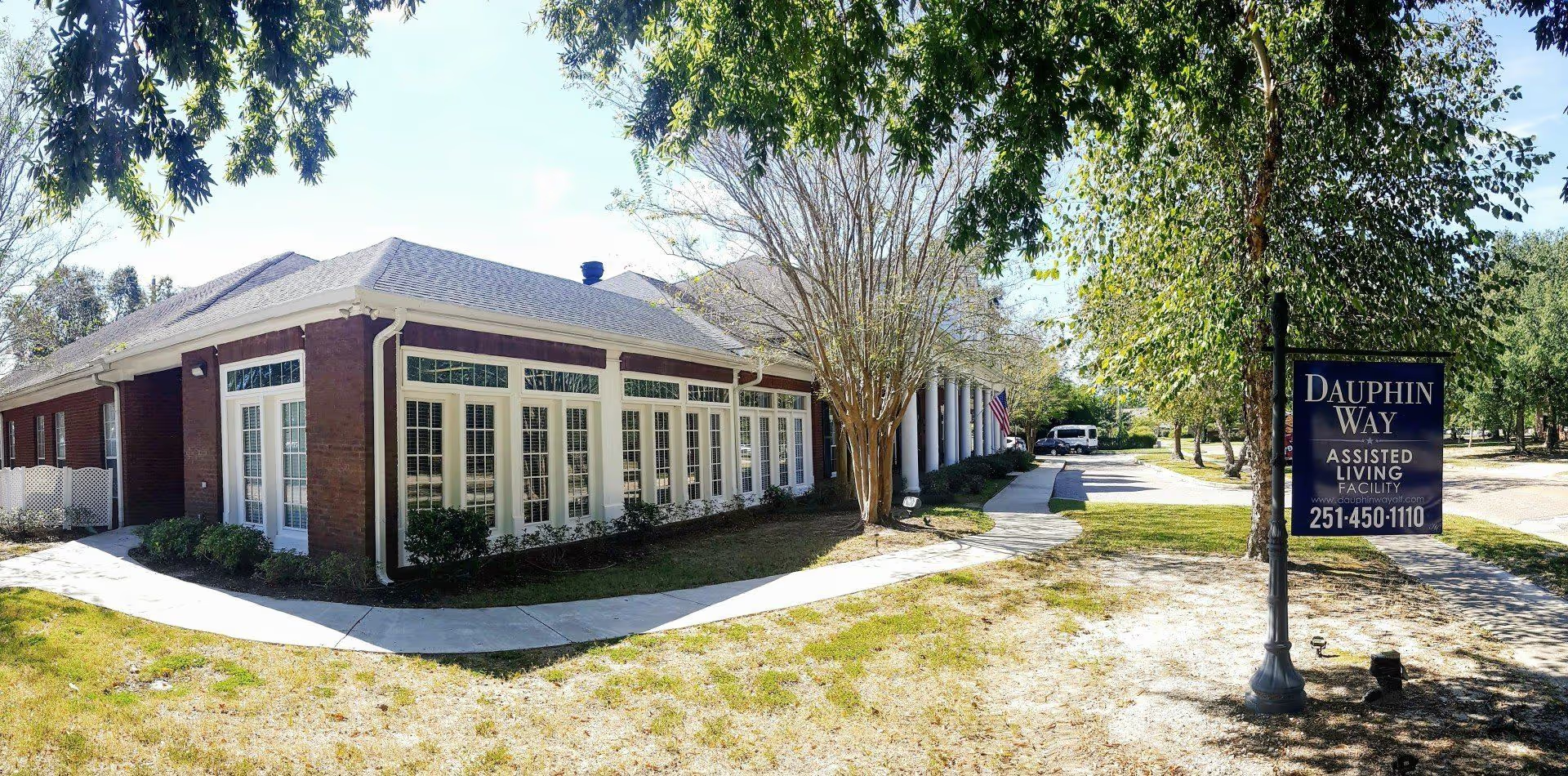
Country Place Senior Living of Fairhope is described consistently as a small, 24-unit, single-floor community with a home-like atmosphere and easy circulation. The facility’s layout places resident rooms close to dining and activity spaces, which reviewers characterize as convenient for residents with mobility limitations. Housekeeping services are included, the common areas and rooms are generally described as clean and well maintained, and the site is wheelchair accessible.
Care and staff interactions are commonly cited as strengths. Many families describe staff as compassionate, patient, and responsive, with frequent check-ins and prompt assistance when needed. Reviewers also note person-centered approaches to care and regular accommodation of dietary restrictions. At the same time, there are recurring comments about staffing continuity; periodic turnover was mentioned and can affect the consistency of daily routines and relationships.
Dining and activities receive mixed but generally positive remarks. Meals are characterized as balanced, with flexible breakfast options and attention to dietary needs, though opinions on food quality vary. The community offers a full activities calendar, musical performances (piano), games and outings, and social programming that reinforce the small, close-knit feel. Some reviewers felt the activity program was less extensive than what one might find at larger communities.
The facility’s small scale is both an advantage and a limitation. Reviewers praise the intimate, family-like environment, spacious and nicely decorated rooms, and friendly neighbors. Conversely, amenity limitations reflect the building’s size: exercise space and recreational amenities are modest, there is no pool, and dining is sometimes held in a lobby or shared area rather than a separate dining room, which can create seating constraints during peak meal periods.
Several families raised concerns about management and clinical-process areas that prospective residents should review directly. These include perceived gaps in incident documentation and family communication, variability in how policies are enforced, and an occasionally abrasive communication style from leadership. One serious allegation involving an injury and subsequent concerns about documentation and communication was raised; families should ask about incident-reporting procedures, transfer and hospitalization protocols, and how the facility communicates with families after clinical events. Pricing and perceived affordability were also noted as a potential barrier for some.
Overall, Country Place Fairhope presents as a small, well-kept, person-centered community with strengths in staff/resident rapport, cleanliness, and accessible design. Prospective residents and families would benefit from an on-site visit that assesses dining logistics, amenity expectations, staffing continuity, incident-reporting practices, and contract/financial terms to determine alignment with individual needs and risk tolerance.