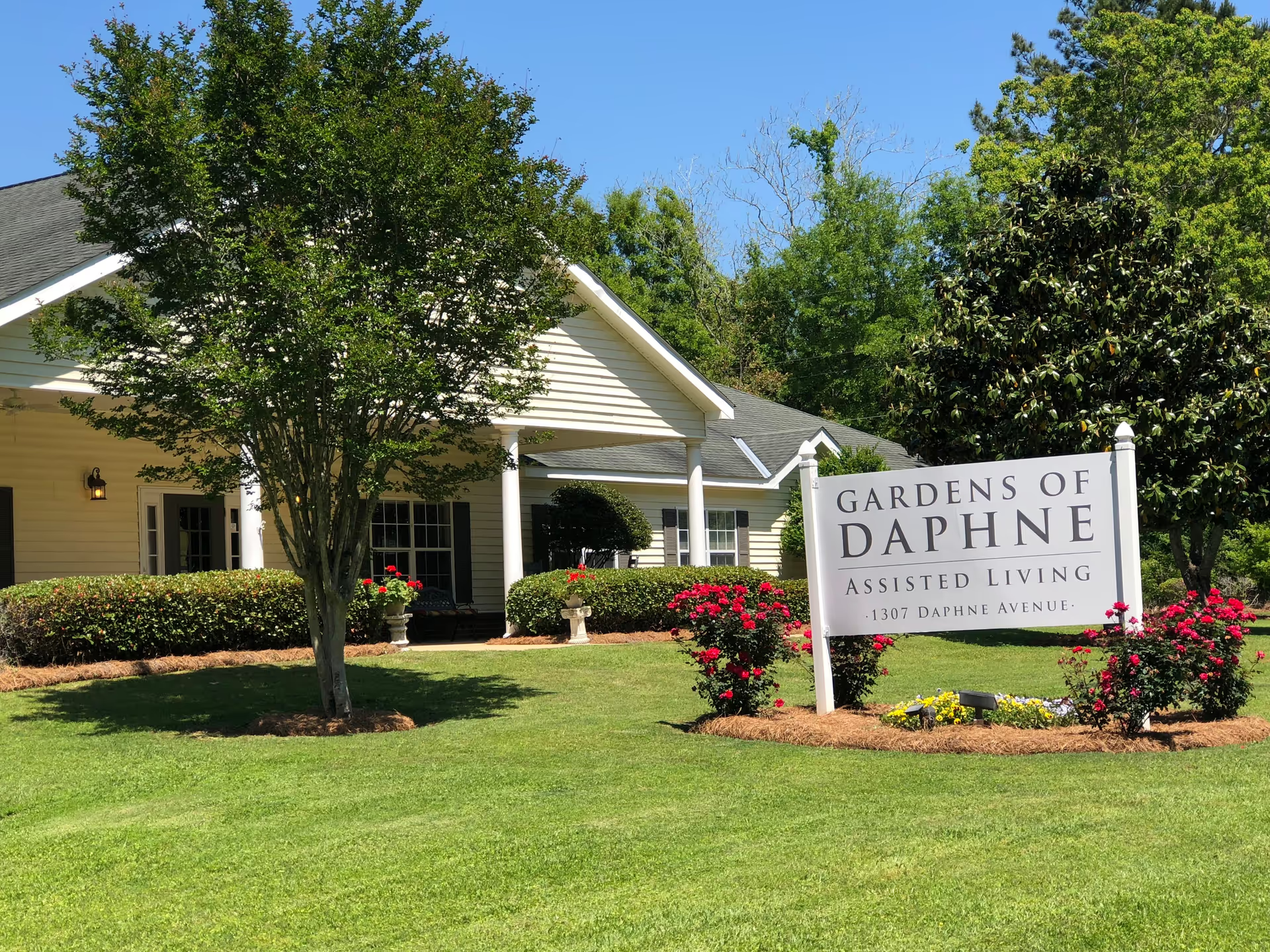
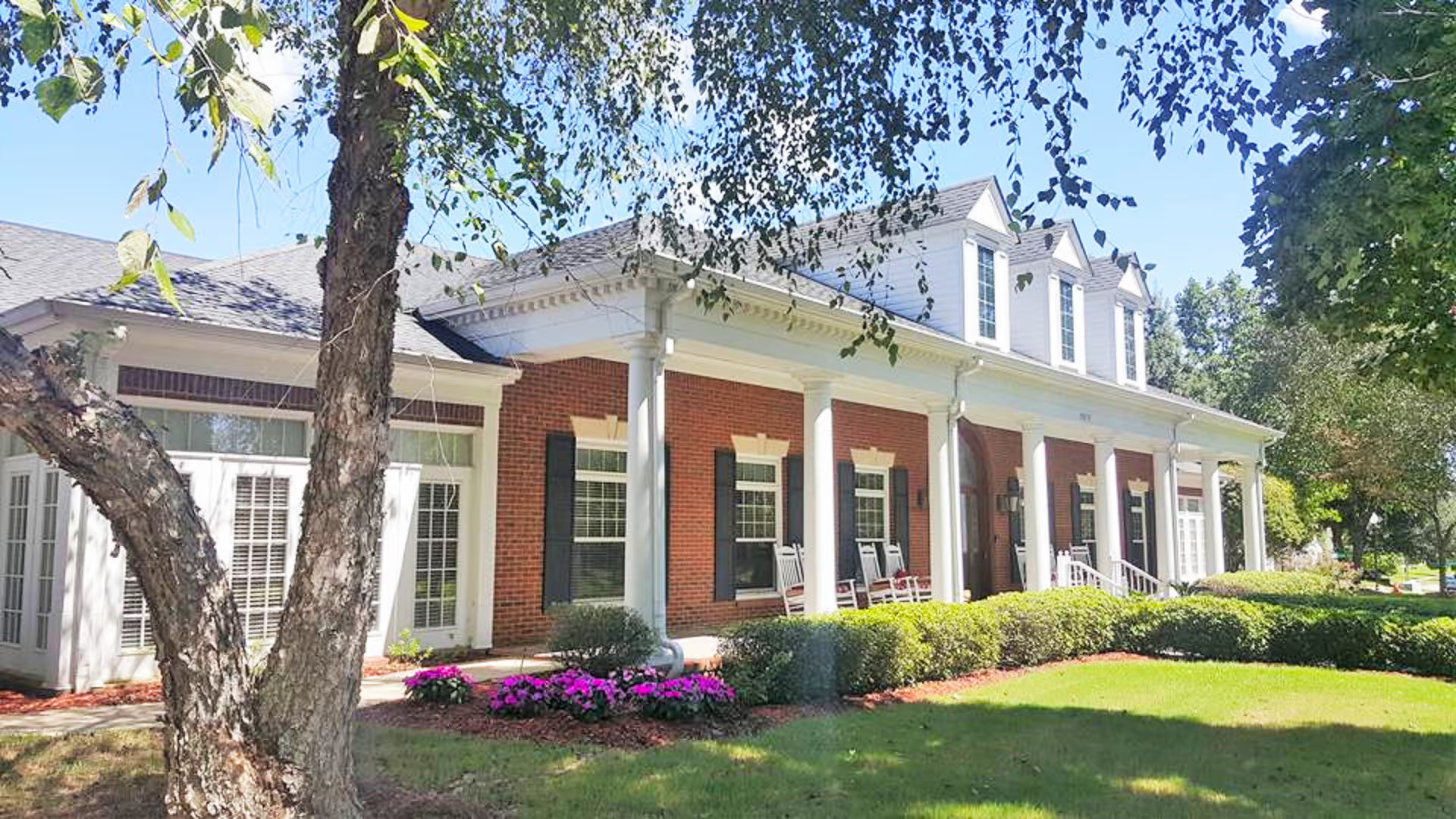
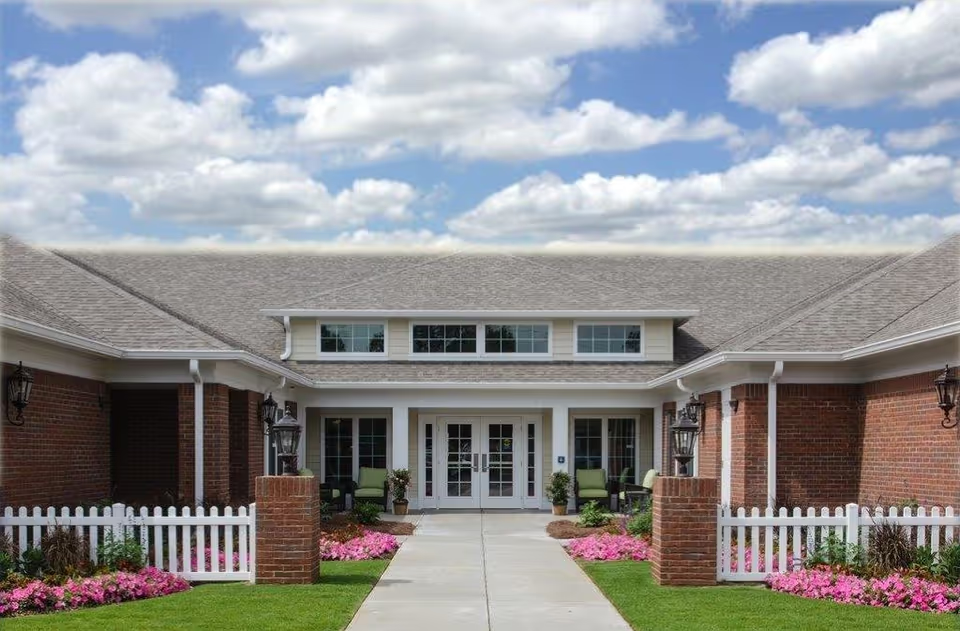
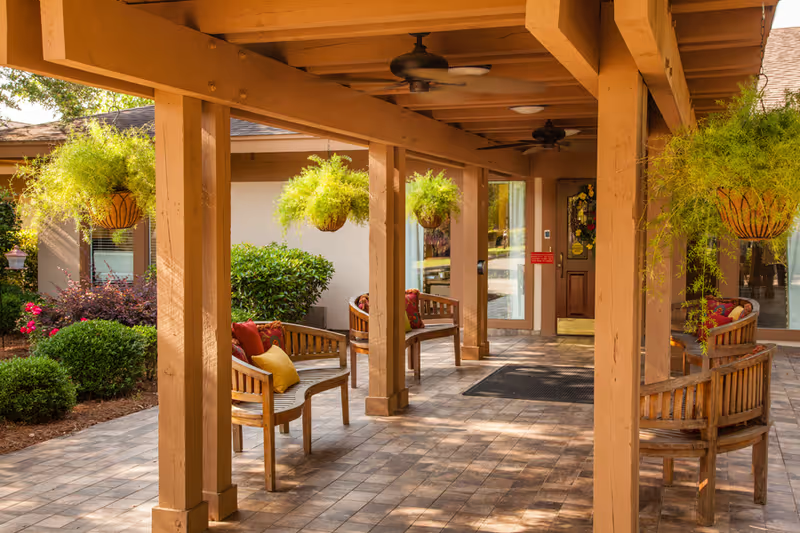
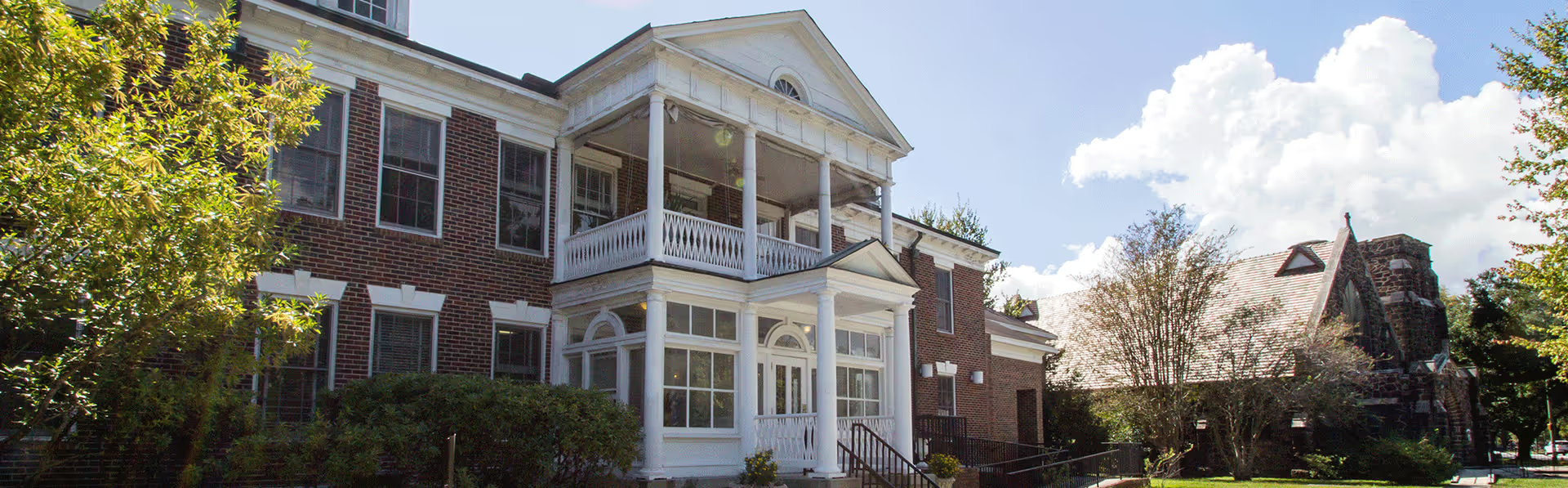
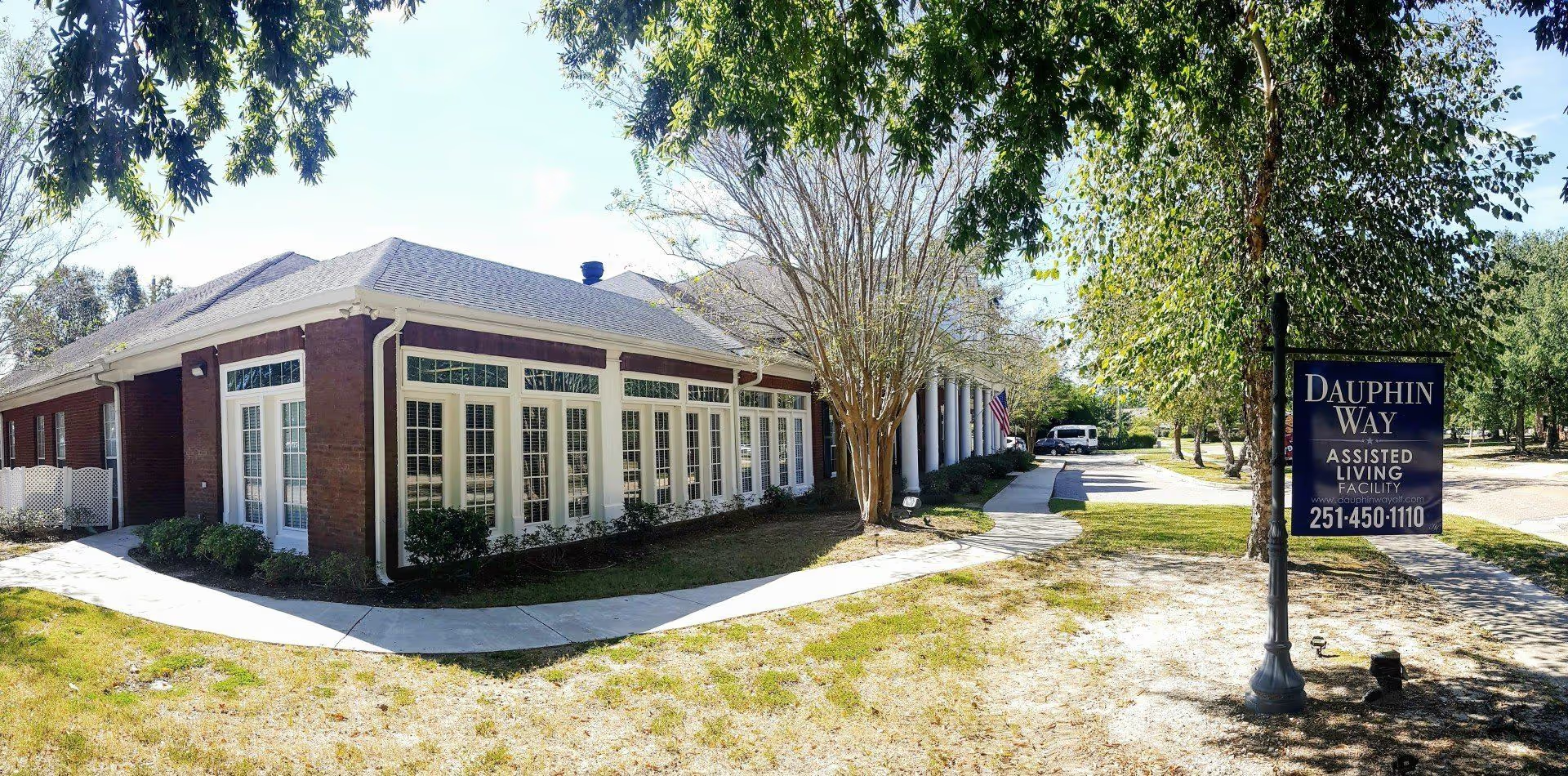
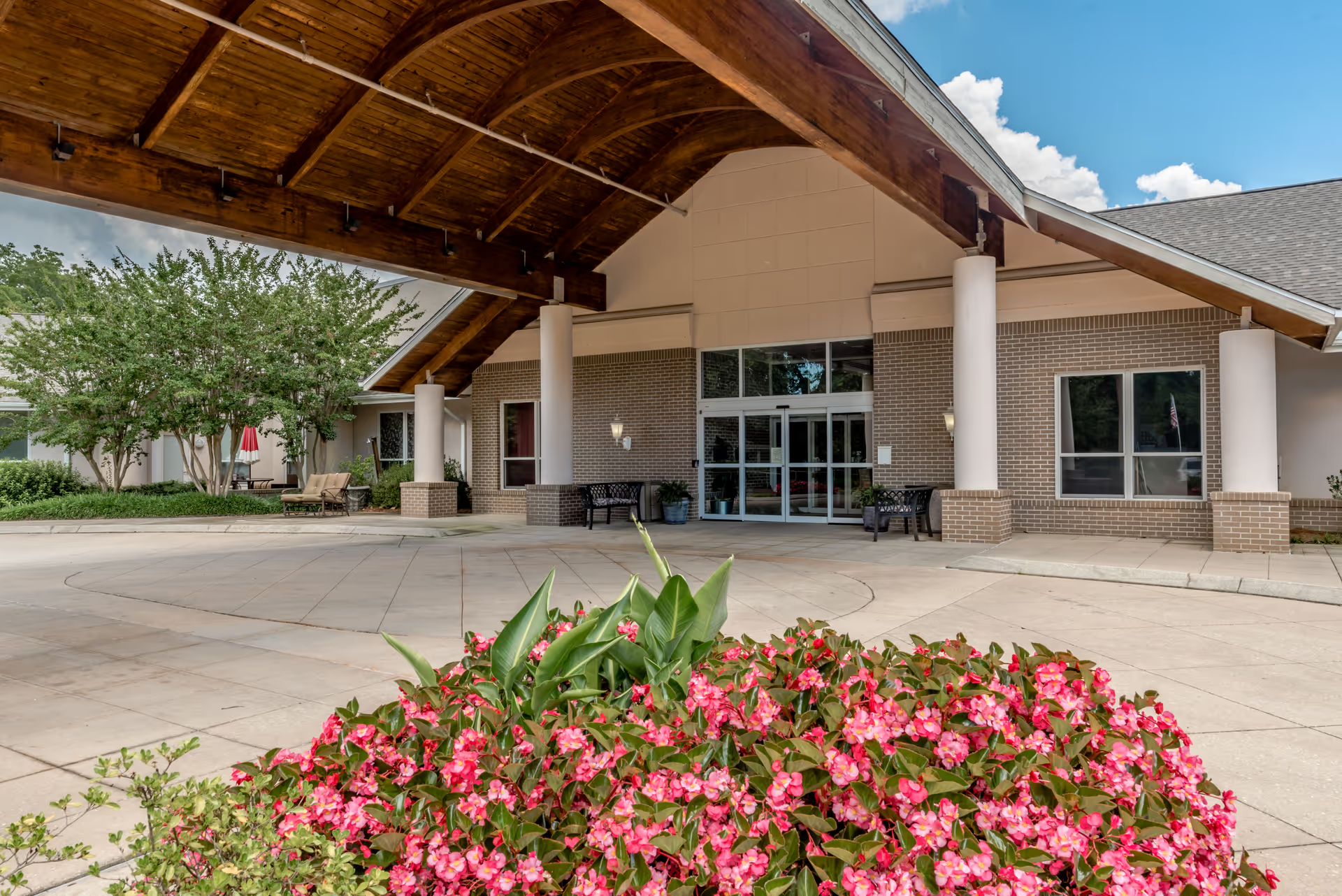
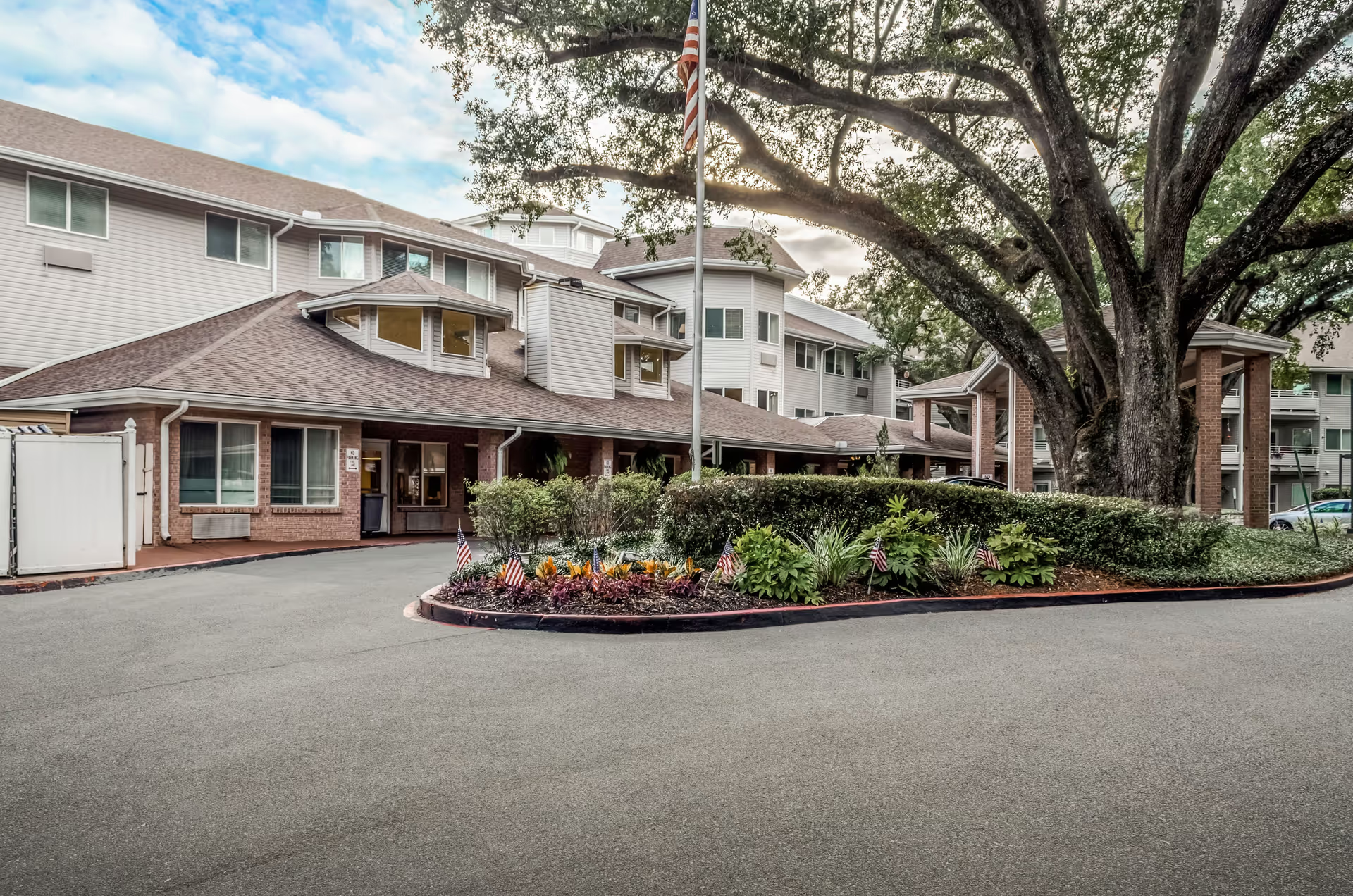
Overall impression: The Brennity at Daphne presents as a well‑maintained, amenity‑rich assisted living and memory care community with many features that appeal to active seniors and families seeking social engagement. Reviewers commonly cite bright, open architecture, large landscaped grounds, themed memory‑care areas, and a broad range of on‑site amenities (salon, retro soda‑shop ambience, barbershop) as strong points. The community offers an extensive calendar of activities, therapeutic programming, and frequent off‑site outings with transportation options, which many residents find engaging and beneficial to quality of life.
Care and staff: Many families describe caregiving staff as compassionate, attentive, and professional; the facility earns particular praise for warm daily interactions, proactive communication from concierge/administrative staff, and responsive maintenance teams. Memory‑care programming and secure neighborhoods are noted as thoughtful and welcoming for residents with cognitive needs. At the same time, a pattern of operational concerns appears in staffing and supervision. Several accounts describe inconsistent staffing levels (notably nights and weekends), reliance on subcontracted or temporary aides with variable training, and gaps in dementia‑care supervision. These issues are linked by reviewers to delays in attending to personal‑care needs, inconsistent safety monitoring, and intermittent lapses in bedside oversight. Families should inquire specifically about staffing ratios, night coverage, and staff training practices during tours and contract review.
Clinical care and family communication: The Brennity is credited with handling emergencies and some medical issues promptly, including on‑site medical visits and attentive responses to acute events. Nevertheless, there are recurring concerns about clinical oversight practices and family inclusion in medical decisions. Reviewers describe instances of medical choices being made without clear family notification and uneven medication/clinical documentation practices. Transparent consent processes, care‑plan meetings, and routine family updates are areas prospective families may want to confirm in writing.
Dining and housekeeping: Dining is frequently highlighted as a community strength—restaurant‑style service, attentive dining staff, strong presentation, and many residents enjoying meals. However, several reviewers note inconsistent food quality over time, menu execution that sometimes does not match posted items, and a perceived reduction in kitchen resources affecting variety and quality. Housekeeping and sanitation are generally praised in many areas, but isolated sanitation concerns in some resident bathrooms and occasional laundry or personal‑item management issues were reported; prospective families should ask about sanitation protocols, laundry workflows, and linen/item tracking procedures.
Facilities and amenities: The property scores highly for outdoor spaces, courtyards, accessible design, and on‑site amenities that support an active lifestyle. Apartment sizes vary; some residents appreciate in‑unit kitchens on select floor plans, while others find certain unit types small with limited options. Maintenance responsiveness is often praised, but there are reports of variable repair timelines for HVAC and other systems. Verify unit sizes, accessibility features, and maintenance SLAs when evaluating a specific apartment.
Management, contracts, and costs: Management is described variably—many reviewers praise individual staff and marketing/concert teams for smooth transitions and helpfulness, while others raise concerns about leadership follow‑through, pricing practices, and ownership focus. Comments include rent increases, promotional discounts to new residents, additional fees, and occasional confusion about memory‑care licensing and related policies. Prospective residents should carefully review contract terms, fee schedules, refund policies, and the facility’s approach to rate increases and memory‑care admission/licensing to avoid unexpected costs or policy surprises.
Who it may suit and final recommendation: The Brennity at Daphne may be a strong fit for seniors seeking a socially active, well‑appointed community with many amenities and programmed activities, especially when an engaging lifestyle and on‑site services are top priorities. Families prioritizing consistent clinical oversight, robust night/weekend staffing, and absolute clarity on medical decision‑making and fee structures should perform targeted due diligence: ask for staffing ratios and schedules, training/certification of subcontracted staff, written clinical‑communication protocols, sanitation procedures, and a clear copy of the residency agreement. That combination of a strengths‑focused visit plus focused operational questions will help determine whether the facility’s environment and practices match a particular resident’s care needs.