Overall impression: The reviews portray Florala Health and Rehabilitation, LLC as a facility with consistently strong interpersonal care and an emphasis on patient- and family-centered rehabilitation. Reviewers emphasize compassion, patience, and respect in staff–resident interactions, and several accounts note positive clinical outcomes such as successful rehabilitation and return home. Communication with families, including daily updates, is highlighted as a recurring strength.
Care and clinical services: Clinical care is described as attentive and quality-oriented. Therapy services are characterized as effective and appropriately targeted to recovery goals. Staff bedside manner and patience are repeatedly noted; reviewers describe staff taking time to explain care and to ensure understanding. These patterns suggest a care model that prioritizes individualized rehab plans and family involvement in decision-making.
Staff and management: Staff behavior and culture are framed as warm and hospitable, with multiple statements about going the extra mile and providing loving, dignified treatment. Daily updates and open communication point to active family engagement by management or nursing staff. However, there is limited public information about staffing levels, turnover, or the specific clinical qualifications of personnel, which makes it harder to evaluate operational staffing stability from available comments alone.
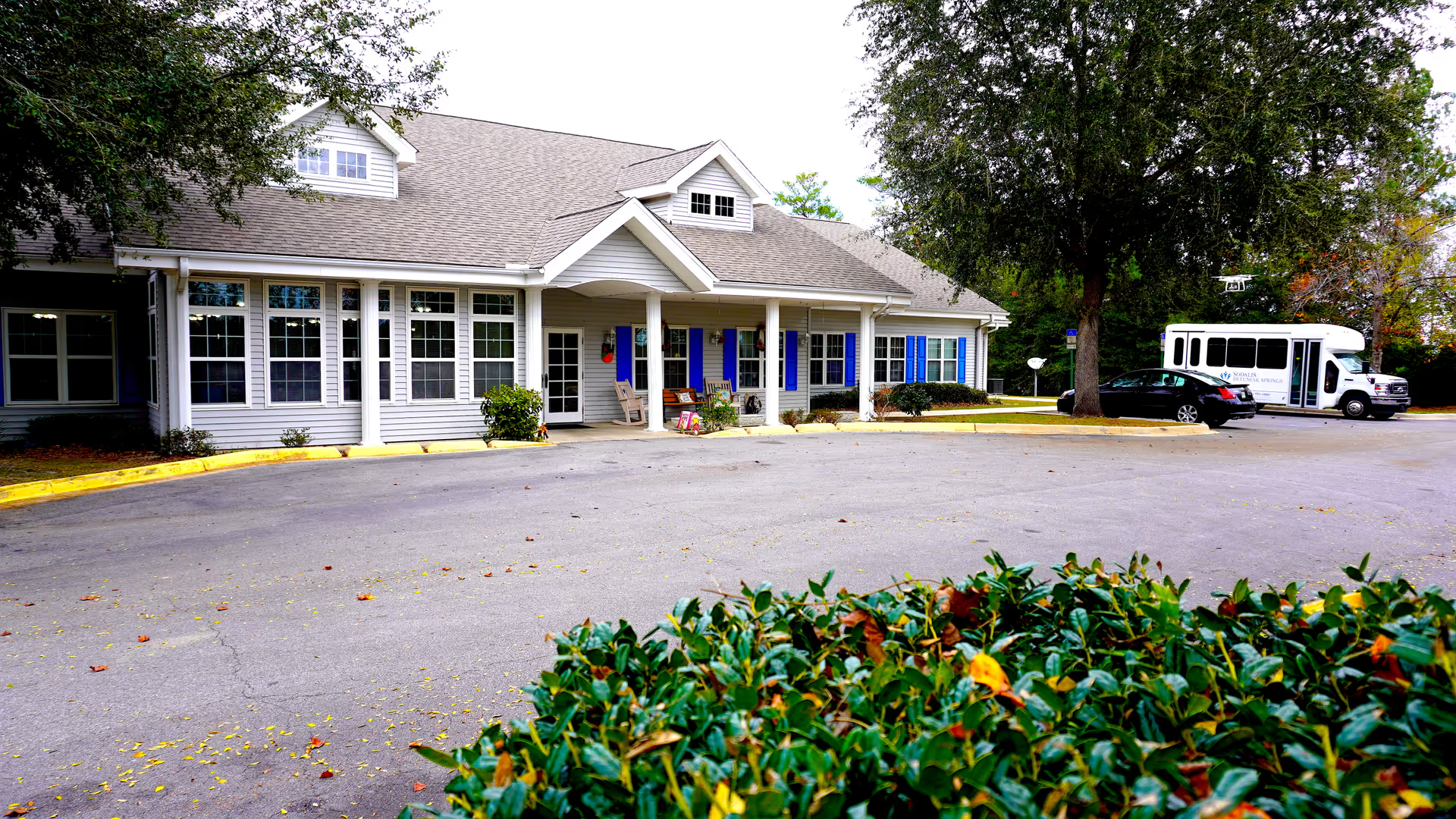
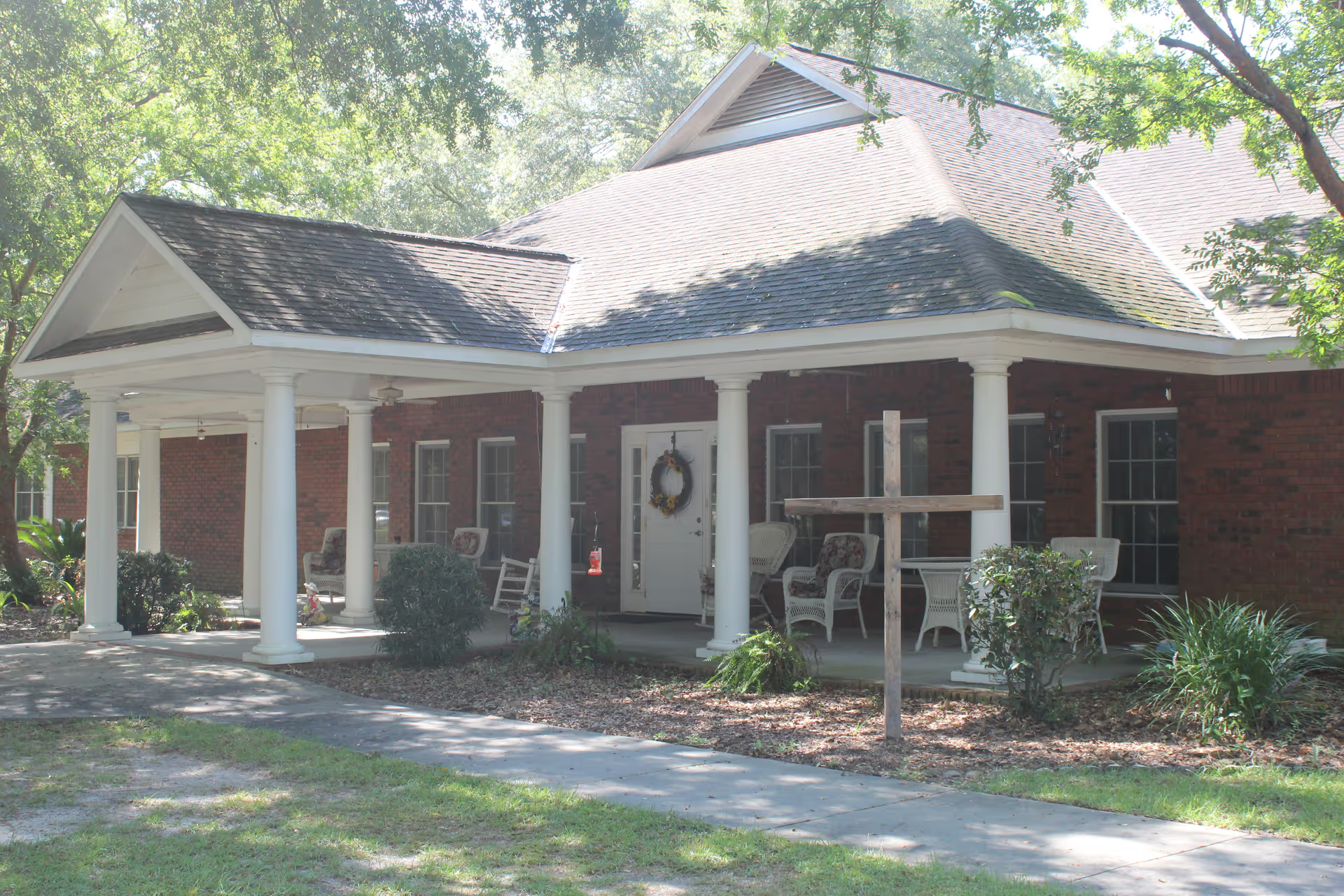
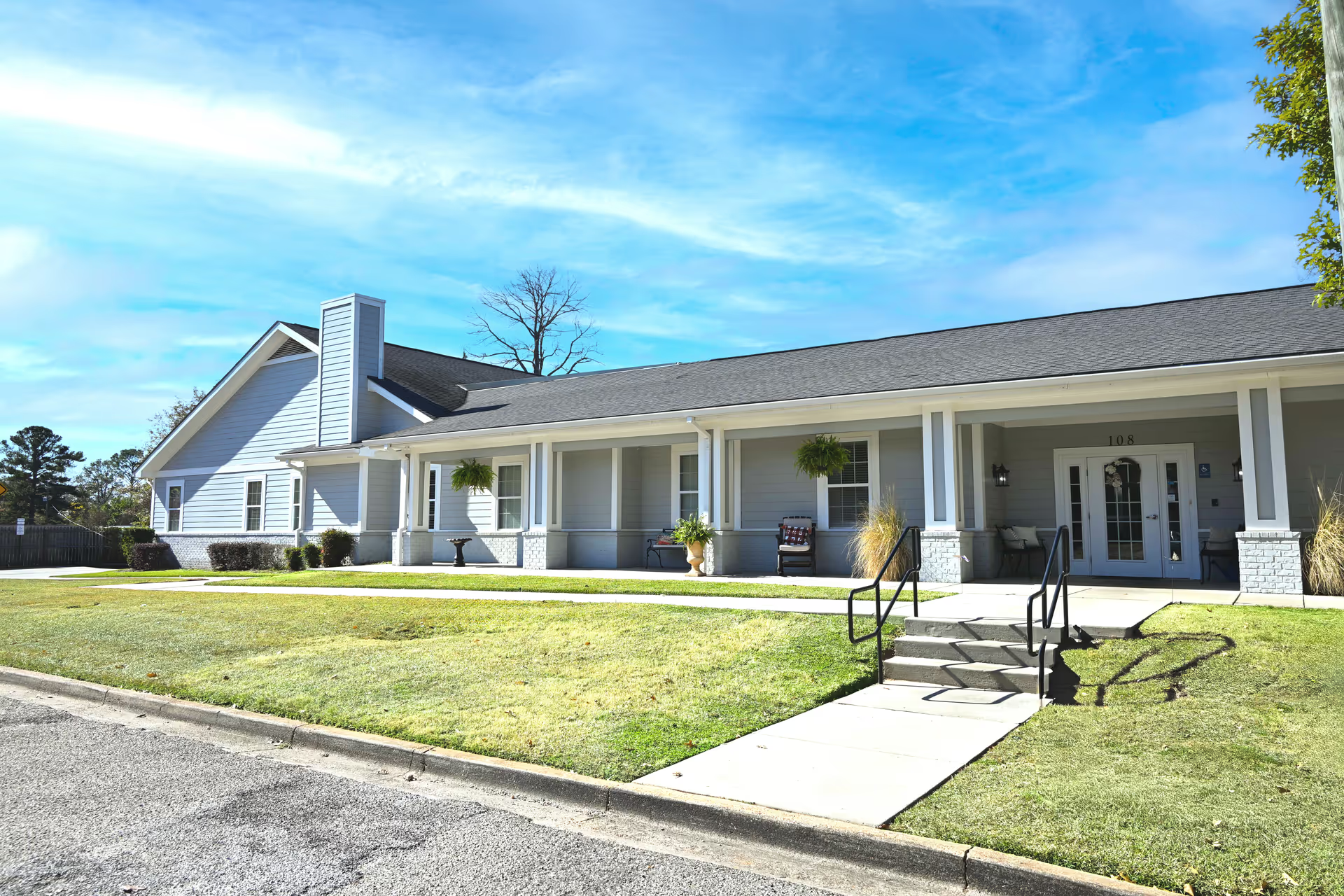
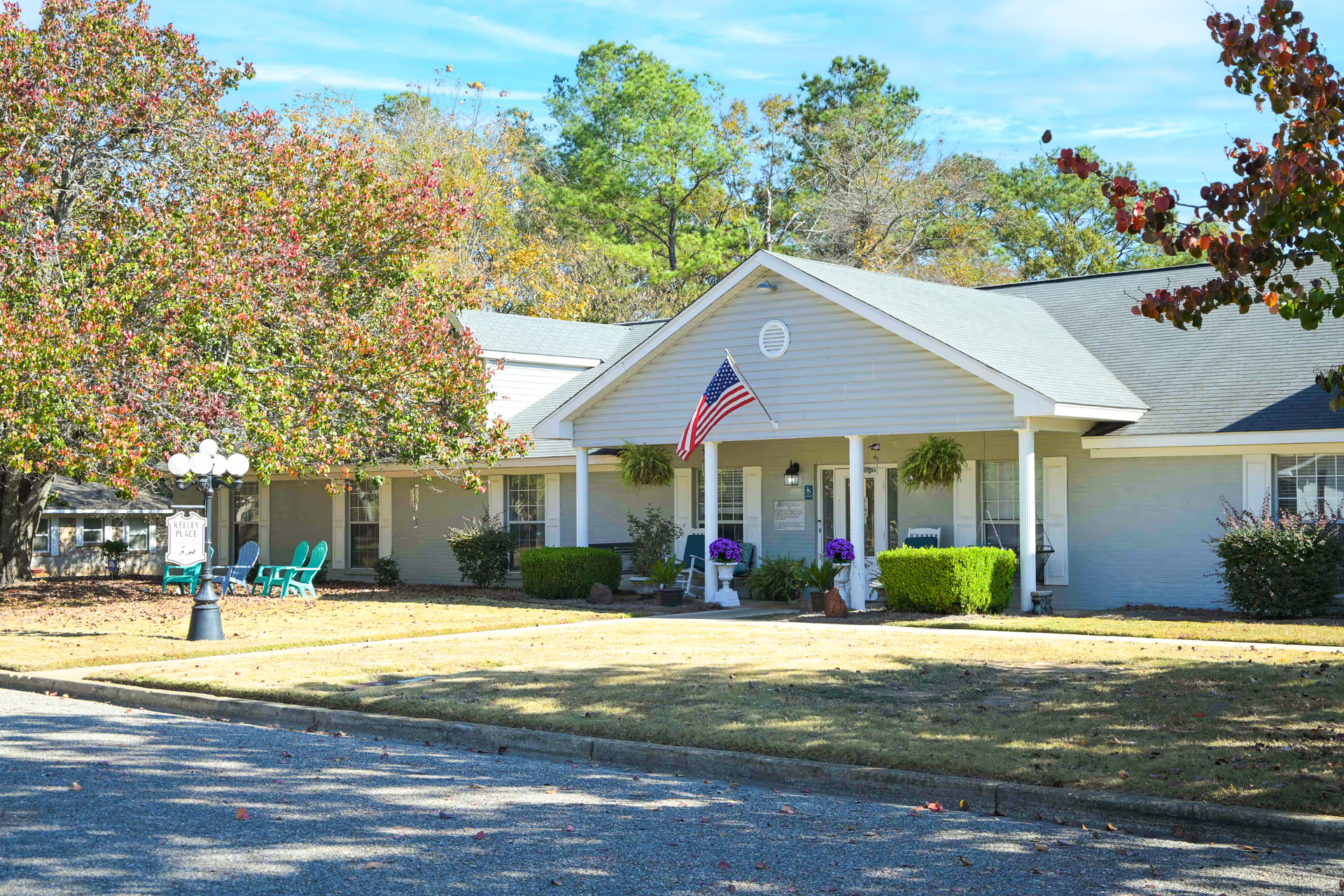
Dining and facilities: Dining receives positive mention, with food described as very good. The facility is also described as clean and well-kept, which supports a favorable impression of physical environment and sanitation. The overall tone indicates maintenance of common spaces and attention to resident comfort.
Activities and post-discharge processes: Reviews focus heavily on clinical care and interpersonal aspects but provide few specifics about recreational programming, activity schedules, or the breadth of social engagement opportunities. Information about specialized services such as memory/dementia care and formal discharge-planning processes is similarly sparse; one positive discharge outcome is described, but broader patterns of aftercare coordination are not detailed.
Notable patterns and limitations: The dominant themes are compassionate staff, effective therapy, good food, and strong family communication. Areas where additional information would be helpful for prospective residents and families include documented activity programming and schedules, clarity on specialized long-term or memory-care services, transparency about staffing ratios and clinician credentials, and systematic descriptions of discharge planning and post-discharge follow-up. These are not described as active problems in the available comments but represent gaps in publicly shared detail that could influence decision-making.