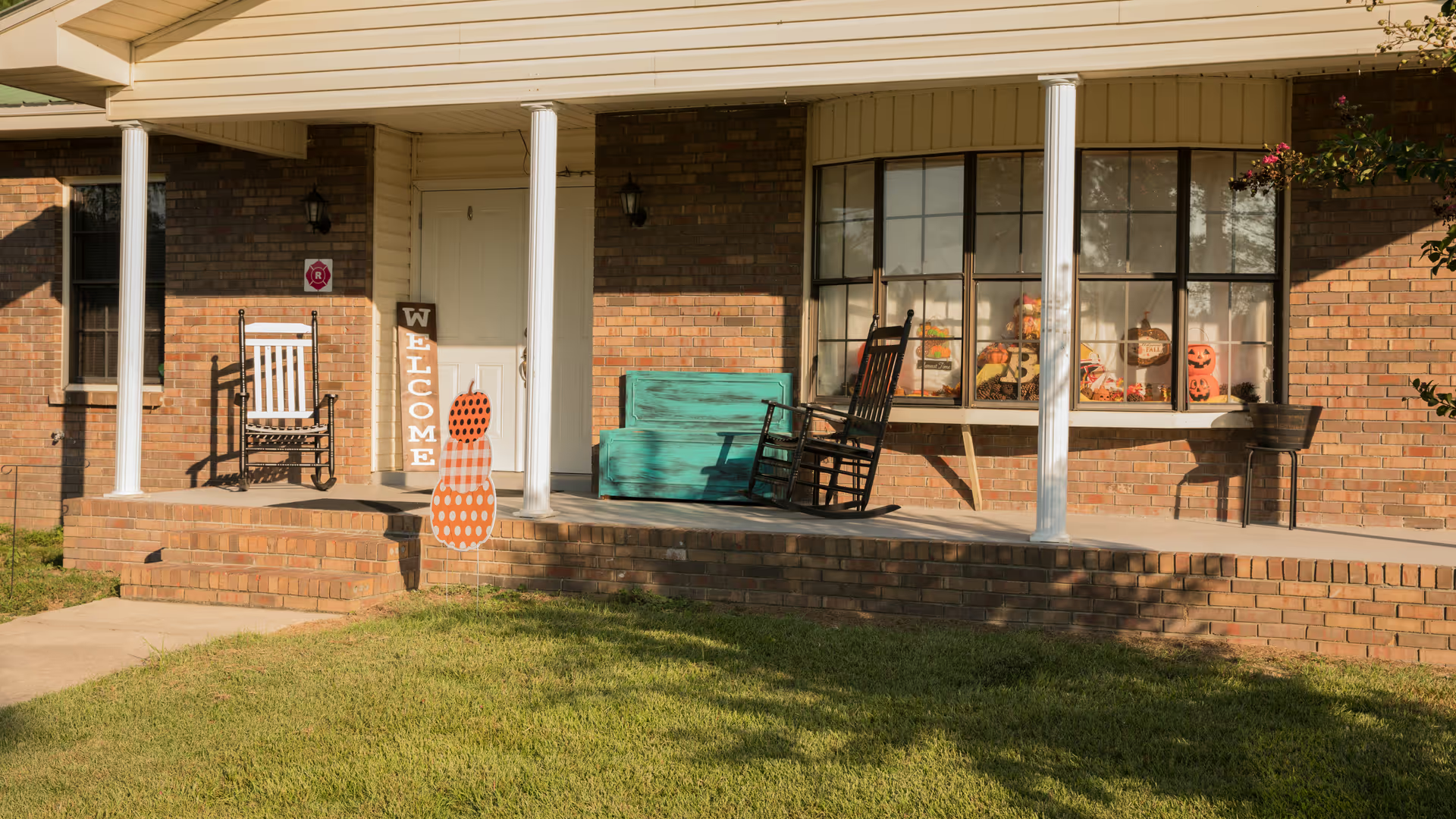
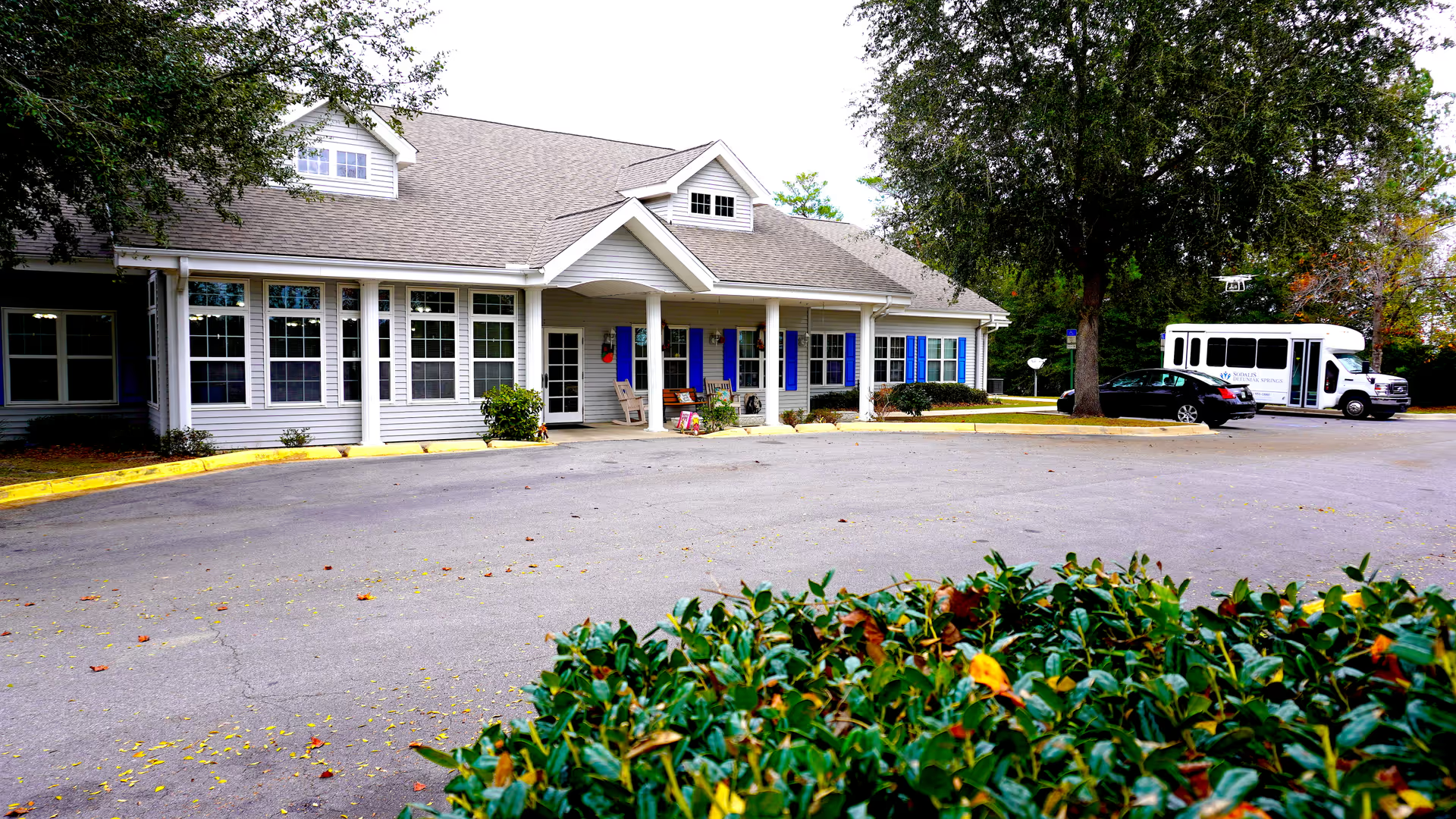
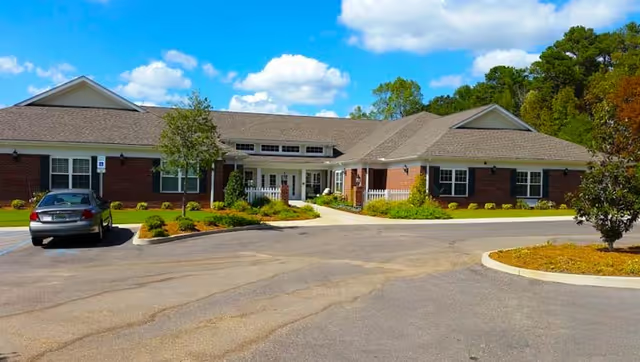
Kelley Place elicits strongly mixed but coherent impressions. Many families describe a clean, welcoming building with visible renovations, an interior courtyard, a new gym and salon services, and private rooms with en-suite bathrooms. Reviewers consistently praise warm, compassionate caregiving staff, an active social environment, and a facility focus on memory-care services and resident socialization. On-site clinical presence and organized activity calendars, plus conveniences such as on-site podiatry and hair-styling, are cited as real strengths that contribute to residents’ quality of life.
At the same time, a consistent pattern of operational weaknesses appears across reviews. Staffing instability and high turnover are recurring themes; families cited both short-staffing and unreliable night coverage. That instability is linked to uneven continuity of care, intermittent activity programming when directors change, and inconsistent clinical practices such as medication-change communication. Several families described gaps in safety monitoring and fall-prevention practices; these indicate opportunities to strengthen clinical oversight and risk-management protocols.
Dining and daily routine elements show mixed performance. The dining area and meal presentation are often described positively, and some residents enjoy the food, but reviewers also raised concerns about menu management, timing of meals, and an outdated four-week rotation. Activity programming is energetic and varied when a stable activities coordinator is in place, but turnover in that role has led to interruptions in scheduled outings and events for some residents.
Facility maintenance and personal-property controls are another area of divergence. Many accounts highlight excellent cleanliness and pleasant smells in common areas, while other comments point to inconsistent maintenance attention in specific units and occasional sanitation or upkeep gaps. A substantive operational concern is loss or misplacement of personal items; families reported missing clothing, mobility aids, and hearing devices, which suggests the need for stronger asset-tracking and property-protection processes.
Management and communication show mixed experiences. Several families praised particular administrators and staff for responsiveness and compassionate communication, and the facility’s use of Facebook/FaceTime for family connection was noted positively. However, others described difficulty reaching leadership, inconsistent director hours, and a corporate ownership model perceived as emphasizing cost. These themes, combined with perceptions that pricing may be high relative to received care, point to the importance of clear, ongoing family communication about staffing plans, care-management policies, and billing expectations.
Bottom line: Kelley Place has many strengths—especially in memory-care specialization, a home-like environment, and engaging social programming when staffing is stable. Prospective residents and families should weigh those positives against operational concerns such as staff turnover, communication gaps, meal and activity continuity, property-control processes, and variable maintenance. Visiting the unit during different shifts, asking about current staffing ratios and turnover, reviewing protocols for medication changes and asset tracking, and confirming recent activity-program continuity will help families assess whether the facility’s current operations meet their expectations.