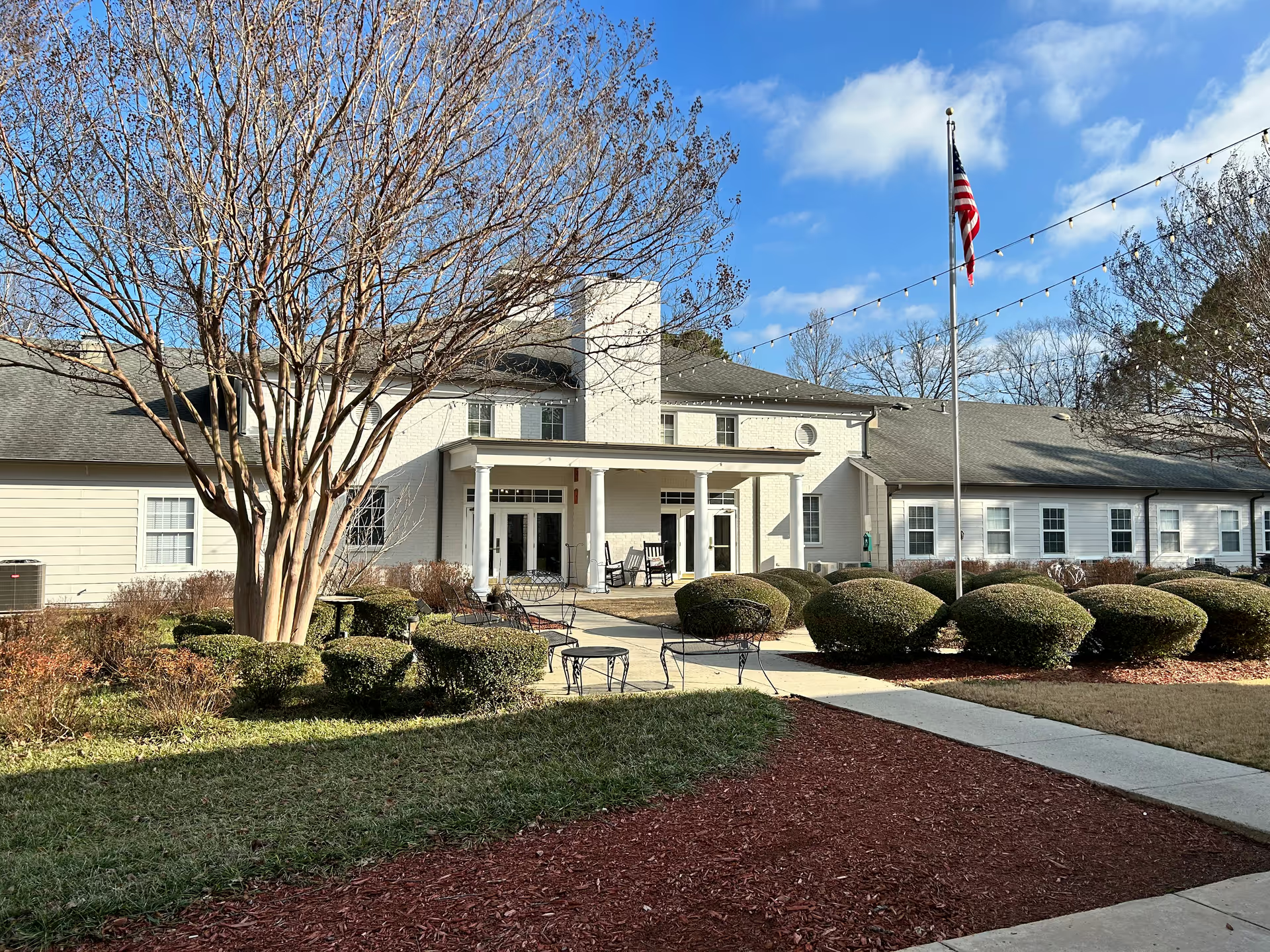
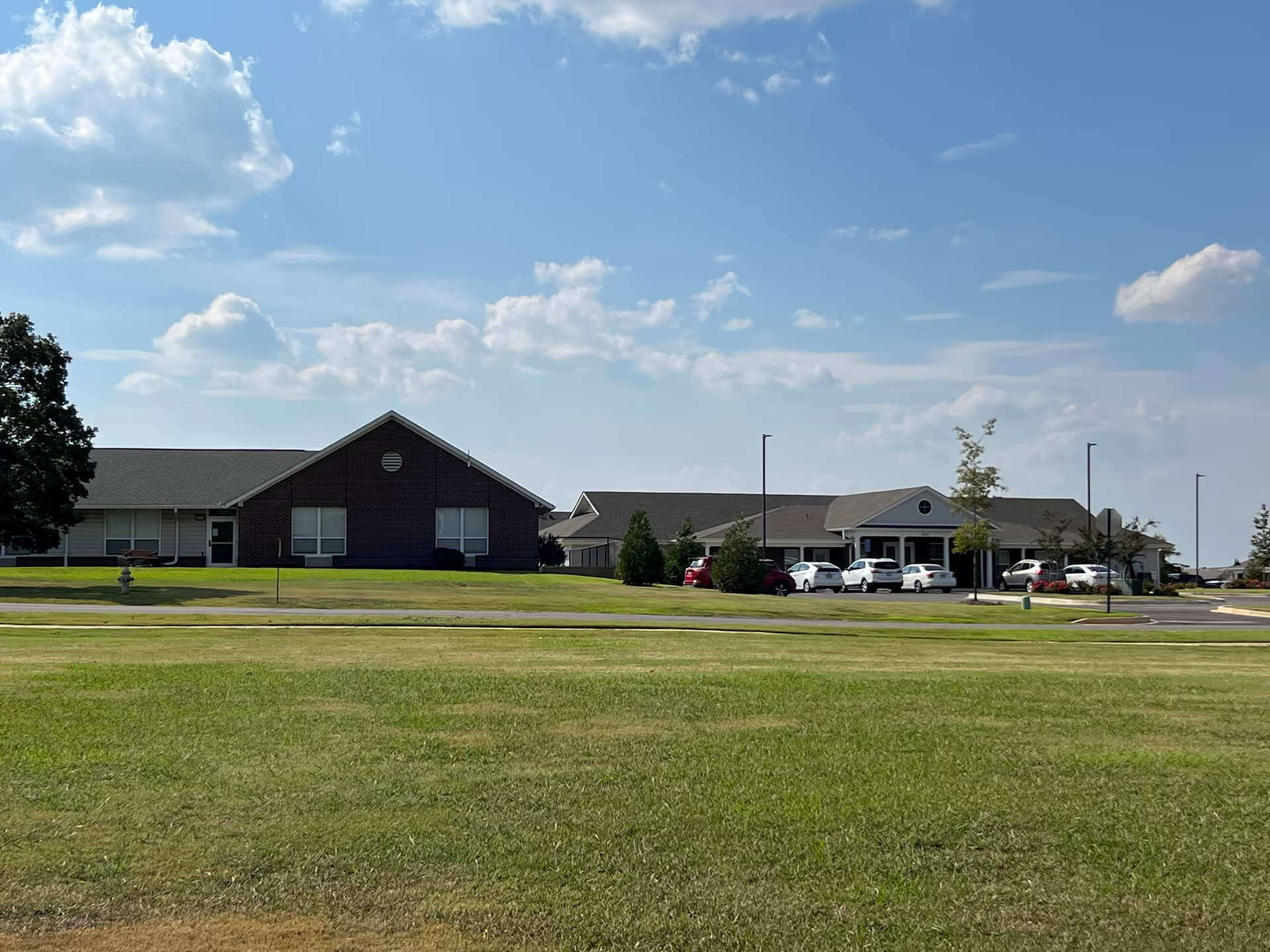
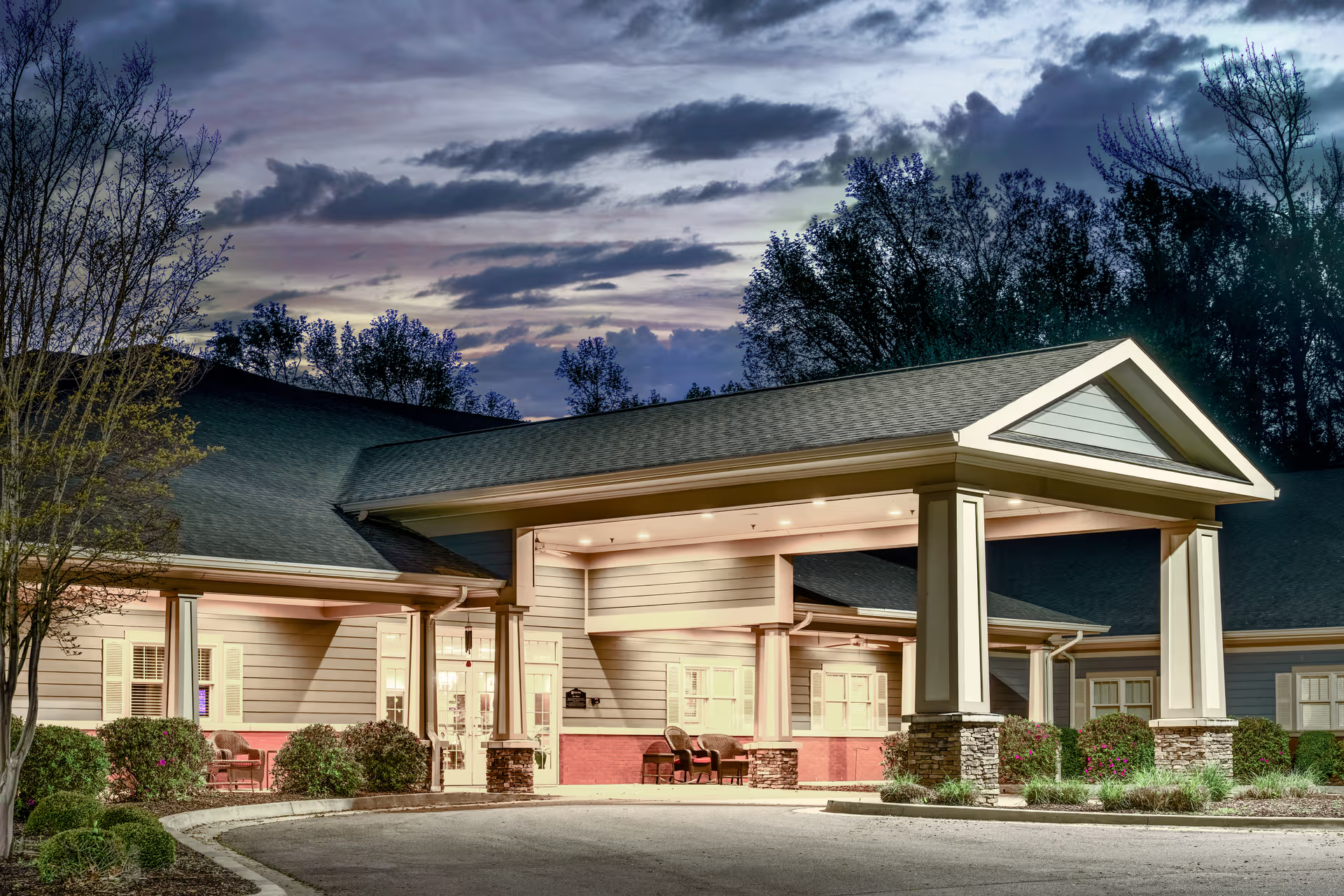
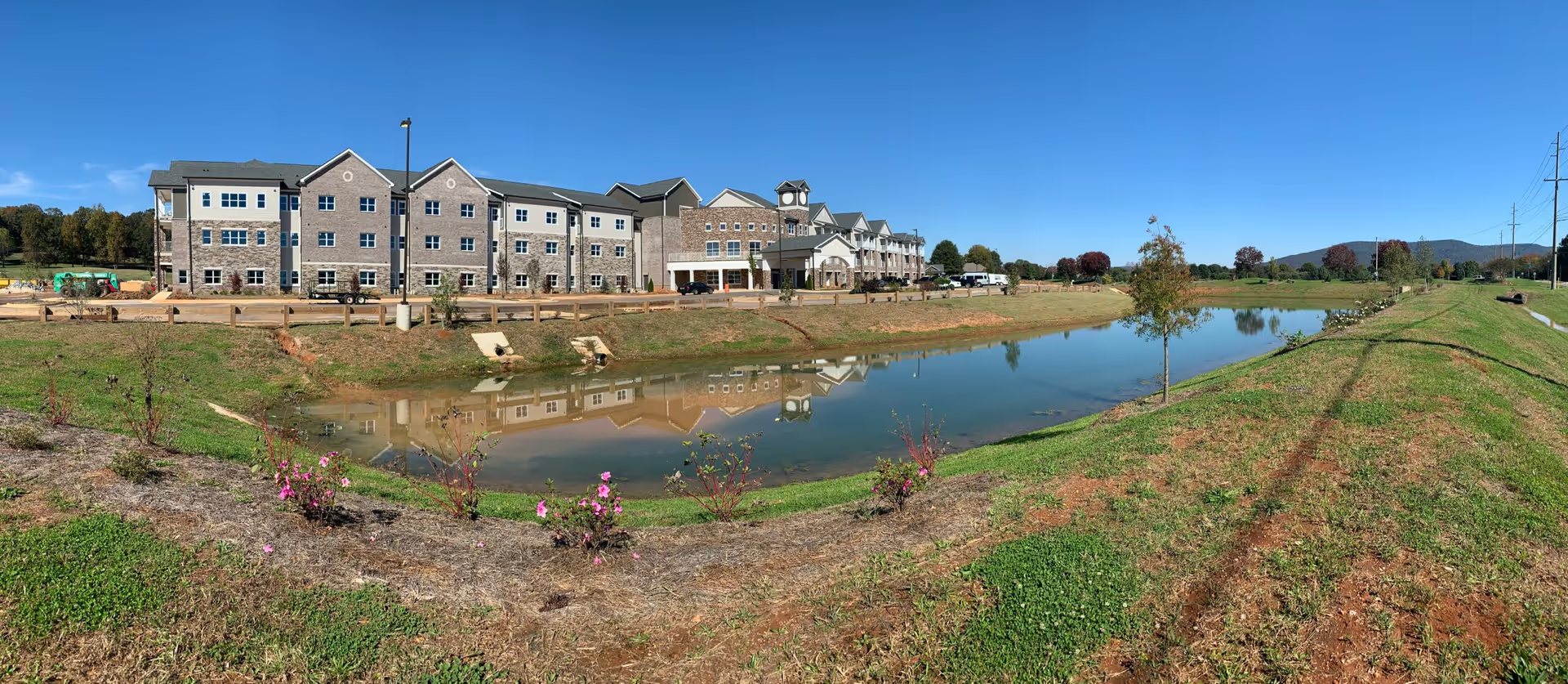
The reviews for Brookshire Rehabilitation and Healthcare Center describe a facility with highly polarized experiences. A consistent positive theme is the presence of dedicated direct-care staff—nurses, CNAs, therapists, and several named individuals—who families credited with compassionate daily care, effective therapy, wound management, and assistance with appointments and discharge logistics. Multiple accounts highlight strengths in rehabilitation when staffing and therapy resources were available, and some families reported strong social-work and front-office support as well as attentive end-of-life care.
Counterbalancing these positives are recurring operational concerns. Staffing instability and nurse turnover appear to contribute to delays in responsiveness (including unanswered call lights and slow nurse-call follow-up), inconsistent bathing and incontinence care, and variable medication administration timing and accuracy. Reviewers frequently described gaps in sanitation, linen change practices, and room-cleaning routines; these cleanliness inconsistencies were linked to odor concerns, spoiled refrigerated items, and the perception of an overall worn building in some units. Food service quality was described as inconsistent, with limited fresh fruit/vegetable options and frequent comments that meals were cold or lacked variety.
Communication and administrative processes are another notable pattern. Families cited limited or slow communication with clinical providers and the front office, challenges reaching staff by phone, and instances of belongings misplaced or stored without clear notification. A few reviewers raised serious individual claims, including allegations related to missing items and billing disputes; such claims suggest a need to clarify policies for personal-property handling and financial reconciliation. There were also mentions of safety and maintenance concerns (for example, unsecured seating or missing mobility aids) and sporadic pest-control issues in particular areas, indicating uneven facility upkeep.
Overall, the facility appears capable of providing high-quality, compassionate care in specific circumstances—particularly when experienced nursing and therapy staff are present—but the experience is highly dependent on staffing stability and management oversight. Prospective residents and families should consider an in-person tour, ask for current staffing ratios and therapy schedules, review infection-control and pest-management practices, clarify policies on medications and belongings, and request examples of recent quality-improvement actions or leadership changes. These steps can help assess whether the current operational environment aligns with the resident’s clinical and comfort needs.