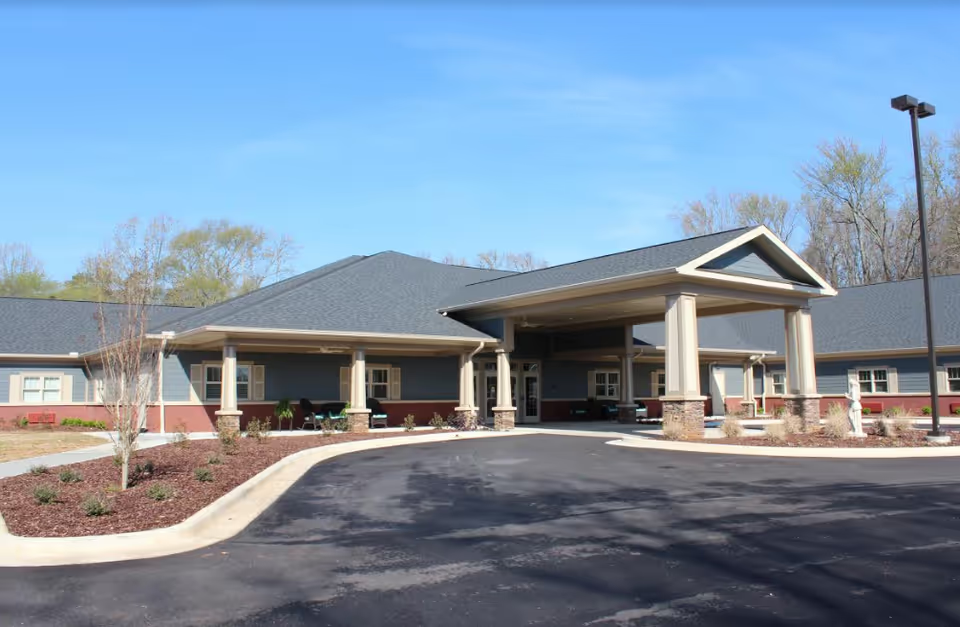
The reviews present a polarized picture of Diversicare of Big Springs. Many families and clinicians praise the facility's rehabilitation services — physical, occupational and speech therapy are repeatedly described as effective, outcome-oriented, and instrumental in returning patients home. Multiple comments also highlight individual staff members (therapists, social work, and some nurses/CNAs) as caring, attentive, and skilled. Renovation work and some modernized equipment were noted, and a subset of reviewers referenced positive administrative responsiveness under newer leadership.
At the same time, a substantial body of feedback raises consistent operational concerns in the long-term care setting. The most frequent issues center on staffing: high nurse-to-patient ratios, apparent understaffing on certain shifts, and uneven continuity of caregivers. Reviewers describe delayed responses to call bells and staff requests, inconsistent timing and documentation of medications, and gaps in wound-care and incontinence-care processes. These patterns are associated with infection-control worries and examples of delayed clinical escalation.
Staff conduct and communication present a mixed picture. While some frontline employees receive praise for warmth and professionalism, other accounts describe abrupt or unprofessional interactions, difficulty obtaining clear information, and uneven family communication. Several comments describe problems with discharge coordination, insurance or copay handling, and delays or confusion during transitions of care. Dining and daily living services drew variable feedback as well — reports range from satisfactory meal service to complaints about cold meals, missed meals, and inconsistent laundry or personal-care schedules.
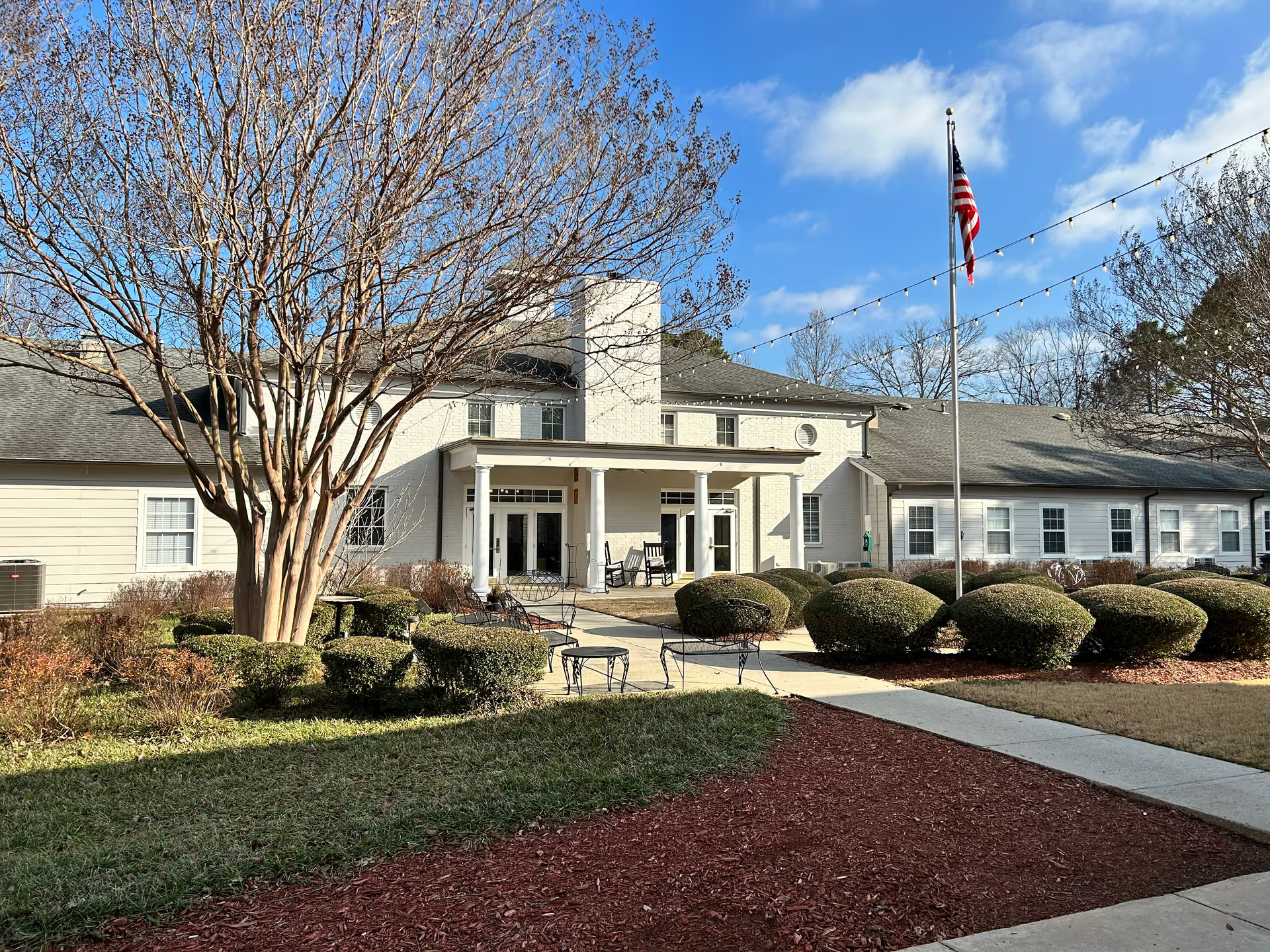
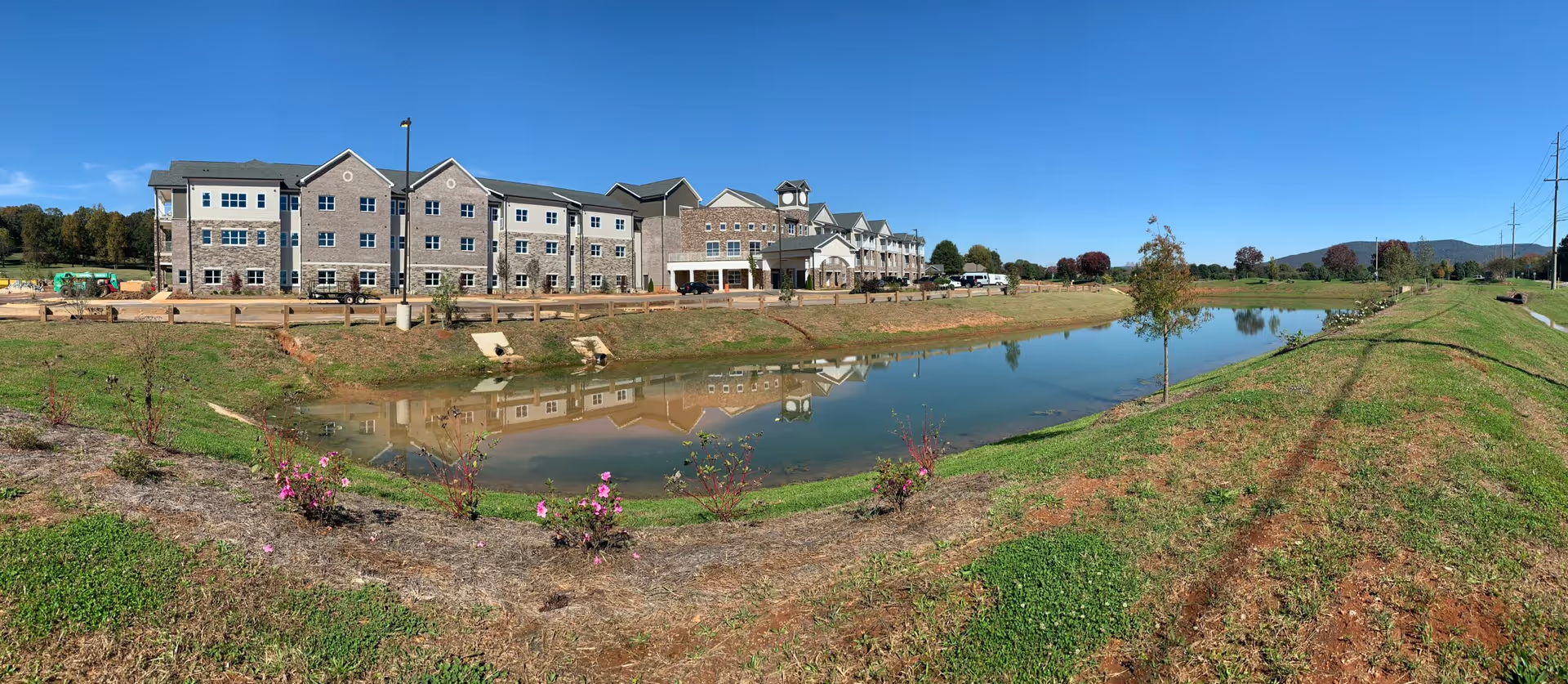
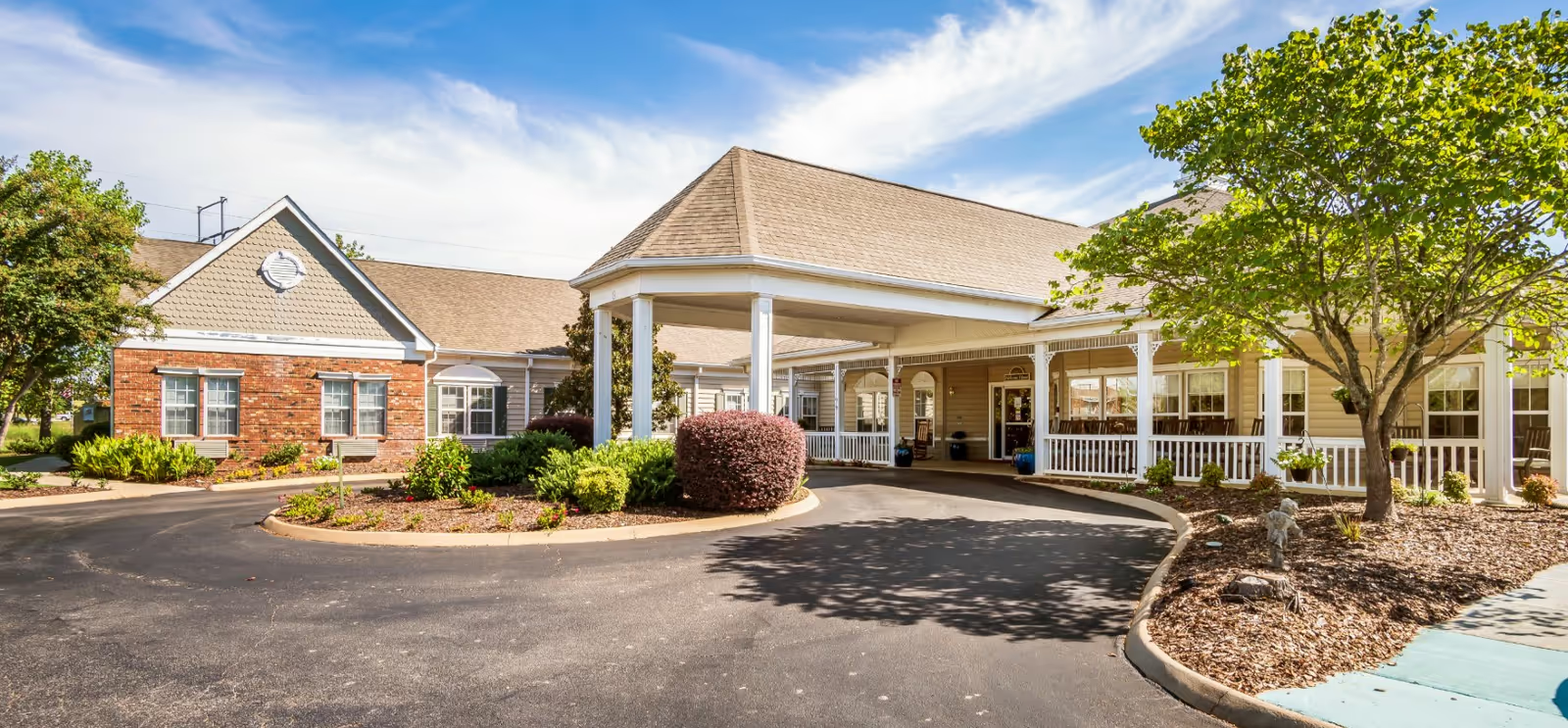
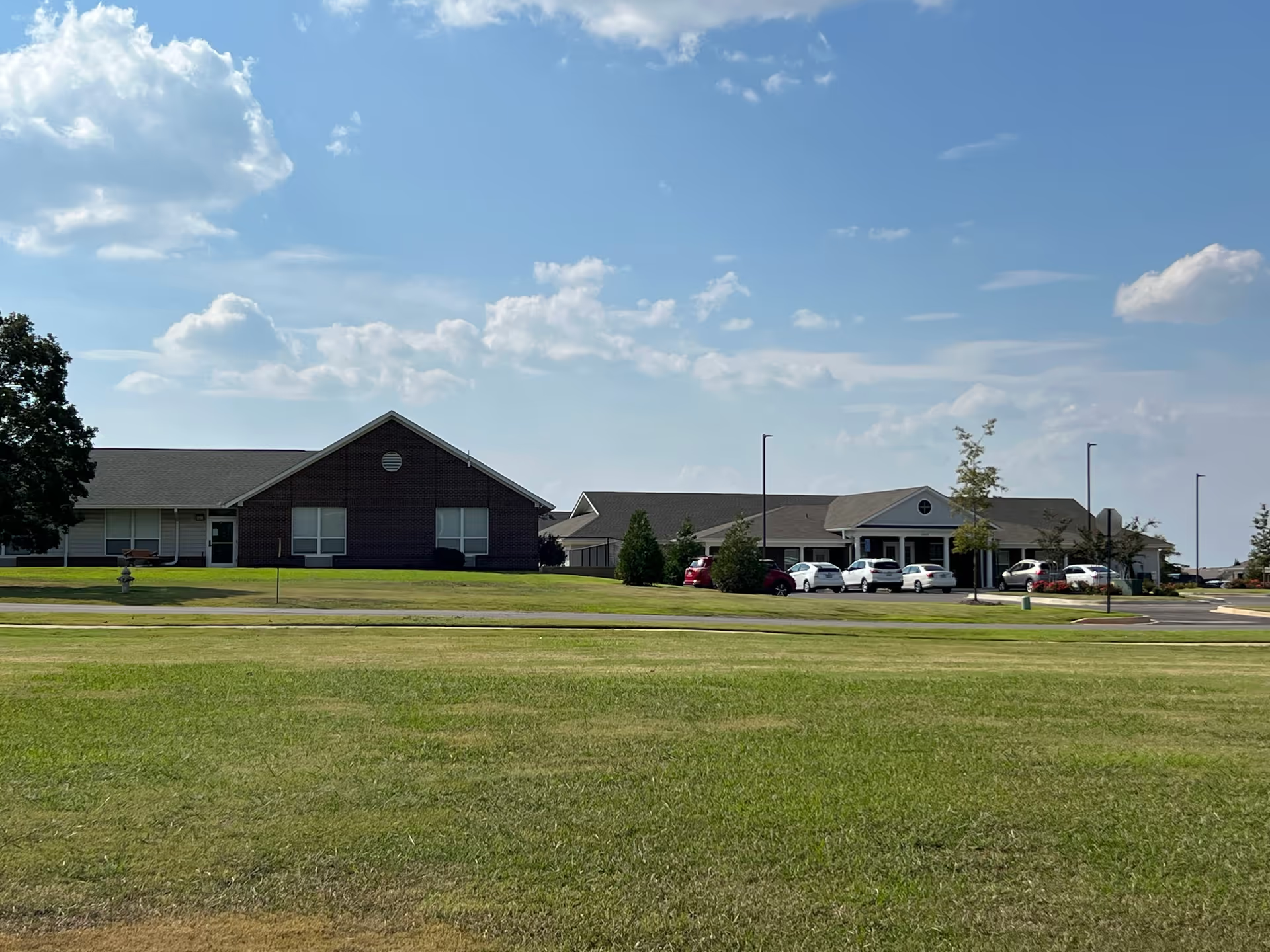
Facility condition and maintenance are also inconsistent across reports. Some reviewers note clean, welcoming hallways and ongoing upgrades, while others cite sanitation and pest-control shortcomings, dated areas that require further renovation, and attention-needed maintenance tasks. Safety practices are another recurrent theme: reviewers identified weaknesses in supervision, fall-prevention measures, and identification/medication-administration controls.
In summary, prospective residents and families are likely to encounter strong short-term rehabilitation capabilities and several dedicated caregivers, but should also be aware of recurring operational risks in long-term care services — particularly staffing consistency, medication and wound-care processes, responsiveness, and facility maintenance. Visiting in person, asking detailed questions about staffing levels on the intended unit, reviewing recent state surveys, and confirming care plans for medication administration, wound management, and discharge coordination are advisable steps when evaluating placement at this facility.