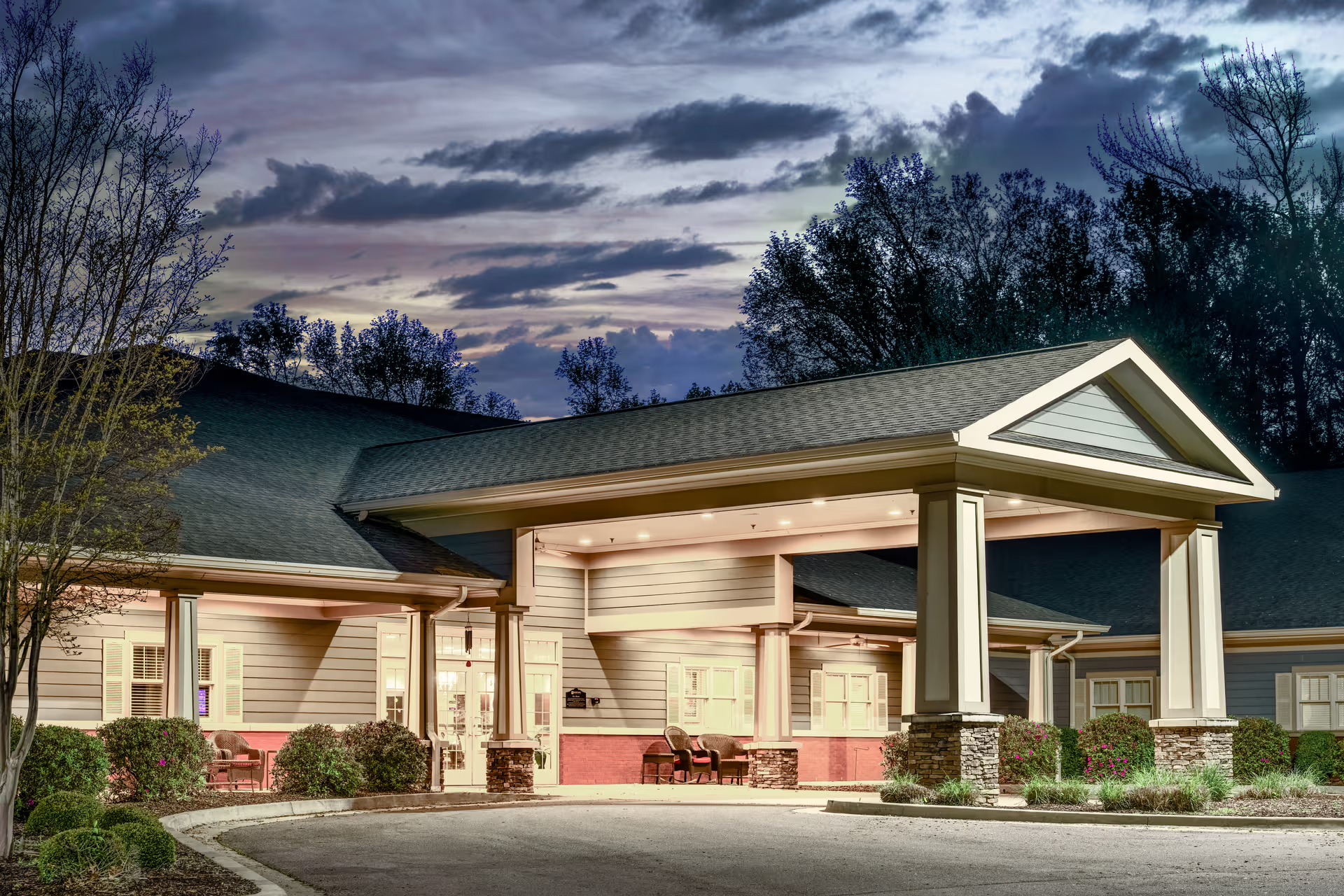
Reviews of Huntsville Health and Rehabilitation present a mixed picture. The facility receives consistent praise for its rehabilitative services and for individual staff members who are seen as caring and effective. Conversely, multiple reviewers describe operational weaknesses that appear to affect quality and consistency of care.
Care quality and clinical services: The rehabilitation program is widely described as a clear strength — physical, occupational and speech therapy are available up to six days per week, and several families credited therapists with measurable mobility improvements. Nursing and CNA staff were also praised at times for being compassionate and attentive; specific staff members and teams were called out for motivating therapy and providing dignified care. However, reviewers also pointed to uneven clinical competency among staff, inconsistent adherence to physician orders, and concerns about medication administration and documentation. There are a small number of serious allegations related to medication handling and regulatory complaints; these are significant and worth verifying with facility records and regulatory agencies.
Staffing and communication: A prominent pattern is variability in staffing levels, especially on night and weekend shifts, and high turnover. These staffing challenges are linked to long call-button response times, delays in addressing resident needs, and reports of slow or incomplete communication with families. Several reviews described failures in timely family notification after clinical incidents and difficulty obtaining medical records. Training gaps and inexperienced clinicians were cited as contributing factors to inconsistent clinical performance.
Dining and sanitation: Opinions on food quality vary: some families described flavorful meals and a family-oriented kitchen team, while others raised kitchen sanitation and food-service hygiene concerns. Dietary accommodations were noted as inconsistent in some cases. Cleanliness of common areas and courtyards was frequently praised, though a subset of reviews raised odor concerns and room/bathroom sanitation issues; these conflicting impressions suggest variability in housekeeping and environmental controls across units or shifts.
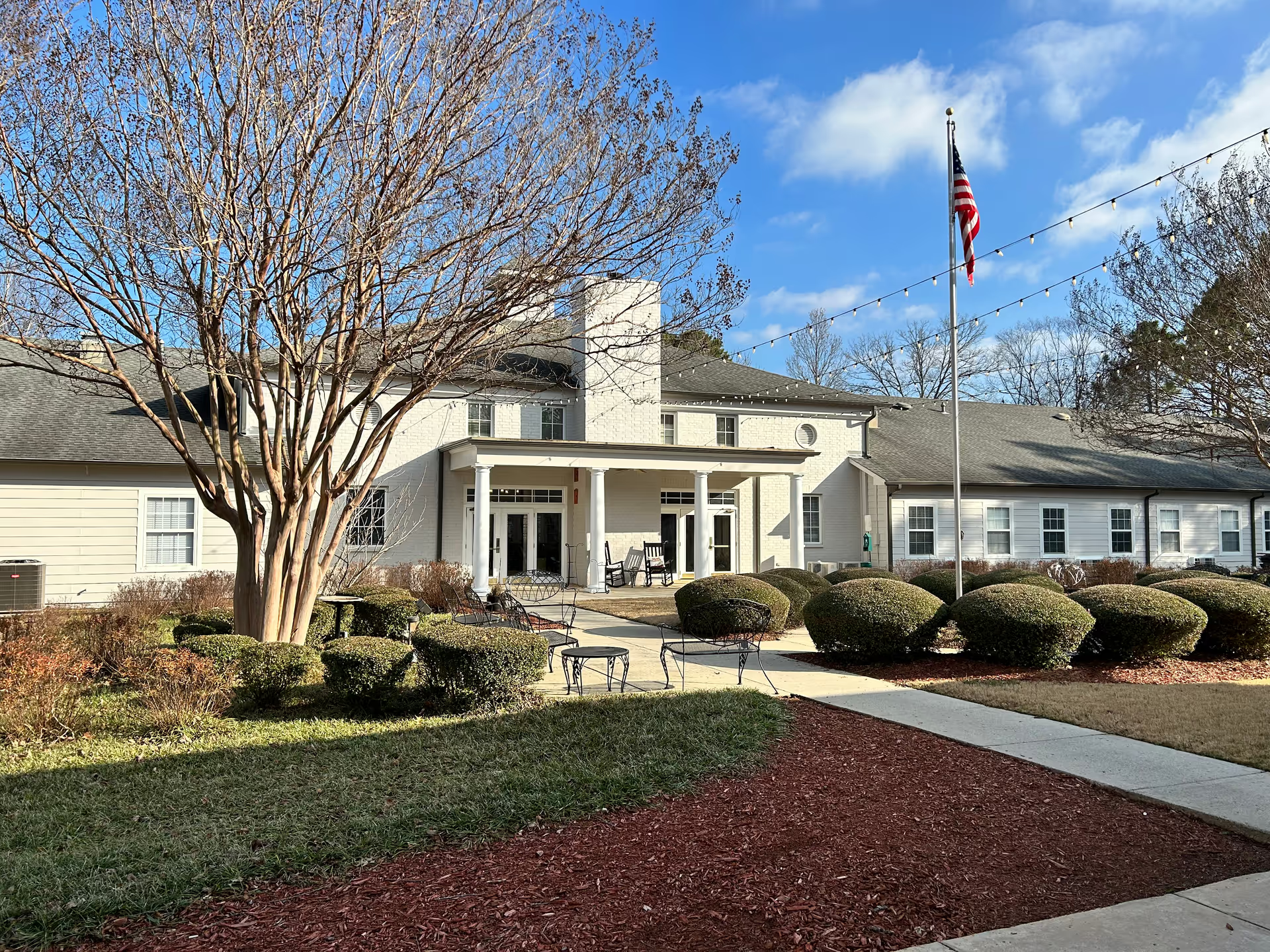
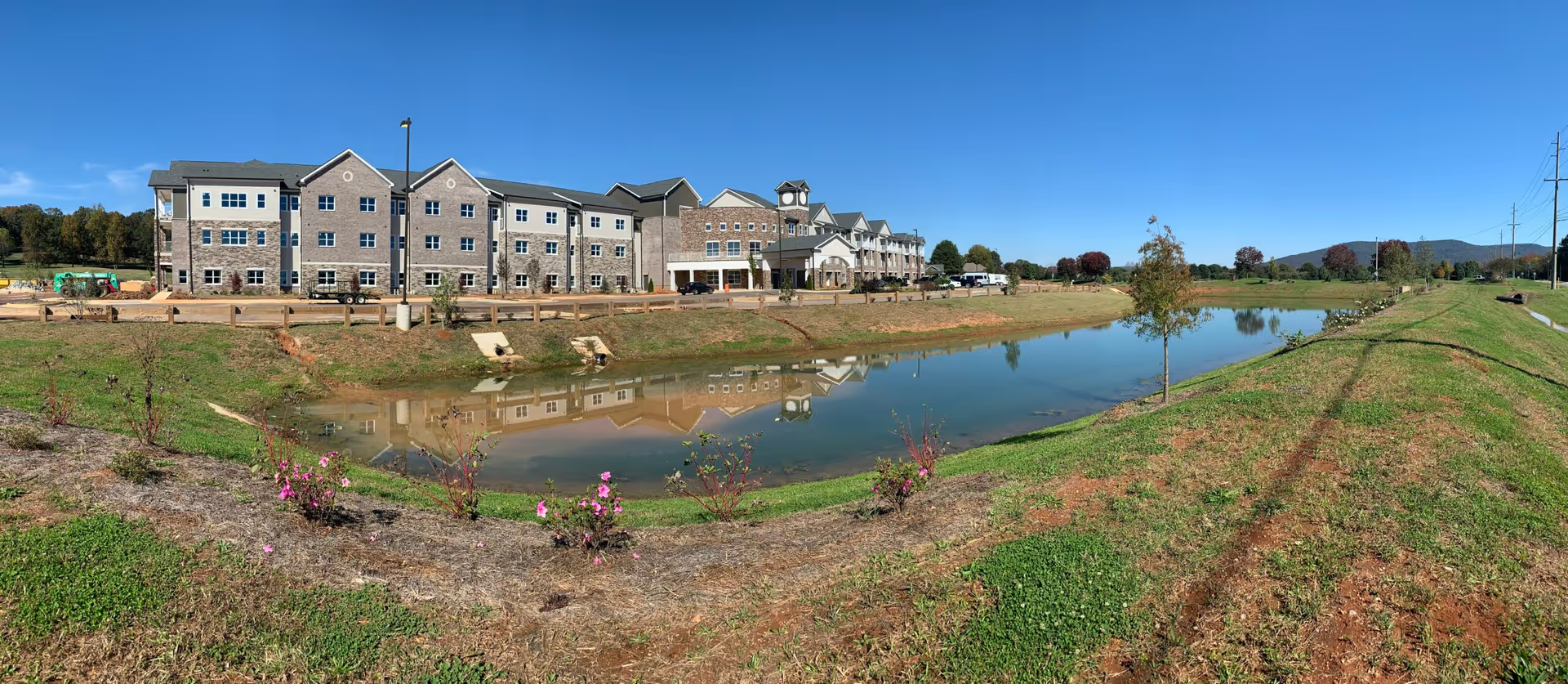
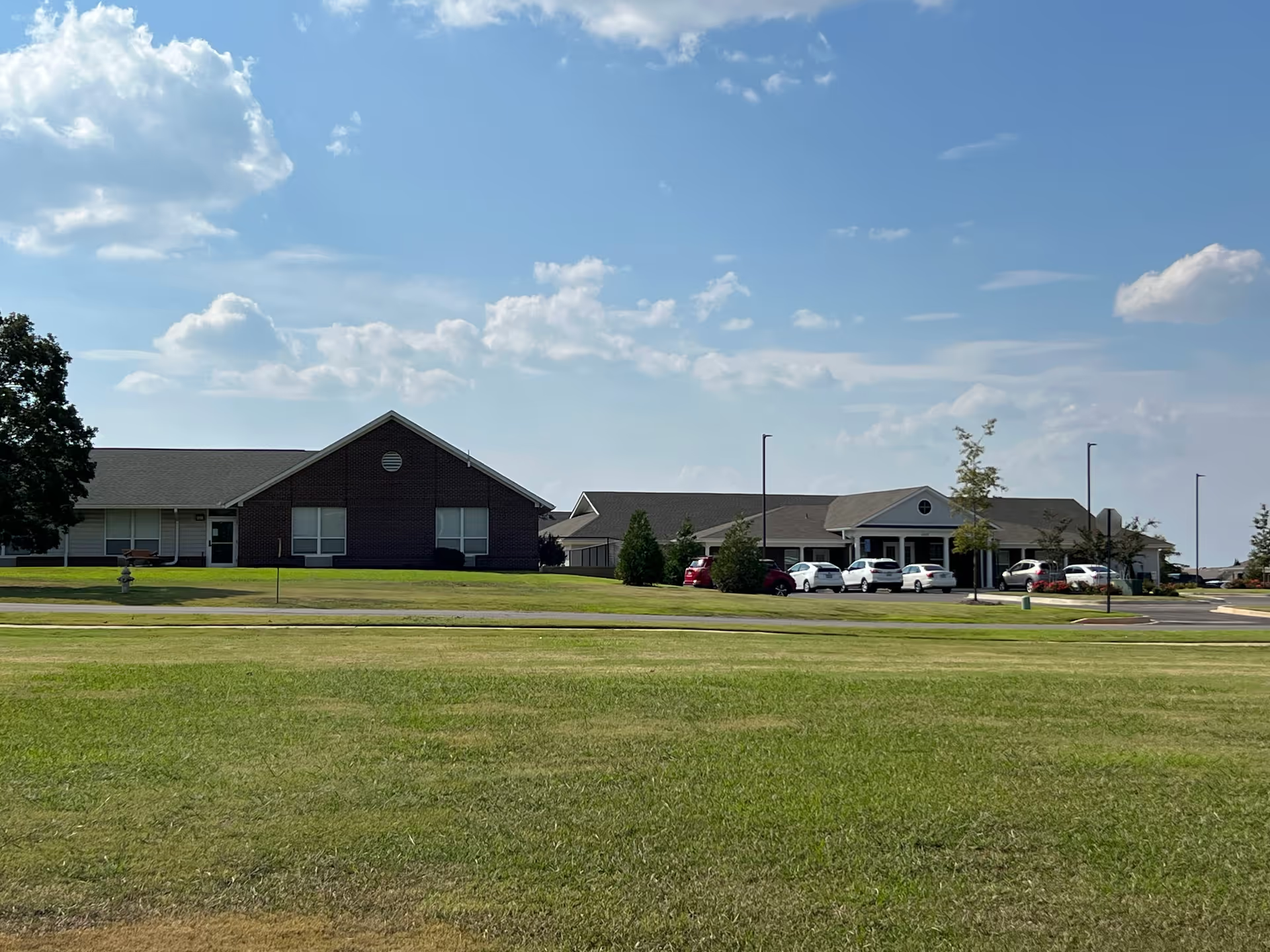
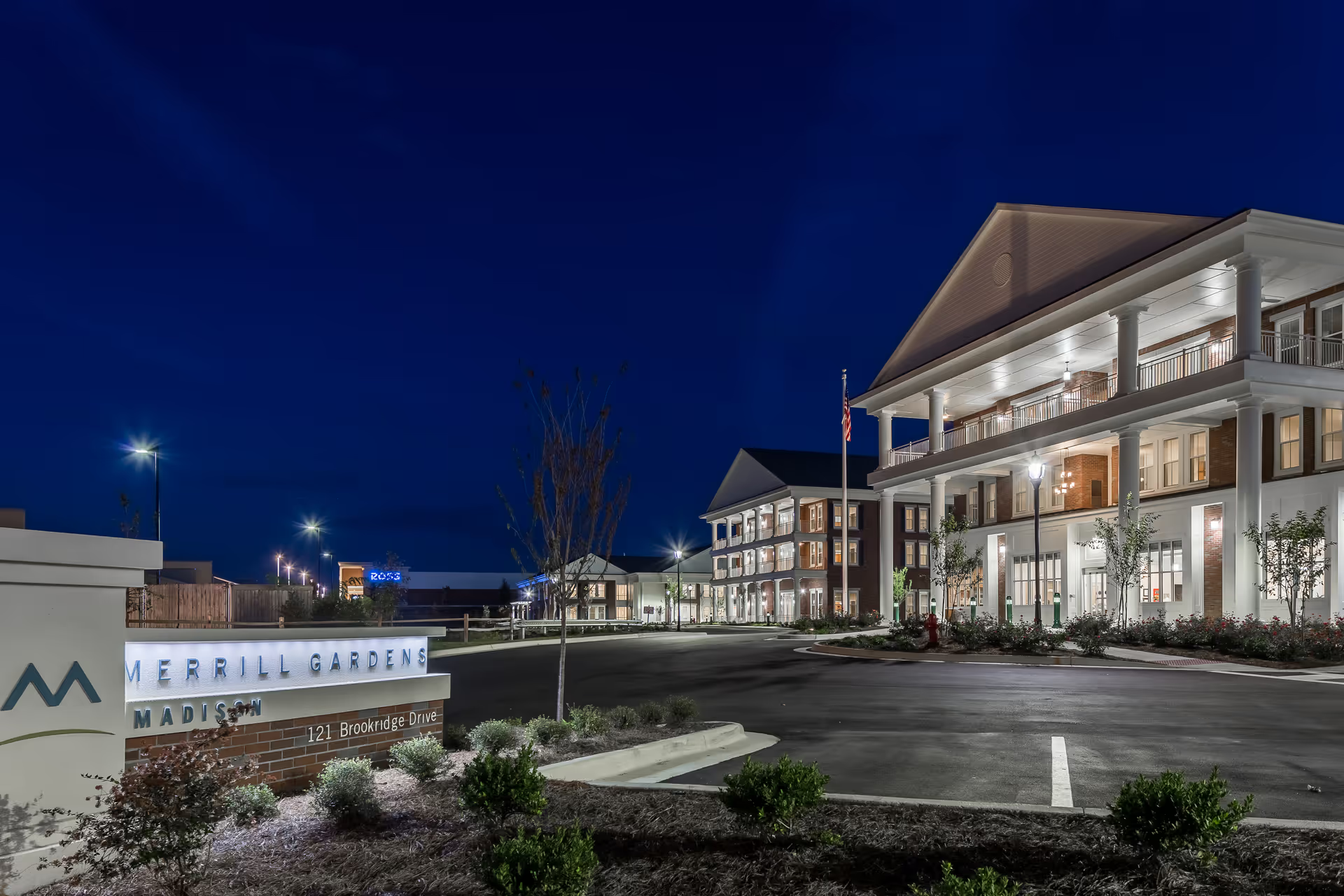
Facilities and activities: The facility's small, homelike layout, semi-private rooms, and soothing courtyards were frequently identified as positives. Dayroom activities and holiday events were appreciated and contribute to a convivial atmosphere for residents. The smaller scale of the facility is often seen as less overwhelming than larger nursing homes and supportive of individualized therapy and social engagement.
Management and culture: Reviewers describe inconsistent leadership experiences. Some families and staff praised responsive administrators and a team-oriented culture; others reported management-politics, nepotism concerns, and perceived lack of transparency regarding bed allocation and incident follow-up. These divergent accounts suggest variable managerial oversight and communication practices. Prospective residents and families should ask about leadership turnover, incident-reporting procedures, and how complaints are handled.
Notable patterns and recommendation: The most consistent strengths are the rehabilitative services, individual compassionate caregivers, and a small, homelike environment. The main areas of operational risk are staffing stability, medication and clinical documentation practices, family communication, and kitchen sanitation. Before placement, families should ask the facility for up-to-date staffing ratios (including nights/weekends), protocols for medication administration and incident notification, recent state inspection results, and how dietary needs are accommodated. A tour that includes discussion with therapy staff, nursing leadership, and the administrator can help determine whether the facility’s positive aspects align with an individual resident’s clinical and safety needs.