Overall impression Lynridge of Huntsville presents as a well-appointed assisted living and memory-care community with several clear strengths and recurring operational weaknesses. Many families praised the hands-on care provided by nursing and caregiving staff, the attractiveness and cleanliness of interior spaces, and a robust social calendar. At the same time, there are consistent concerns about price-value trade-offs, room size, management communication, and variability in service delivery that prospective families should evaluate closely.
Care and staff Clinical caregivers and CNAs are frequently described as caring, prompt, and willing to go beyond baseline duties; clinical follow-up after hospital transitions and individualized advocacy were highlighted in multiple accounts. The community offers dementia-capable services and structured memory-care programming, and some families reported that memory-care staff were effective at meeting cognitive-care needs. However, staffing shortages and turnover appear to affect continuity of care in some cases, and there are documented concerns about the tone of communication and conduct from some leadership and memory-care staff. Families should ask for staffing ratios, turnover statistics, and examples of how the community manages behavioral communication challenges in higher-acuity memory-care areas.
Dining and activities Dining is commonly cited as a positive feature: varied menus, generous portions, and an engaged chef were mentioned. At the same time, meal quality and presentation appear inconsistent between units, with specific concerns about plating and dinner quality in memory care and occasional statements about declining dining standards. The activity program is a strong point for many residents — regular programming, holiday events, religious services, bingo, and therapy-animal visits support social engagement — but activity availability and quality are uneven, particularly in the more advanced memory-care section where socialization can be limited. Prospective residents should observe activities in both assisted living and memory-care wings to assess fit.
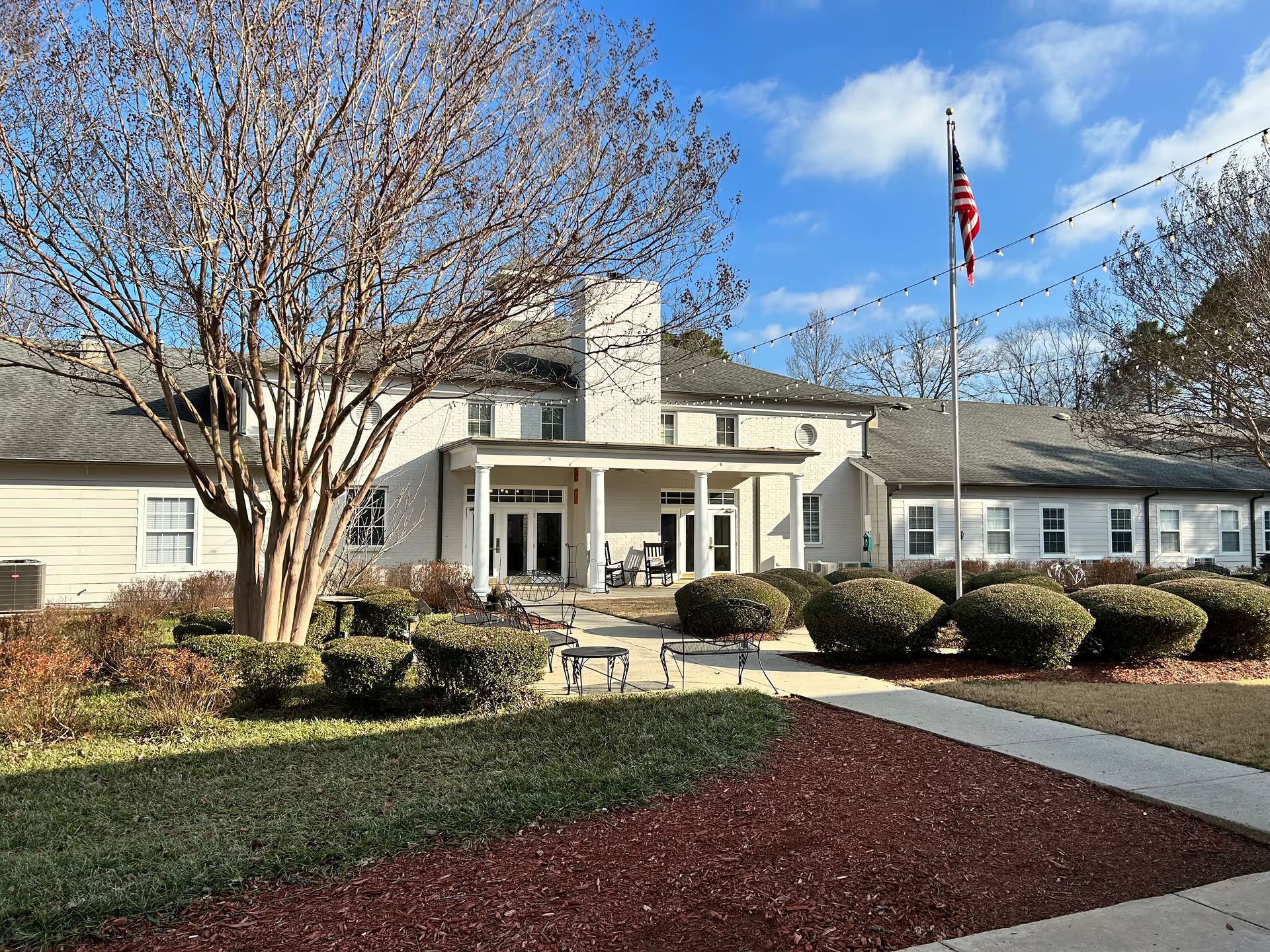
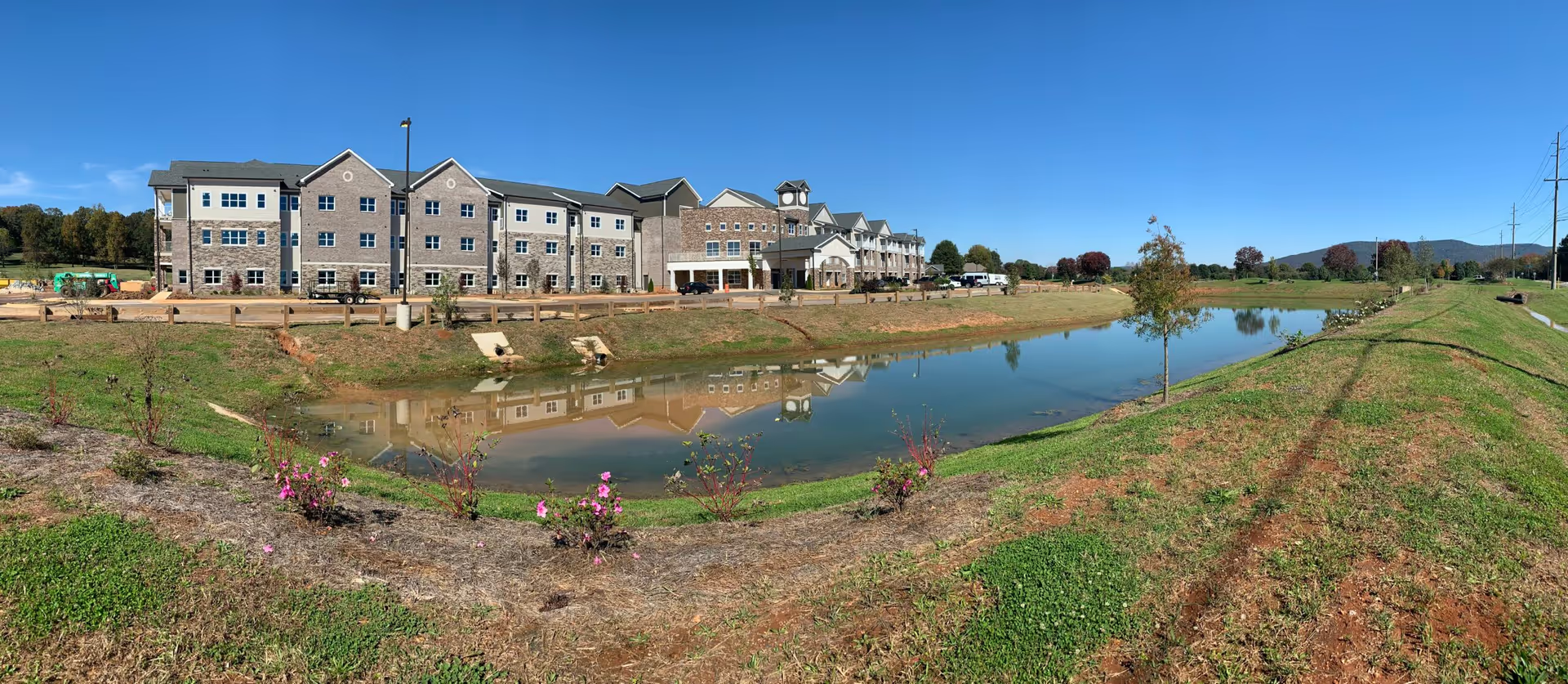
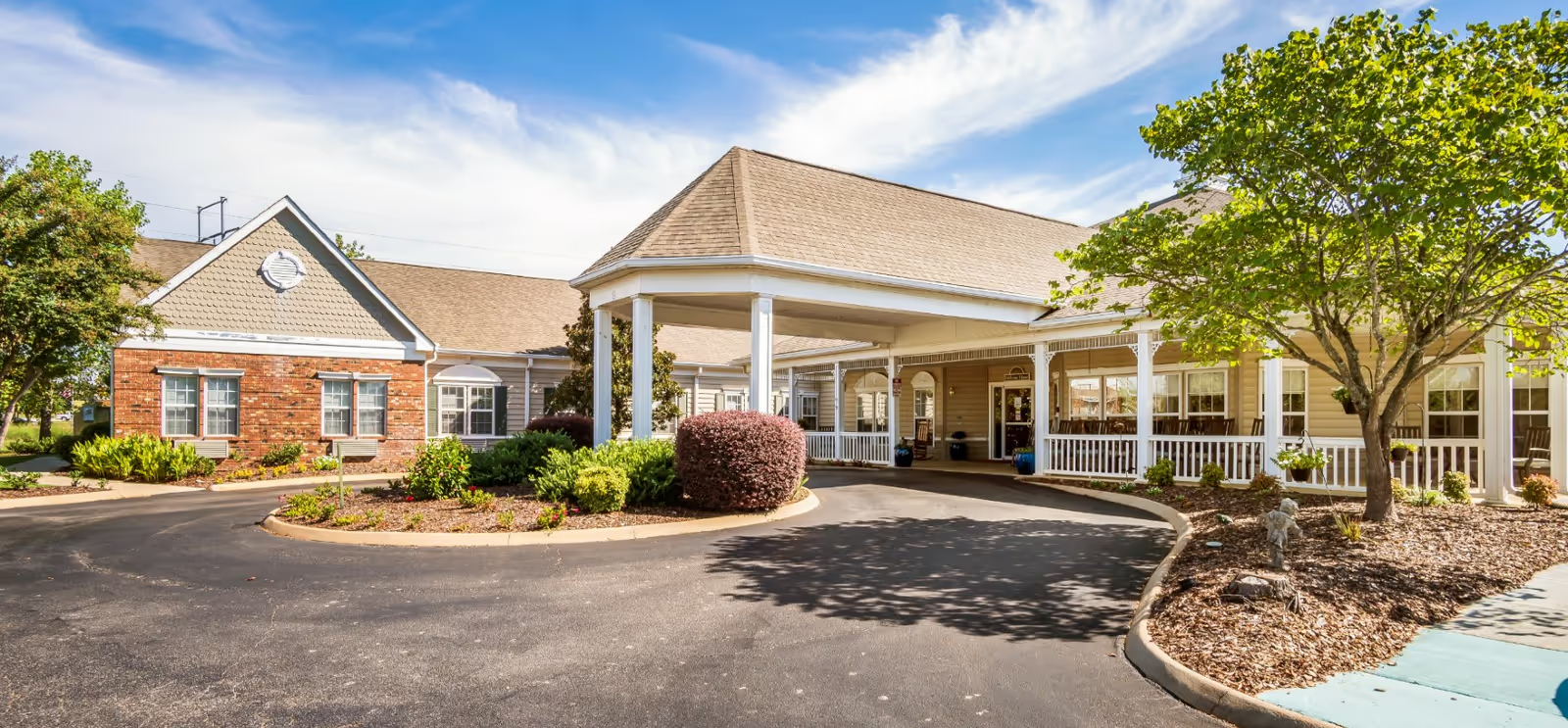
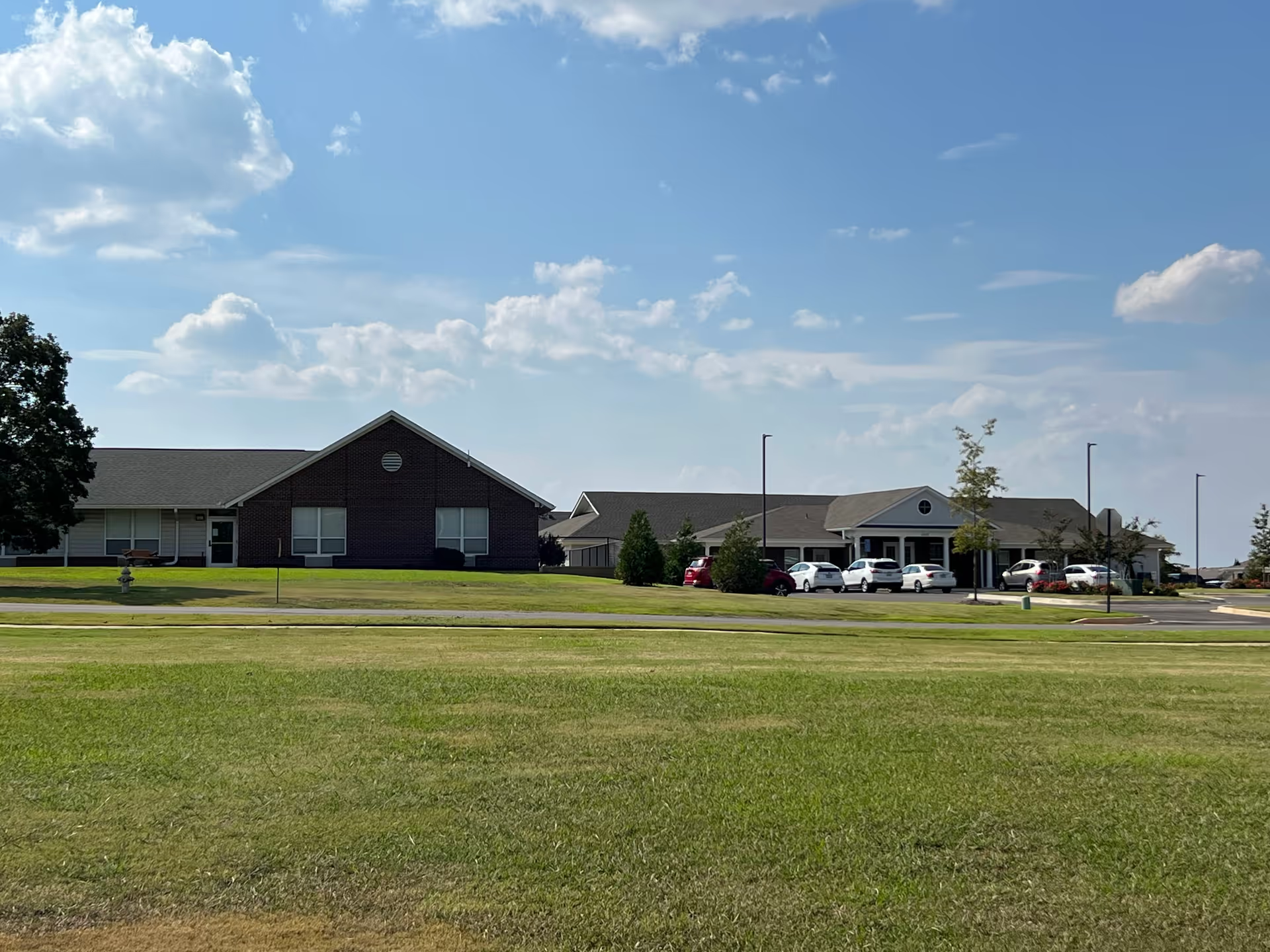
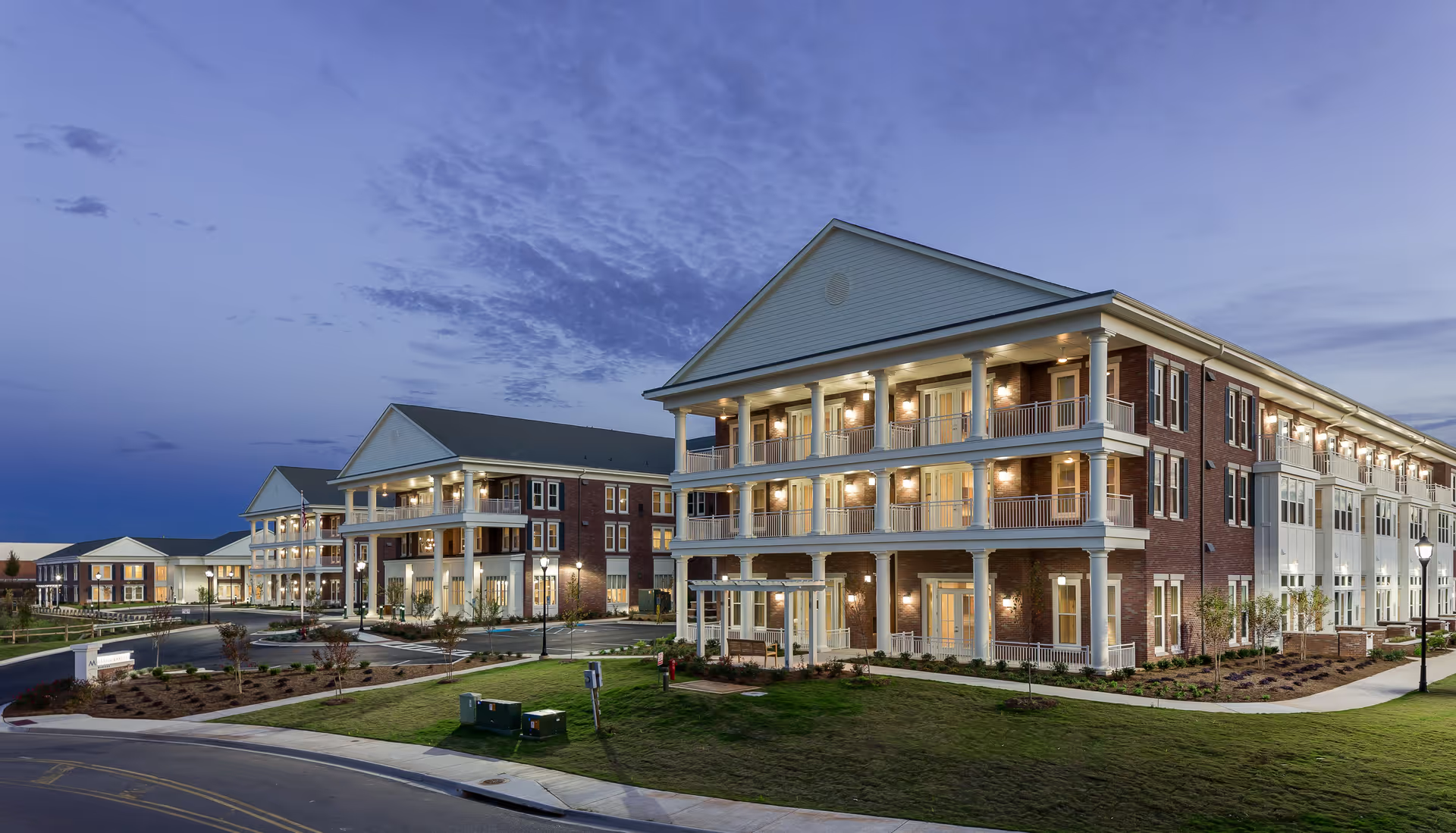
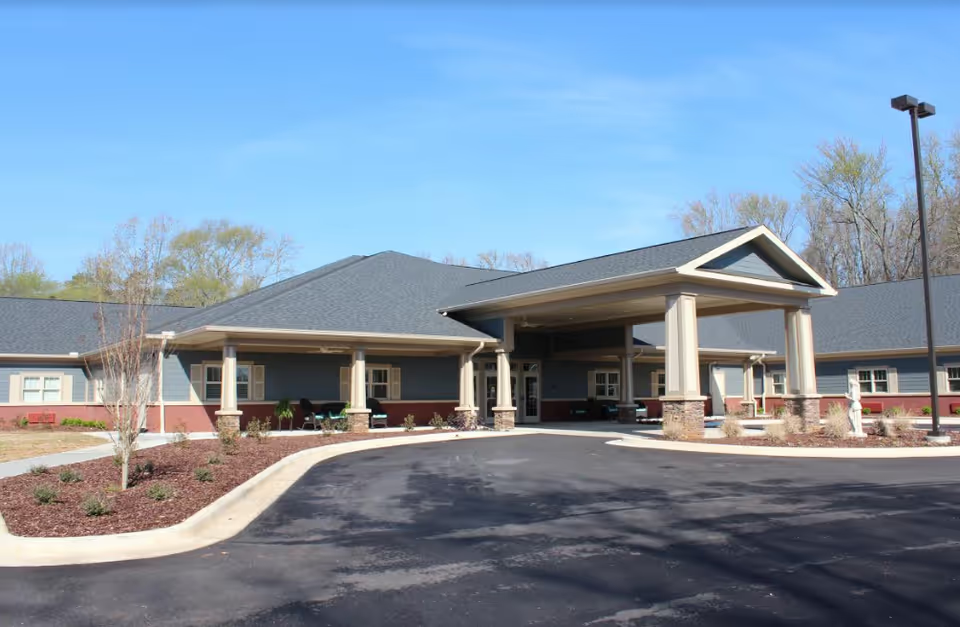
Facilities and environment Reviewers repeatedly describe the community as attractive, bright, and well-maintained inside, with pleasant grounds and ongoing upgrades. At the same time, room sizes are frequently characterized as small relative to price, and there are intermittent cleanliness and odor concerns in rooms and common areas. Wayfinding and the physical layout were described as confusing in places (alcoves and differing unit sections), which can be important for residents with cognitive impairment. Confirm room dimensions, housekeeping schedules, and tour both assisted-living and memory-care areas in person.
Management, billing, and communication Admissions and sales staff receive consistent praise for move-in coordination and responsiveness during intake. Conversely, several operational issues emerged around management transparency and billing: opaque disclosures of add-on fees (for example, medication-assistance charges), billing disputes, and unmet expectations about all-inclusive pricing. Families also described gaps in timely notification for significant clinical events and occasional escalations of conflict that required external intervention. Those considering the community should request a written fee schedule, clarification on medication administration charges, and the facility’s family-notification protocols.
Notable patterns and recommendation guidance Strengths: compassionate frontline caregivers, dementia-capable programming, active social calendar, and appealing dining in many instances. Weaknesses: cost versus space/value concerns, inconsistent management communication, variable staffing and activity coverage in higher-acuity memory-care areas, and intermittent housekeeping/cleanliness issues.
Before deciding, prospective families should: tour specific units (including the most advanced memory-care wing), measure room sizes versus needs, review the written fee schedule for add-on services, ask for recent staffing and turnover data, and observe activities and mealtimes. These steps will help determine whether Lynridge’s clinical strengths and social programming align with a family’s expectations given the facility’s pricing and operational variability.