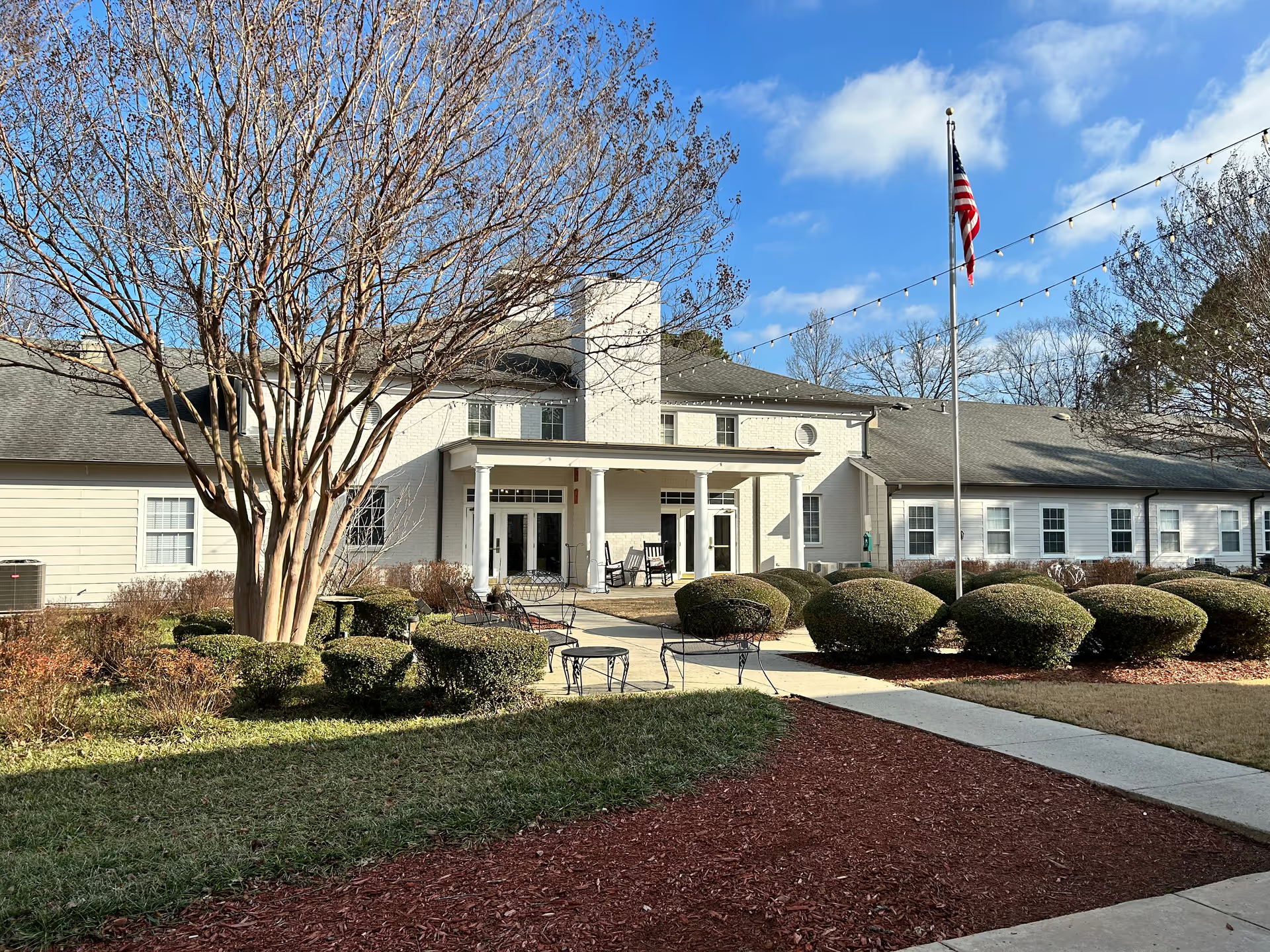
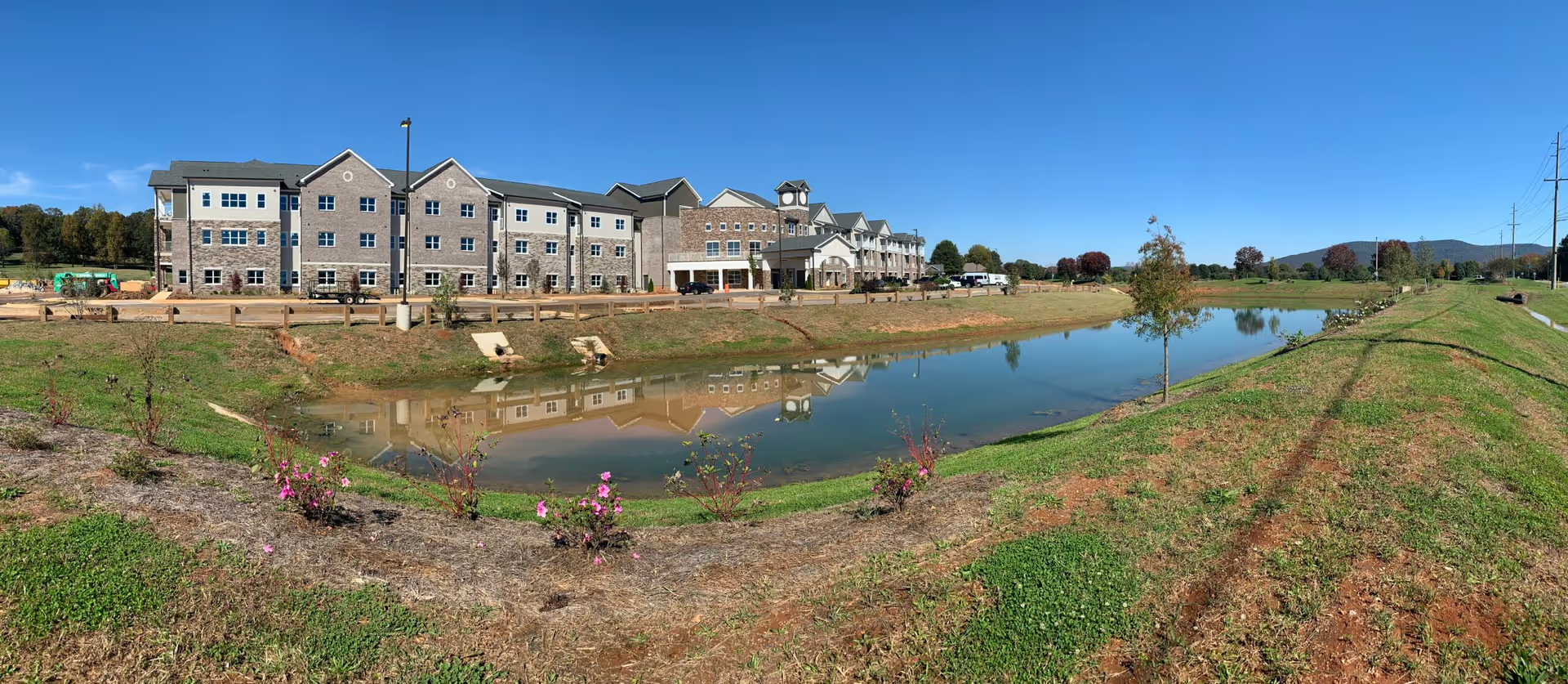
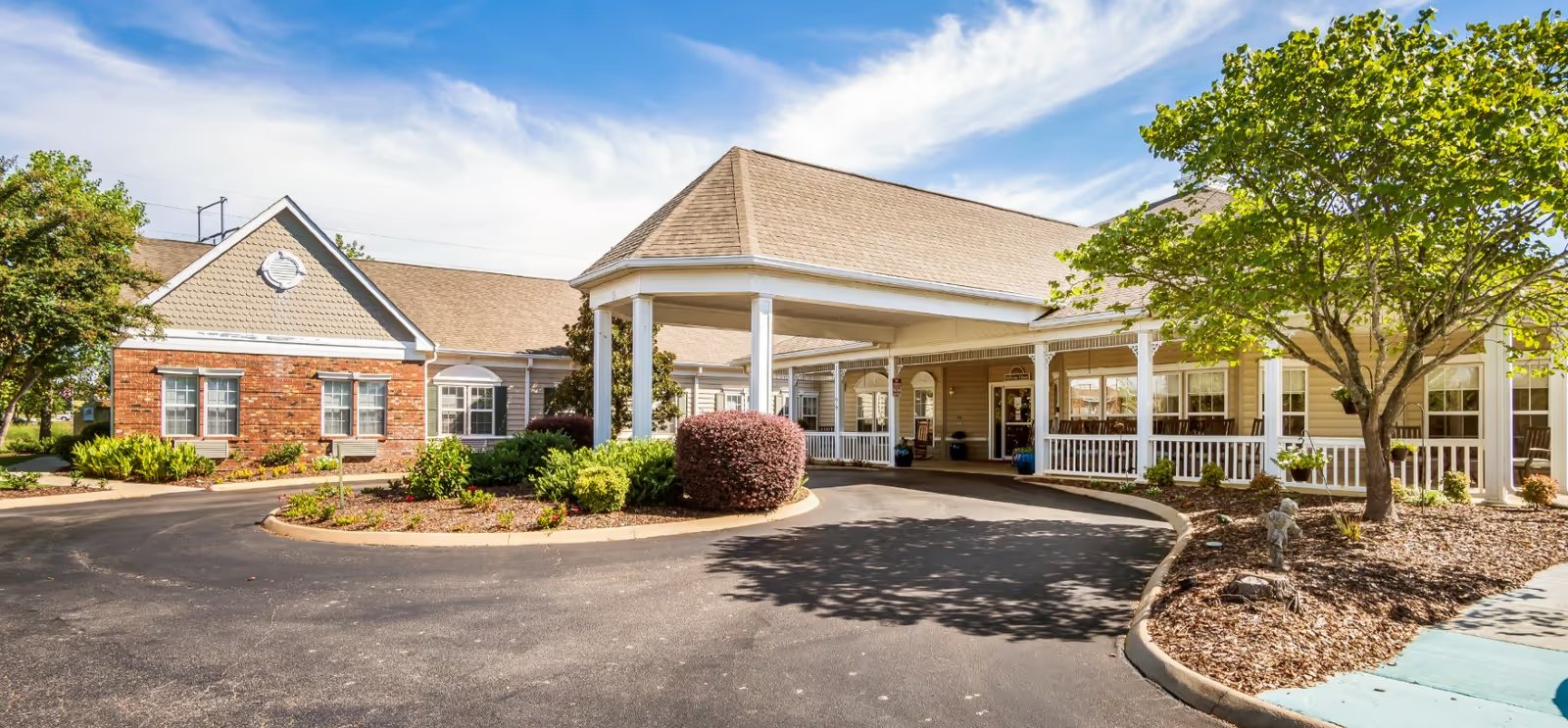
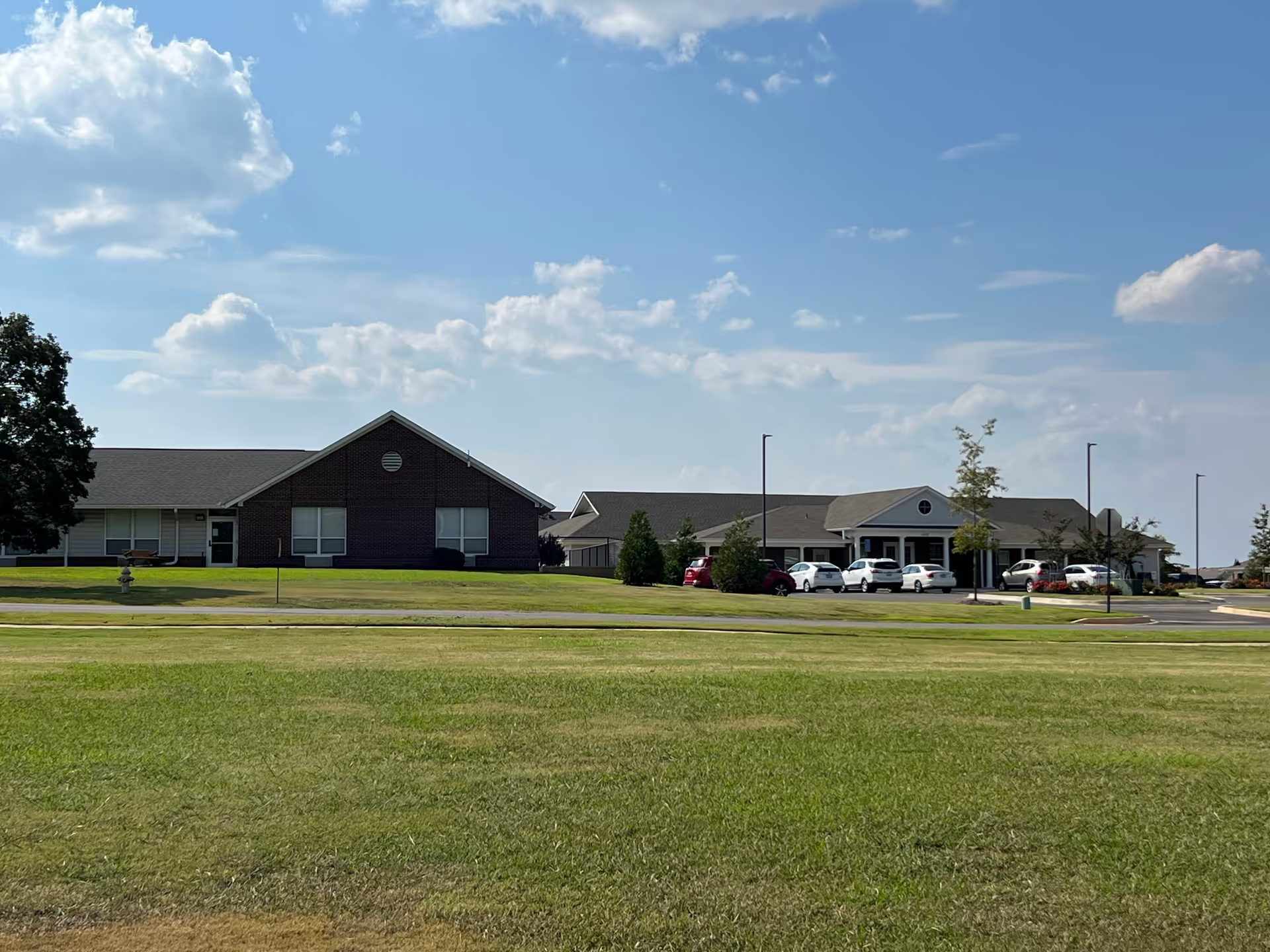
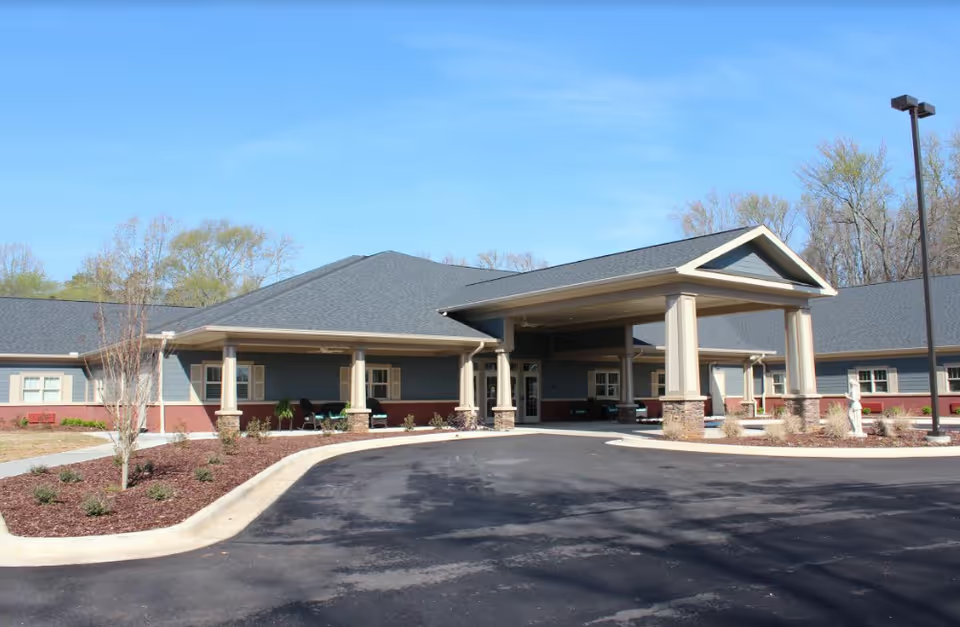
Magnolia Trace presents as a large, well-appointed senior living community offering a broad continuum of services — independent living, rehabilitation/therapy, skilled nursing and a memory-care option — on a gated campus with multiple wings, clubhouses and a range of resident amenities. Many families and residents highlight spacious private accommodations, connectable suite options, attractive dining spaces, on-site medical services and a robust activities program that includes fitness, choirs, church visits and social events when not restricted by infection-control measures.
Clinical and rehabilitative services are frequently described as strengths. The on-site therapy team, rehabilitation programs and access to medical staff are commonly cited as effective for post-acute recovery and ongoing clinical needs. Reviewers characterize much of the caregiving staff as knowledgeable and professional; several accounts emphasize attentive, caring interactions and good therapy outcomes. At the same time, there is a recurring theme of variability in frontline responsiveness — examples include delayed answers to calls for assistance and slow handling of some family inquiries — which suggests uneven performance across shifts or units.
Dining and activities are central to resident life at Magnolia Trace. The campus offers menu-based meals in appealing dining rooms and organized social programming and fitness classes; many residents enjoy the communal meals and the breadth of scheduled activities. However, perceptions of food quality are mixed, and the pandemic-era restrictions reduced some dining and group programming availability for a period. Prospective residents should consider both the quantity of activities and recent operational disruptions when evaluating daily life expectations.
Operationally, reviewers identified several patterns worth noting. Cost is a significant factor: the community is described as upscale and correspondingly expensive, with limited payment flexibility and no Medicaid acceptance. There are also recurrent concerns about billing clarity and unexpected post-discharge charges, indicating a need for careful contract review and proactive insurance verification. Other operational weaknesses raised include sanitation and maintenance inconsistencies (including HVAC and pest-control issues), inconsistent staff culture and internal communication, and limitations in assisted-living clinical tiers and bed-transfer coordination. These themes point to variability in housekeeping, maintenance and administrative follow-through rather than universal systemic failure.
In sum, Magnolia Trace offers a high-amenity, clinically capable community with many positive attributes for residents seeking an active campus and on-site rehabilitation. Families evaluating the community should weigh the strong rehabilitative resources, campus amenities and generally professional clinical staff against reported variability in responsiveness, maintenance/sanitation practices, food consistency, bed/transfer processes and the high cost structure. A thorough pre-move review of contracts, payment options, infection-control and sanitation protocols, and clarity about transfer procedures and insurance billing is advisable for prospective residents and their families.