The reviews present a mixed but consistent pattern: many families praise the facility's staff demeanor, new physical plant, and the availability of activities and transportation, while a comparable set of concerns focuses on operational reliability — particularly staffing, dining, clinical support, and administration.
Care and staff: Numerous reviewers highlight warm, compassionate interactions and personalized attention; staff who learn residents’ names and engage with families are described positively. However, staffing levels and continuity are recurring operational weaknesses. High turnover and periodic understaffing are linked to slower responses, delays in attending to residents, missed or delayed therapy scheduling, and inconsistent medication access. Some families reported serious delays in care response that reflect broader issues in staffing and clinical leadership rather than isolated interpersonal problems.
Dining and nutrition: Dining experiences are highly variable. Several accounts describe well‑prepared, plentiful meals with good choices and snacks; others describe inconsistent food quality, menu reductions, and meals served at inappropriate temperatures. Reviewers also cited a lack of stable food‑service leadership at times, dining consolidation that increases wait times, and limited menu variety for some residents. These patterns suggest meal service reliability and culinary management are uneven.
Activities and memory care: The community offers an active calendar, accessible scheduling tools for families, and on‑site events that many residents enjoy. Transportation for planned outings is noted as a positive. Conversely, memory‑care programming is described as limited in scope by some families — fewer structured activities, minimal off‑site trips, and absence of certain services (for example, no on‑site salon). Activity continuity appears sensitive to staffing and leadership changes.
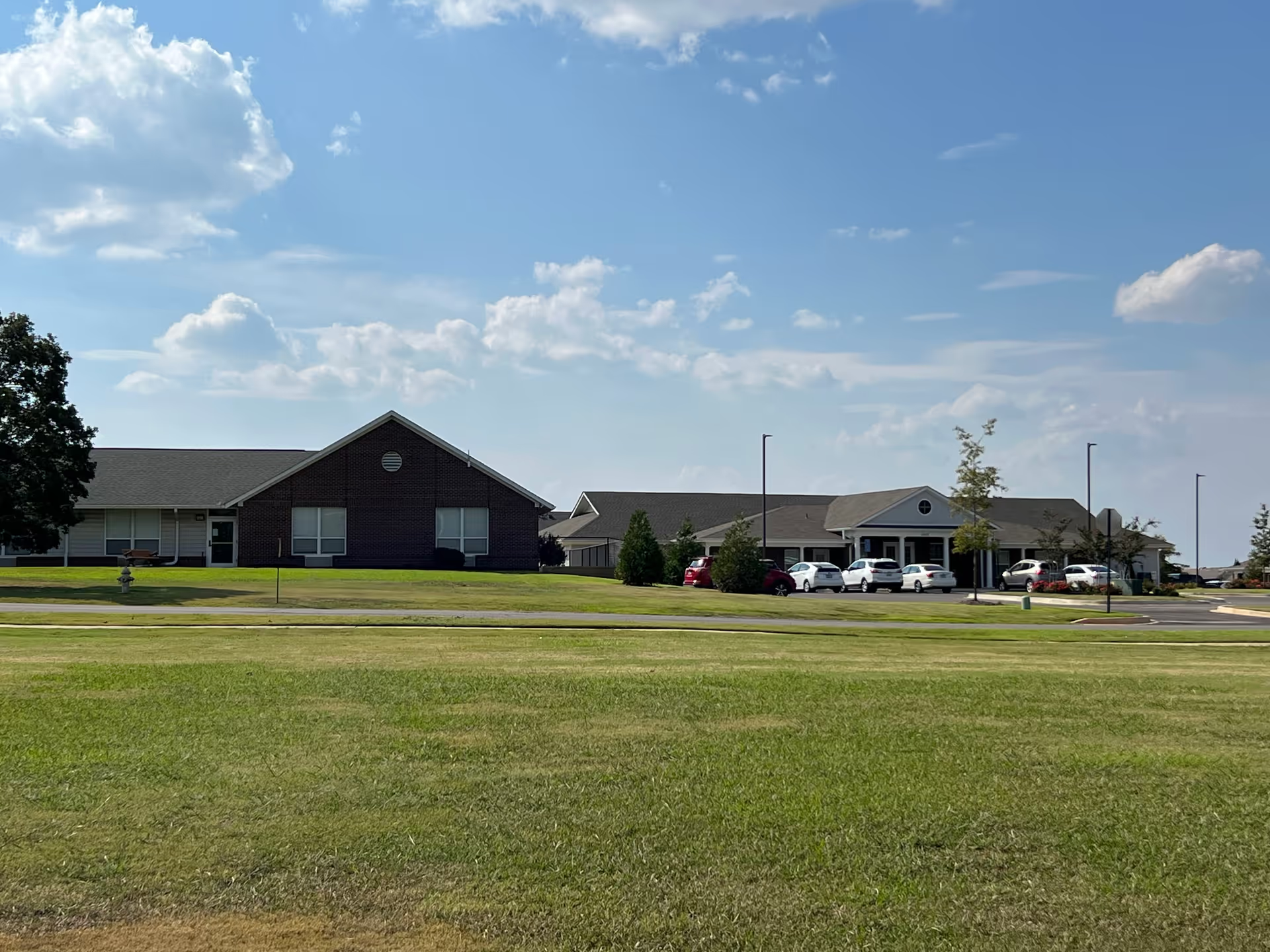
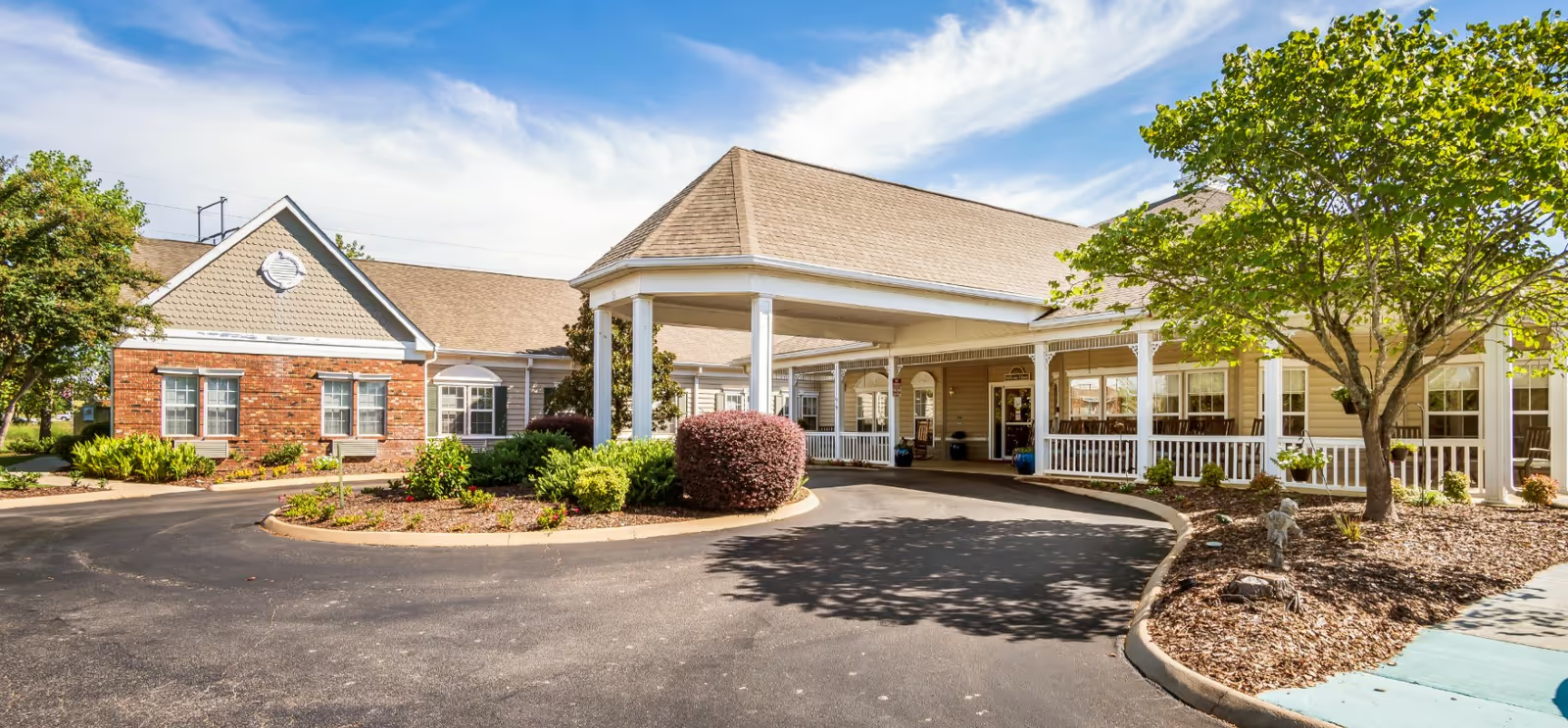
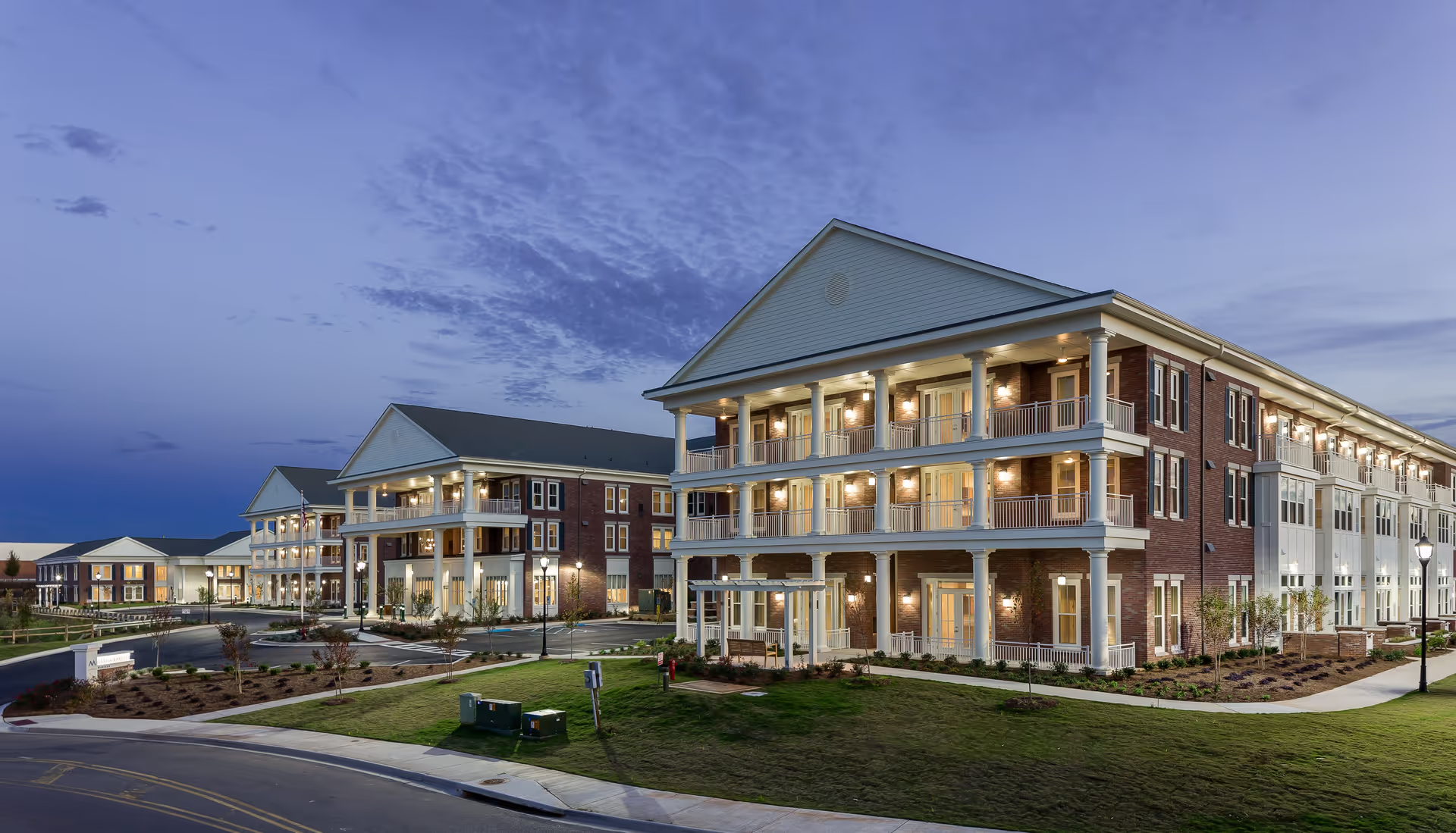
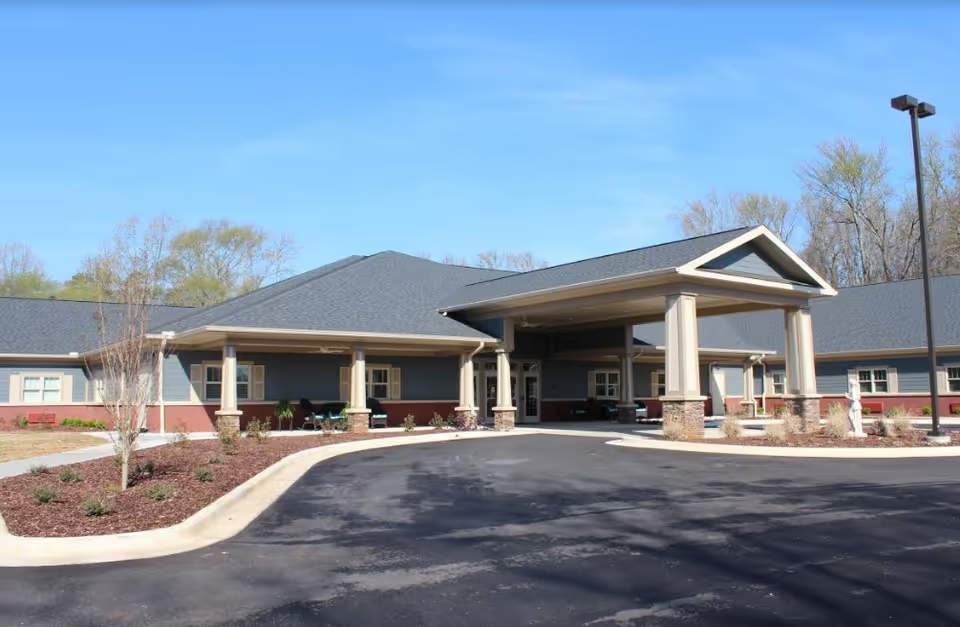
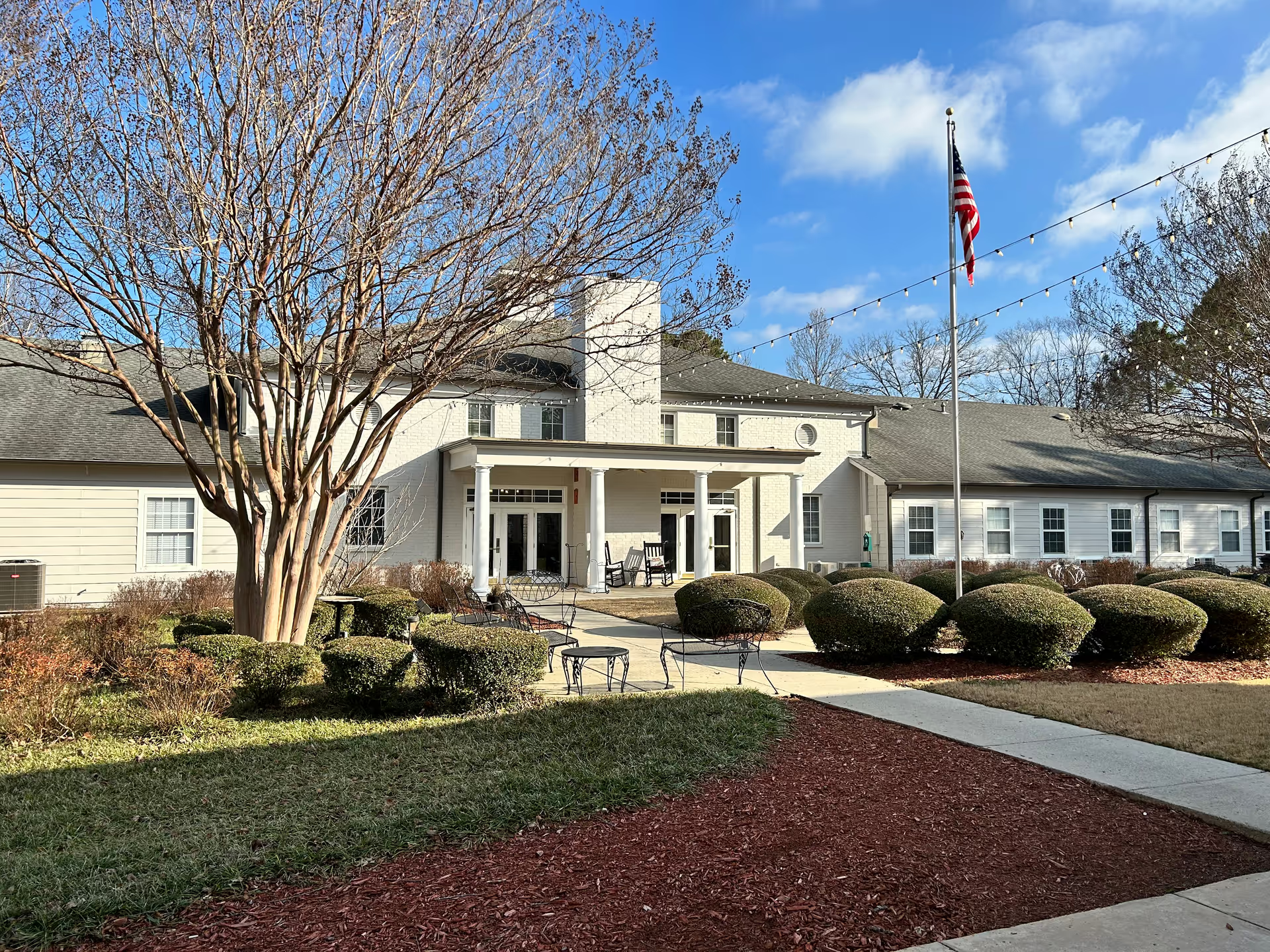
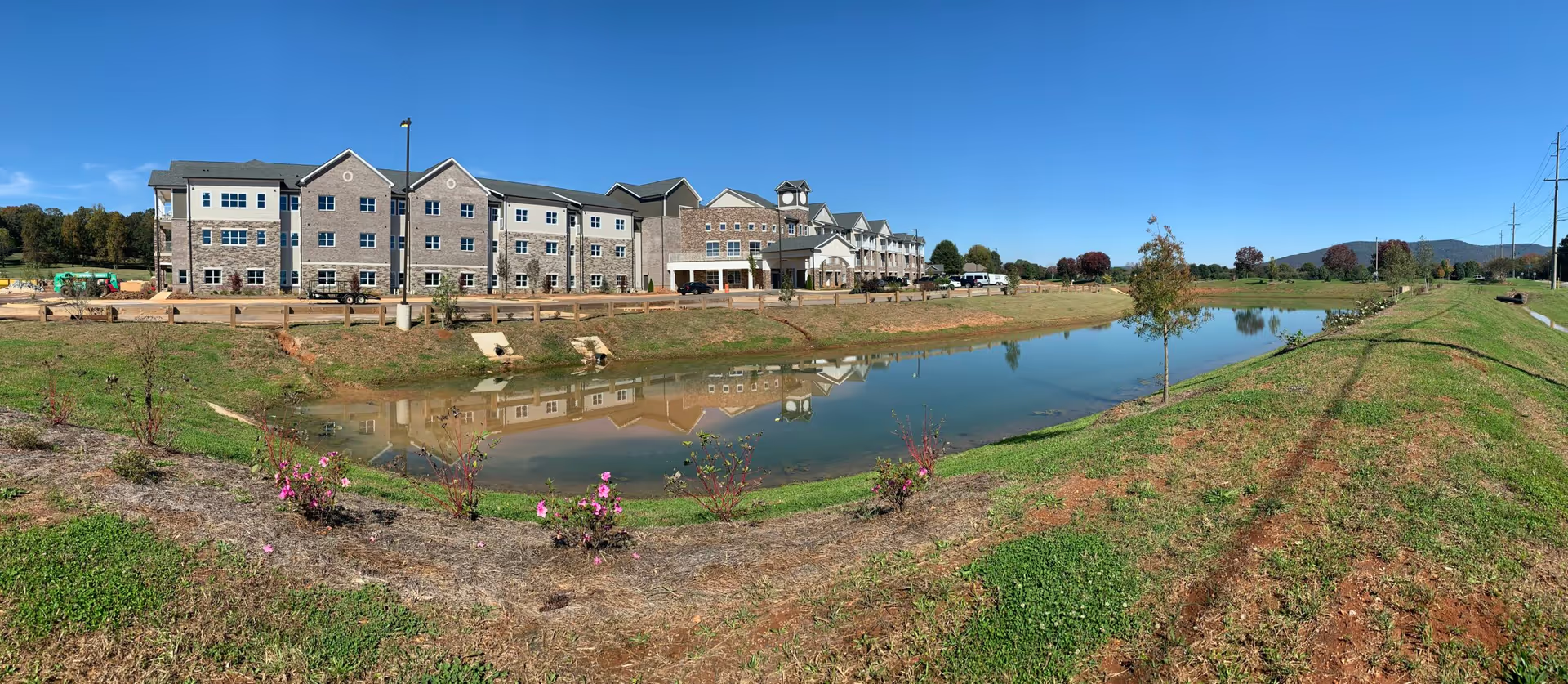
Facilities and maintenance: The physical environment is generally rated highly — new construction, attractive common spaces, and comfortable units are recurring positives. That said, reviewers also document maintenance shortfalls such as unresolved repairs, HVAC/vent issues, door and accessibility hardware problems, and unreliable building systems (call buttons, phone service, and temporary heat outages). Housekeeping and pest‑control inconsistencies in some private units were reported, indicating that unit‑level sanitation and upkeep vary across the community.
Management and administration: A strong theme is variability in administrative responsiveness. Positive experiences include clear family communication and involvement in care plans under some managers. Negative patterns include executive turnover, slow or ineffective corporate follow‑up, billing disputes and perceived lack of transparency about fees, and pressure tactics related to collections. Leadership gaps in clinical and food‑service roles were linked to several operational problems described by families.
Overall pattern and considerations: The facility appears to be a newer community with many structural strengths — attractive accommodations, a caring culture among many frontline staff, and useful programs. At the same time, growing pains and operational inconsistencies (staffing, dining, medication access, maintenance, and administrative stability) create variability in resident and family experiences. Prospective residents and families should verify current staffing ratios, clinical leadership, dining policies, medication‑management procedures, maintenance response times, and fee disclosures during tours and follow‑up conversations to assess whether recent improvements have addressed the operational issues highlighted in these reviews.