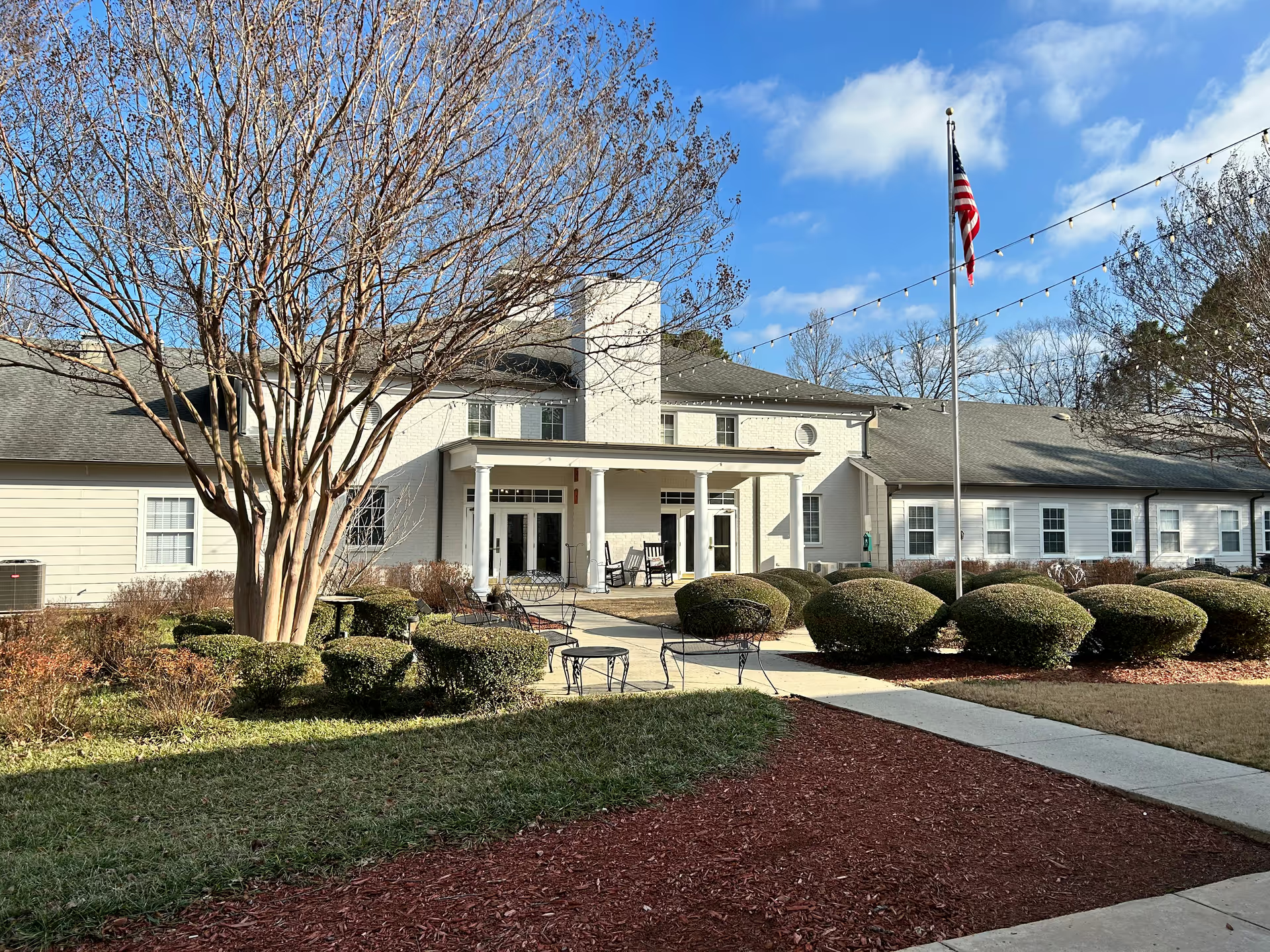
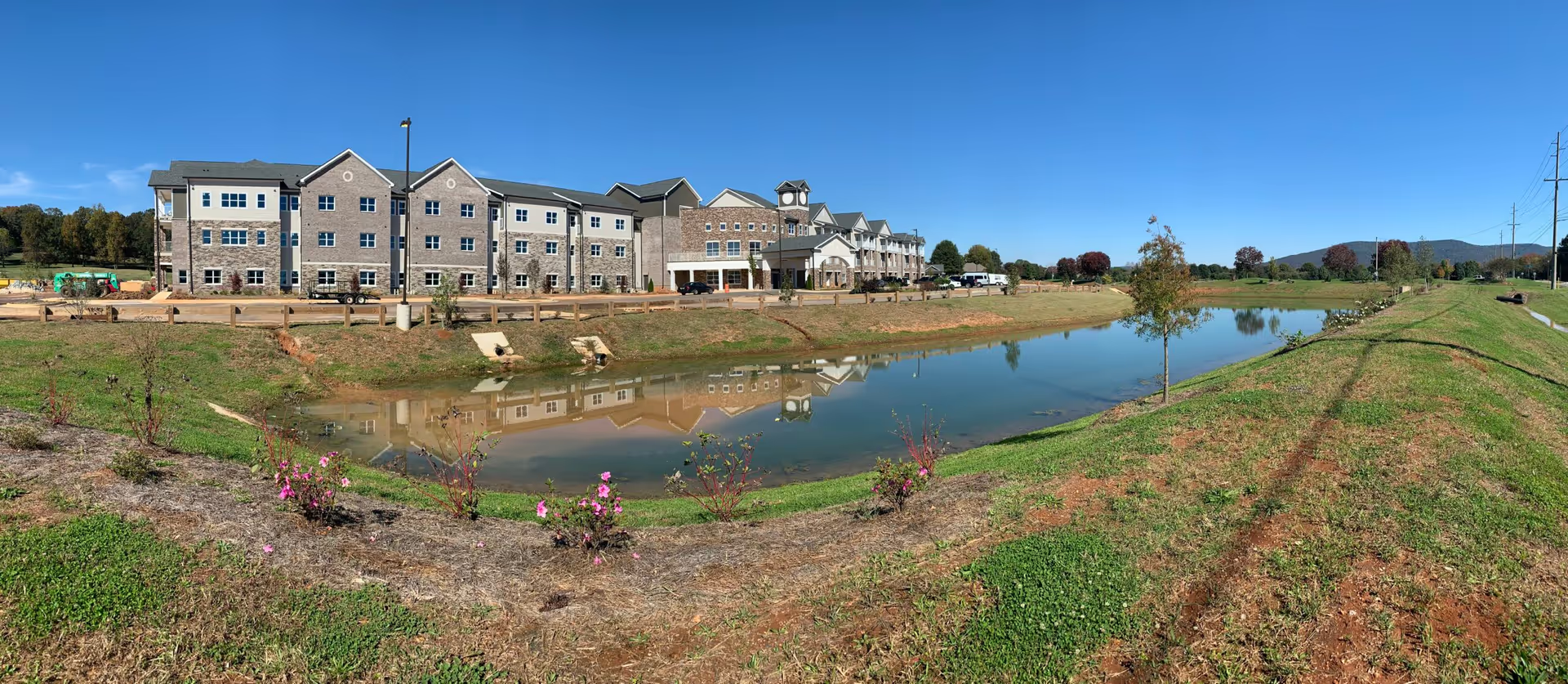
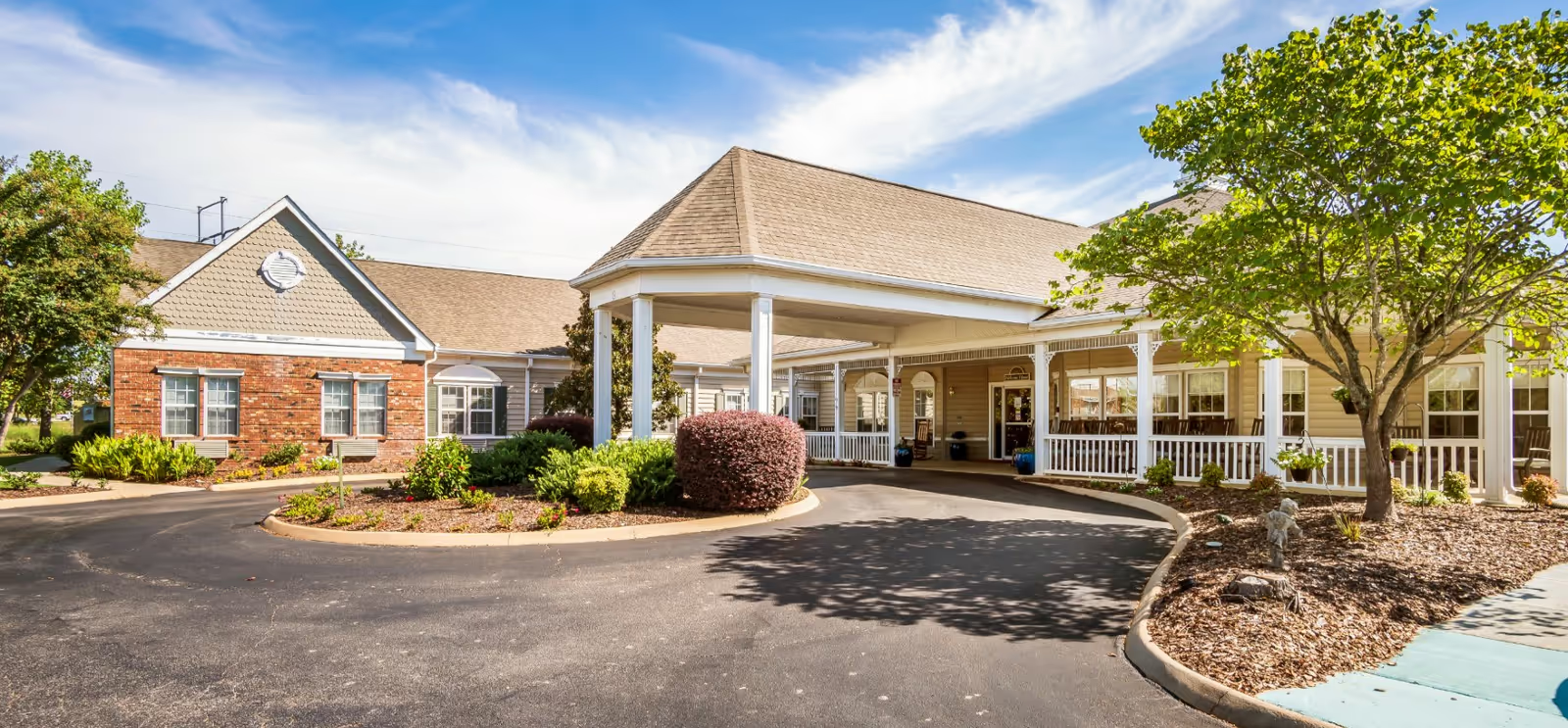
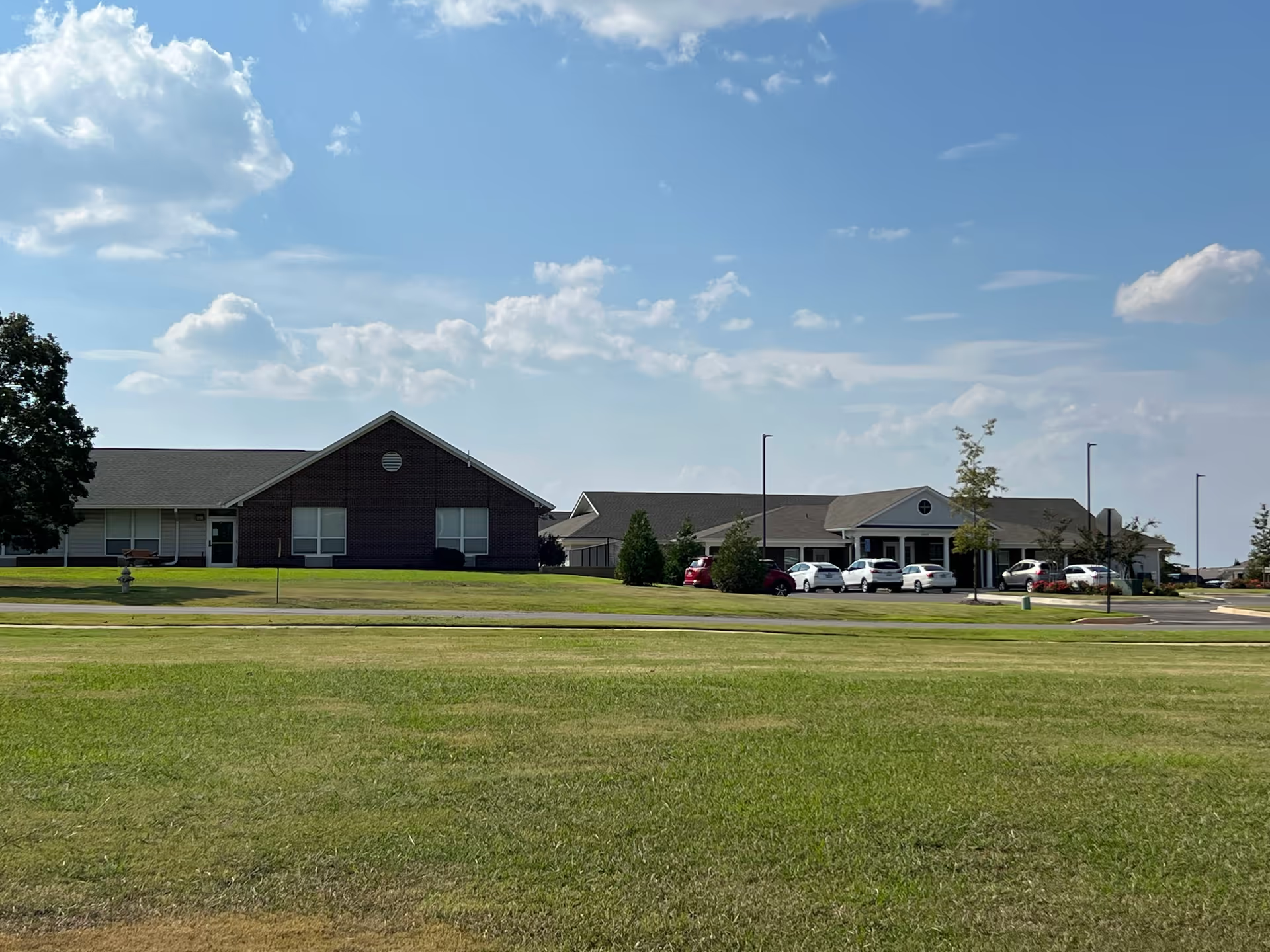
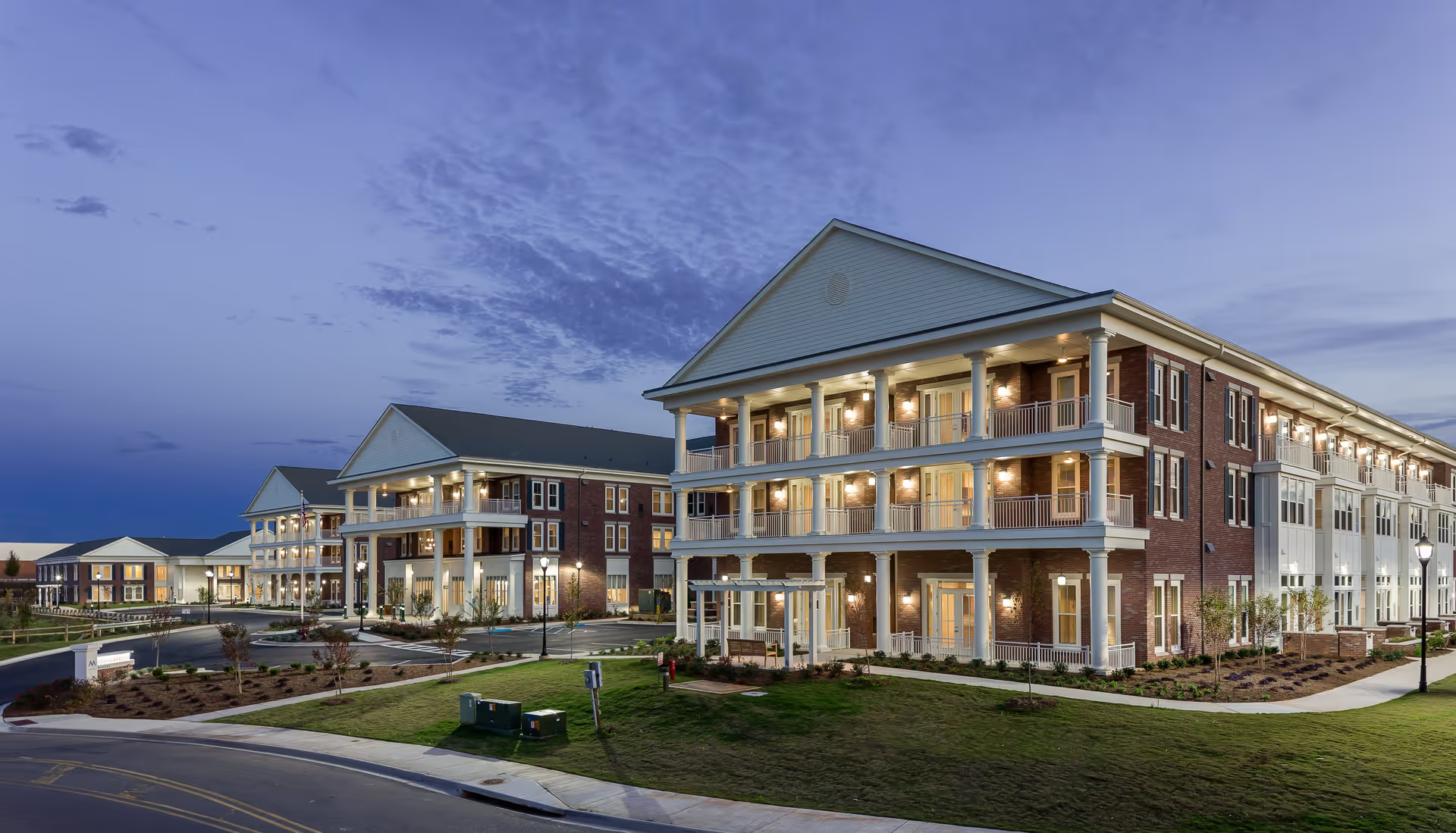
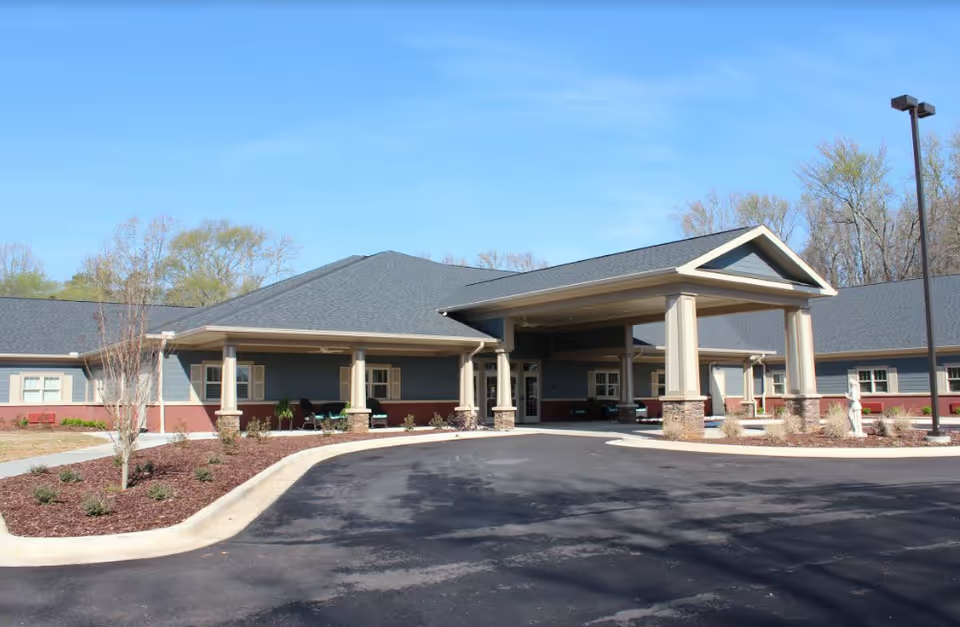
Redstone Village is consistently described as an upscale, well‑appointed senior living campus with a strong emphasis on hospitality‑style amenities and social engagement. Reviewers praise the physical environment: clean, modern interiors; attractive landscaping and vistas; and a broad set of on‑site conveniences such as underground parking, a salon, a small store, bistro/ice‑cream offerings, gym and aquatics, and multiple dining venues. Apartment options range from efficiency units to larger two‑bedroom floorplans, many with in‑unit laundry and generous storage, and residents and families frequently cite the campus as comfortable and home‑like.
Dining and activities are clear strengths. The dining experience is often characterized as restaurant‑quality with varied menus, adaptive meal timing, and social table service. The activities program is extensive and active — examples include exercise classes, games, outings, church services, arts and crafts, singing groups, and memory‑care programming — and many reviewers highlight an engaged activities director and a full calendar that supports resident socialization and purpose.
Clinical services and continuum‑of‑care offerings are notable: the campus provides independent living through skilled nursing and memory care on the same grounds, plus on‑site rehabilitation and therapy. Many families report positive therapy and rehab outcomes and appreciate the convenience of a single‑campus continuum. However, recurring concerns surface around clinical operations. A subset of reviewers describe gaps in medication administration, delayed responses to clinical needs, and inconsistent nursing oversight; these observations translate to a broader pattern of inconsistent clinical and medication management that prospective families should probe. There are also variable reports on therapy effectiveness and some comments that nursing can be task‑focused rather than clinically proactive.
Operational and management themes are mixed. Admissions, marketing, and tour staff are frequently praised for being informative and helpful, and housekeeping/maintenance receives many positive remarks. Conversely, reviewers describe administrative disorganization in some areas — slow processing of paperwork and insurance forms, high employee turnover, and uneven supervisory response to staff conduct or family concerns. Financially, the community is positioned at a premium price point: reviewers note substantial entrance fees and ongoing monthly charges, and several highlight the buy‑in contract structure and the potential for delayed refunds until units are resold, creating liquidity risk for families.
Safety and infection‑control patterns merit specific questions during visits. While emergency pendants and 24/7 nurse coverage are described positively, there are accounts of constrained infection‑event practices during outbreaks that shifted burdens onto families and isolated residents. Weekend staffing visibility and staffing ratios at certain times also emerge as practical considerations. Prospective residents and families would benefit from focused inquiries about medication‑administration protocols, staff training and turnover, pharmacy backup arrangements, contract refund timelines, and how the campus manages infection events and weekend coverage. Overall, many families report high satisfaction with lifestyle, food, activities, and the campus environment, but the facility exhibits operational and clinical variability that should be clarified before commitment.