Reviews for Rocket City Rehabilitation and Healthcare Center present a highly mixed picture, with strong rehabilitation outcomes and several examples of compassionate, attentive caregiving contrasted against recurring operational weaknesses. The facility's therapy teams (physical and occupational therapy) receive frequent praise for restoring function and supporting discharge goals; multiple reviewers singled out therapy staff as a significant strength. Admissions and discharge coordination, including connections to home-health resources, were also noted as helpful in many cases.
Clinical care quality appears uneven. While some nurses and wound-care clinicians are described as skilled and communicative, reviewers identified recurring concerns about delayed recognition of medical issues, inconsistent medication administration, and inadequate follow-up when residents' conditions change. Several accounts describe situations that required emergency transfer or hospitalization after delays in clinical response. Wound and skin-care protocols were identified as an area of concern where adherence and timely intervention appear inconsistent across shifts or units.
Staffing and professional conduct are polarizing themes. There are multiple reports of attentive, compassionate staff who provide warm, respectful interactions; however, there are equally vocal descriptions of short staffing, high turnover, slow call-light responses, and instances of unprofessional behavior. These staffing inconsistencies correlate with reports of missed baths, delayed assistance with toileting or transfers, and variability in the level of family communication. Reviewers describe successful improvement after family escalation in some cases, suggesting responsiveness when concerns are raised to leadership.
Dining and activities produce variable experiences. The activity program and on-site salon are seen as positive contributors to resident quality of life. Meal quality and consistency are inconsistent: some reviewers appreciated individualized accommodations and occasional high-quality meals, while others described errors in tray delivery, limited snack options, and food quality that did not meet expectations. Families considering placement should confirm meal service routines and options for dietary preferences.
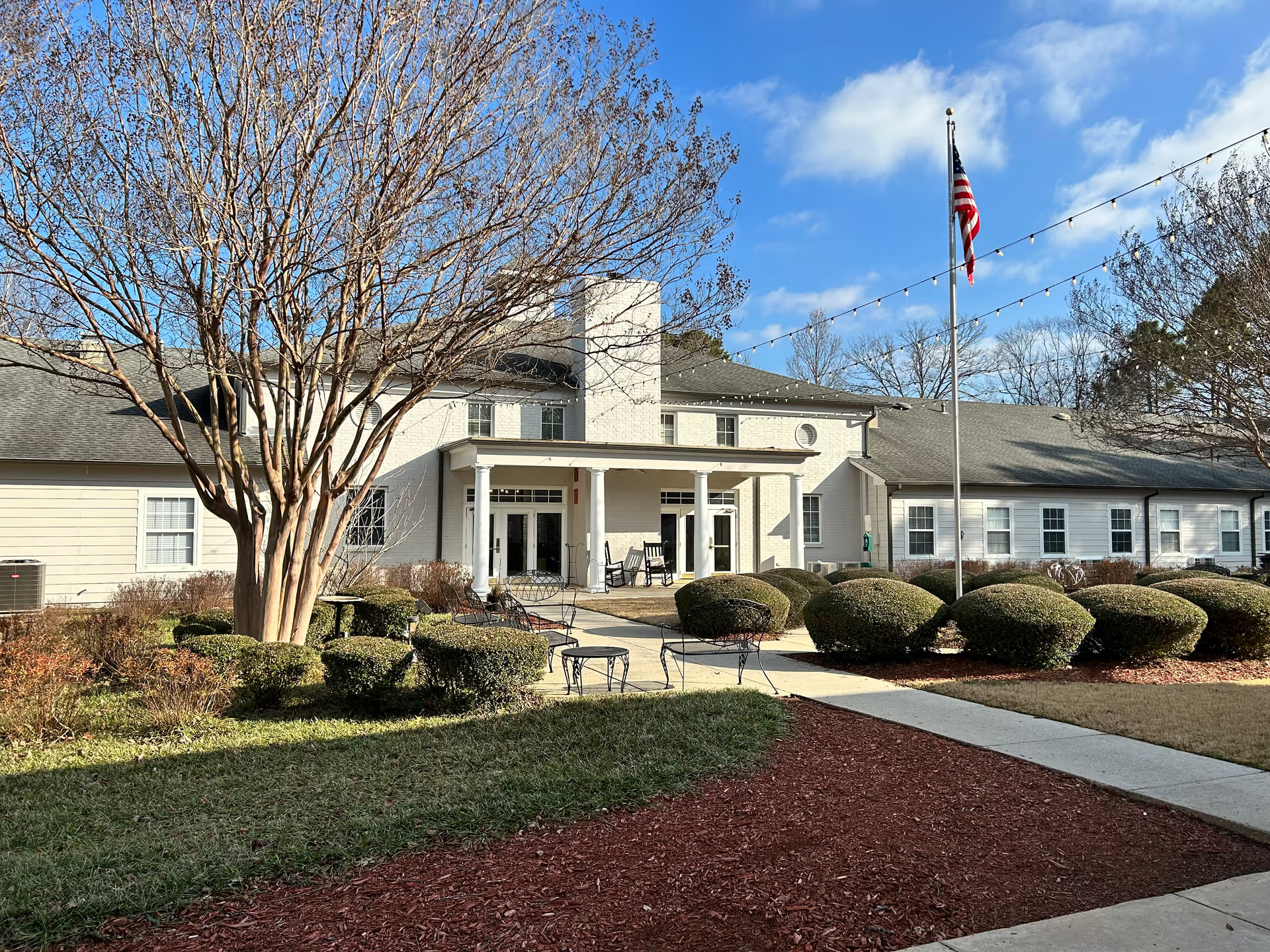
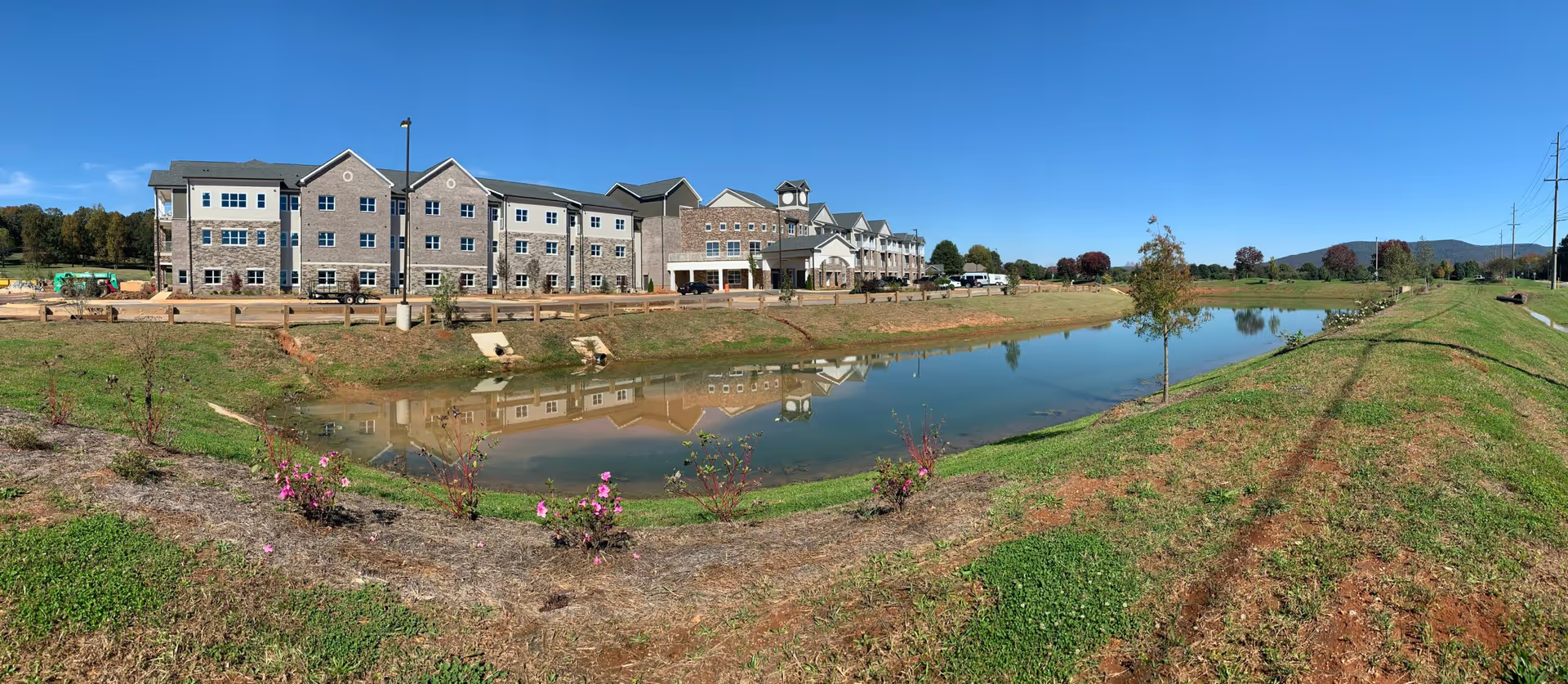
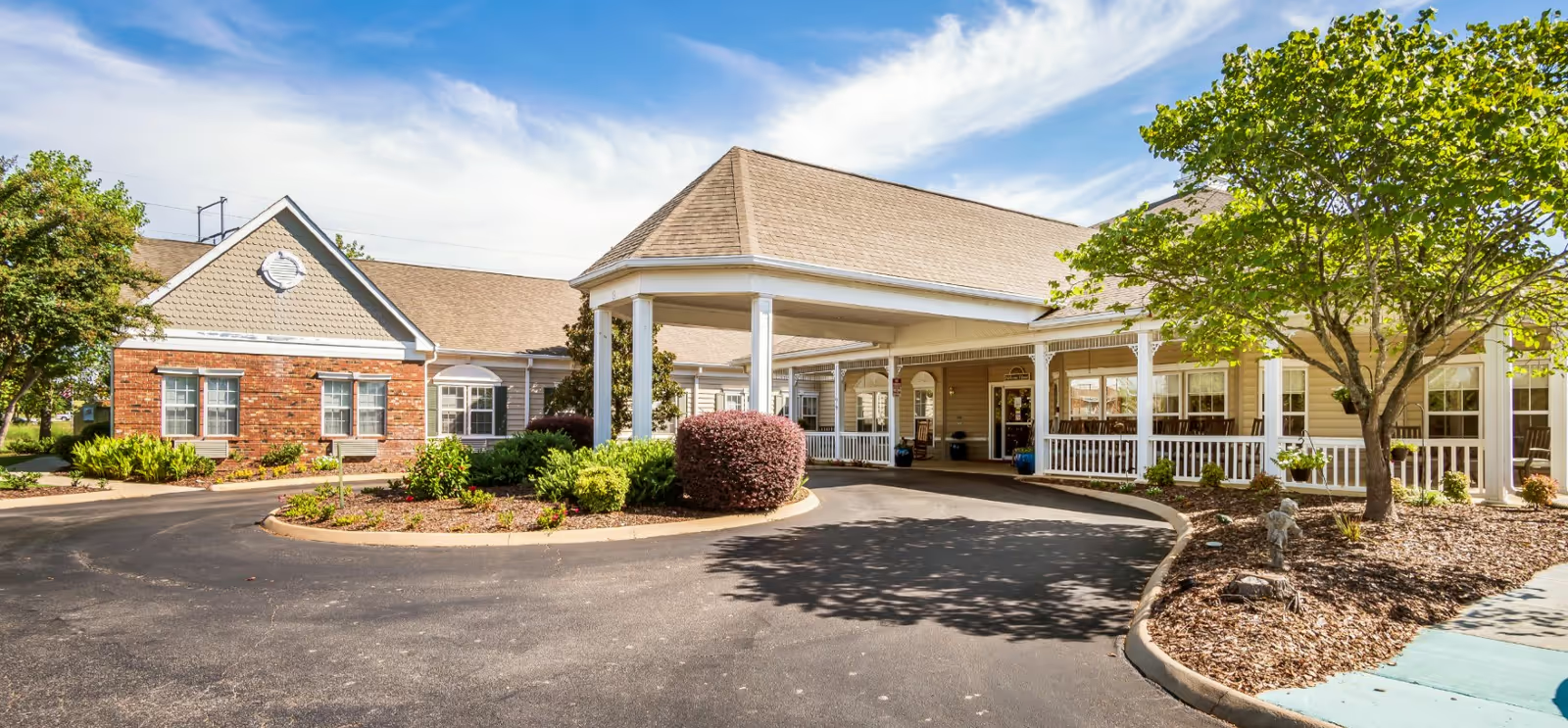
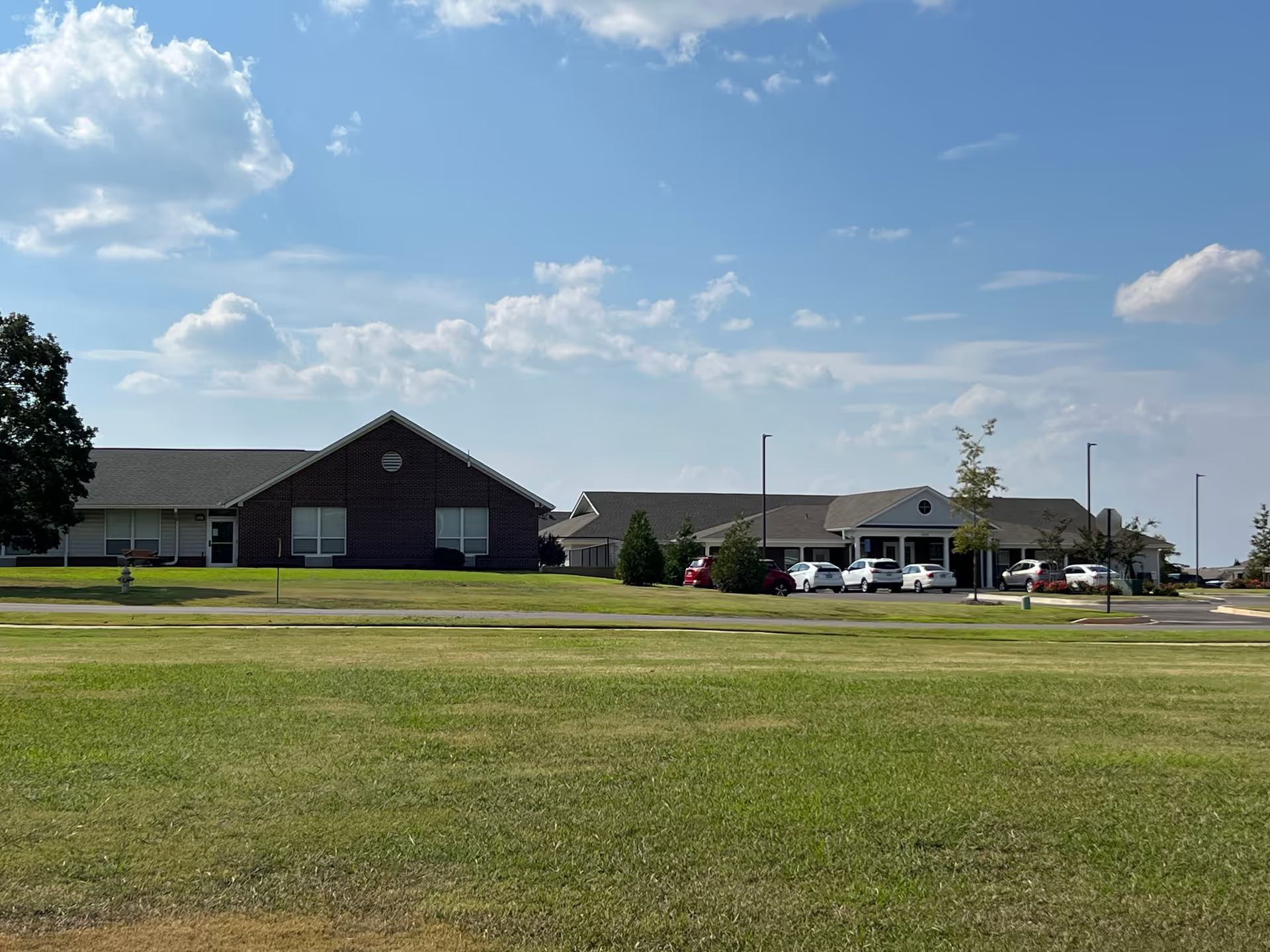
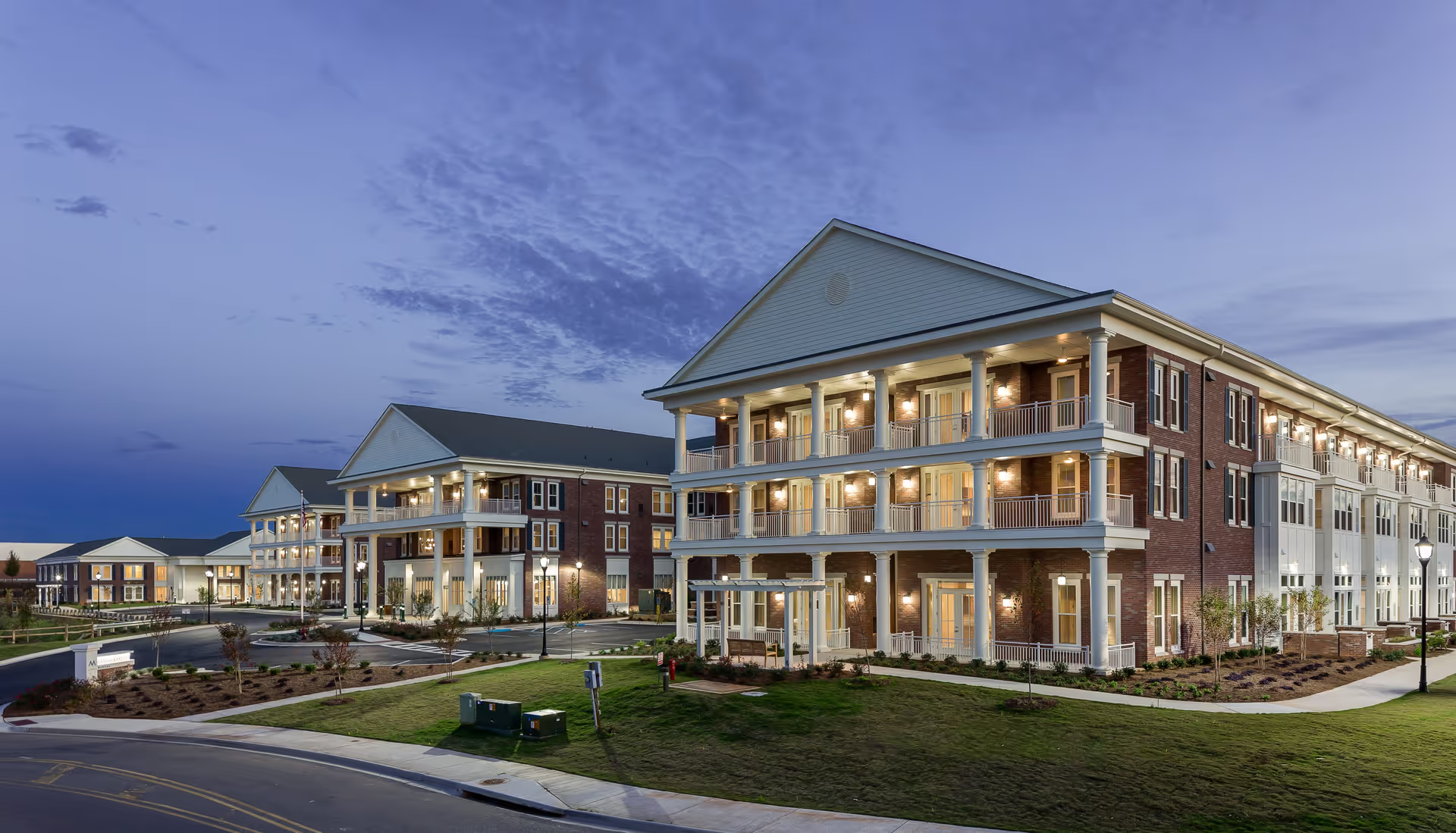
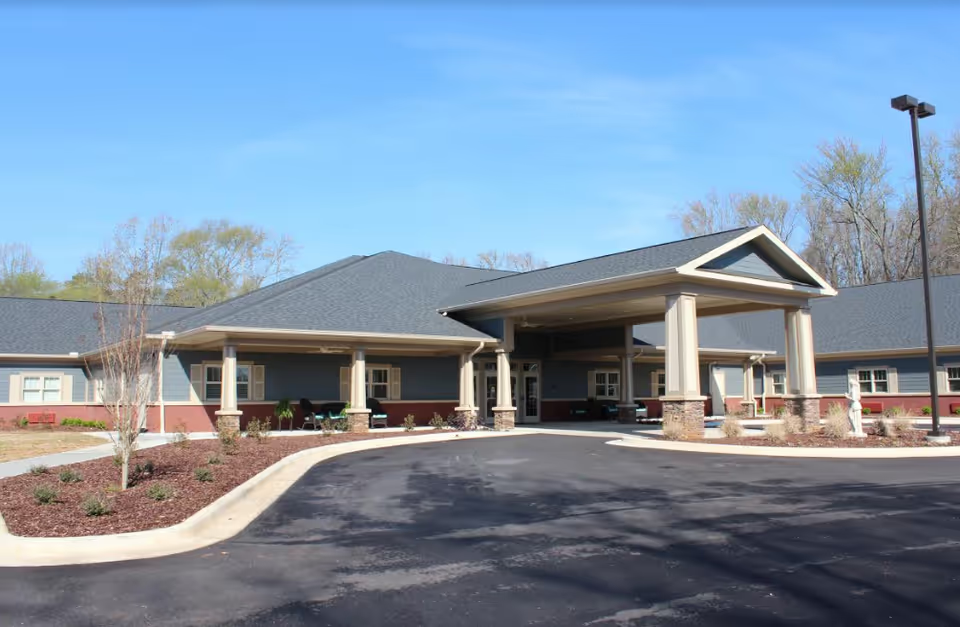
Facility condition and infection-control practices raise notable operational concerns. Multiple reviewers mention sanitation issues, odor concerns in specific areas, building maintenance problems (ceiling stains, roof leaks, and signs of moisture), and potential mold or pest-control issues. These environmental concerns, combined with accounts of infection-control lapses, suggest the need to evaluate current remediation efforts and routine cleaning protocols during a visit.
Management and governance emerge as important drivers of the mixed experience. Reviewers describe inconsistent physician coverage and limited availability of medical leadership on rounds, supply shortages tied to administrative or financial controls, and frustration with communication and follow-up from administration. There are also serious-level claims regarding financial and billing conduct associated with the corporate partner; such allegations merit further investigation by prospective families. At the same time, several reviewers noted recent management turnover and new leadership hires, which some described as a positive step toward improvement.
Notable patterns across the reviews are variability by unit and shift, responsiveness when families escalate concerns, and strong rehabilitation outcomes for many residents. Prospective residents and families should perform an on-site assessment focused on current staffing ratios, infection-control practices, medication-management protocols, physician coverage, and building maintenance. Asking for recent inspection reports, current staffing plans, and examples of corrective actions taken for prior concerns can help determine whether the facility's strengths align with an individual’s expected level of care.