Reviews portray a facility with many operational strengths centered on caregiving and resident engagement, alongside recurring operational inconsistencies that prospective families should evaluate during a tour.
Care and clinical services: The facility is frequently described as having compassionate, attentive nursing and caregiving teams who personalize care and maintain strong relationships with residents and families. Reviewers note access to on-site diagnostic services (x‑ray, sonogram, laboratory) and a clinical escalation pathway to a CRNP or physician, which families interpreted as a substantive clinical advantage. At the same time, several comments point to delays in pharmacy fulfillment and lab turnaround, and a few accounts raise concerns about responsiveness in specific clinical situations; these items suggest families should ask about response protocols, lab/pharmacy timelines, and staffing ratios during assessment.
Staff and memory care: Staff are commonly characterized as warm, personable, and consistent, with many reviewers highlighting that caregivers know residents by name and provide individualized attention. Memory-care features such as secure key‑card access and programs tailored to residents are cited positively. However, there are recurring notes about variable dementia-care skill levels and training gaps; a small number of serious allegations regarding staff conduct appear in the set of reviews, which merits direct inquiry with management and, if appropriate, requests for documentation of staff training and incident-resolution procedures.
Dining and activities: Activity programming is a frequently praised area: music, exercise classes, arts and crafts, pet visits, outings, and special events contribute to a lively social environment. Families credit the activities team with improving residents’ quality of life. Dining feedback is mixed — many reviewers praise high-quality meals, special events, and a strong chef presence, while others describe limited variety, excessive fried or less heart-healthy offerings, and occasional meal-service interruptions (including days when residents received simplified meals). Prospective residents should ask for sample menus, weekend offerings, and contingency plans for staffing disruptions affecting dining.
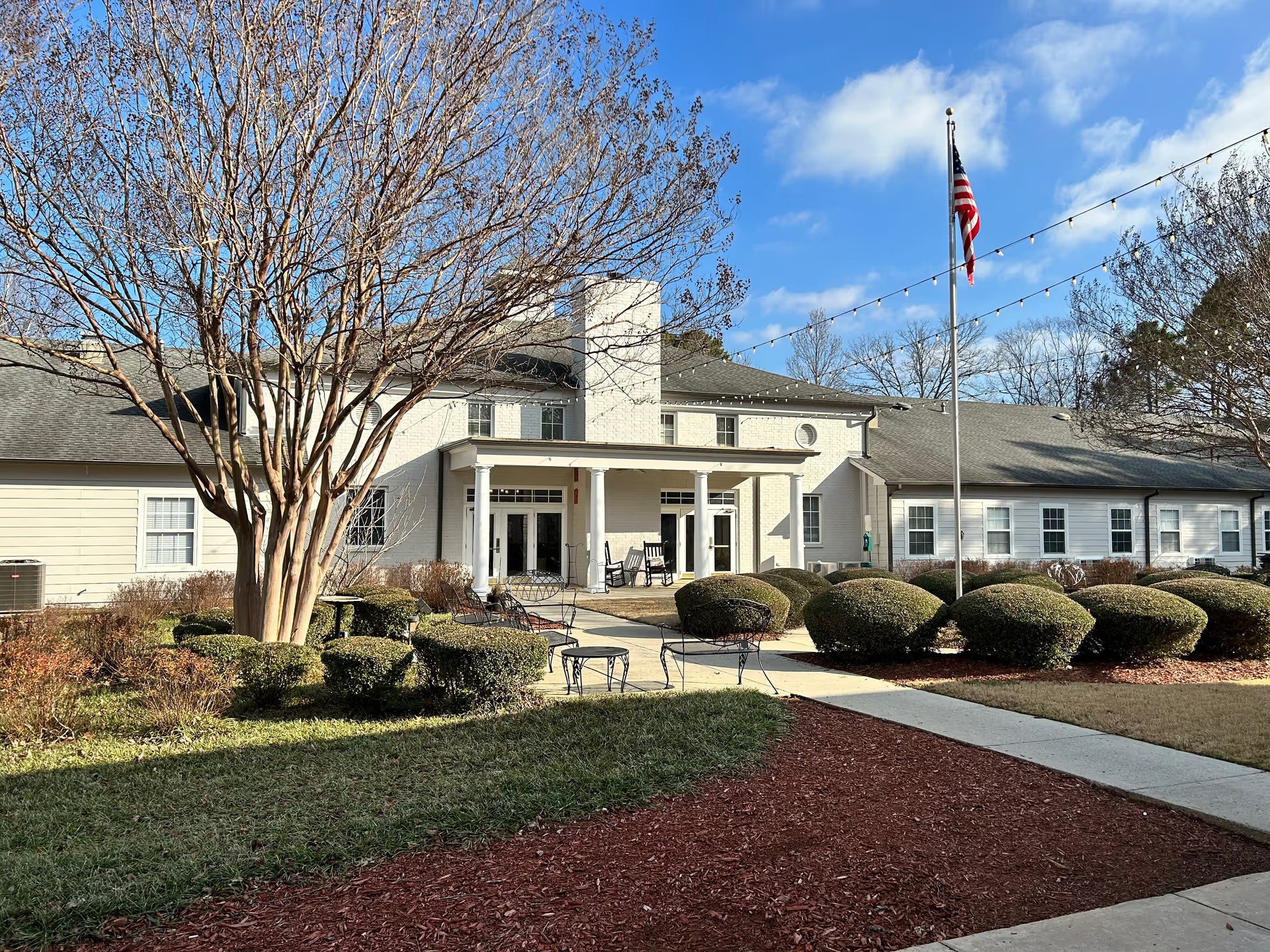
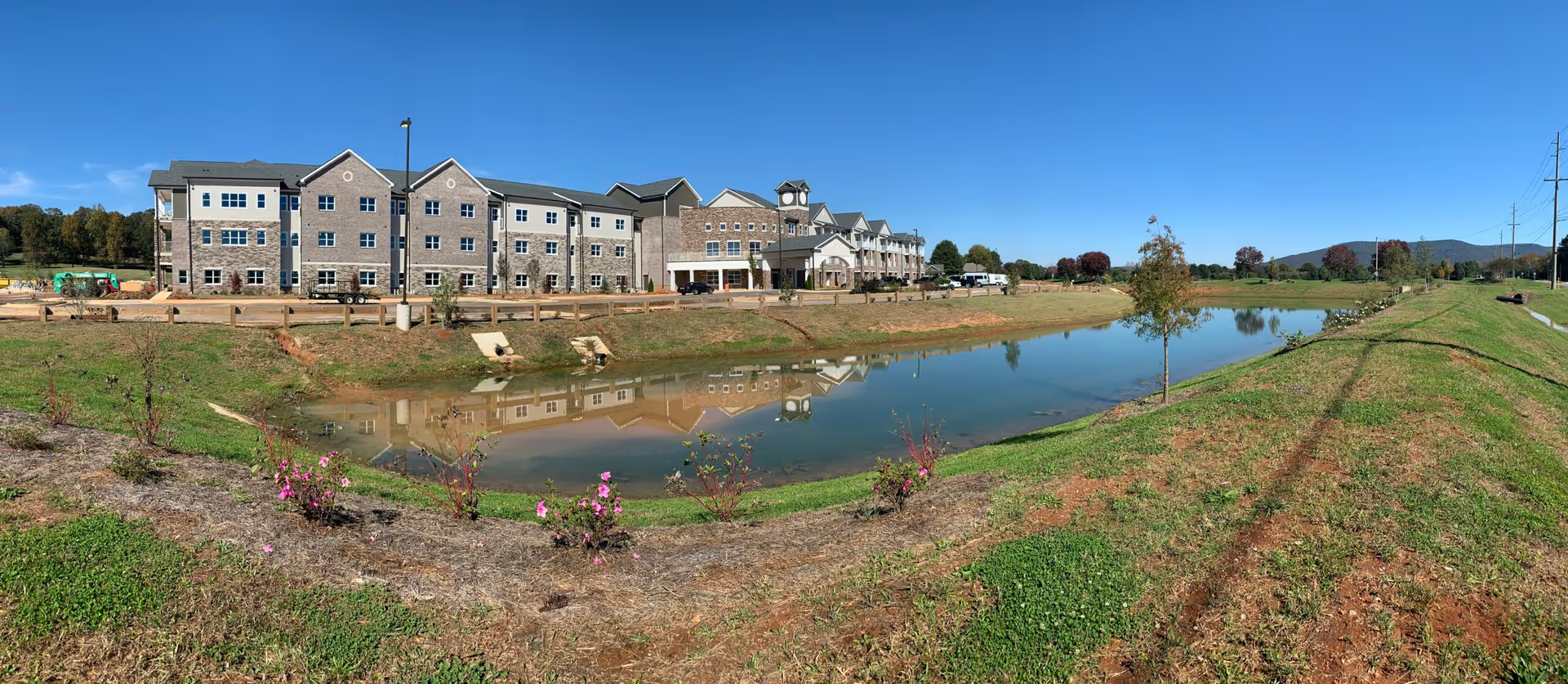
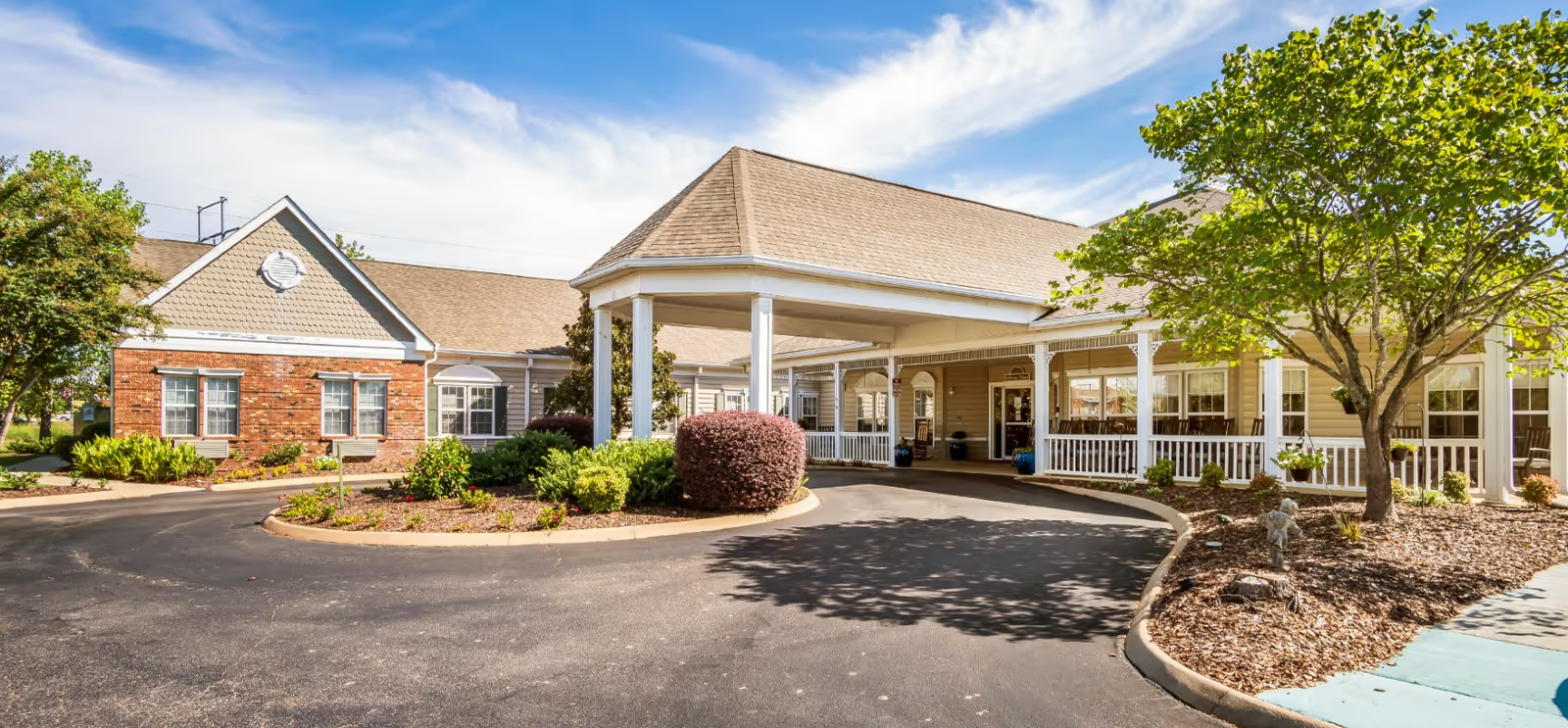
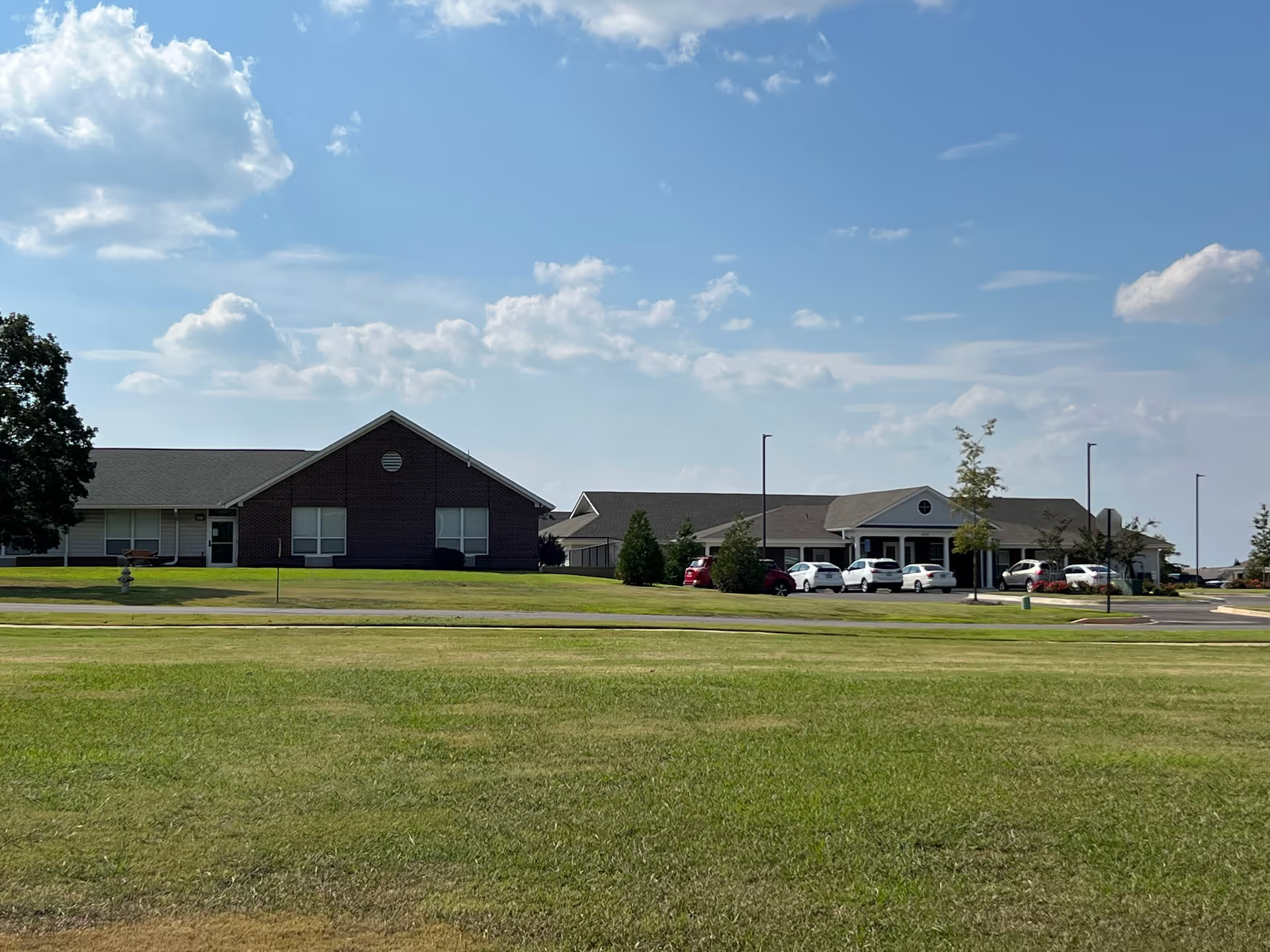
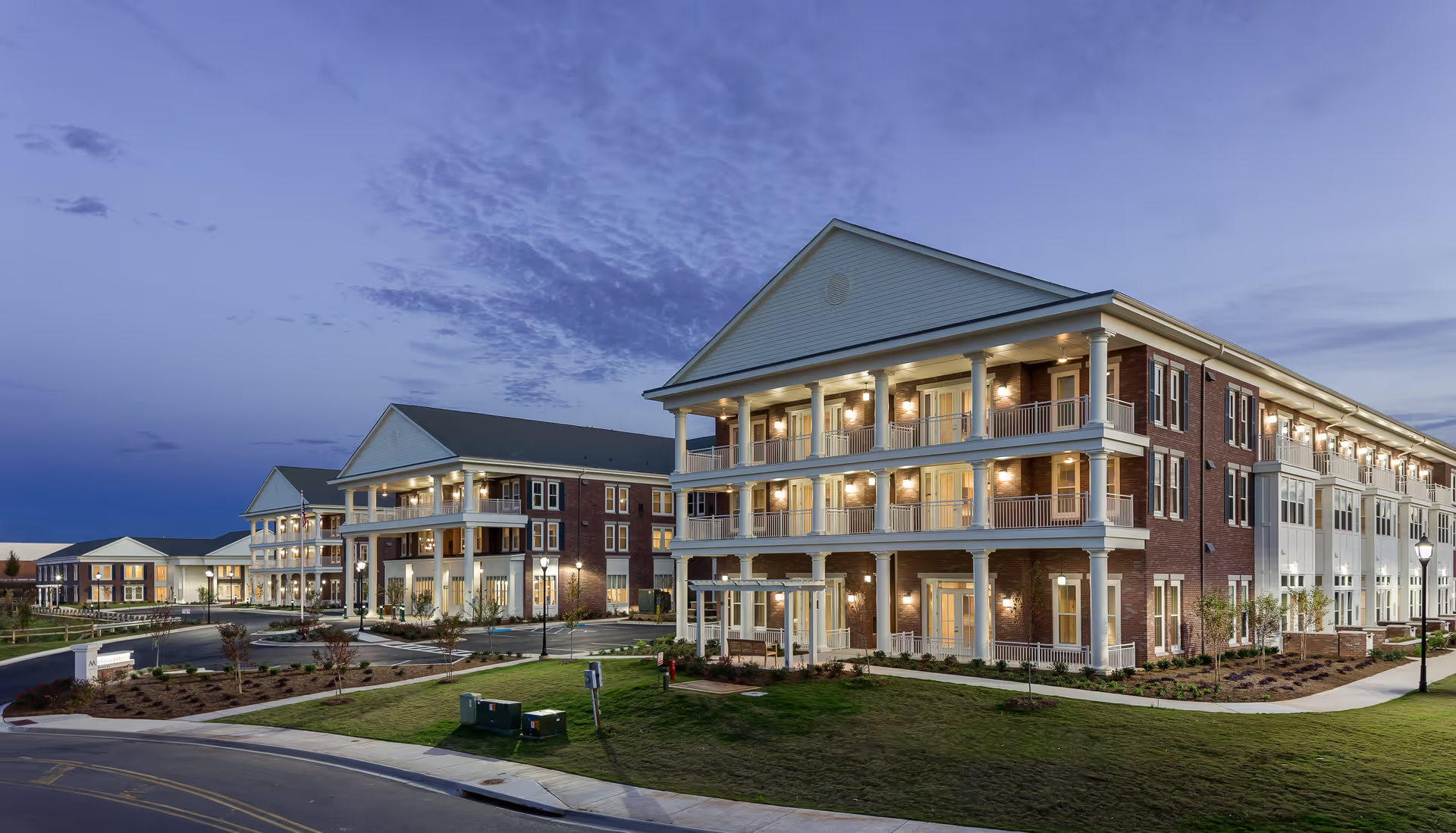
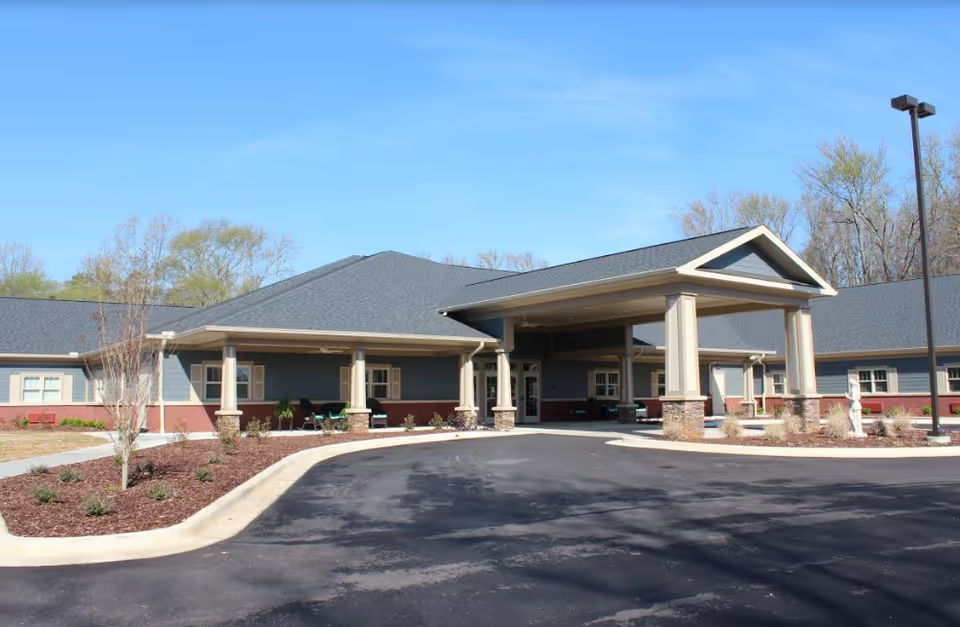
Facilities and housekeeping: The community is generally described as bright, airy, and well maintained, with spacious apartments, large bathrooms, and pleasant common areas and gardens. On-site amenities such as a theater, salon, and transportation services are commonly noted as positives. Contrasting comments about room readiness, cleanliness inconsistencies, and occasional housekeeping lapses indicate variability at the unit level; families may want to inspect a move-in‑ready room and clarify housekeeping schedules and expectations in writing.
Management and operational patterns: Many reviewers describe a smooth, welcoming move-in process and responsive staff who address concerns; others point to management communication gaps, unmet promises, and explanations attributing service shortfalls to staffing. Staffing variability appears to underlie several operational issues — meal continuity, weekend programming, and care consistency — so confirming current staffing levels, training programs, and weekend/holiday coverage is advisable.
Overall recommendation: The Goldton at Jones Farm appears to offer strong person-centered care, robust social programming, and useful on-site clinical resources, which provides meaningful quality-of-life benefits for many residents. At the same time, recurring themes around dining consistency, housekeeping variability, dementia-care training, and clinical turnaround times suggest specific areas to probe during a visit. Prospective residents and families should tour the community, request written policies on staffing and clinical escalation, review sample menus and activity calendars for weekends/holidays, and ask for references from current families to validate the aspects most important to them.