Experiences at Fair Haven vary considerably by service area, staff team, and time period. Families and residents describe both attentive, compassionate care and significant concerns about responsiveness and day-to-day support. Positive accounts highlight staff who treat residents with warmth, respect, and patience; several rehabilitation stays are described as effective, with residents regaining strength, mobility, or independence. Other accounts raise concerns about delayed assistance, inconsistent personal care, medication management, and the recognition or escalation of health changes. These differing experiences suggest that care consistency is an important consideration, particularly for residents who need frequent hands-on assistance or close monitoring.
Staffing and communication are recurring themes. Some families praise approachable nurses, aides, therapists, social workers, and administrators, and describe receiving regular updates and help navigating transitions. Others report difficulty reaching the nursing station or management, slow follow-up on concerns, and uneven communication with families. Accounts also describe variation in staff courtesy and professionalism. Staffing shortages and heavy workloads are raised as possible contributors to delays and inconsistent service, including on weekends.
Dining receives frequent praise for taste, quality, and the efforts of kitchen staff. Some residents enjoy varied, well-prepared meals, and rehabilitation guests often single out the cooks for friendly service. However, other accounts describe meals arriving late or not being warm, limited repetition in menus, and inconsistent meal support. Families may wish to ask how dietary needs, meal assistance, and service schedules are managed on the specific unit being considered.
Activities and social engagement appear strong in some areas, with descriptions of music performances, chair exercise, bingo, crafts, games, visiting pets, chapel services, and holiday events. Some memory-care families also describe structured routines and stimulating activities that helped residents feel settled. In contrast, other accounts describe limited programming and long periods with little engagement in memory-care settings. Prospective families may want to review a current activity schedule and observe how residents are included during a typical visit.
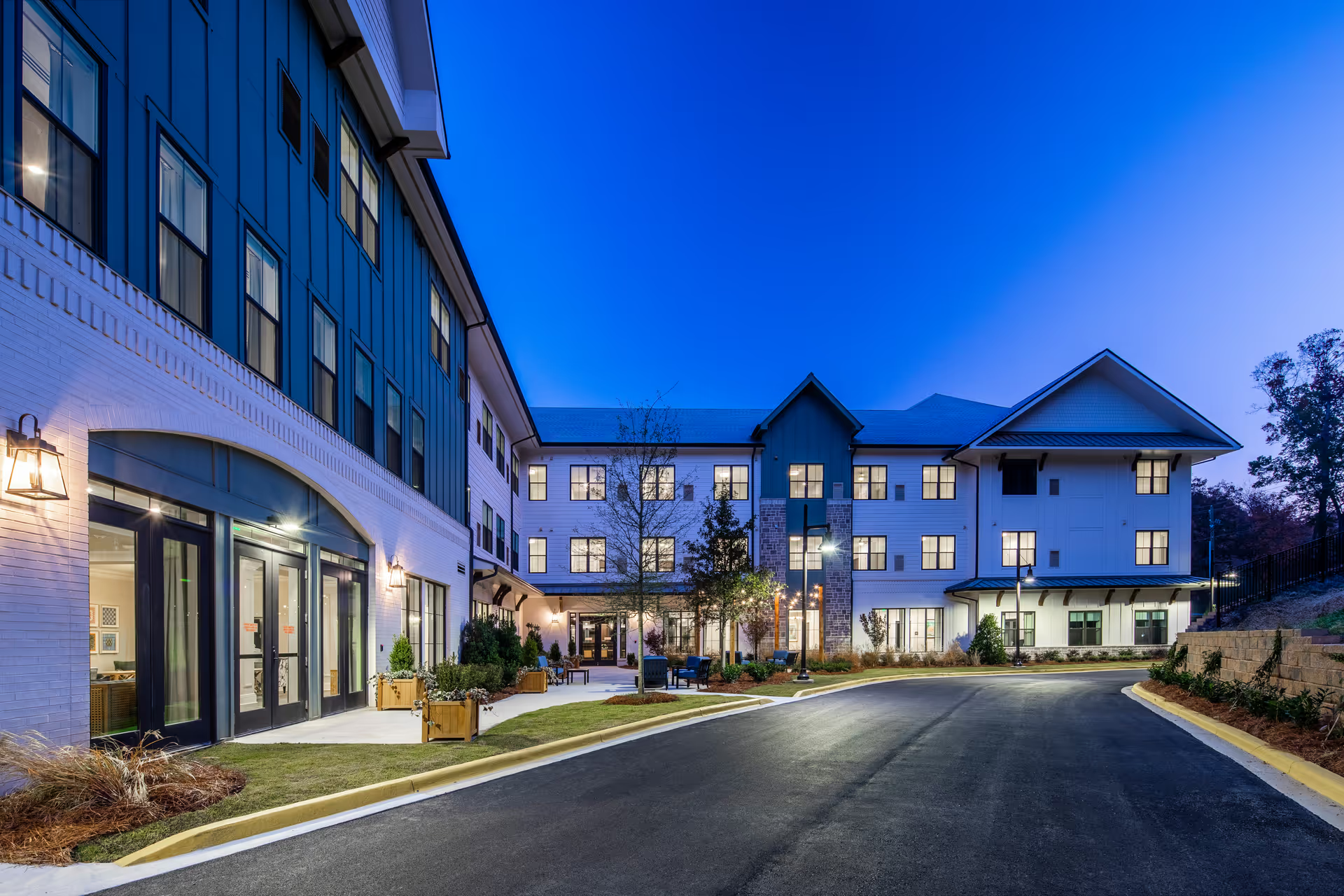
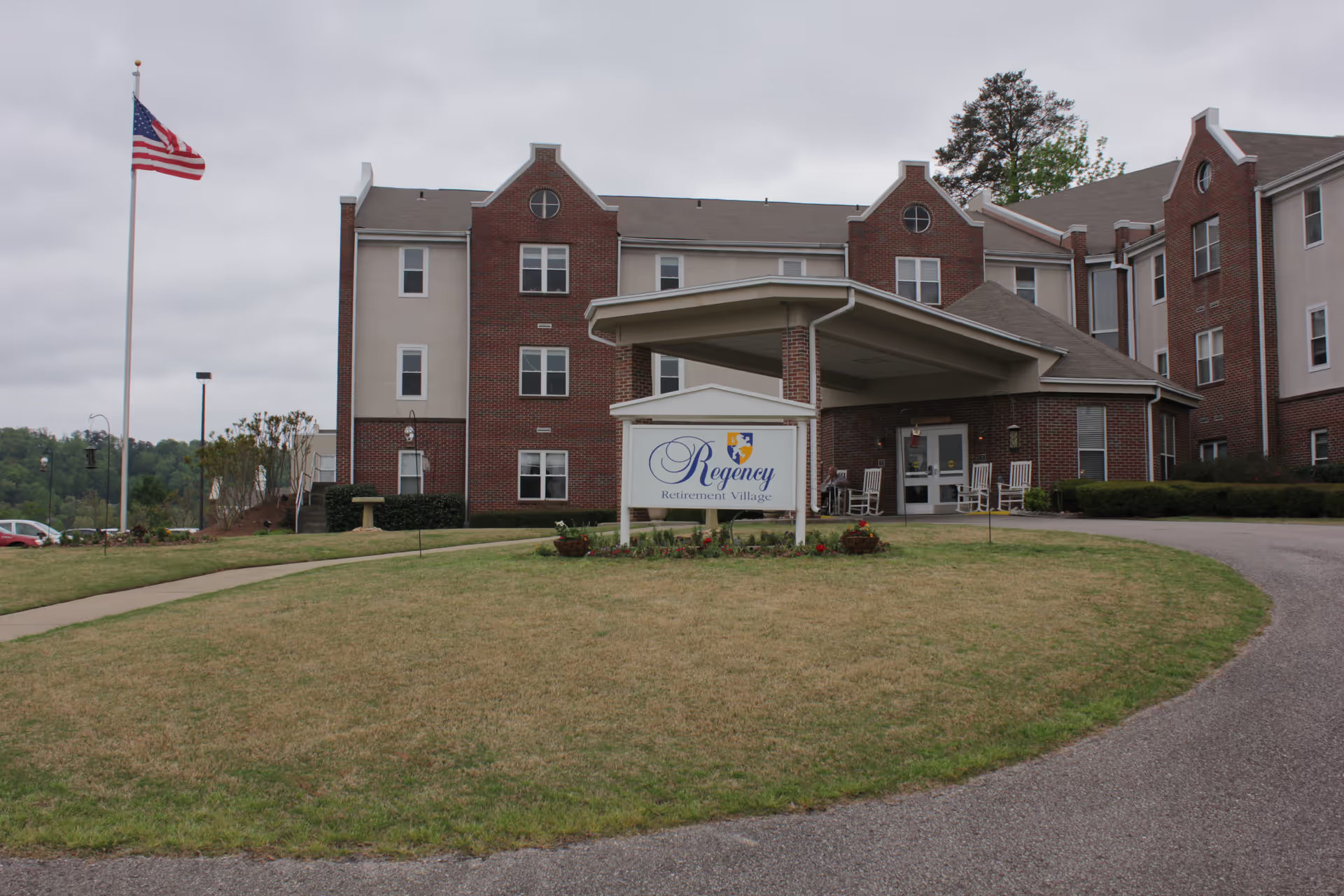
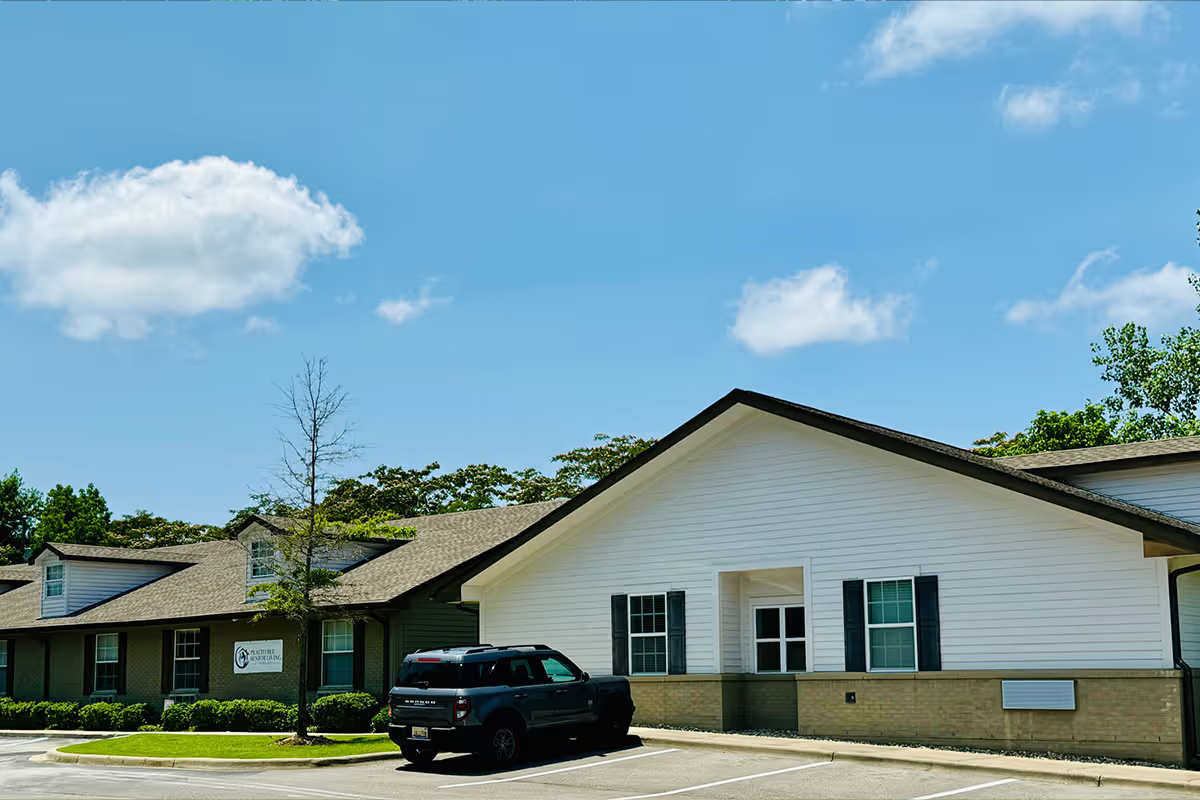
The campus is often described as attractive, spacious, and well equipped. Reviews mention renovated apartments and rooms, good natural light, private bathrooms, full kitchens or in-unit laundry in some independent-living apartments, and amenities such as a salon, bistro, chapel, and family guest room. Reports about upkeep are mixed: some visitors found rooms and common areas clean and well maintained, while others raised concerns about housekeeping, laundry handling, odors, pests, temperature control, or maintenance in particular areas. The facility offers multiple levels of care, so conditions may differ among independent living, assisted living, memory care, and skilled nursing or rehabilitation.
Overall, Fair Haven has a substantial number of positive accounts about staff kindness, dining, amenities, and rehabilitation, alongside recurring concerns about staffing, responsiveness, personal care, communication, and consistency between units. A few families also raised serious concerns about clinical escalation and family notification during illness, including in accounts involving end-of-life care. Before choosing a service, families may benefit from visiting the relevant unit at different times, asking about staffing and response procedures, and discussing how care plans, medications, activities, and family updates are handled.