Overall impression: Reviews present a mixed but coherent picture. Many families and residents praise the caregiving team for compassion, attentiveness, and clinical competence — especially for wound management, palliative support, and memory-care programming. At the same time, reviewers describe operational inconsistencies that affect everyday experience: staffing variability, uneven cleanliness, and concerns about nutrition and property controls.
Care and staff: The facility is regularly described as having compassionate, team-oriented caregivers and nursing staff who provide 24/7 supervision. Several accounts highlight effective end-of-life care and improvements in specific clinical issues. Residents and families also value the smaller, home-like culture and reports of strong personal-grooming support and one-on-one attention. Offsetting these positives are recurring concerns about staff responsiveness at times (including delayed assistance after incidents) and variability in staff conduct and communication tone. Staffing shortages tied to shift coverage and weekends were specifically mentioned as contributing to these gaps.
Dining and nutrition: Meal service elicits varied reactions. Some families reported weight gain and satisfactory meals, while others raised concerns about menu choices and nutritional balance, including an emphasis on higher-sugar options. A few reviewers singled out dietary management and requested clearer oversight of meal planning. Overall, dining appears inconsistent across stays and units; prospective families may wish to review recent menus and nutritional policies.
Activities and social life: Activity programming is consistently cited as a strength. Live music, pet visits, group outings (including resident lunches), game nights, and indoor/outdoor options are described as meaningful sources of engagement. These offerings support social connection — particularly valuable for residents in memory care — and contribute to the home's family-like atmosphere.
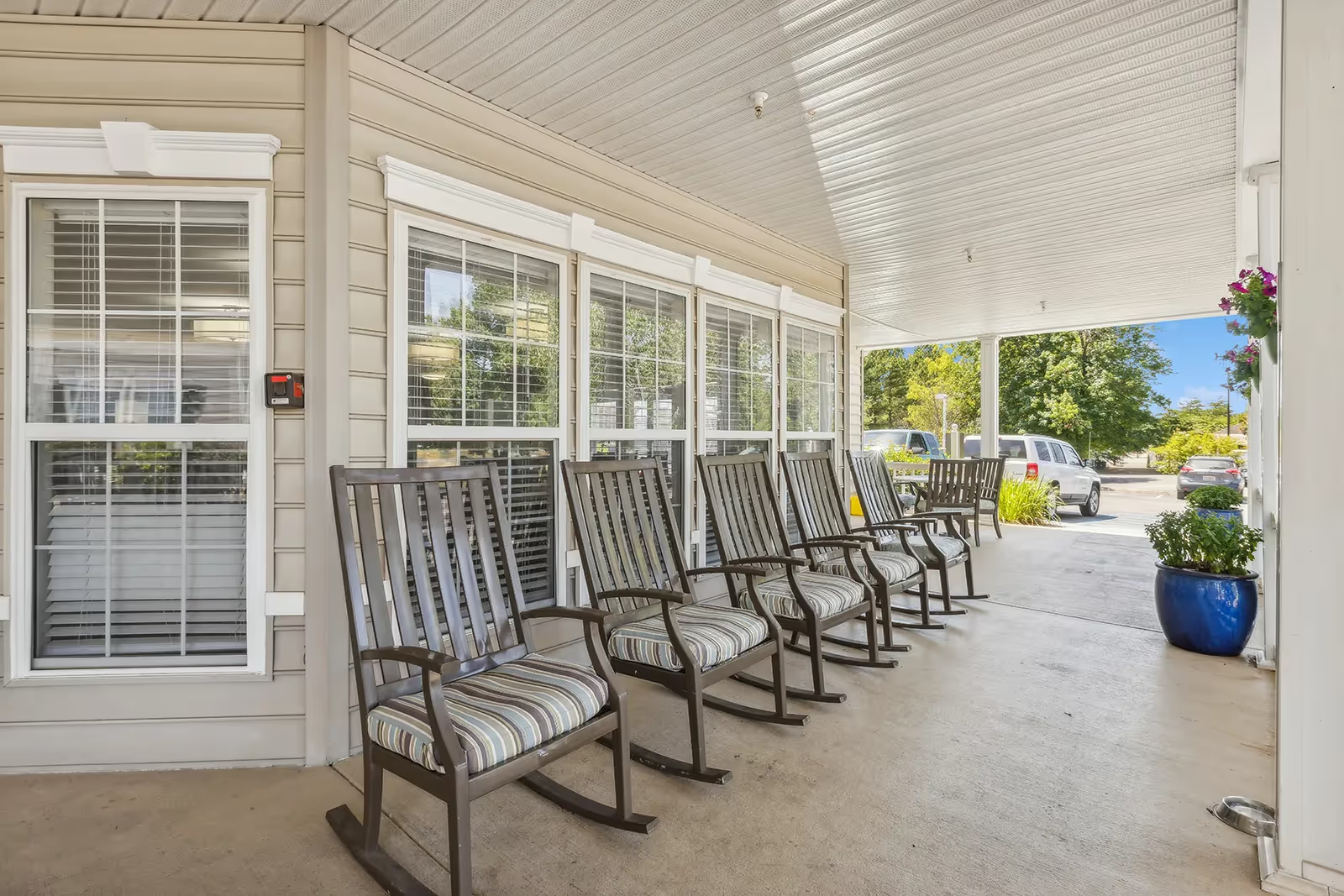
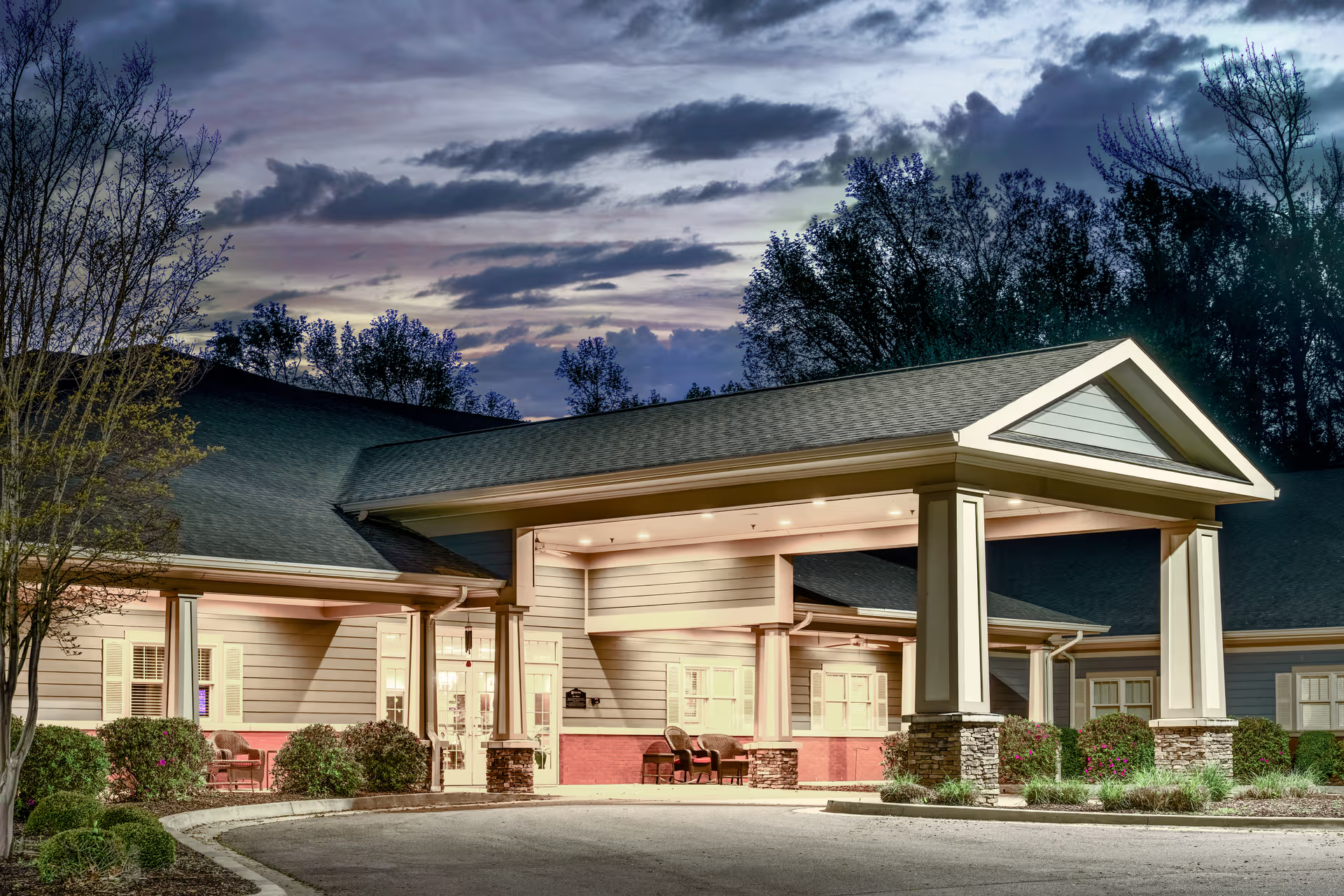
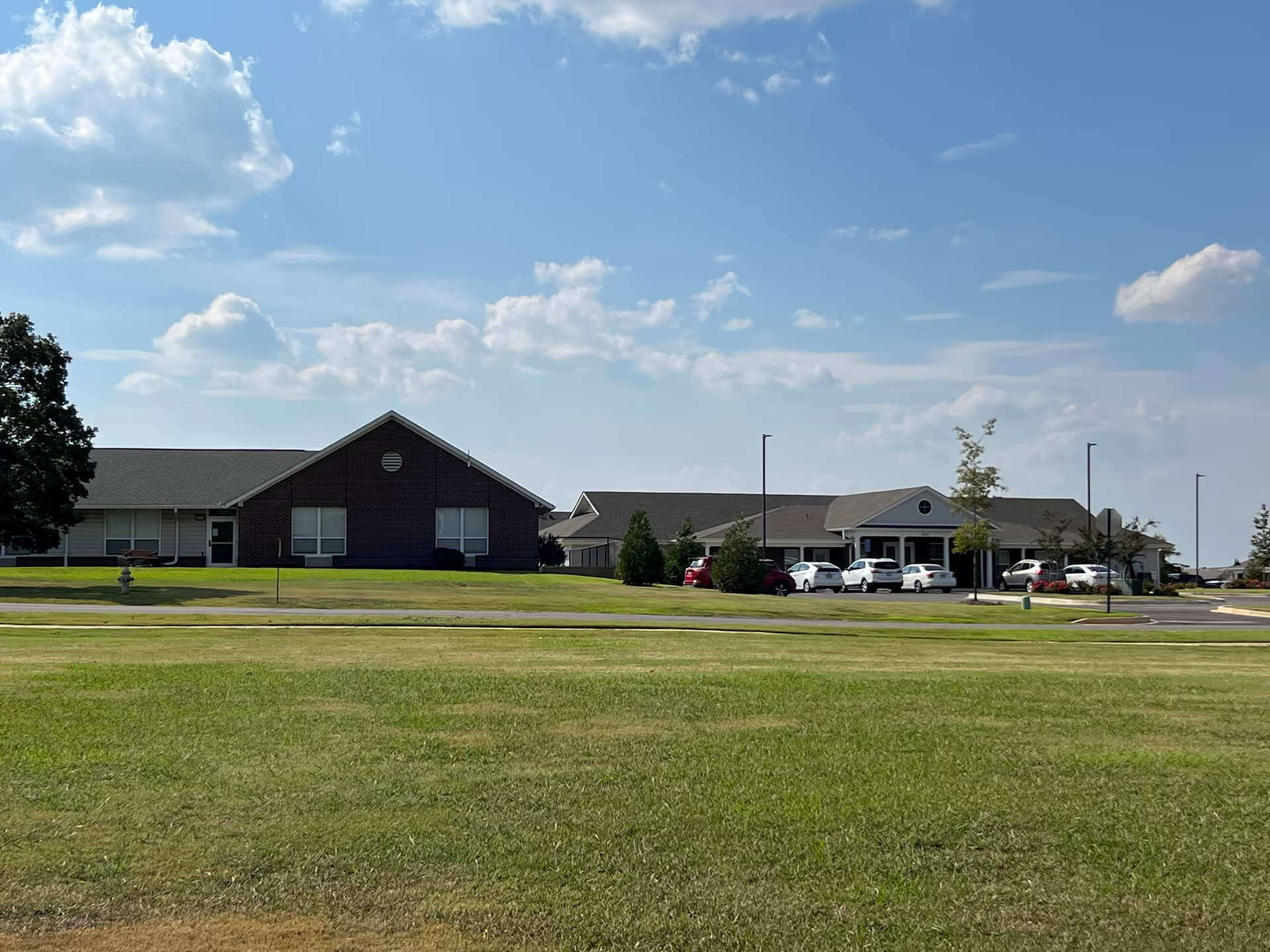
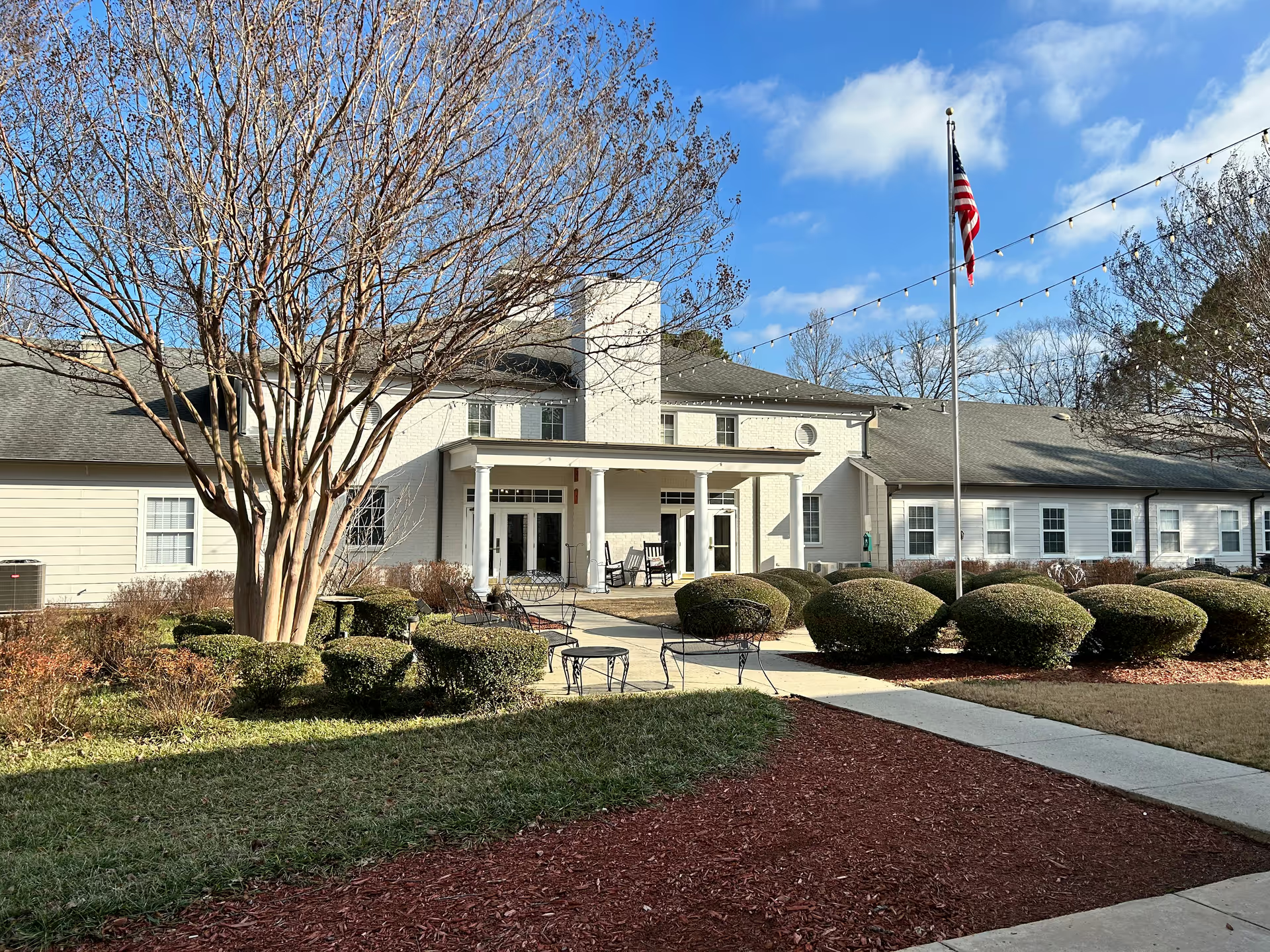
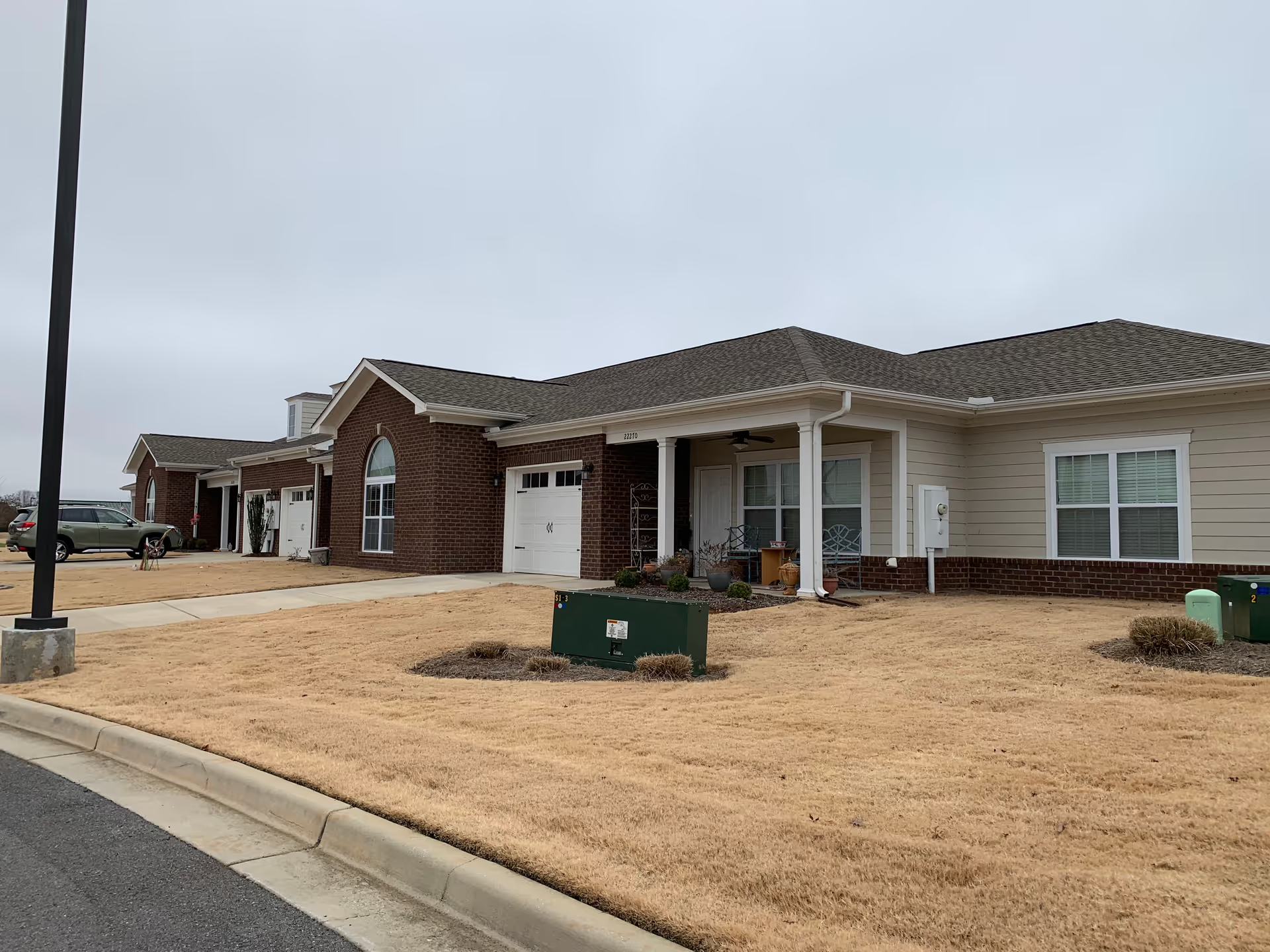
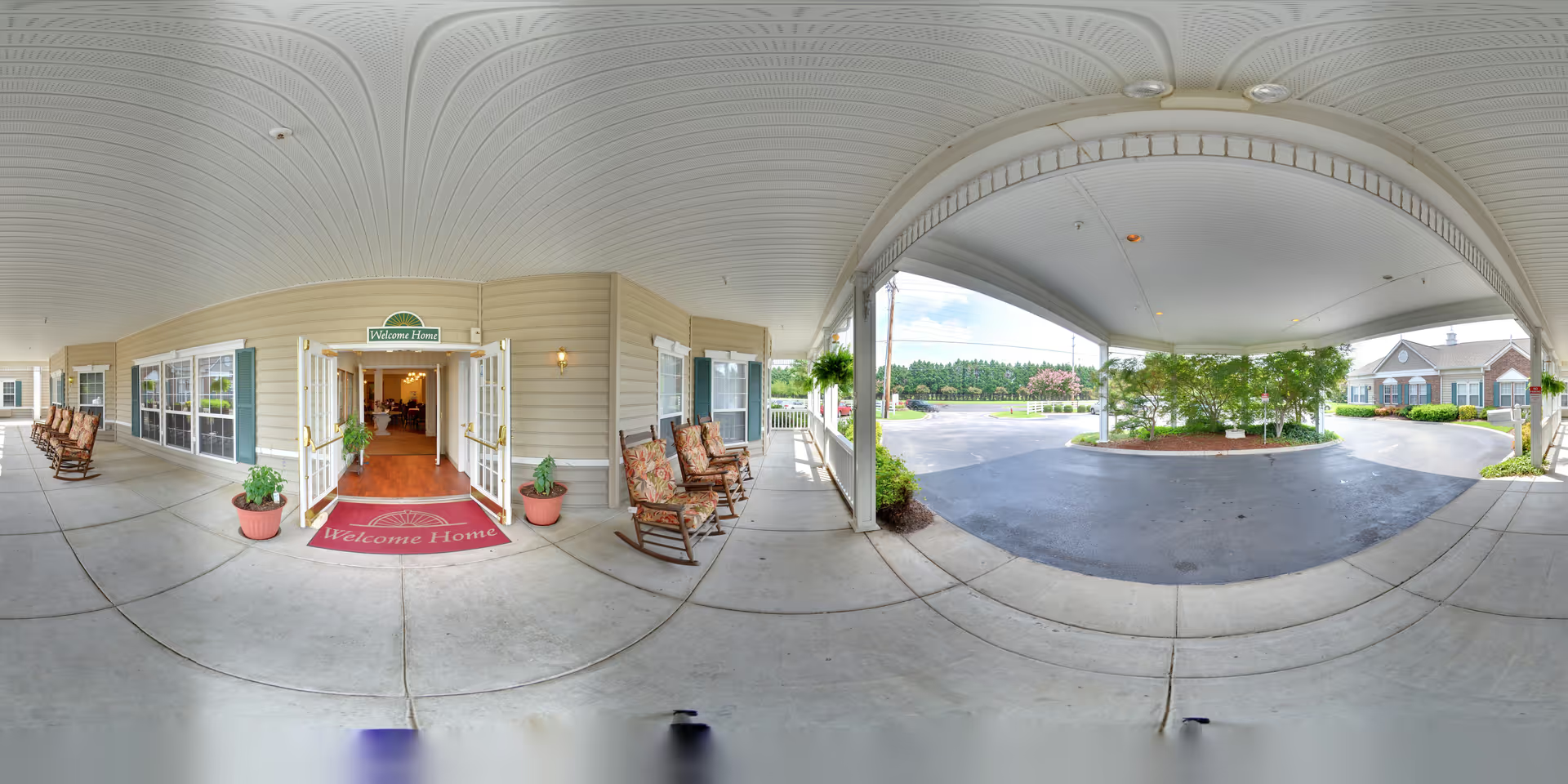
Facilities and cleanliness: The physical plant is described as older and in parts somewhat clinical (cinder-block walls and limited cosmetic updates), yet many areas are called well-kept and clean. That said, there are specific sanitation and pest-control concerns in some units and uneven housekeeping standards reported. Prospective families should inspect both common and resident-room areas during a tour.
Management and operations: Communication and administrative processes receive mixed feedback. Positive notes include clear family updates and informative tours. Negative patterns include inconsistent admissions courtesy or communication, incomplete caseworker information, and reports of missing personal items and concerns about resident funds. These operational issues point to opportunities for strengthened property-management controls and clearer administrative communication protocols.
Notable patterns and guidance: The dominant positive thread is the quality of direct caregiving — warmth, teamwork, and clinically competent support for complex needs. The dominant negatives are operational: inconsistent staffing, variable personal-care routines, uneven cleanliness, nutrition-management variability, and administrative control gaps. Families considering this facility should prioritize in-person tours, ask specific questions about current staffing ratios and weekend coverage, review incident-response procedures, inspect cleanliness and pest-control measures, examine sample menus and nutrition oversight, and inquire about safeguards for personal property and resident funds.
In summary, Madison Manor appears to offer strong, compassionate hands-on care and active programming, particularly valued in memory care and palliative situations, but also shows recurring facility-level inconsistencies that merit direct questions and verification during the decision process.