Overall impression: The reviews present a generally favorable view of day-to-day care at Woodlands Assisted Living, with many families noting improvements in residents' physical health and weight after admission. Staffing is frequently described as caring and helpful, and the community's small scale and clean, home-like atmosphere are recurring positives. At its best, the facility appears to combine attentive caregiving with a neighborhood-style environment that some families find comforting and effective for social and clinical needs.
Care and staff: Care quality is described positively in numerous comments: caregivers are characterized as compassionate and responsive, and several families reported measurable improvement in the condition of residents following the move to the community. Staff–resident interactions are framed as respectful and supportive by many observers. That said, there are operational concerns around communication—families noted instances where they were not contacted or had difficulty obtaining timely updates—indicating variability in responsiveness and information-sharing practices.
Dining and activities: Dining is a strong theme but with mixed assessments. Several reviewers praised well-balanced, nutritious meals and said food service contributed to improved appetite and weight gain. Other reviewers, however, described dissatisfaction with meal quality, suggesting inconsistency in the dining program. Programming and social opportunities are a clear strength: organized activities (bingo, card games, auctions), regular outings (Walmart trips), and on-site church services support socialization and new friendships, and many residents are described as engaged and enjoying these offerings.
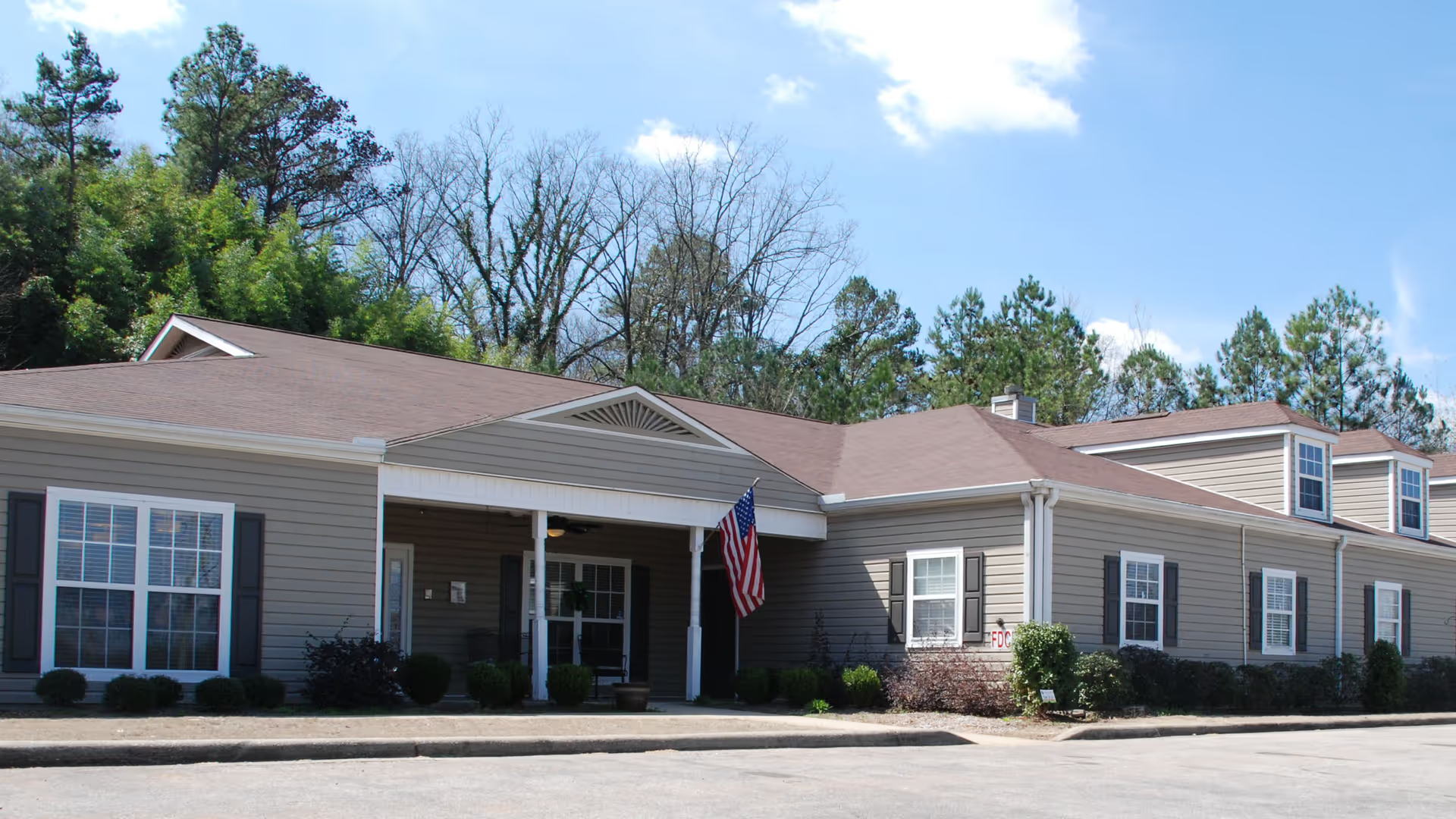
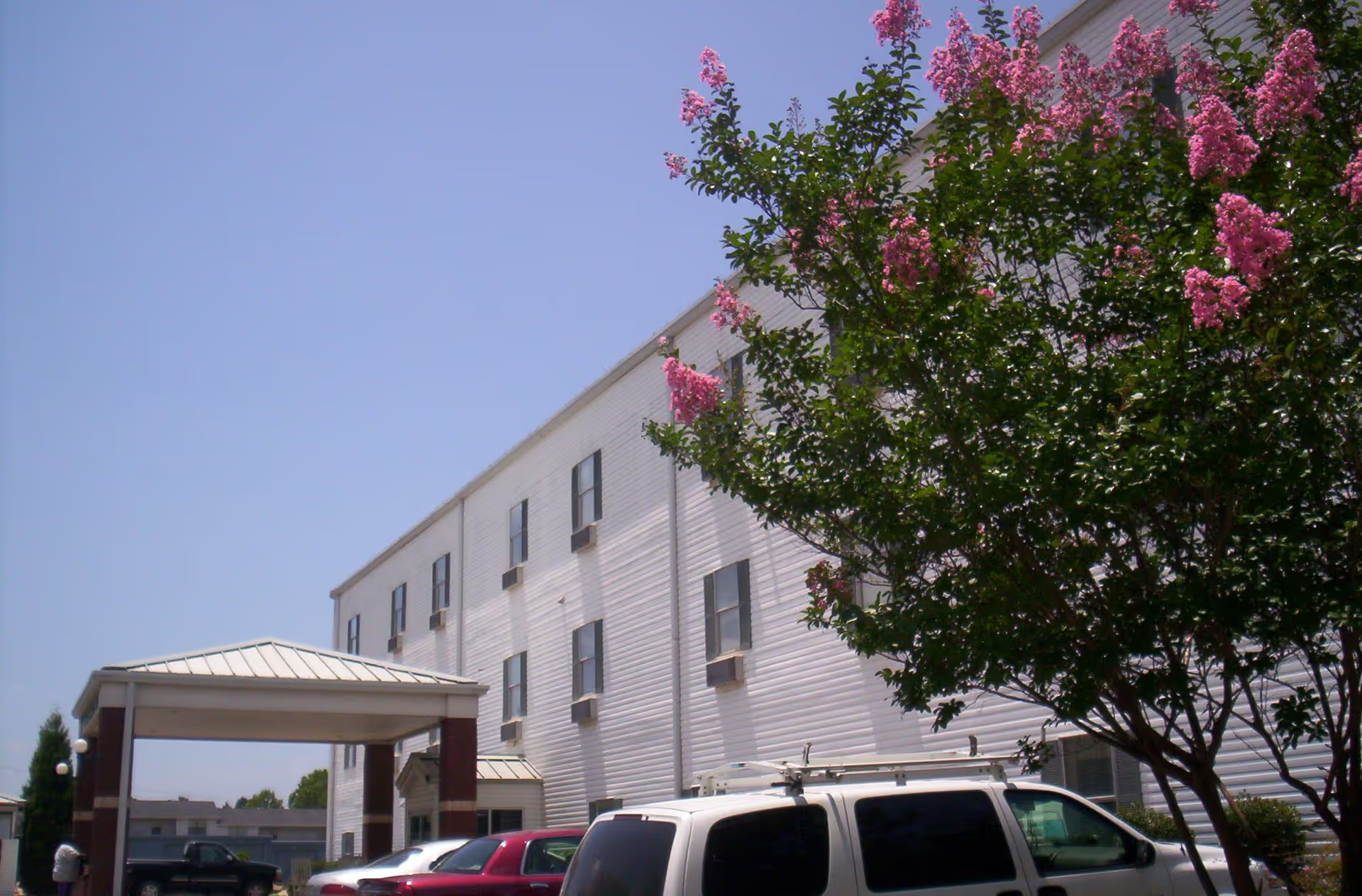
Facilities and management: The physical environment is repeatedly described as neat, clean and free of institutional character, which supports the home-like feel cited above. Management issues appear most prominently around operational stability and property controls. One reviewer alleged missing clothing, which raises concerns about property-security practices—this should be treated as a signal to evaluate inventory and laundry controls. A more systemic concern is the risk of unexpected transition: at least one family indicated the facility closed and required relocation to another site, with resulting constraints on larger unit availability and upward pressure on rates. These items suggest prospective residents and families should clarify contingency plans, unit availability, and fee policies before committing.
Notable patterns and recommendations: In summary, Woodlands presents clear strengths in caregiving, community scale, cleanliness, and social programming, which have correlated with improved resident well-being in multiple accounts. Key areas to investigate further during a tour and intake conversation include dining consistency (ask for menus and a meal visit), communication protocols and family-notification practices, property- and laundry-security procedures, contingency plans for closure or relocation, availability of larger units, and fee escalation policies. Those follow-up questions will help families confirm whether the facility’s operational practices match the generally positive day-to-day care described by many reviewers while addressing the occasional concerns raised.