Overall impression Asher Point Independent Living of Montgomery is frequently described as a community with a welcoming, family-like atmosphere and a staff culture that many residents and families find compassionate and attentive. Prospective residents often praise the chef-prepared meals, the range of activities, and the social opportunities that contribute to improved mood and engagement for many occupants. Apartments come in multiple sizes and layouts, with several reviewers noting spacious floor plans, good lighting, and workable kitchenettes or small kitchens that support independent living. On-site amenities such as a salon/barber, library, game room, fitness area, and scheduled transportation add convenience and contribute to the community feel.
Care quality and staff Care and frontline staff are the facility's most consistently cited strength: many comments highlight staff responsiveness, friendliness, and individualized attention. Maintenance and facilities staff are also frequently commended for repairs and carpentry work. At the same time, reviewers describe recurring operational challenges: high staff turnover, intermittent shortages, and temporary activity-staff gaps that can affect consistency of daily services. Families should assess current staffing levels, after-hours coverage, and how the community handles staff transitions when evaluating fit.
Dining Dining is a central theme — many residents praise well-presented, chef-prepared meals, restaurant-style service, and generous portions at times. The facility offers three meals per day, boxed-lunch options, to-go or seconds choices, and accommodations for dietary requests, which are positives for many families. However, dining quality and service are described as inconsistent: some reviewers report undercooked or cold items, missing menu items, or smaller-than-expected portions on occasion. Prospective residents should ask about menu rotation, substitution policies, meal-service times, and how the community manages quality control in the kitchen.
Activities The activity program is robust on paper and often well-received: organized outings, card games, cornhole, craft programs, church services, and occasional larger events help foster social connection. Activity staff receive frequent praise for programming and effort. That said, continuity can suffer when activity leaders are absent or when staffing is thin; some families requested additional offerings such as gardening projects, animal therapy visits, or more volunteer performers. Confirm current weekly/activity schedules and coverage during staff absences when touring.
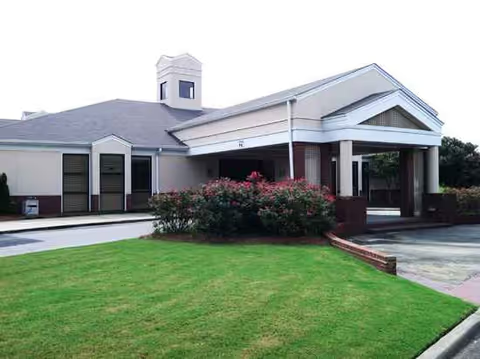
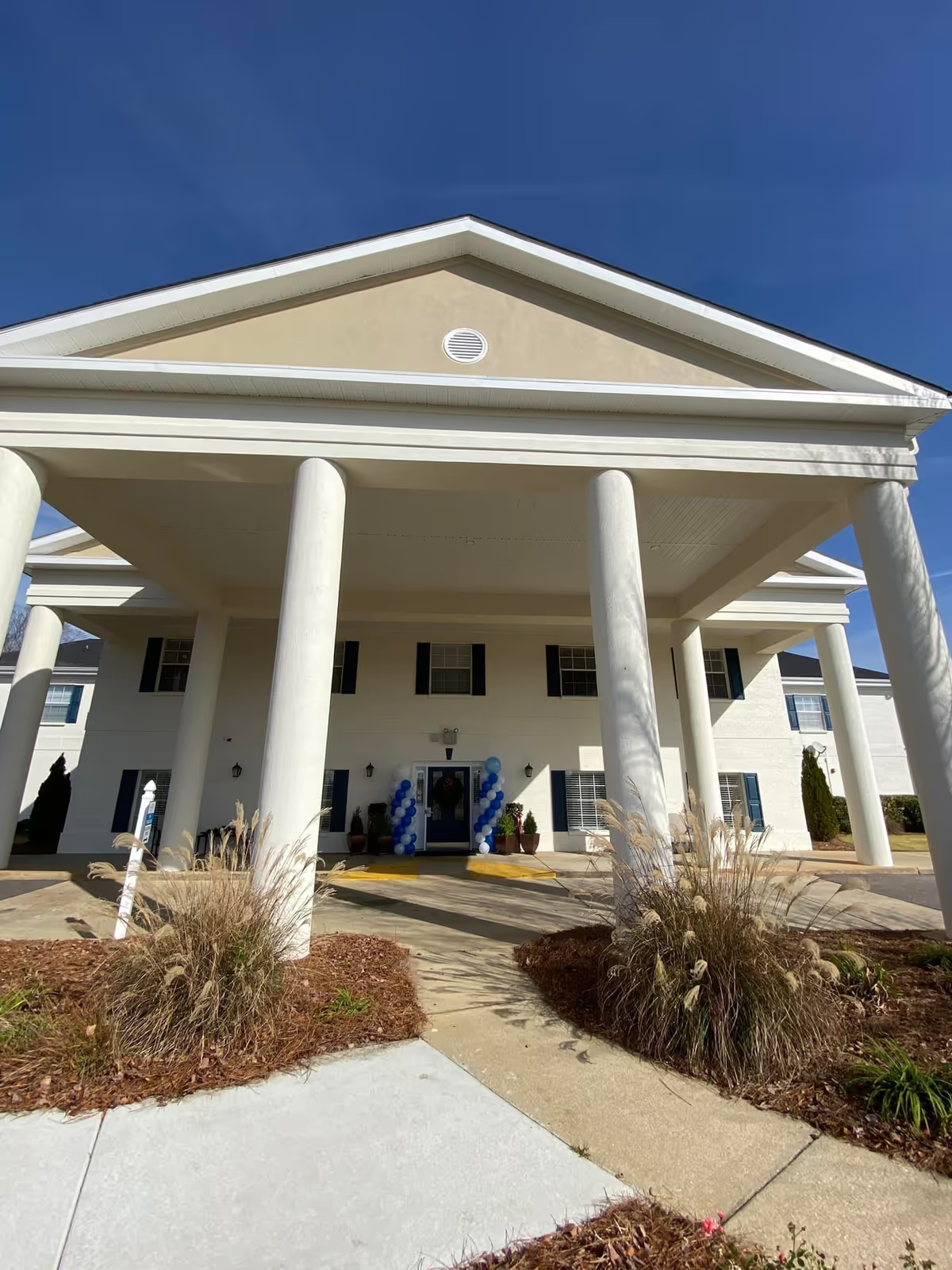
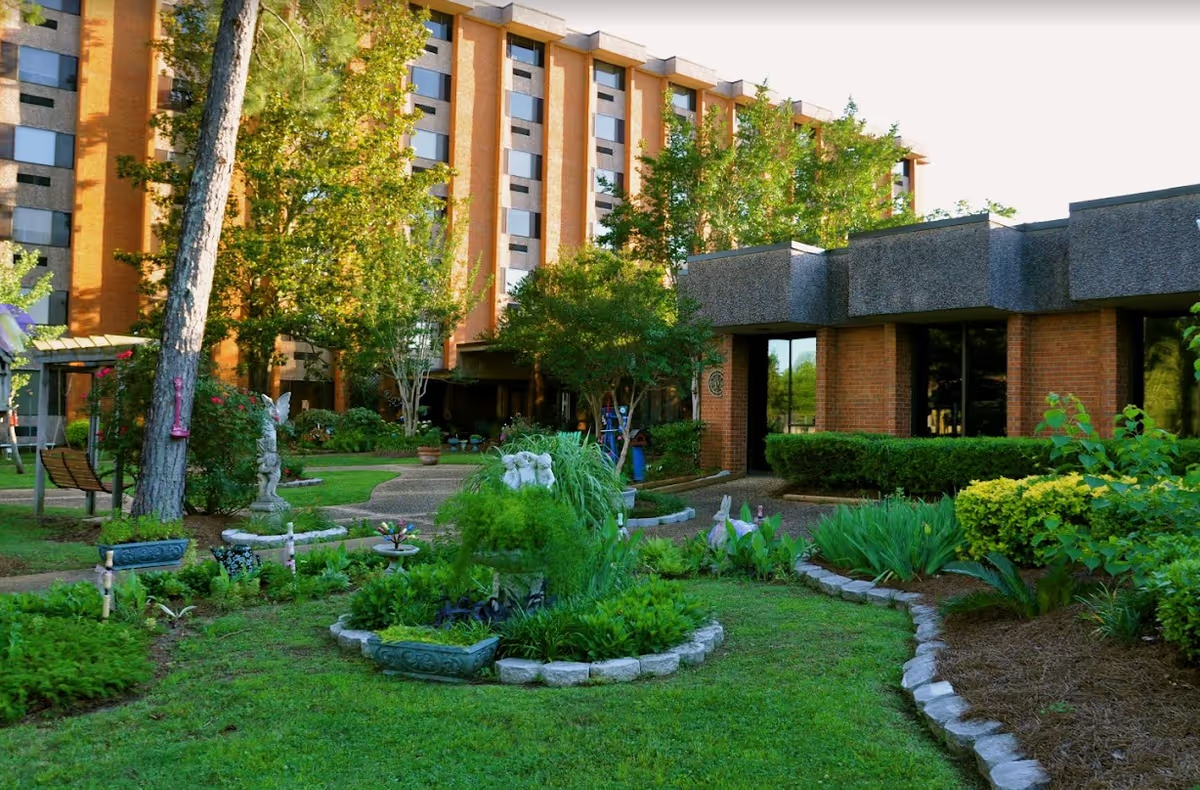
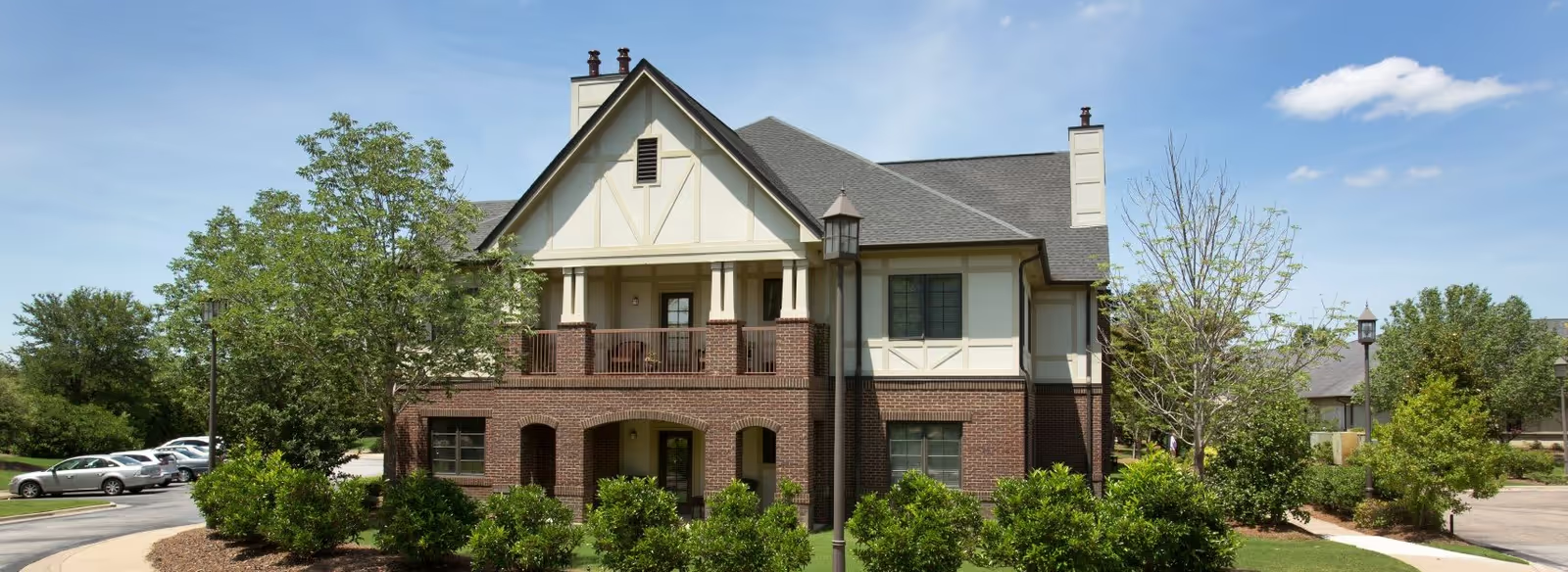
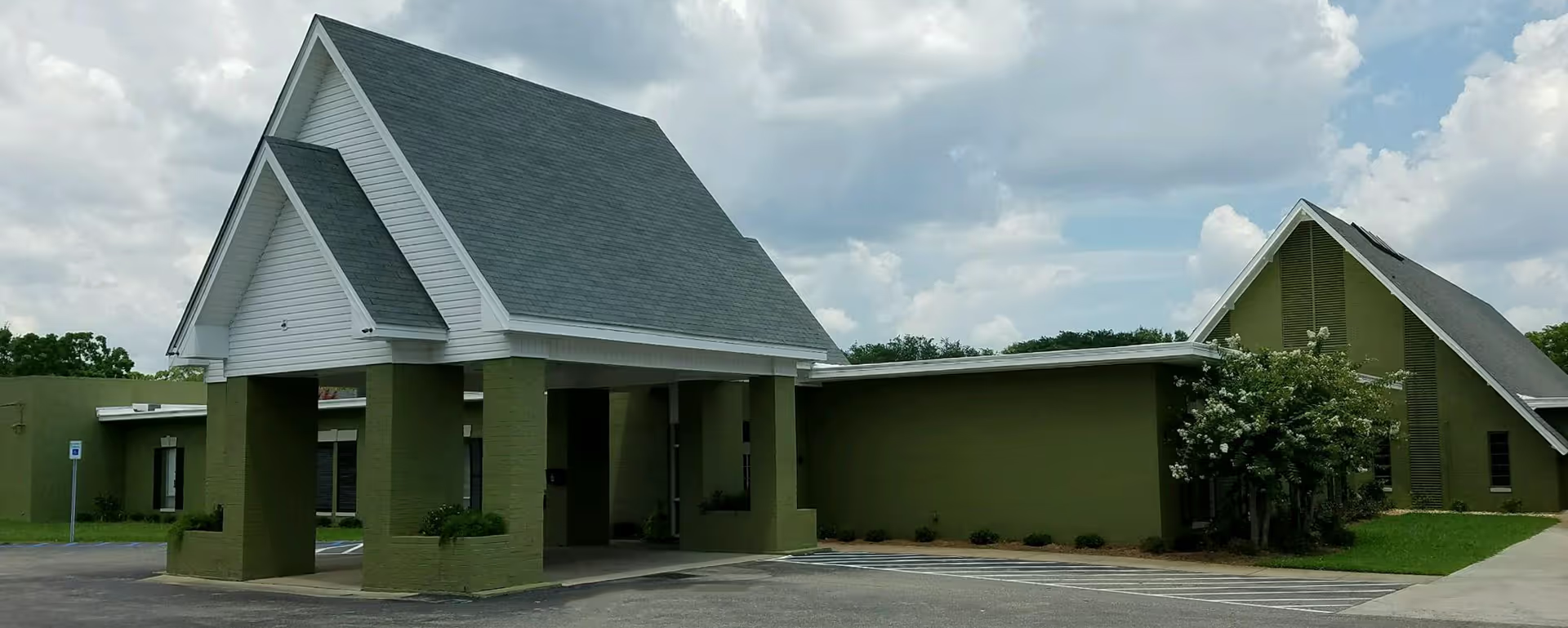
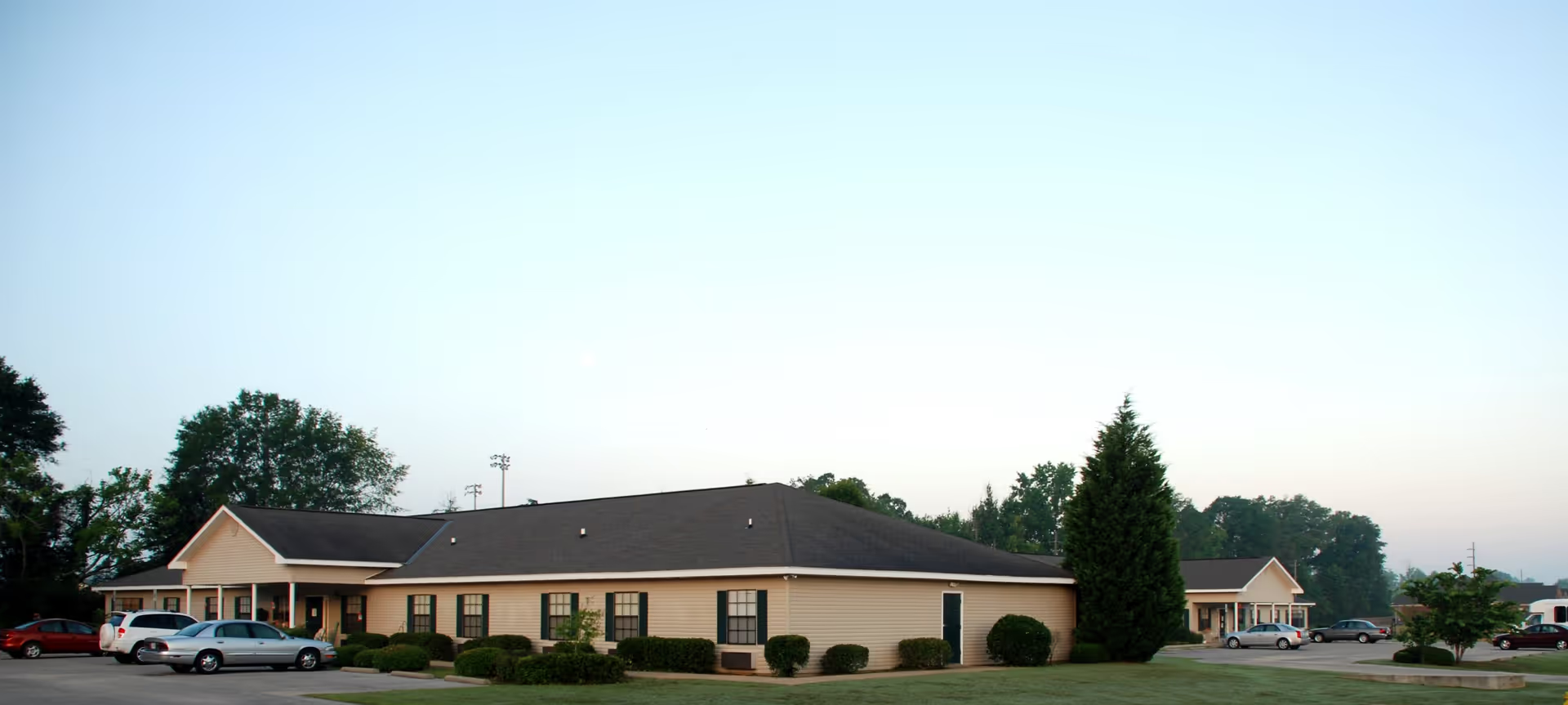
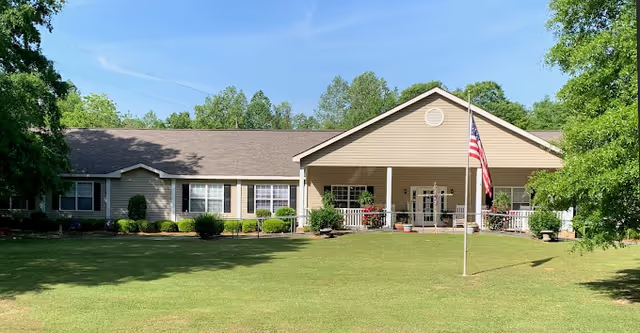
Facilities and operations Physical plant strengths include attractive common spaces, nice grounds, and some recently refreshed apartments. Maintenance responsiveness is a positive point for many residents. Conversely, the building is older and several reviewers noted areas that would benefit from a facelift or more consistent upkeep. Operational concerns raised across reviews include inconsistent housekeeping, occasional odor concerns in corridors or common areas, unreliable internet and cable, and periodic issues with service continuity (broken transportation vehicles, etc.). Families should inquire about recent capital improvements, pest-control procedures, and internet/cable reliability.
Management and administrative patterns Management impressions vary substantially. Several named managers and directors are singled out for excellent communication, prompt problem resolution, and hands-on engagement; other comments cite periods of management turnover, unclear communication channels, and unprofessional conduct at the front desk. There are also serious administrative concerns raised about billing, vendor payments, and perceived lapses in financial administration. Those are organizational risks worth exploring directly with leadership and corporate offices during the decision process.
Notable patterns and considerations for families The community delivers meaningful social and lifestyle benefits for many residents and families, and numerous accounts describe life-changing improvements after moving in. However, recurring operational themes — inconsistent meal and housekeeping quality, staffing instability, management transitions, and potential mismatch between resident needs and the independent-living level — are important to weigh. Prospective residents should: (1) verify current staffing ratios and turnover trends, (2) ask about screening for resident acuity and procedures if higher-level care becomes necessary, (3) sample meals and ask about kitchen staffing and quality controls, (4) confirm housekeeping schedules, visitor/guest accommodations, and security/after-hours coverage, and (5) obtain clarification about billing, vendor management, and recent maintenance or capital work. Doing so will help families determine whether this community's strengths align with their priorities and whether the operational concerns are being actively addressed.