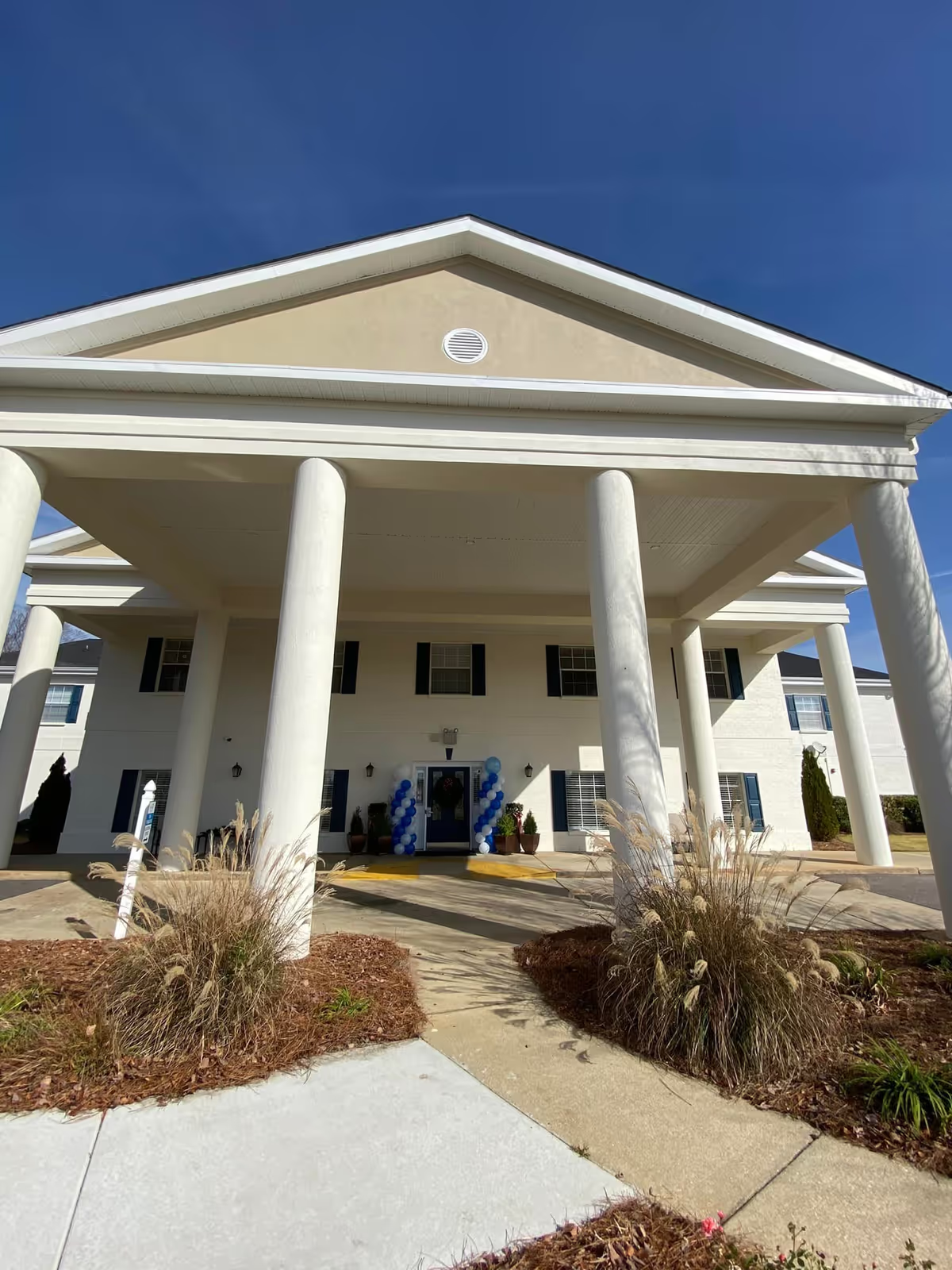
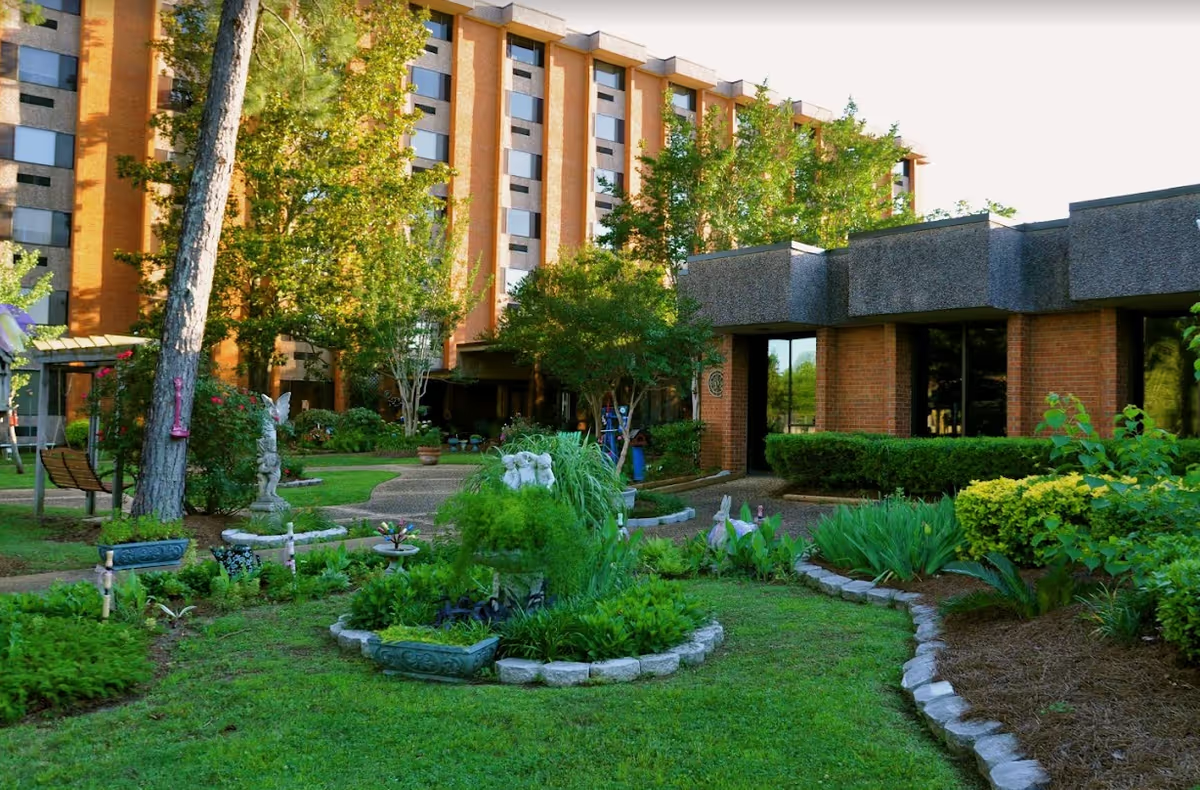
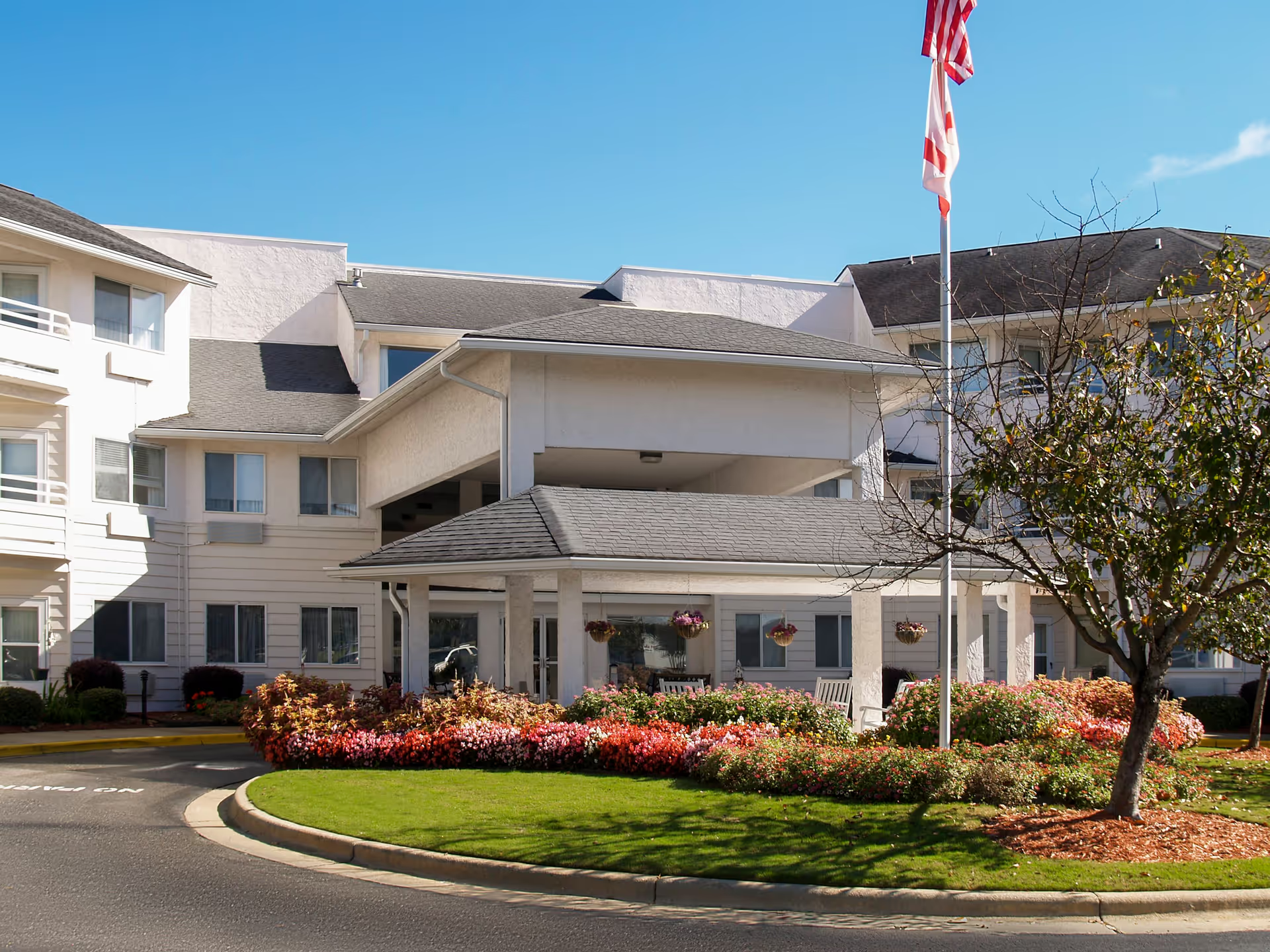
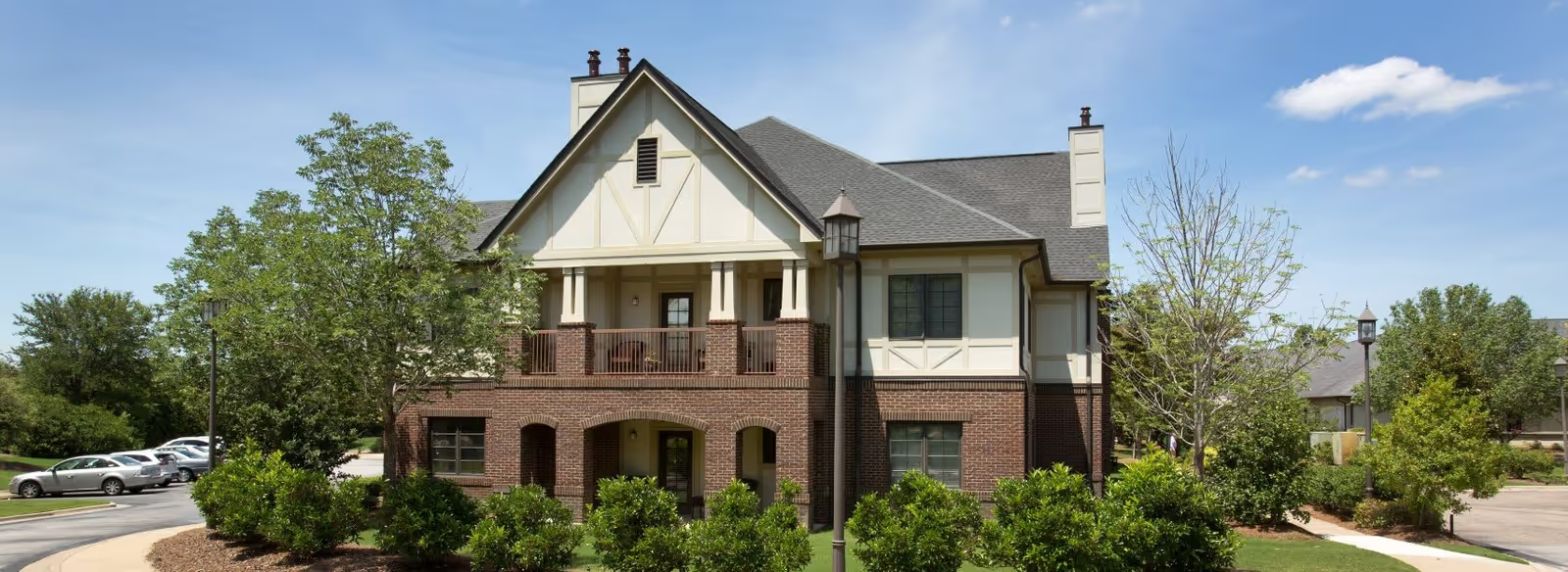
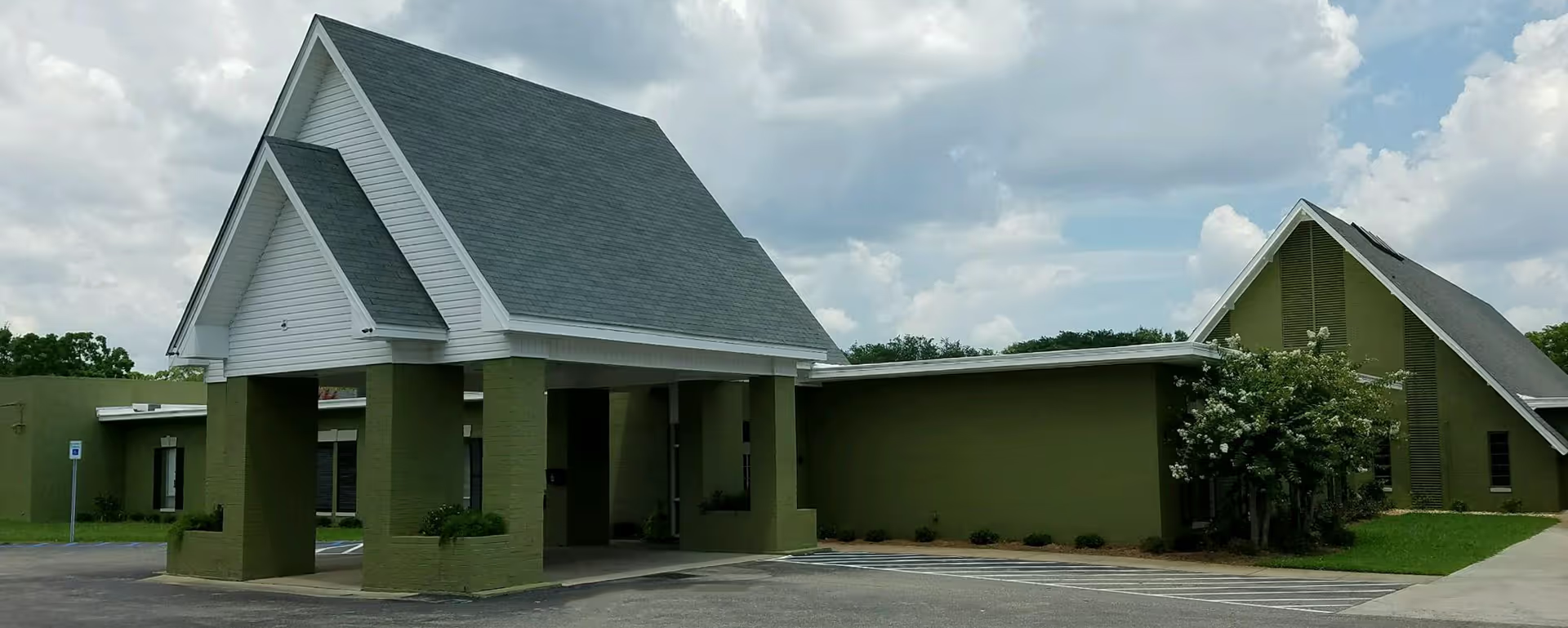
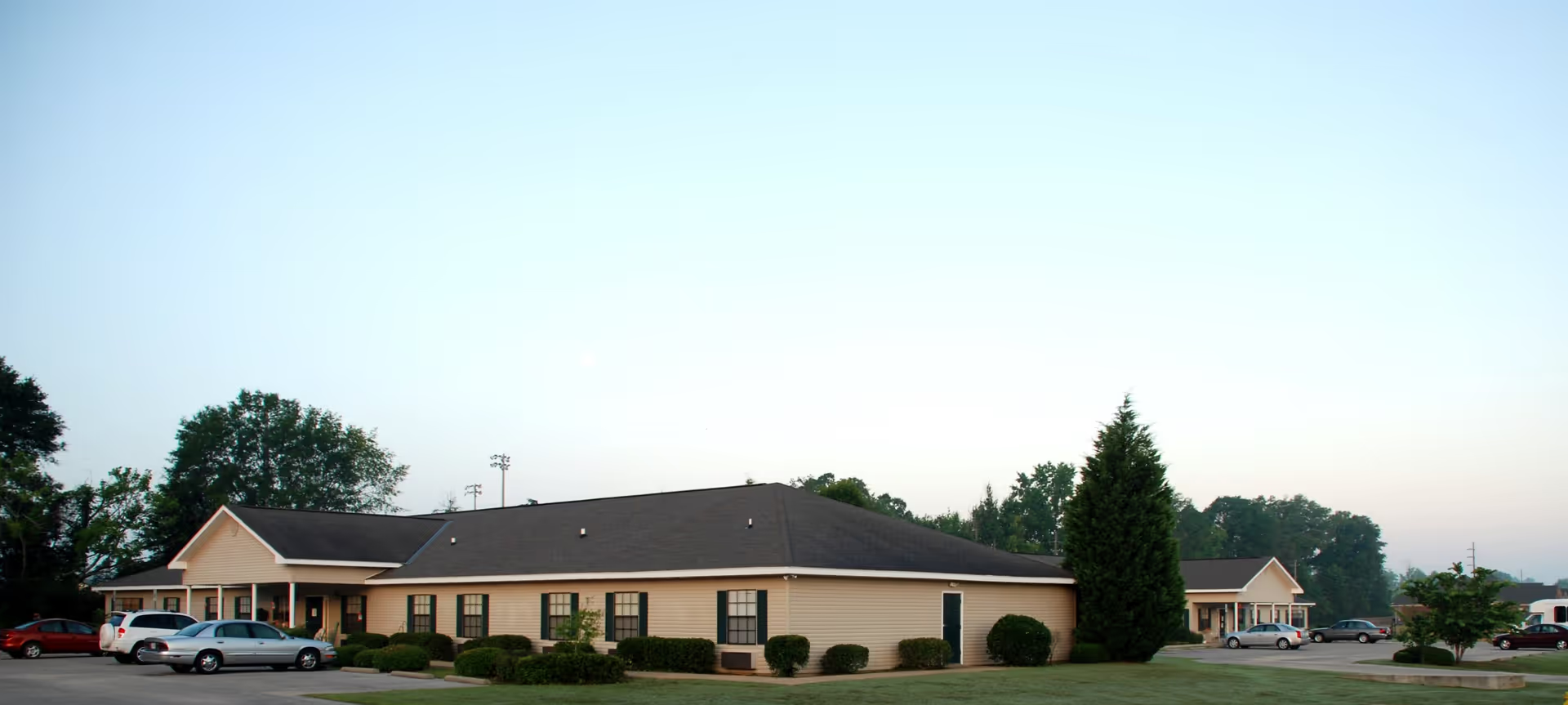
The Crossings at Eastchase presents as a modern, well-equipped senior living community with many institutional strengths alongside several operational inconsistencies. Most reviewers emphasize the facility’s physical attributes: a brand-new building, contemporary interiors, spacious and accessible apartment layouts, and a range of on-site amenities such as a movie theater, libraries, game rooms, an on-site salon, and planned pub/restaurant-style spaces. Common-area cleanliness and general maintenance are frequently described positively, and many families report that apartments and public spaces appear well maintained and attractive.
Care quality and staff performance are recurring positives. Numerous accounts describe caregiving and dining staff as compassionate, attentive, and willing to go beyond basic expectations; staff are often credited with helping residents transition and with fostering social connections. At the same time, reviews indicate operational pressures that affect care continuity: caregivers and management turnover, periodic understaffing, and short-staffing during peak times. These staffing dynamics are linked to lapses such as canceled enrichment activities, slow response times, and uneven day-to-day service reliability.
Dining experiences are mixed. The community offers restaurant-style dining, menu variety, customizable meal plans, and dietary accommodations (including diabetic options), and many residents and families praise the food and dining environment. However, other accounts note inconsistent meal delivery and quality—examples include wrong or cold meals and billed meals not received—suggesting meal-service reliability and kitchen-to-dining coordination can be variable. Several reviewers also requested more dietary options (for example, sugar-free items) and additional dining staff during busy periods.
Enrichment programming is broad in scope—crafts, games, bingo, poker, movie nights, religious services, Bible study, live entertainment, and regular outings are all mentioned—and many residents report improved quality of life and social engagement. That said, activity frequency sometimes fluctuates; cancellations and limited programming have occurred when staffing or census levels change, and a few reviewers noted the activity calendar is not yet consistently full every day.
Facility-level concerns are operational and procedural. Wayfinding within a large building has been described as confusing, and some reviewers point to localized cleanliness and maintenance issues (for example, stained carpeting and flooring) that contrast with generally well-maintained common areas. Memory-care outdoor access is noted as limited in places due to fencing or design choices, reducing visibility of natural surroundings for some residents. Several families raised concerns about communication and documentation practices—difficulty obtaining requested paperwork, inconsistent family notification, and at least one instance of an important personal safety device not tracked effectively—indicating opportunities to strengthen recordkeeping and family communication protocols.
Management and policy patterns warrant attention. There are recurrent comments about high turnover in both caregiving and management roles, which can create training gaps and inconsistent service experience as new staff acclimate. Some families also expressed dissatisfaction with pricing increases and perceived declines in certain services over time. Access logistics (an inconvenient entry system) and dining-space capacity during busy periods were additional practical considerations cited by visitors and residents.
Recommendation for prospective residents and families: weigh the clear strengths—the modern facility, broad amenity set, active social programming, and generally praised caregiving staff—against the operational trade-offs of an evolving community. If consistent meal-service reliability, stable staffing levels, close family communication, and outdoor access for memory-care residents are high priorities, ask targeted questions during a tour: request recent examples of staffing ratios, inquire about turnover rates and training, observe meal service at mealtime, review activity calendars for consistency, and ask how the community tracks personal safety devices and documentation requests. Many families report strong improvement in residents’ social and emotional well-being at The Crossings, but others advise ongoing vigilance around operational practices that affect daily life.