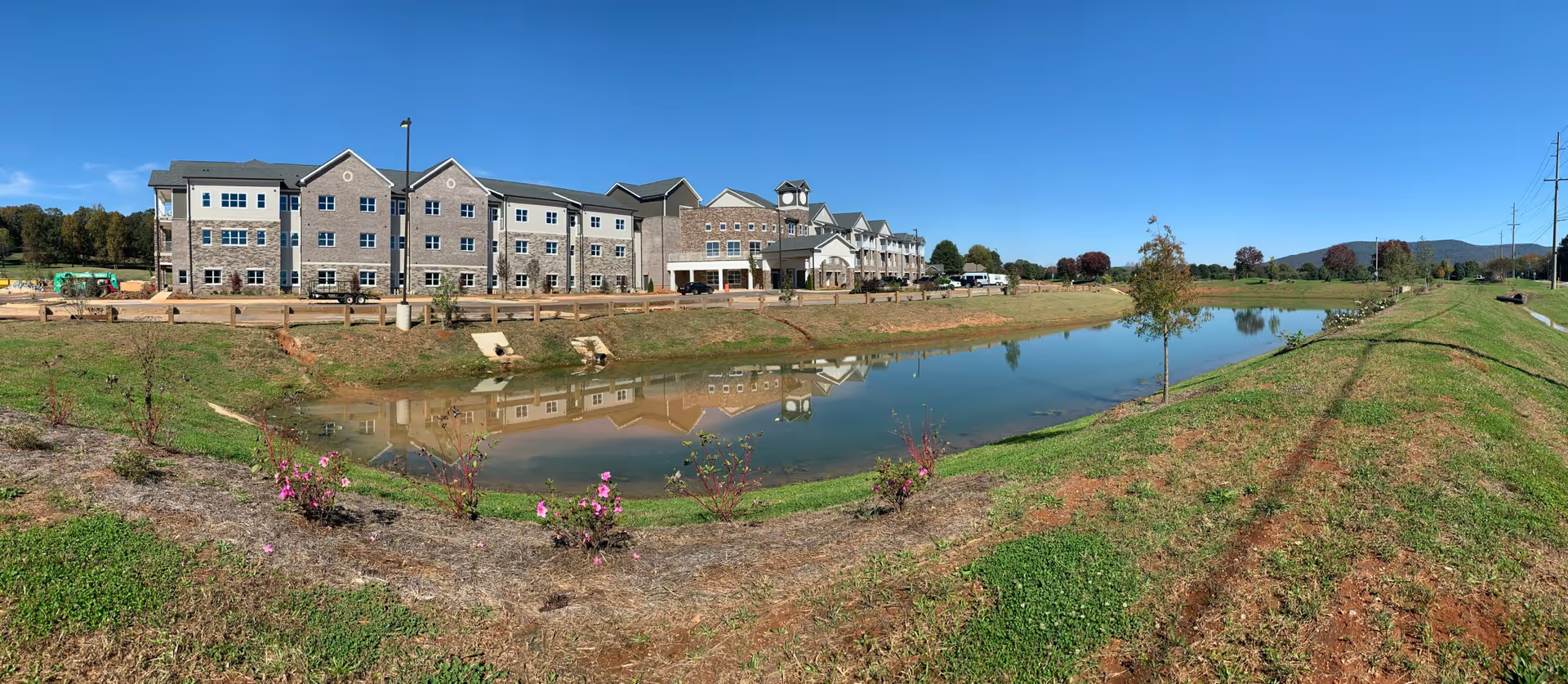
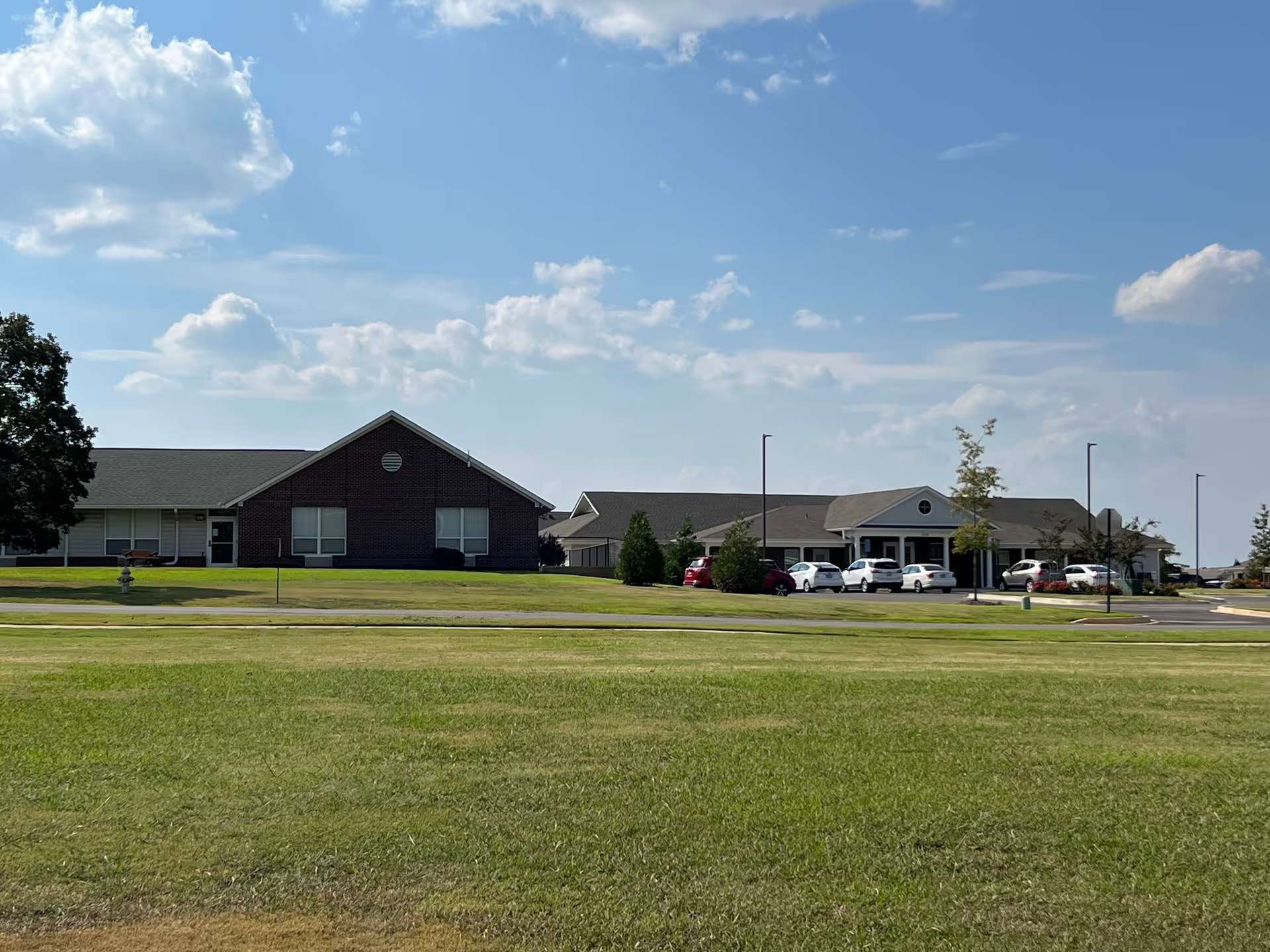
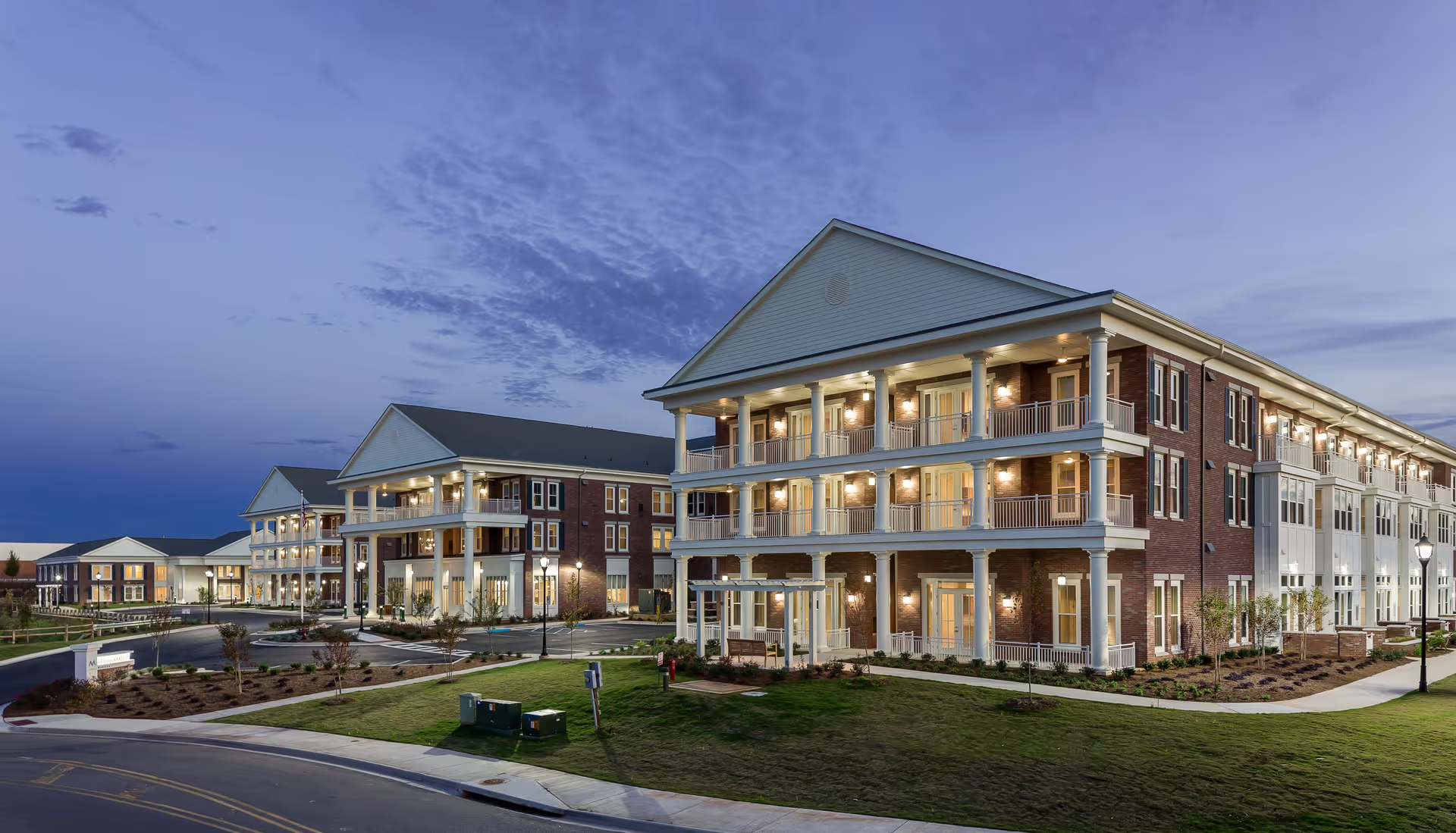
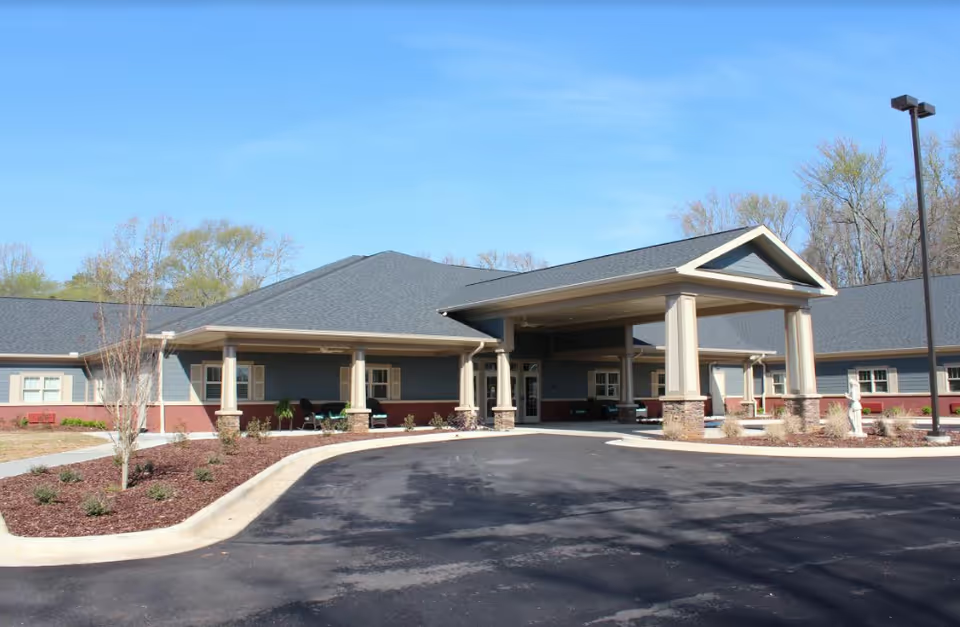
The reviews for South Hampton Nursing and Rehabilitation Center at the Cove describe a facility with mixed performance: a number of families and patients highlight strong clinical and rehabilitative strengths while others raise operational and care-delivery concerns. Positive accounts commonly emphasize high-quality therapy services, dedicated nursing assistants, and nurses who provide attentive, empathetic bedside care. Several reviewers credited the therapy teams with meaningful mobility gains and timely progress toward discharge goals; some named individual staff who provided proactive family communication. The facility’s physical environment is frequently described as spacious and recently remodeled, with private-room options for rehabilitation and upkeep that is generally responsive.
Conversely, the set of concerns reviewers raised points to systemic operational weaknesses. Meal service appears inconsistent: reviewers described both well-portioned, appealing meals with an a la carte option and separate accounts of cold, indistinct, or poorly presented meals. Sanitation and cleanliness were uneven; while common areas are often described as clean and odor-free, there are repeated mentions of hair/trash on equipment and sanitation concerns in some rooms and bathrooms. Privacy and information-handling processes were questioned following at least one described HIPAA-type incident, and there are allegations of missing garments and lost or taken personal items that imply property and medication-security vulnerabilities.
Clinical coordination and administrative responsiveness emerge as another pattern. Several reviewers described delays or gaps in clinical assessment, including concerns about infection recognition and follow-up that in some cases led to hospital transfer. Families also noted variability in how clinical issues are escalated and resolved, along with inconsistent night-shift coverage and higher staff turnover that can affect continuity of care. Discharge planning and care coordination were described as weak by some families, with a few reviewers indicating poor follow-through on follow-up appointments or outpatient planning. Administrative communication and billing transparency were additional points of friction—from a cited bed-hold fee and billing disputes to perceptions that short-term rehab needs are prioritized over long-term residents.
Overall, South Hampton appears to deliver strong rehabilitative care and benefits from committed frontline staff and an updated facility environment. Prospective residents and families should weigh those strengths against operational inconsistencies described across reviews: variable meal execution, intermittent cleanliness lapses, property-security concerns, and reported gaps in clinical follow-up and administrative communication. When evaluating the facility in person, consider asking about staffing ratios (including night coverage), infection-control protocols, property and medication security measures, discharge-planning procedures, and how the facility differentiates services and priorities for short-term versus long-term residents. Reviewing recent inspection and complaint histories with state regulators may also help clarify the scope and resolution of the concerns mentioned by families.