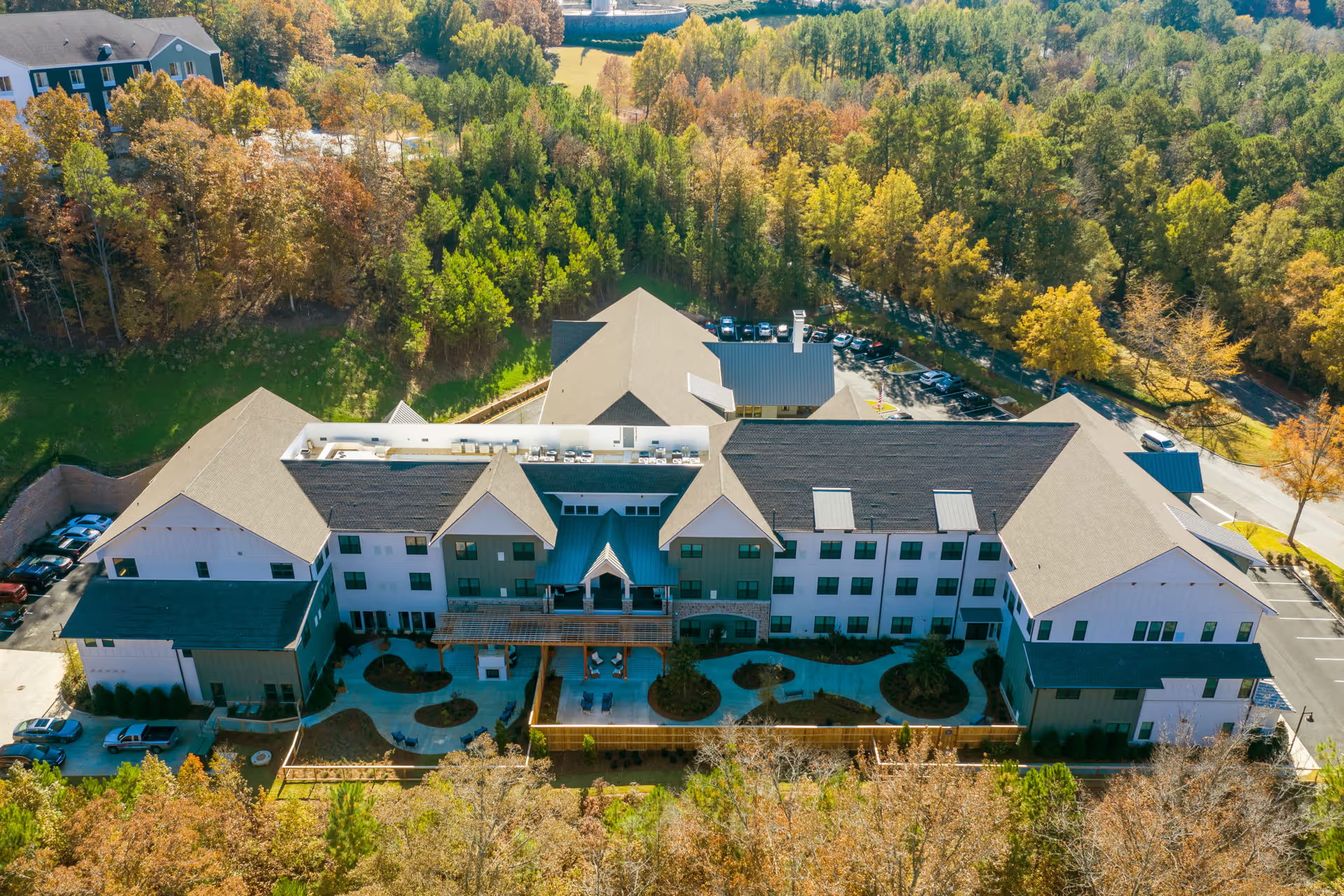
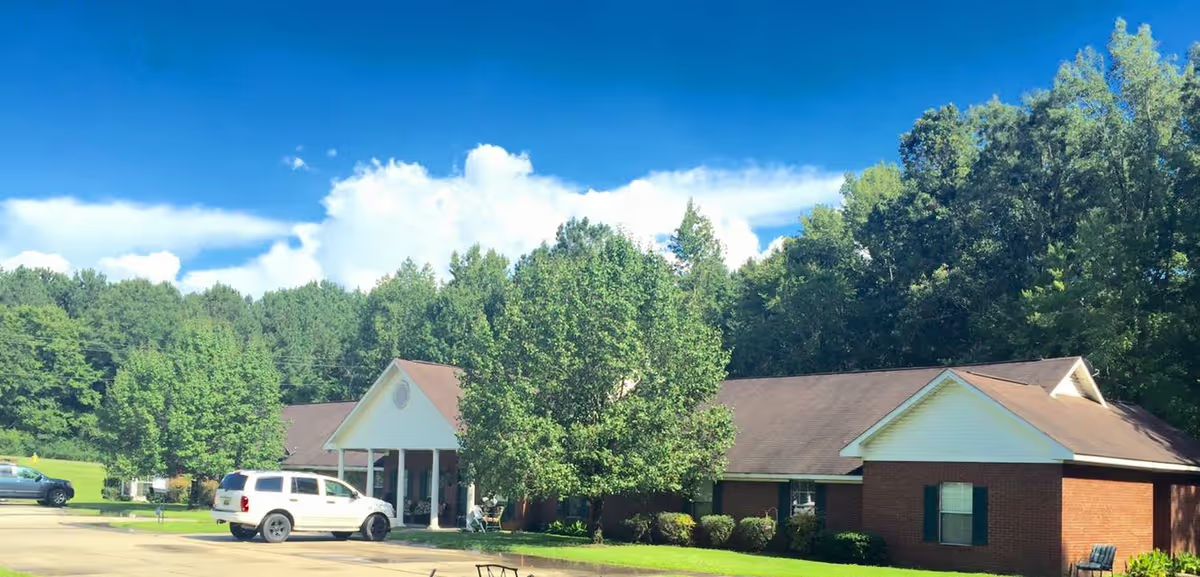
Overall impression: Reviews describe a polarized picture of care at this facility. Several accounts commend individual caregivers, certain clinical staff, and aspects of the environment and programming, while many other accounts raise substantive operational and safety concerns. The pattern suggests that experiences vary considerably by unit, shift, and individual staff, producing a mix of favorable short-term stays and reports of clinically significant lapses.
Care quality and clinical management: Clinical performance is described inconsistently. Positive notes include effective wound care from a specific clinician and successful short-term rehabilitation for some residents. However, recurring operational issues are reported: slow responses to call lights, delays in attending to incontinence needs, missed or delayed clinical assessments (including urinary-tract infection evaluation and hydration monitoring), and medication-administration errors. Several accounts describe falls or transfer-related injuries and subsequent hospital transfers. Together these items point to gaps in routine nursing surveillance, escalation protocols, and transfer-safety practices.
Staff and interpersonal conduct: Reviewers convey a wide range of staff behaviors. Many describe caregivers as loving, caring, and hardworking, with visible leadership praised by families. At the same time, others report abrupt or disrespectful communication, rough handling concerns, and instances of staff indifference. Staffing levels and workload pressures are commonly cited and appear to correlate with reports of delayed attention and variability in staff demeanor. Training, supervision, and consistency in interpersonal conduct emerge as underlying themes.
Dining and activities: Meal-service quality is inconsistent. Some families noted acceptable meals and active programming, while others reported incorrect diet delivery, variable food quality, and delays in basic hydration or mealtime assistance. Activity and engagement programming received positive mention in several reviews, and visiting policies are described as flexible by some families, supporting family involvement.
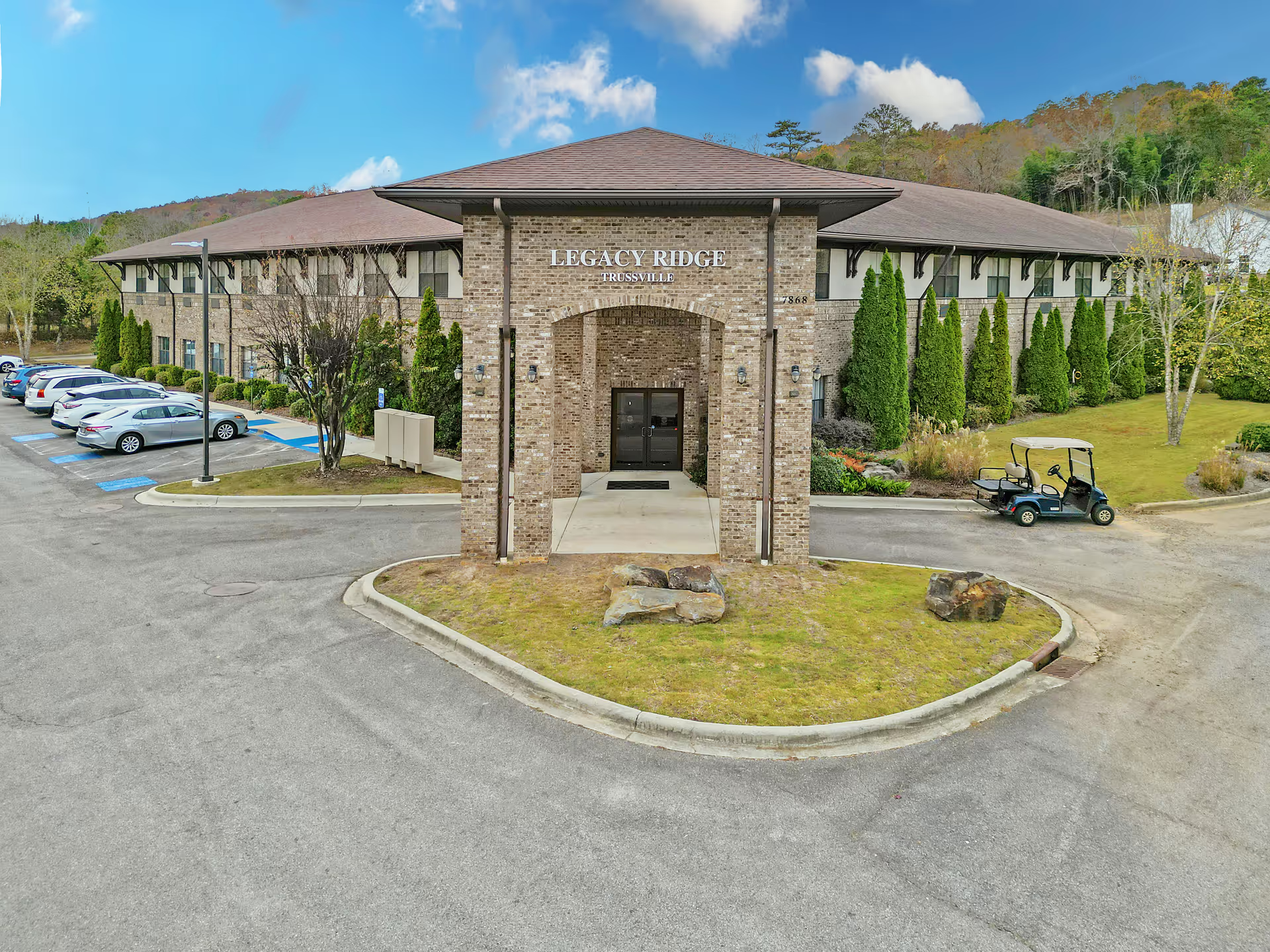
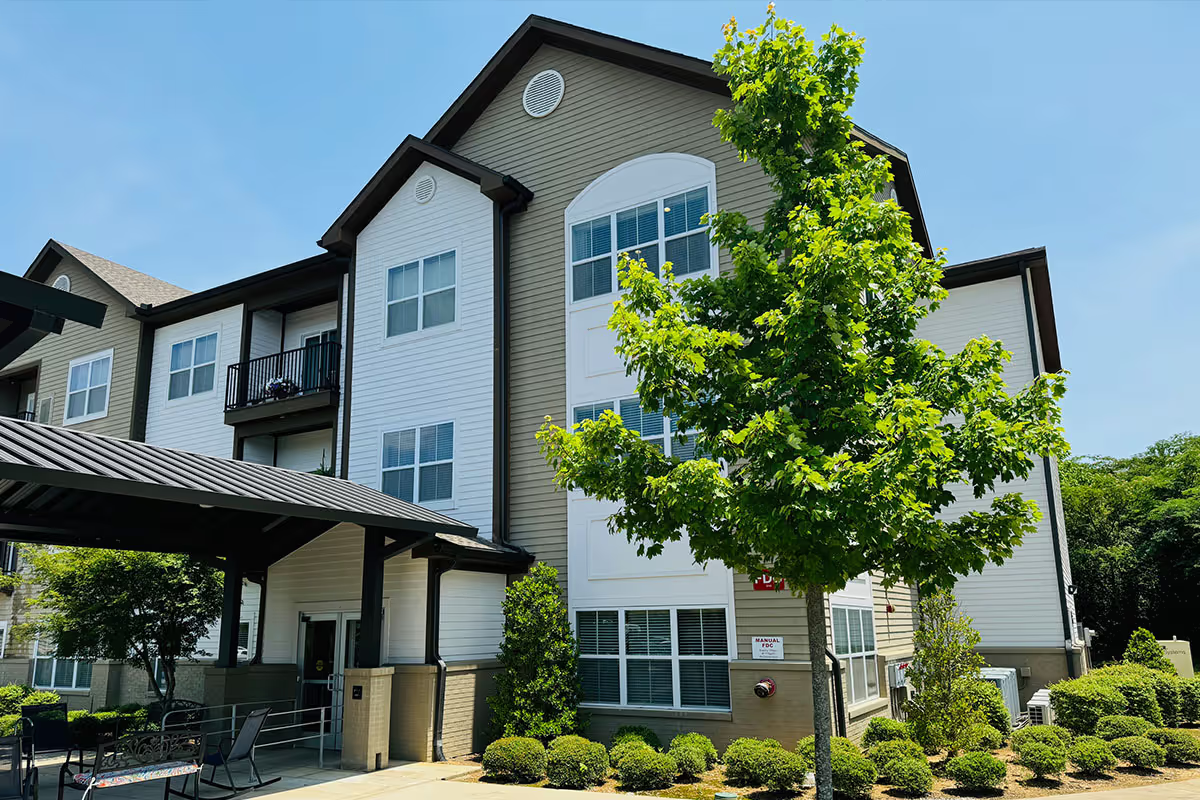
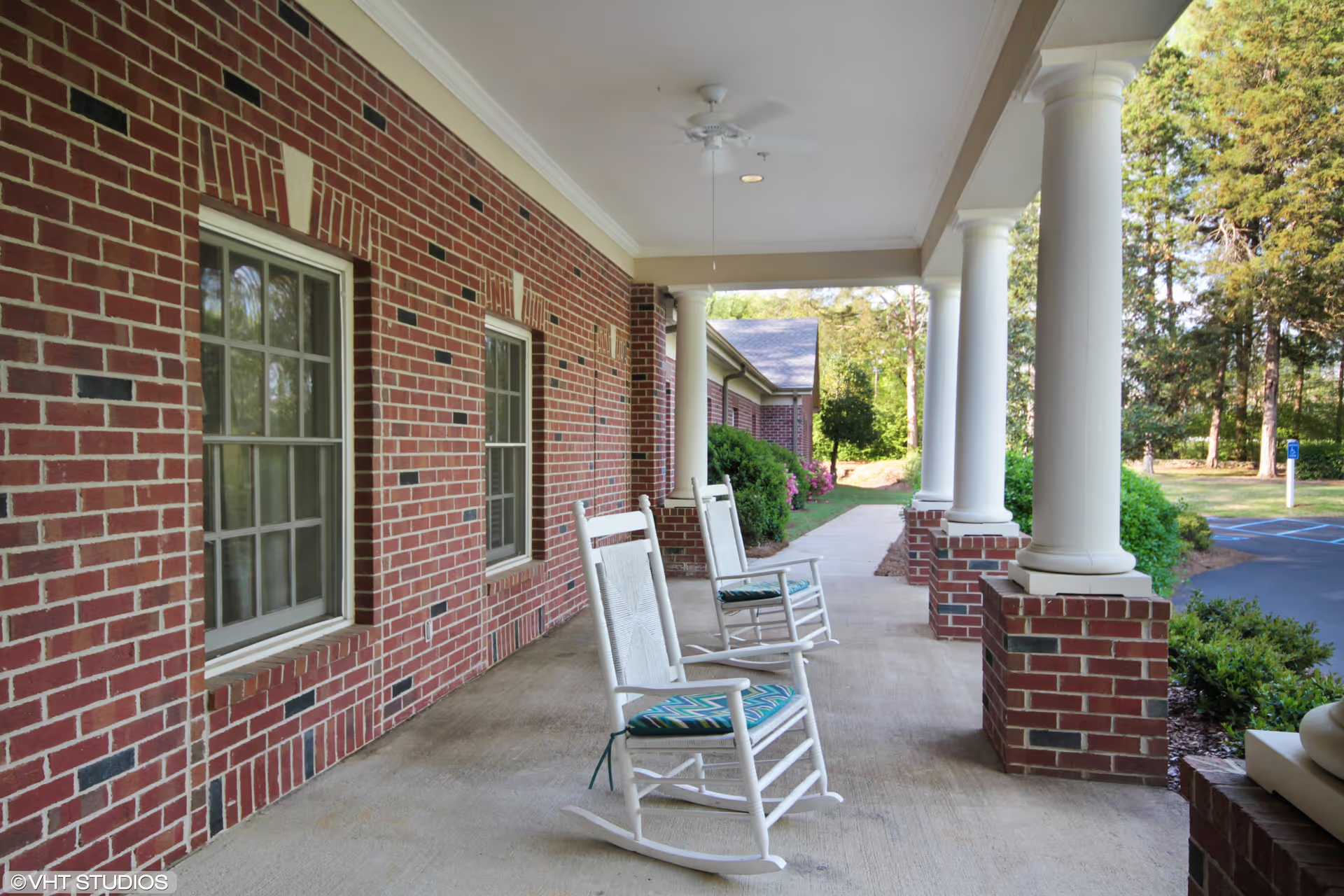
Facilities and property management: Several reviewers praised cleanliness and well-maintained rooms, but others raised sanitation concerns and issues with room assignments and frequent moves. Temperature-control and bathroom hot-water issues were mentioned. Concerns about missing personal items and allegations of staff theft or poor property controls were raised; these point to weaknesses in inventory, storage, and accountability systems.
Management, communication, and transparency: Multiple reviews identify gaps in communication about Medicare policy, billing, and unexpected charges, as well as a perceived lack of follow-up after adverse events. Some reviewers expressed skepticism about quality-reporting transparency. Conversely, some families singled out positive leadership and responsiveness when engaged. These mixed impressions suggest variability in administrative responsiveness and family communication practices.
Notable patterns and considerations: Recurrent themes include delayed call-light responses, incontinence-care delays, understaffing, inconsistent clinical assessment and medication oversight, fall-prevention weaknesses, inconsistent meal/diet management, and personal-item accountability gaps. Prospective residents and families may wish to ask targeted questions about staffing ratios by shift, call-response times, fall-prevention protocols, medication-safety procedures, property safeguards, meal/diet verification processes, and how the facility communicates billing and Medicare-related information. The facility appears capable of providing good care in many instances, but reviewers also describe operational shortcomings that have led to clinically significant outcomes for some residents.