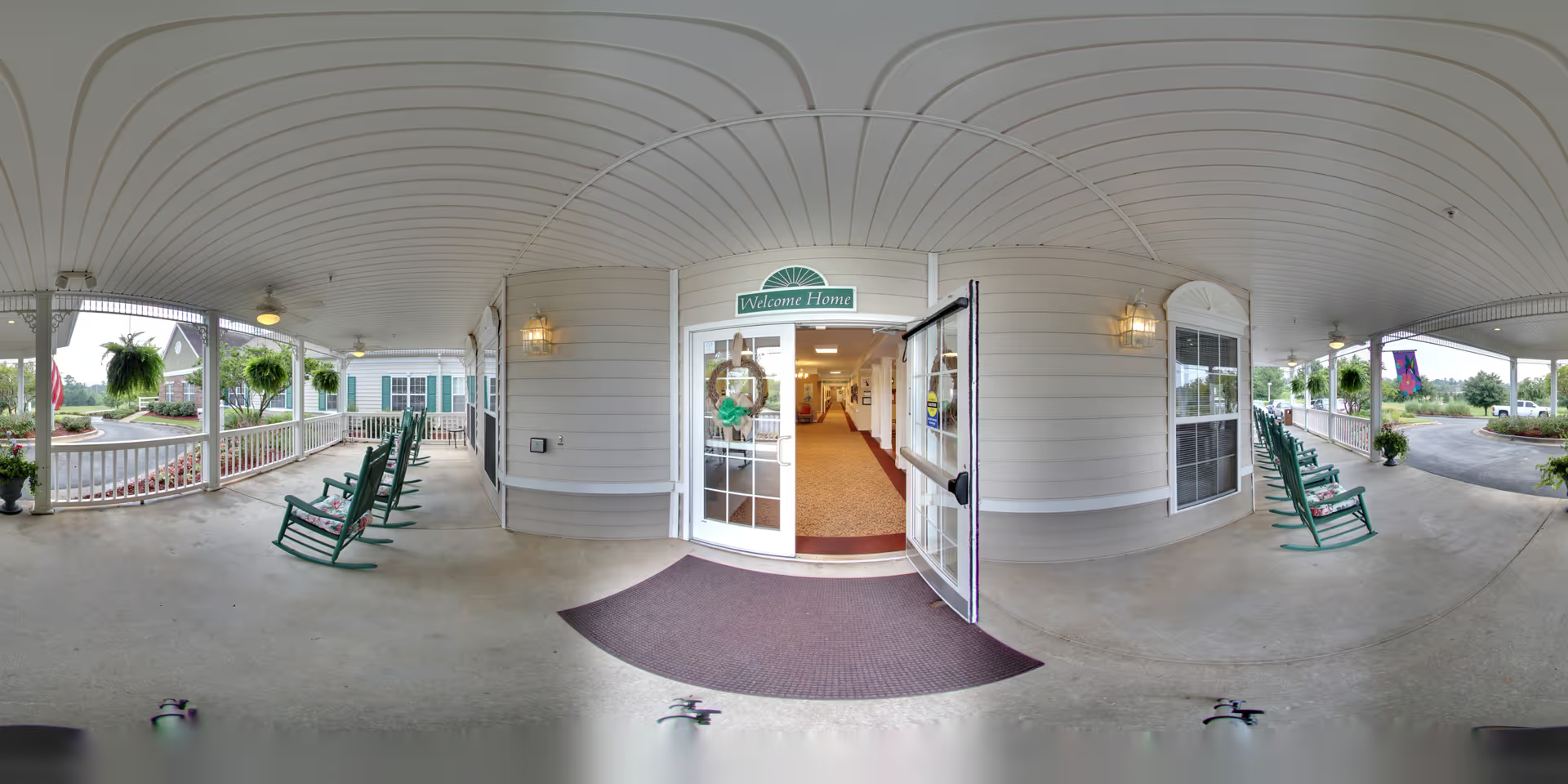
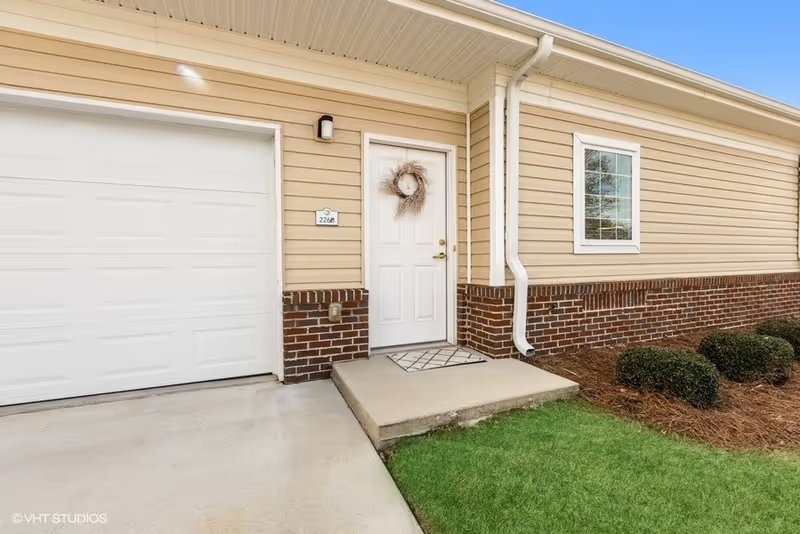
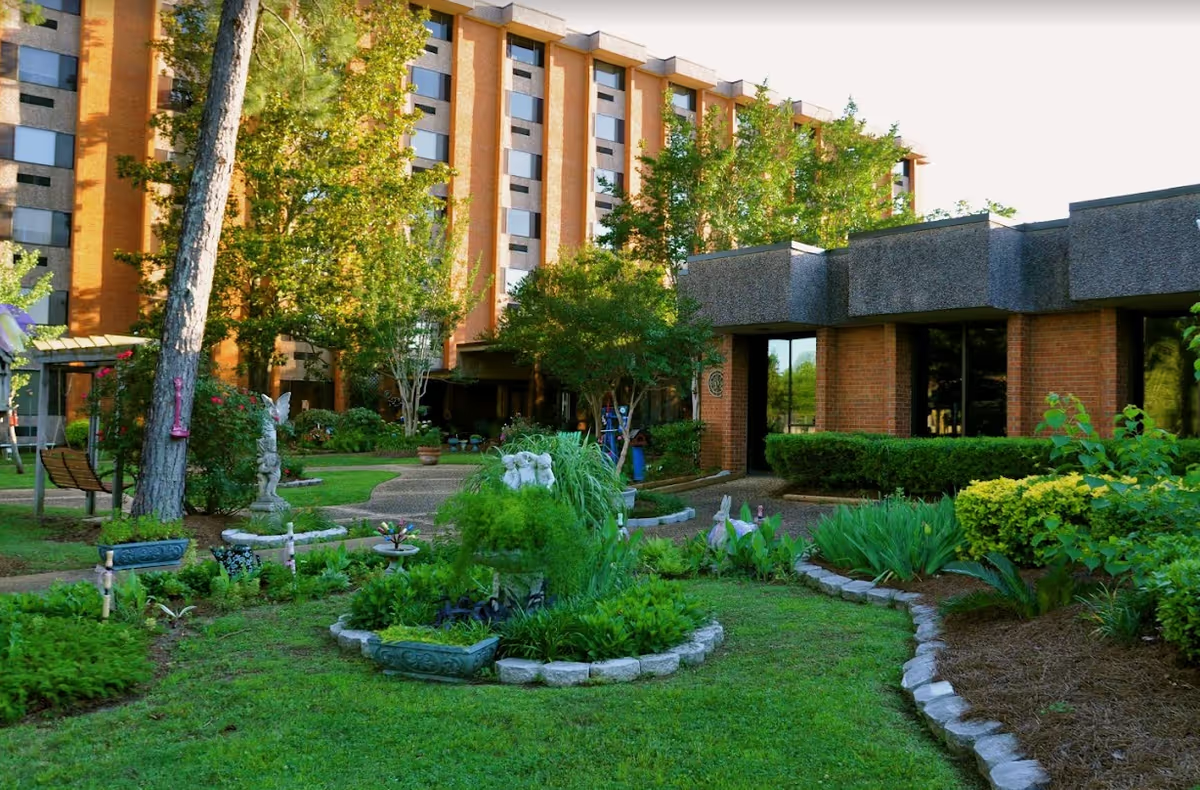
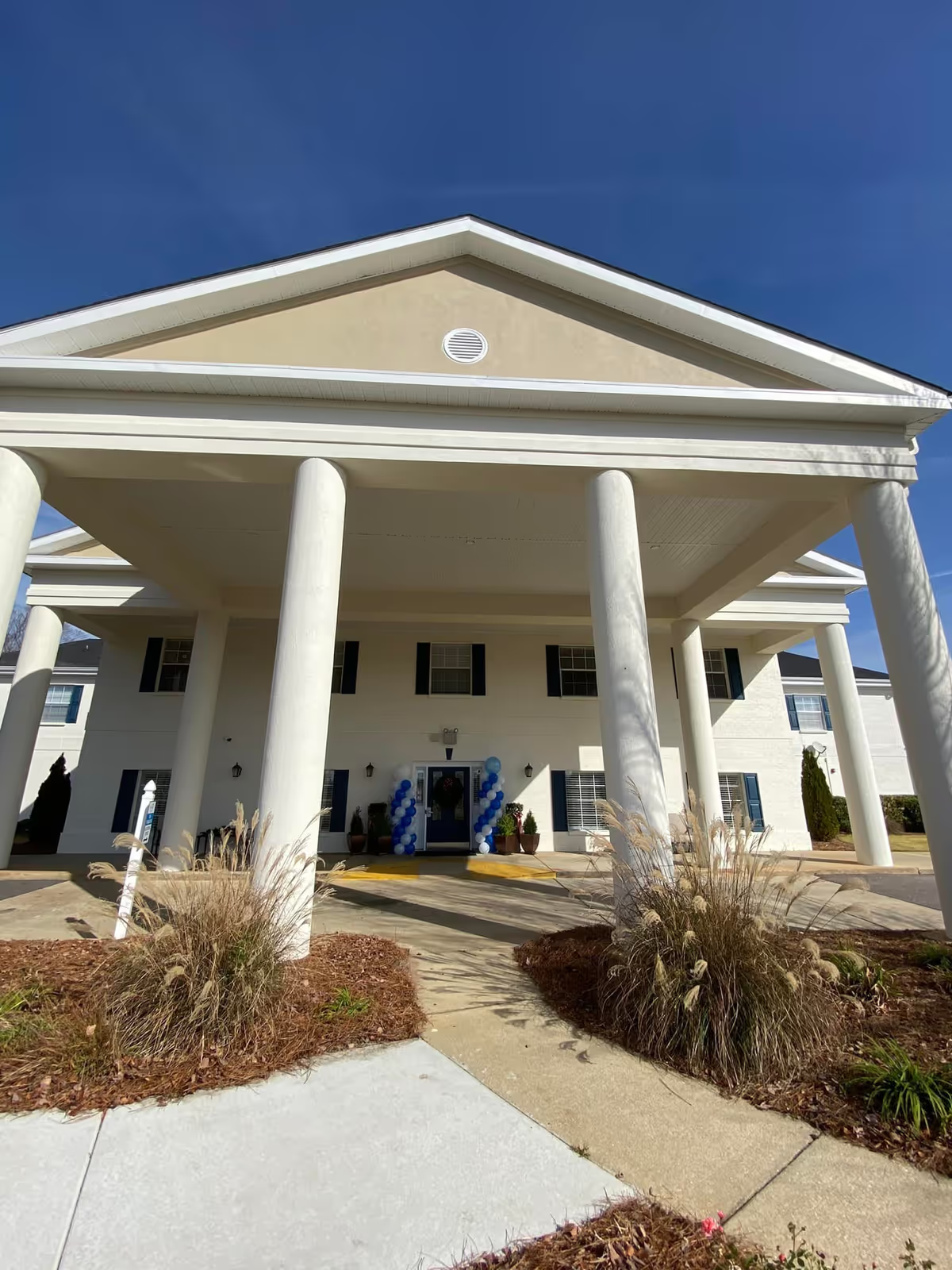
Magnolia Haven presents as a generally clean, homelike facility with a number of resident-centered amenities. Reviewers consistently reference clean rooms that allow personalization (photos, flowers, wall hangings), a welcoming dining-room environment, and an indoor aviary used as a communal feature. The activity program draws positive comments for musical offerings and spiritual programming such as Bible talks. Short-term rehabilitation services are available and some families described helpful orientation and clear explanations at admission.
Care-quality impressions are mixed. Many staff members are described as friendly, helpful, and willing to go beyond routine duties, which contributes positively to daily life and resident experience. However, recurring operational concerns affect perceived quality of care: staffing levels and responsiveness were frequently cited as inconsistent, with delays answering call lights and phones and reported slow arrival for assistance. Several accounts indicate inadequate mealtime assistance and gaps in support for residents who require help eating, and there are specific concerns that menus are not consistently tailored for therapeutic needs such as diabetes management.
Clinical and safety operations show areas needing improvement. Reviewers noted documentation and charting gaps that could impede continuity of care, along with equipment- and maintenance-related deficiencies and the need for more routine safety checks and inventory control. Infection-control adherence appears uneven: the facility has masking requirements in place, yet some accounts describe lapses in PPE use by staff. There are also reports consistent with pressure-injury management and inconsistent bathing or continence-care practices; together these suggest stronger clinical oversight and staff training may be needed.
Dining impressions are mixed: meals are described as generally palatable by some, with others noting repetitive menus (for example, recurring vegetable selections) and inadequately adapted choices for special diets. Additional operational issues affecting daily life include occasional sanitation and odor concerns in common areas, inconsistent hot-water availability, and communication challenges such as unanswered phones or broken buzzers.
Management and administrative themes are notable. Families described both positive, accommodating admissions and instances of dissatisfaction with discharge planning or timing of rehabilitation discharges. Staffing practices, training, and break coverage were raised as contributors to variability in resident experience. Some reviewers questioned overall value given rates and the mix of strengths and operational weaknesses.
For prospective residents and families: Magnolia Haven offers a clean, personalized living environment with active programming and some strong, compassionate staff. At the same time, recurring patterns around staffing consistency, mealtime support for special diets, documentation, maintenance, and infection-control adherence warrant direct inquiry. Asking the facility about current staffing ratios, diabetic meal policies, wound-care protocols, documentation practices, and expected response times to call lights and phones can help clarify whether the facility’s current operations align with a particular resident’s needs.