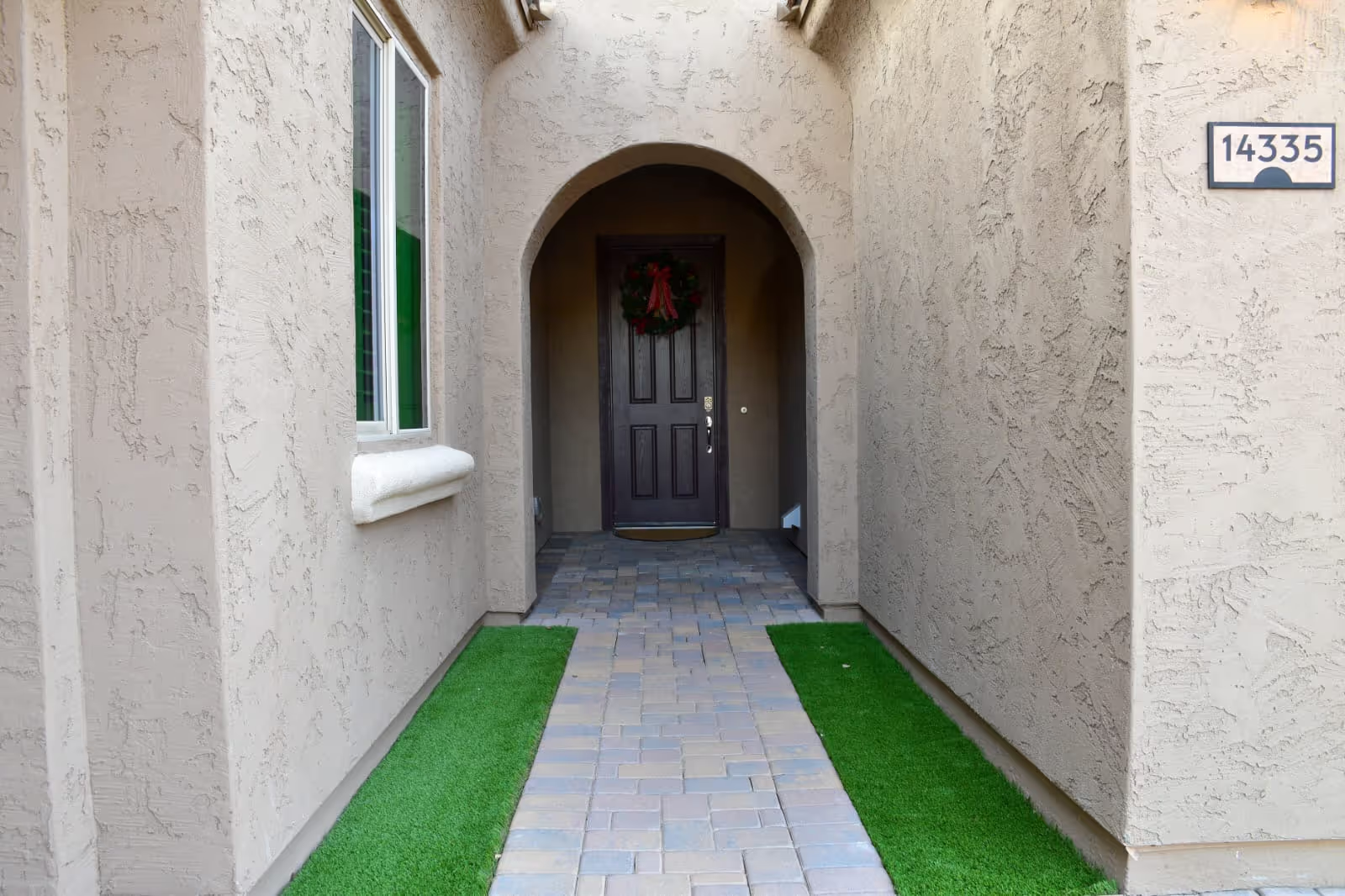
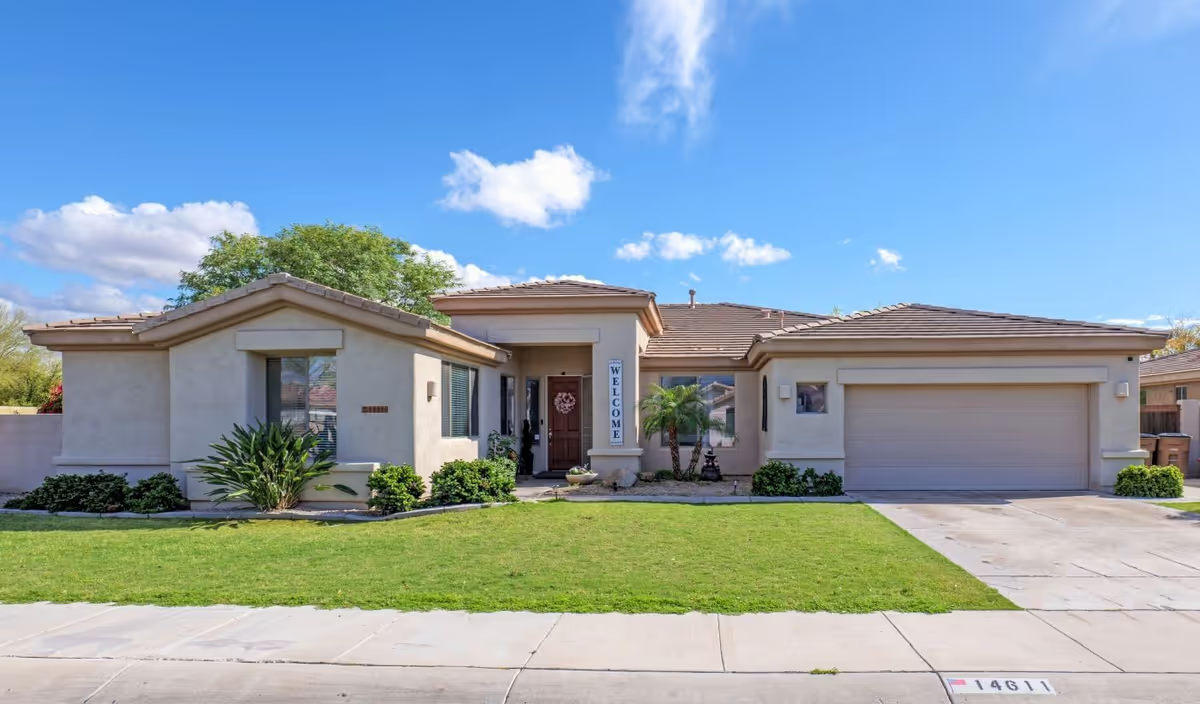
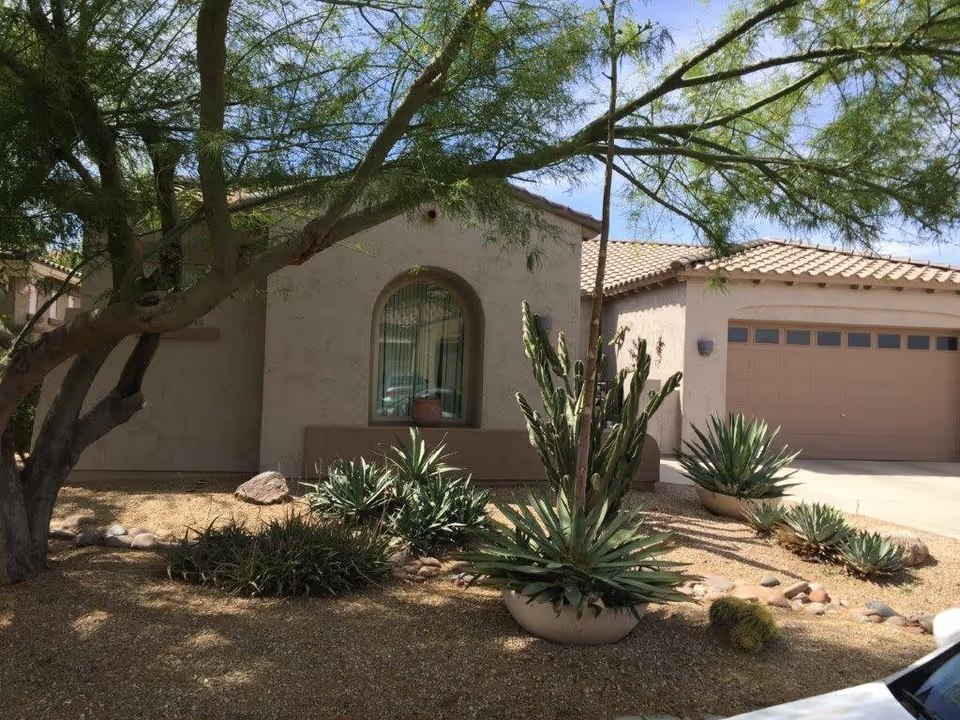
Twilight Haven Assisted Living Homes is described as a small, home-like assisted living community that emphasizes compassionate, professional caregiving. Multiple accounts highlight attentive staff who treat residents respectfully and provide a higher level of individualized care compared with other small care homes. The facility appears to retain residents long-term, which suggests continuity of caregiving relationships for some families.
Care and staff: Care quality is often characterized as compassionate and professional, with caregivers attentive to daily needs. The community’s smaller scale is cited as a factor in creating more personalized attention. At the same time, there are recurring operational concerns about staff responsiveness — in particular about timely callbacks and availability of assistance during certain periods. These concerns point toward variability in how the facility handles on-demand assistance and family communication, rather than to a uniform absence of care.
Dining and activities: Dining is presented as a strength: meals are provided in a restaurant-style format and reviewers comment positively on cleanliness in dining areas. The program mix includes music-based engagement and activities designed for residents with Alzheimer’s disease, and organized transportation for outings is available. These elements support both cognitive stimulation and community participation, though the effectiveness of social programming appears to vary by resident.
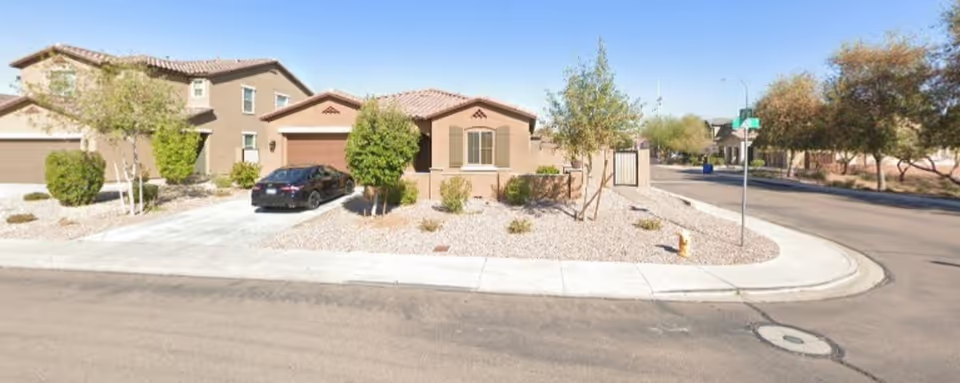
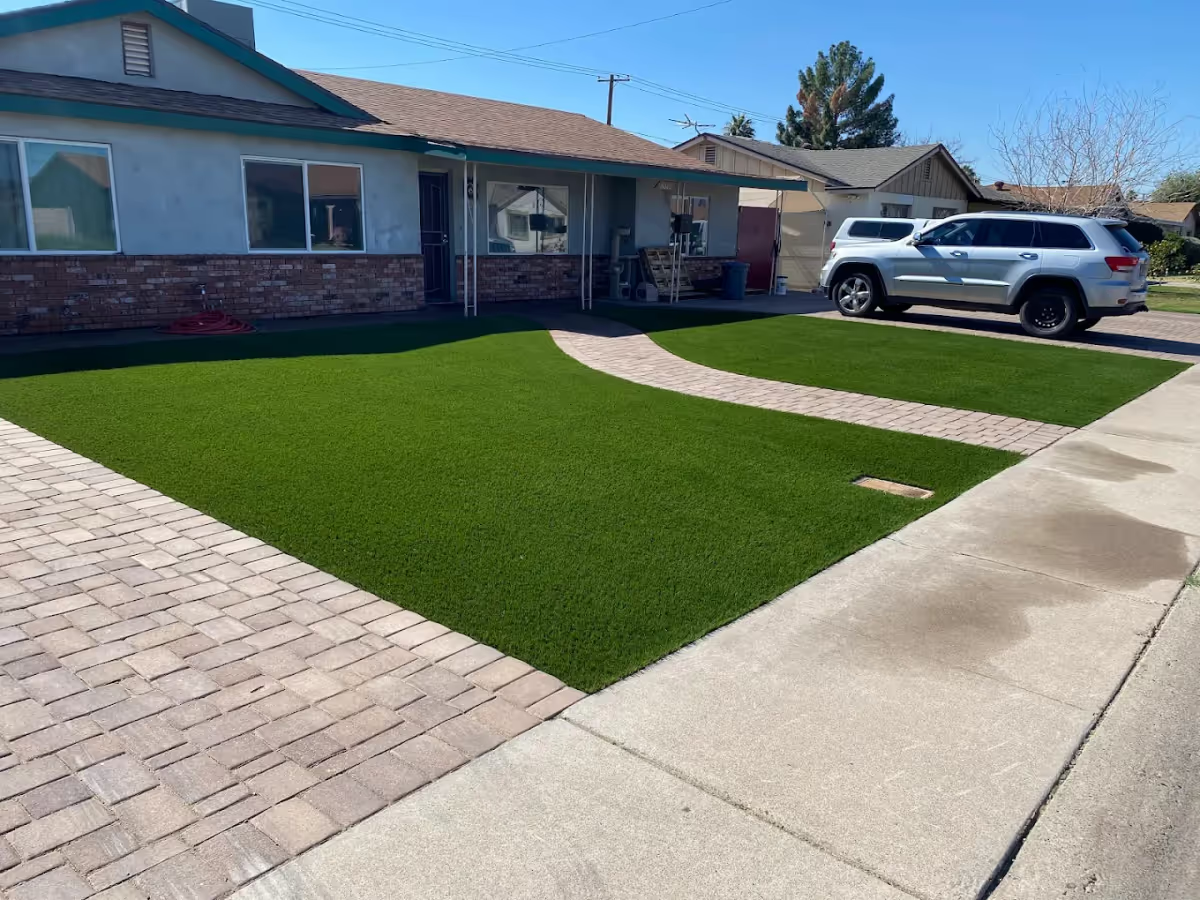
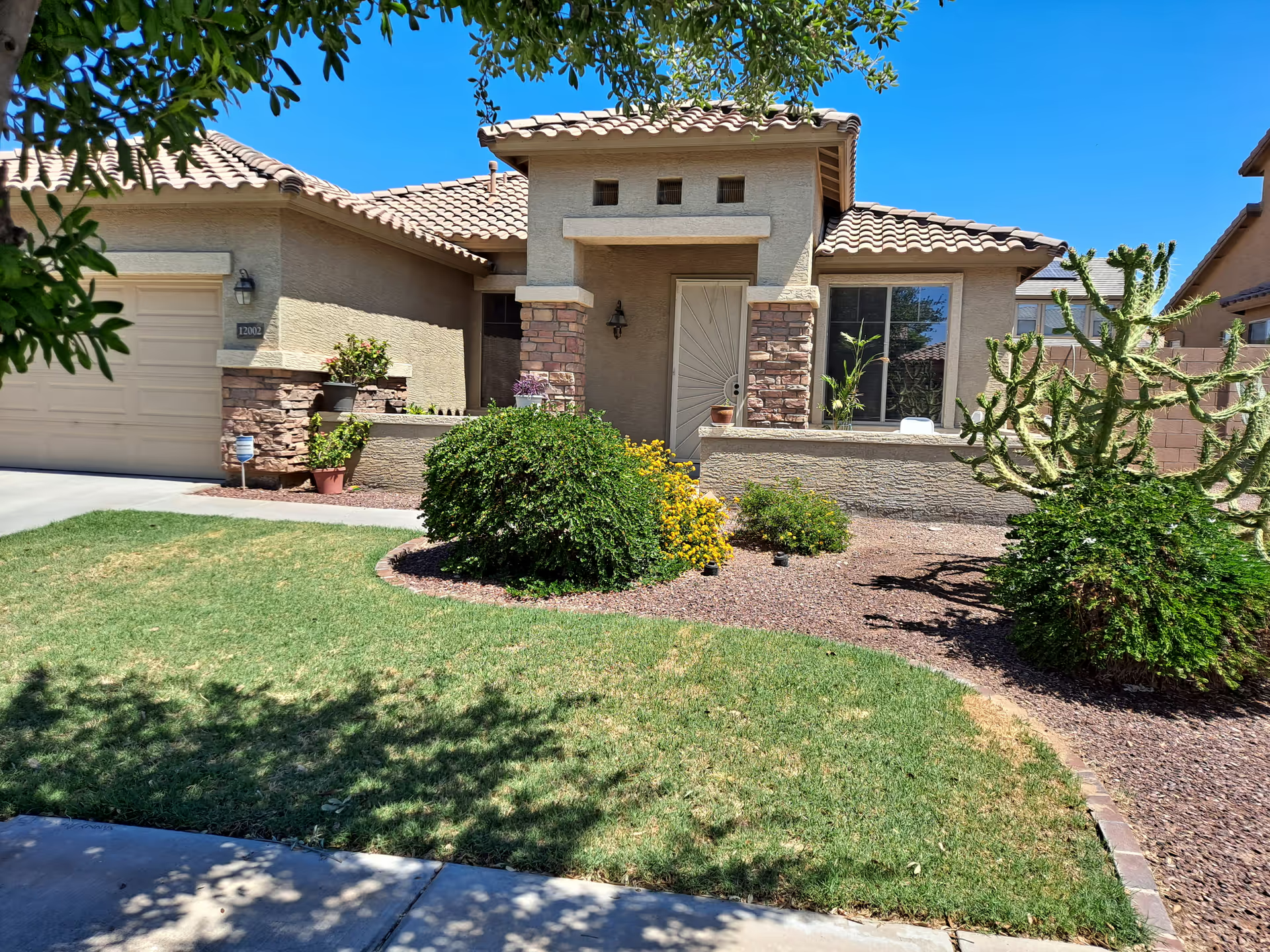
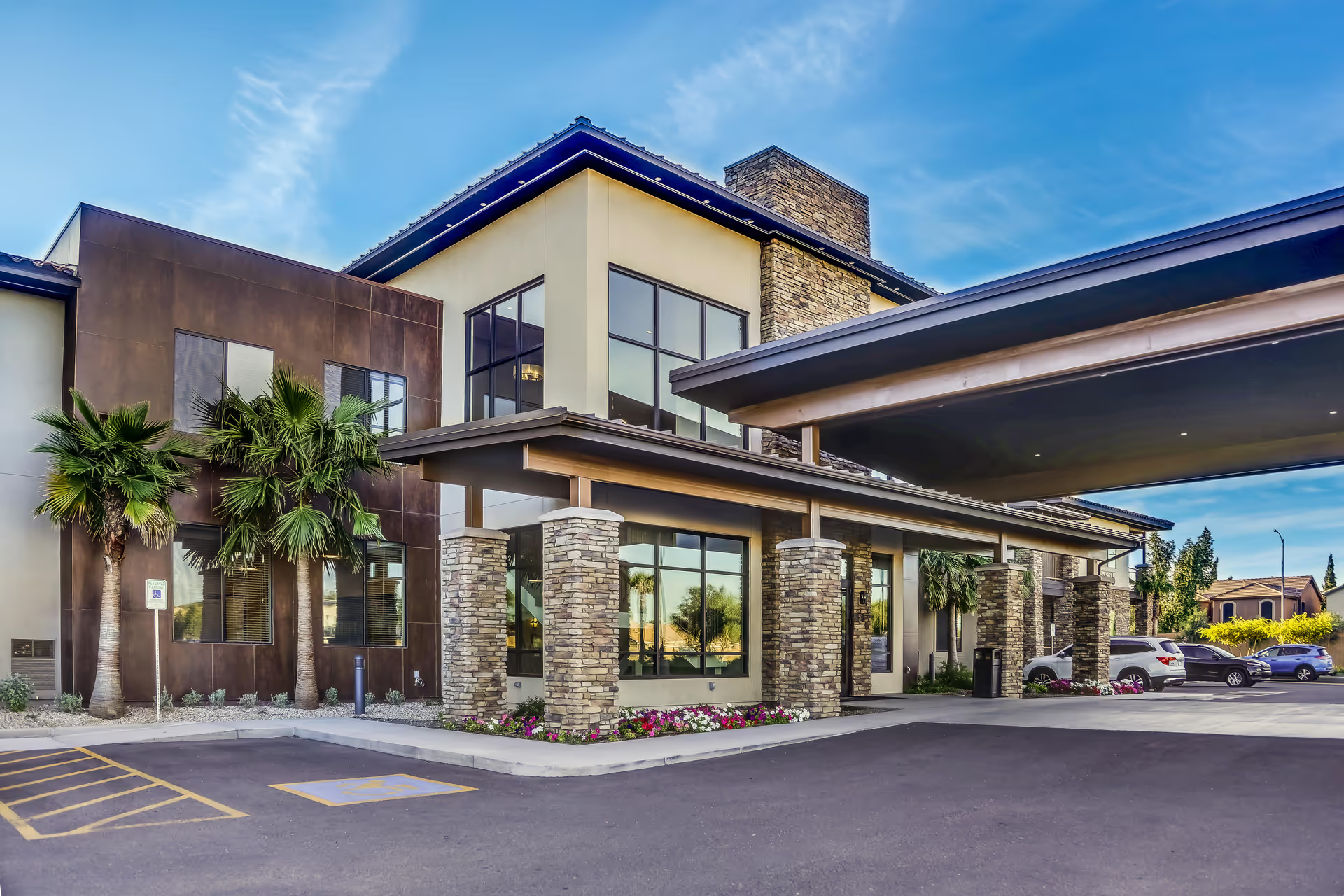
Facilities and environment: The physical environment is described as home-like, accessible, and well-maintained, with higher-than-typical cleanliness standards for a small assisted home. These characteristics support mobility and daily comfort for residents. The small size that contributes to a homelike feel may also limit breadth of social options; some families note that social engagement is uneven and that a subset of residents can feel isolated or uncomfortable with the social climate.
Management and notable patterns: The main operational patterns to note are the contrast between consistently praised caregiving warmth and intermittent issues with responsiveness and communication. Prospective residents and families should clarify staffing patterns (including after-hours and on-call coverage), typical staff-to-resident ratios, protocols for callbacks and urgent requests, and how the community assesses and supports residents who are quieter or at risk of social isolation. Reviewing a sample activity calendar, observing mealtime service, and asking for references from long-term families can help assess fit.
Overall, Twilight Haven presents several strengths—personalized, compassionate care; Alzheimer’s-focused programming; engaging music activities; and a clean, accessible environment—paired with operational caveats around responsiveness and social engagement. Those considering the community should weigh the benefits of a small, stable caregiving team against the need to verify communication practices and available supports for social participation.