Reviewer experiences at Sunridge Village Retirement are markedly mixed, with a clear split between strong praise for frontline caregiving and recurring operational concerns. Many families and residents describe warm, attentive staff, accessible nursing oversight, on-site physician services, and a secured memory-care unit. Positive descriptions often highlight helpful move-in assistance, regular diagnostic testing on-site, therapy and transportation amenities, and an active social calendar that includes organized outings, games, and supervised pool access.
Care quality is frequently cited as a strength when staffed caregivers and licensed nurses are present and engaged; reviewers note compassionate nursing attendants, responsive aides, and daily caregiving that families found reassuring. At the same time, a number of accounts describe lapses in clinical process control and medication handling, and there are allegations of medication mishandling and of missing personal items that raise concerns about consistency in clinical oversight and property security. The facility does maintain notable on-site medical services (eye care, podiatry, monthly physician visits) and diagnostic testing, which is an operational asset for residents with ongoing medical needs.
Dining and nutrition feedback is inconsistent. Some reviewers praise restaurant-style meals, varied menus, and portion sizes; others describe cold meals, portioning issues, and limited cultural menu options (for example, preferences for staple foods). There are also comments about dining-room environment and behavior management during meals that suggest a need for clearer resident dining protocols and staffing during meal periods to ensure both nutrition and dignity for all diners.
Activities and social programming are another area of contrast. The calendar, outings, and supervised recreational spaces receive positive notes from families who find the program engaging and well-staffed. Conversely, other accounts describe a lack of consistent programming or poorly maintained common spaces, indicating variability in how activity offerings are executed across days or units.
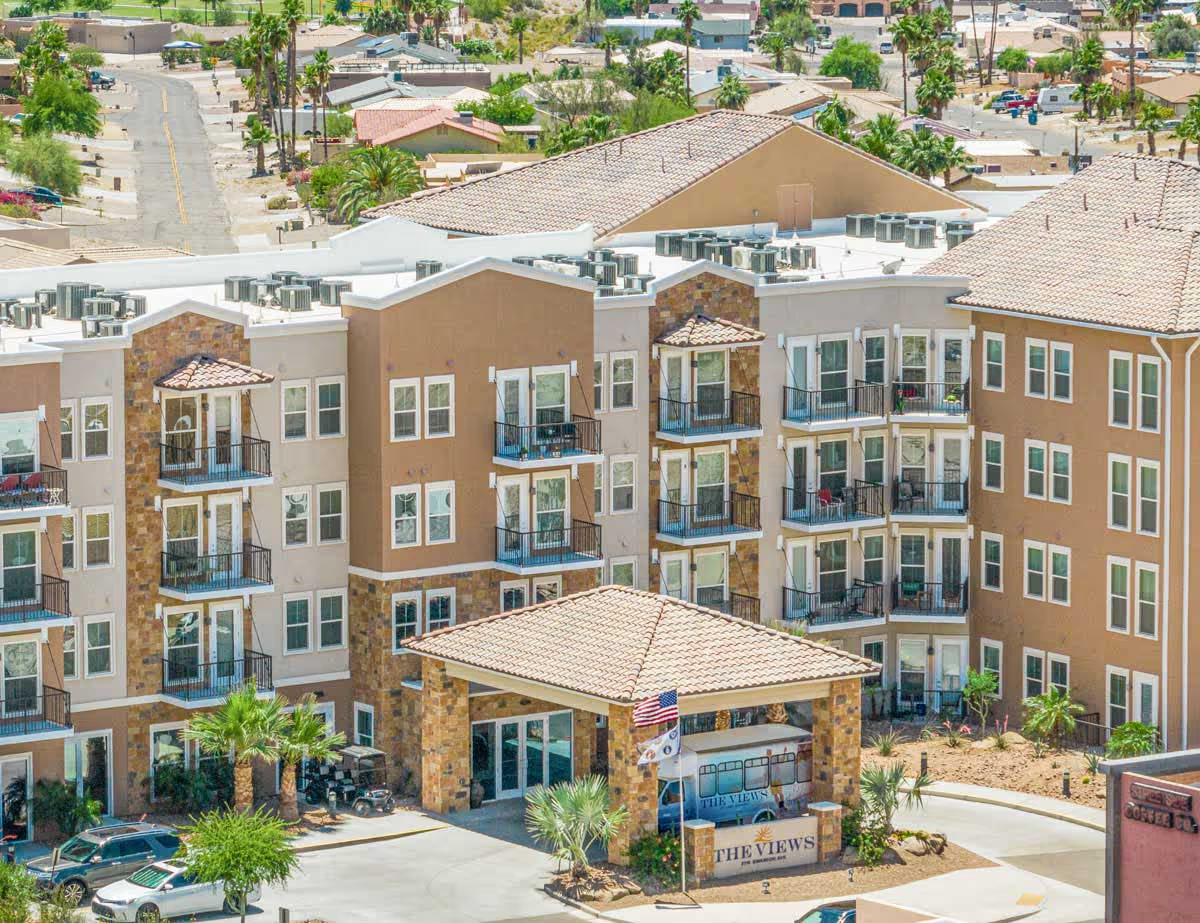
Facility condition and maintenance are recurring topics: reviewers report a mix of recently updated areas (lobby, pool/spa) alongside dated building fabric and unit finishes that many believe need renovation. Safety and maintenance concerns are cited for elevators, room fixtures, and housekeeping in select areas; sanitation and pest-control concerns appear in some reports as well. The physical layout—described by some as a converted motel with external corridors and small rooms—affects privacy and circulation for certain residents and may be a consideration for prospective residents who prioritize enclosed hallways and larger living spaces.
Management and operations appear to be uneven. Positive experiences reference helpful leadership, accessible directors, and staff who communicate well; negative experiences point to fragmented coordination between departments, inconsistent follow-through on promises (billing/refund disputes), and lapses in family communication. Staffing variability and responsiveness delays are tied to both care and operational complaints. Prospective residents and families should weigh the facility’s clinical resources and active programming against the variability in housekeeping, maintenance, dietary consistency, medication processes, and management responsiveness. A focused tour that asks about recent renovations, medication-safety protocols, incident escalation procedures, and sample menus—plus speaking directly with nursing leadership and current family contacts—will help clarify whether current strengths align with individual needs.