Overall impression: Experiences at Sandstone Estates are highly polarized. Many families and patients describe excellent therapy outcomes, compassionate individual caregivers, and an attractive, hotel-like environment with strong rehabilitation equipment and restaurant-style dining. Conversely, a substantial number of accounts identify operational gaps that materially affected clinical care, family communication, and transitions of care.
Care quality and staff: The facility demonstrates clear strengths in therapy services and several instances of excellent nursing care. Physical and occupational therapy departments and certain named clinicians are frequently credited with achieving measurable recovery milestones. At the same time, reviewers describe inconsistent day-to-day nursing performance: delayed medication delivery, pain-management lapses, long call-light response times, and variation in care quality between day and night shifts. Staffing shortages, reliance on temporary hires, and high turnover are recurring themes that correlate with delayed assistance, missed nursing tasks, and uneven coverage across shifts.
Dining and activities: Dining impressions vary widely. Many residents praise the on-site chef, restaurant-style meals, and amenities such as daily coffee service; these features contributed to positive nutrition and morale in numerous stays. Other reports describe small portions, bland or poorly prepared entrees, and weight-loss concerns. Communal dining and a well-equipped rehab gym are cited positively, but entertainment and in-room engagement are inconsistent—some families noted limited TV/activities and barriers to remote visitation during infection-control periods.
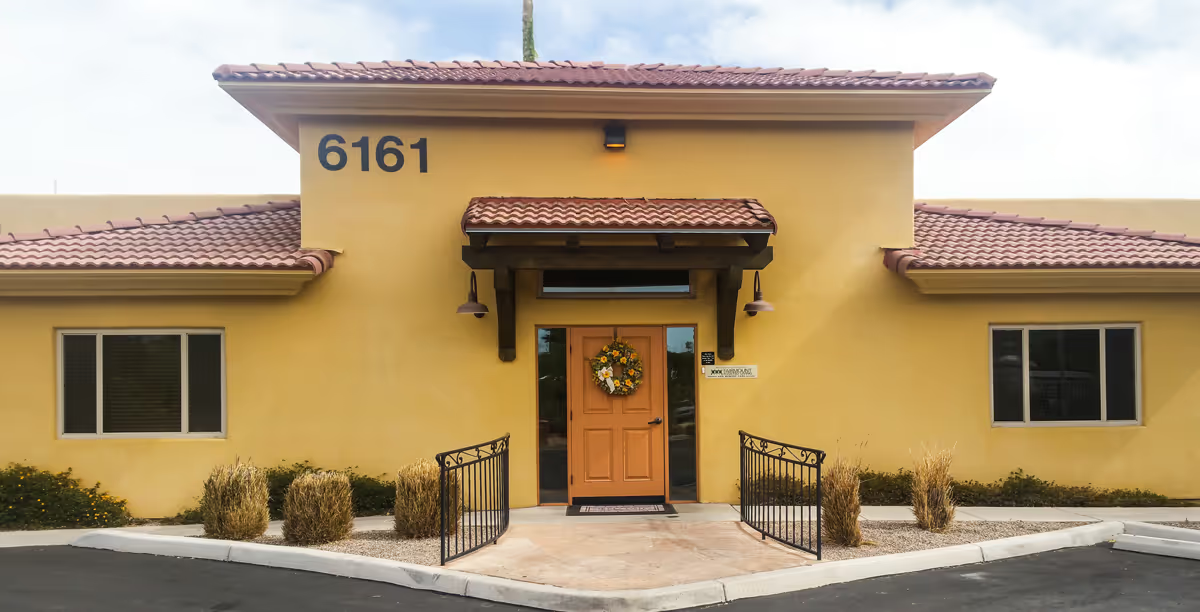
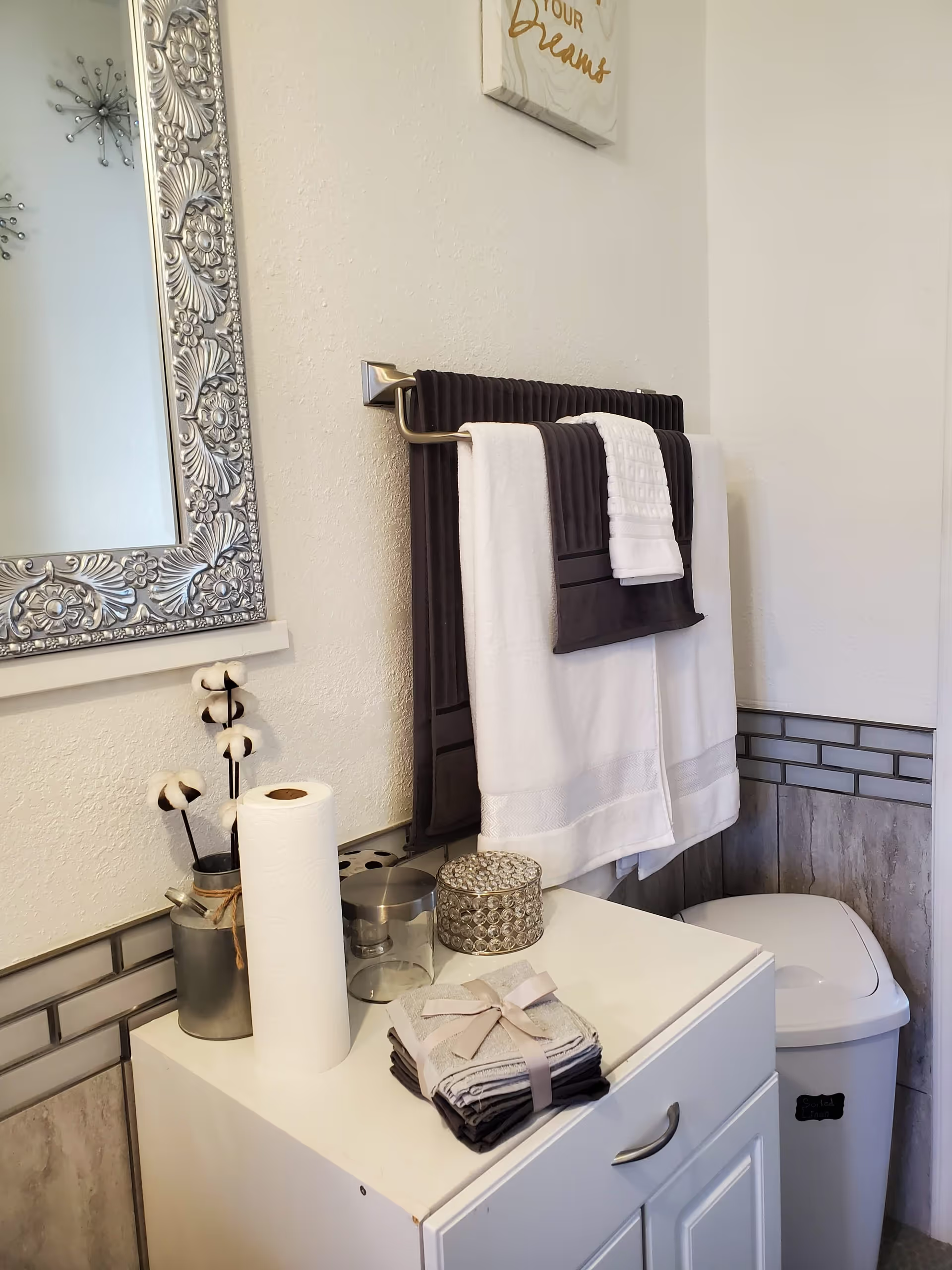
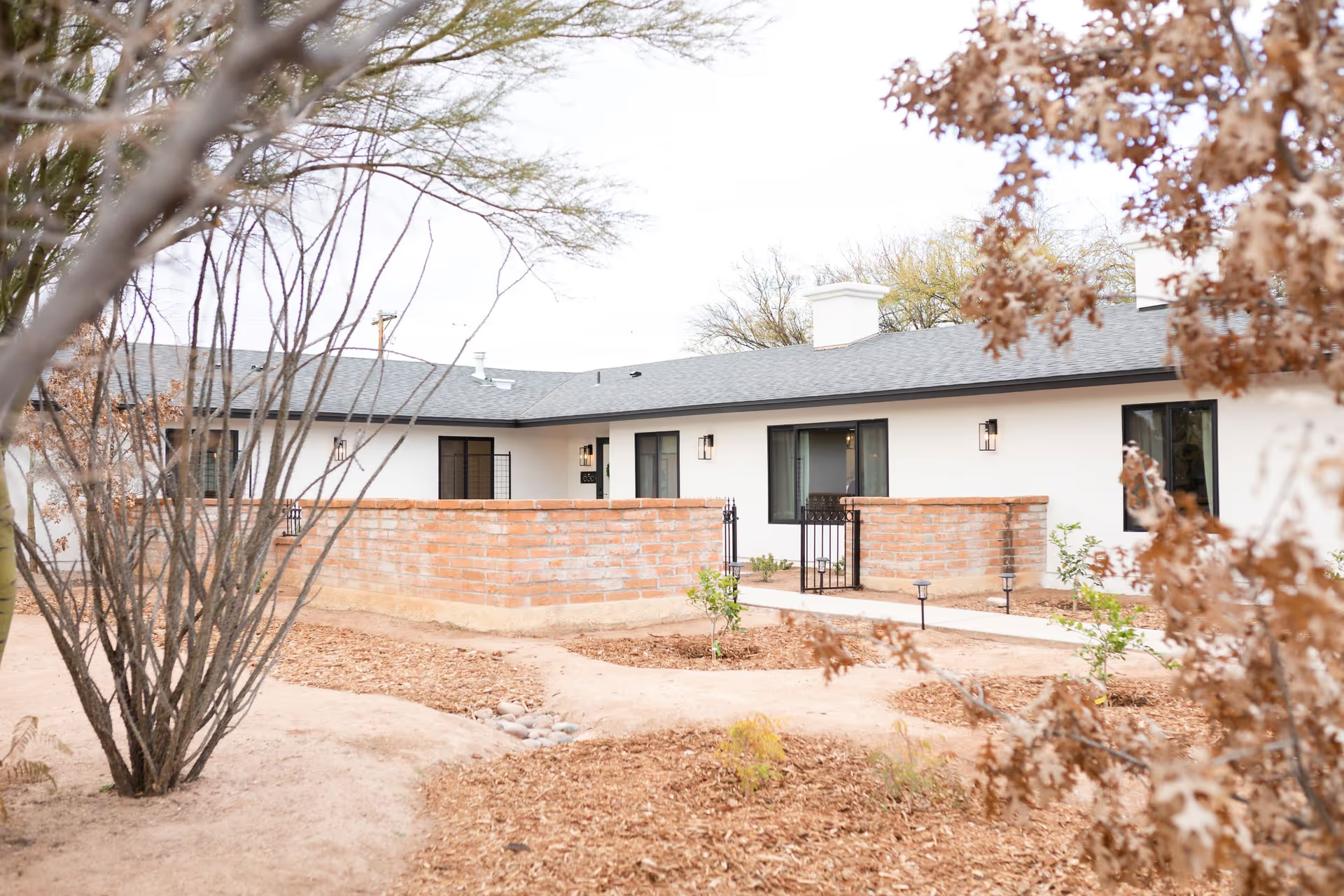
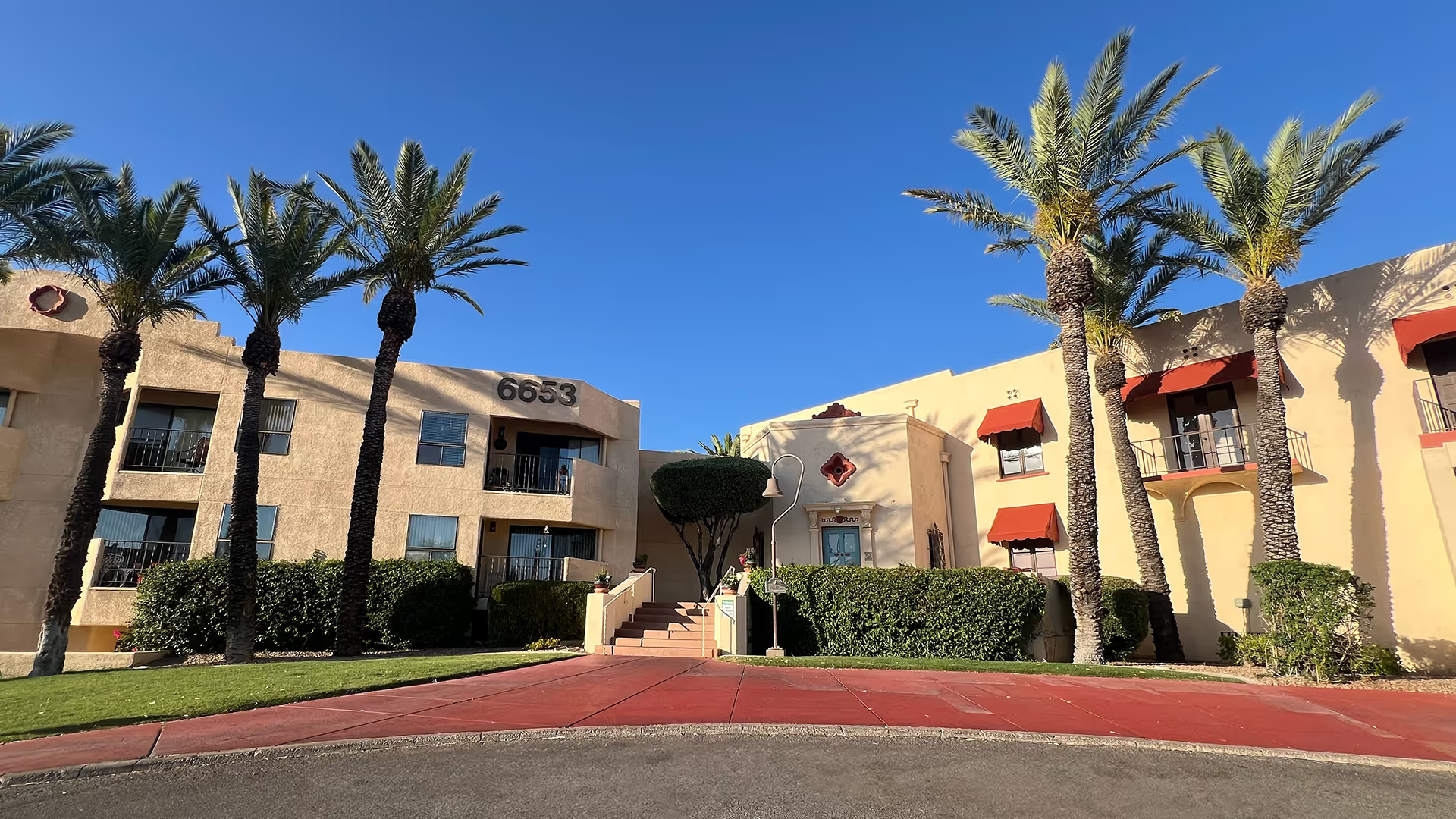
Facilities and cleanliness: The physical plant is often described as modern, bright, and hotel-like with private rooms and en-suite bathrooms. However, maintenance and housekeeping appear inconsistent: reviewers identified delayed repairs, broken fixtures, worn room components, and intermittent sanitation issues in common areas and resident rooms. These operational inconsistencies were linked to concerns about overall environment quality and safety-handling practices.
Management, communication, and transitions: Communication and administration are prominent areas of concern. Common issues include unreturned phone calls, unclear or absent discharge instructions, billing and documentation errors, and limited transparency after adverse events. Several accounts describe problematic care transitions, last-minute or forced extensions of stay, and transfers without adequate family notification. There are also isolated but serious accounts invoking external authorities and regulatory review; these have been characterized in reviews as allegations and indicate the importance of reviewing recent regulatory history and incident resolution practices.
Notable patterns and advice for families: The dominant pattern is variability: outcomes and experiences appear to depend heavily on shift, specific staff members, and timing. When therapy teams and certain nurses are engaged, outcomes and satisfaction are high; when staffing is stretched or leadership coverage is inconsistent, families report significant shortcomings. Prospective residents and families should tour the facility during different shifts, ask about current staffing ratios (including night coverage), review medication administration and pain-management protocols, clarify discharge-planning procedures, and request recent inspection or complaint histories. Sandstone Estates shows clear potential for high-quality rehab and personalized care, but operational inconsistencies—particularly around staffing, communication, and transitions—are important considerations when evaluating placement.