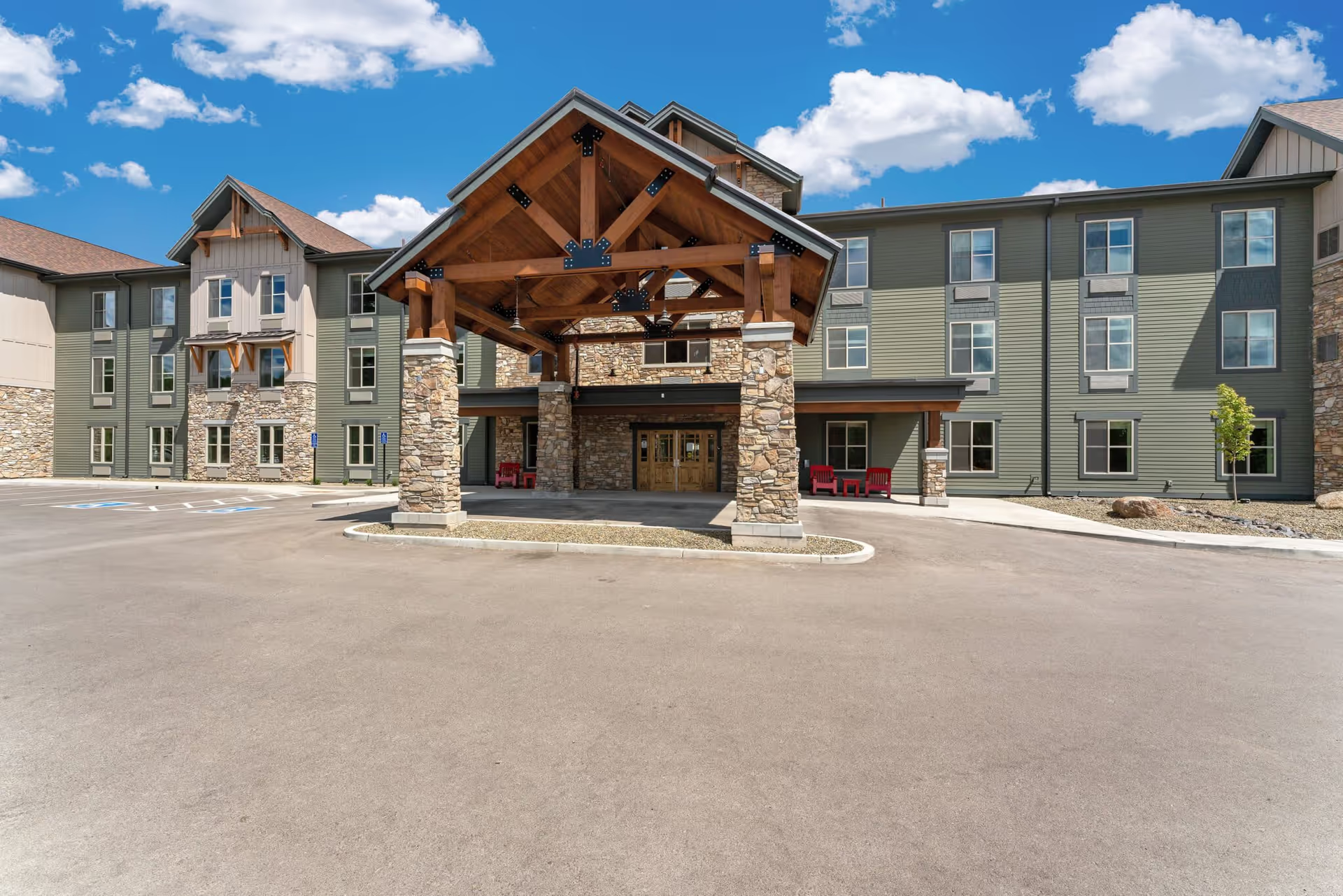
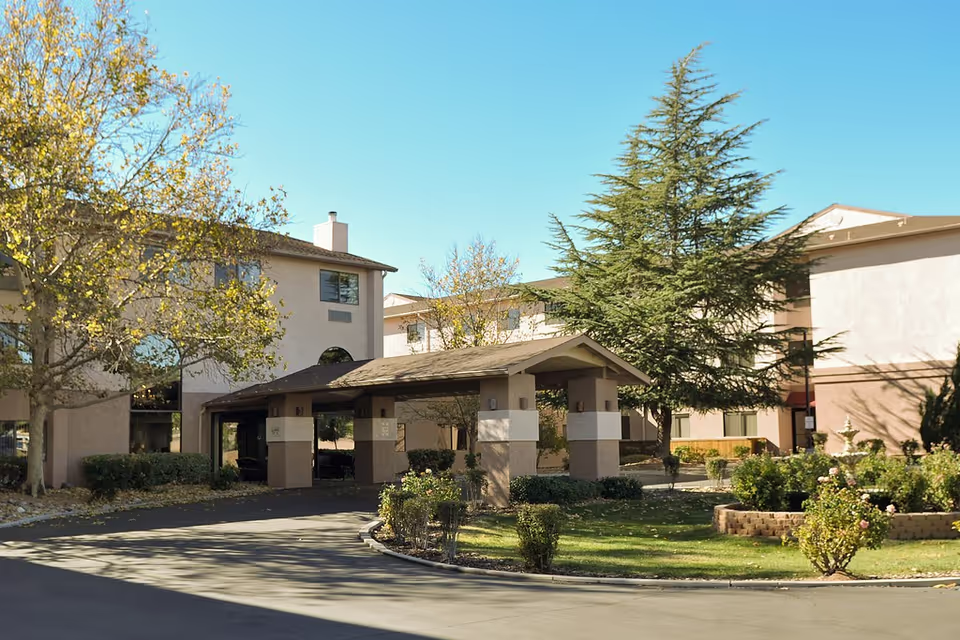
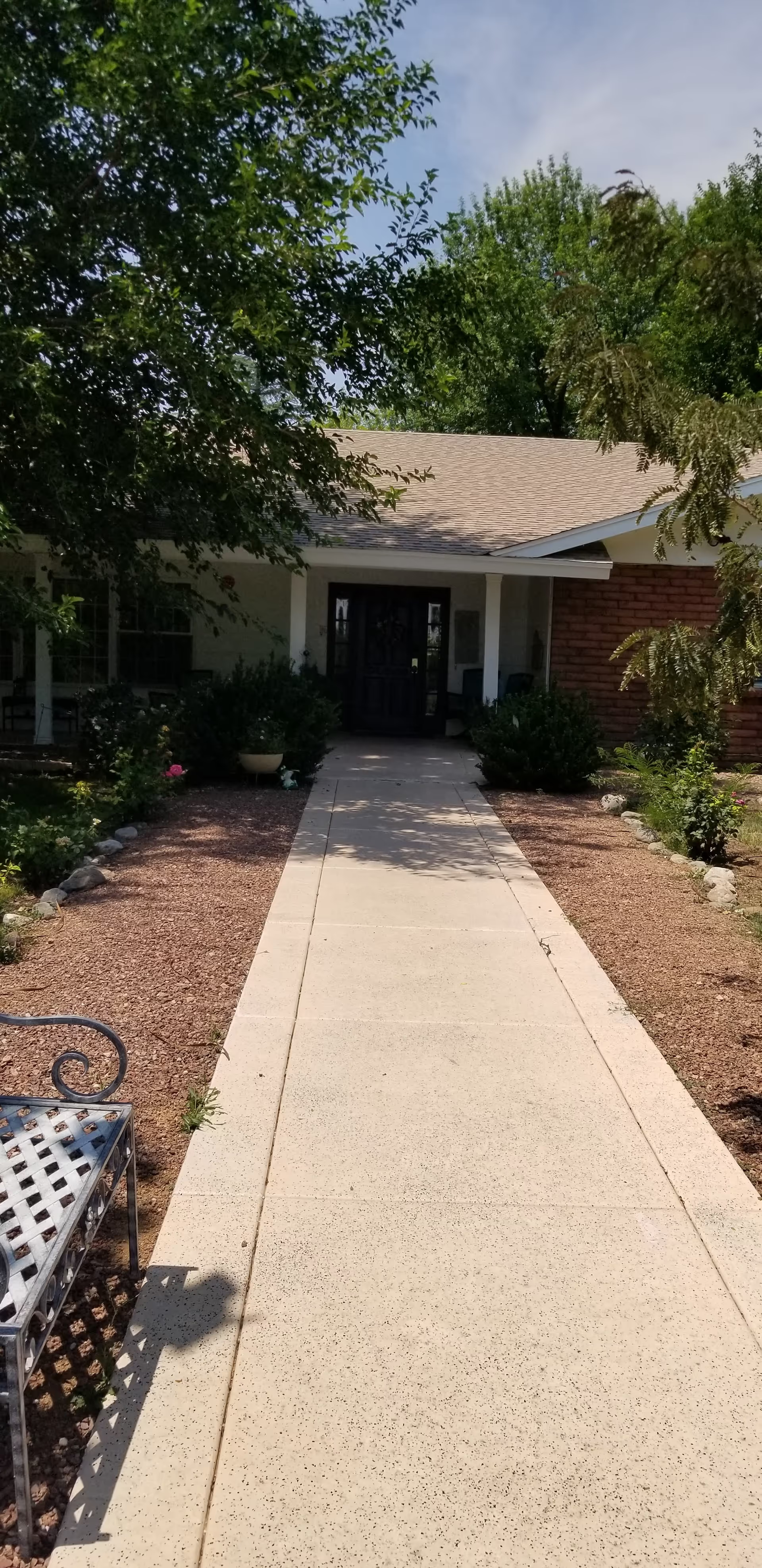
Aspire Transitional Care elicits strongly mixed impressions. Many families praise the facility's newer construction, clean environment, private rooms with en-suite bathrooms, and an on-site rehabilitation gym. Physical and occupational therapy are frequently highlighted as a strength: several reviewers describe focused PT/OT programs, measurable mobility gains, and therapists who engage residents in recovery. The social services team and nurse practitioner oversight are also commonly identified as positive elements; staff in those roles are credited with proactive care coordination, insurance advocacy, and arranging transitions to memory-care settings or other services.
Care quality assessments are variable. Positive accounts emphasize attentive nurses, compassionate caregivers, and emotional support for families. In contrast, other accounts identify operational weaknesses that affect clinical care: inconsistent medication administration, pain-management gaps, and delays in providing prescribed medications. These issues are accompanied by concerns about variability in nursing responsiveness and the tone of staff communication. Several reviewers describe problems with follow-up after clinical incidents, which suggests gaps in care continuity and incident-response procedures.
Dining and nutrition receive mixed feedback. Many reviewers found the food acceptable and adaptable for picky eaters, and nutrition staff were described as helpful in some cases. However, other families reported problems with meal quality or monitoring of intake and weight changes, indicating inconsistency in nutrition management. Activities and the rehabilitative program appear to be strengths when they are delivered as intended; when therapy scheduling or staffing is disrupted, families reported setbacks in recovery.
Facility management and administration show a similar pattern of contrast. Some families report efficient, organized teamwork, responsive social services, and effective transition assistance. Conversely, others note communication breakdowns (including unresponsive phones), administrative confusion around benefits or equipment coverage, and inconsistent discharge/readmission coordination. There are also serious, isolated allegations regarding financial handling and concerns about cultural sensitivity and language access for some resident populations; these items warrant direct inquiry during family visits.
For prospective residents and families: Aspire offers notable strengths in rehabilitation, social-services coordination, and a well-maintained physical environment. At the same time, the facility demonstrates variability in medication management, nursing responsiveness, and administrative follow-through. Families considering Aspire should ask specific questions about medication administration protocols, pain-management policies, staff continuity across shifts, incident-response procedures, interpreter or cultural-support services, and financial safeguards to ensure the facility’s operational practices align with their expectations.