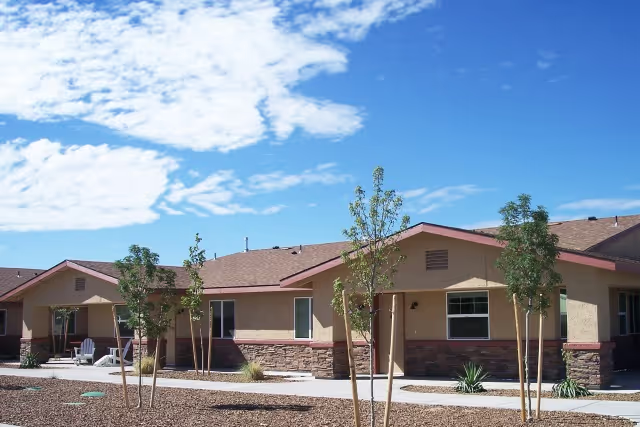
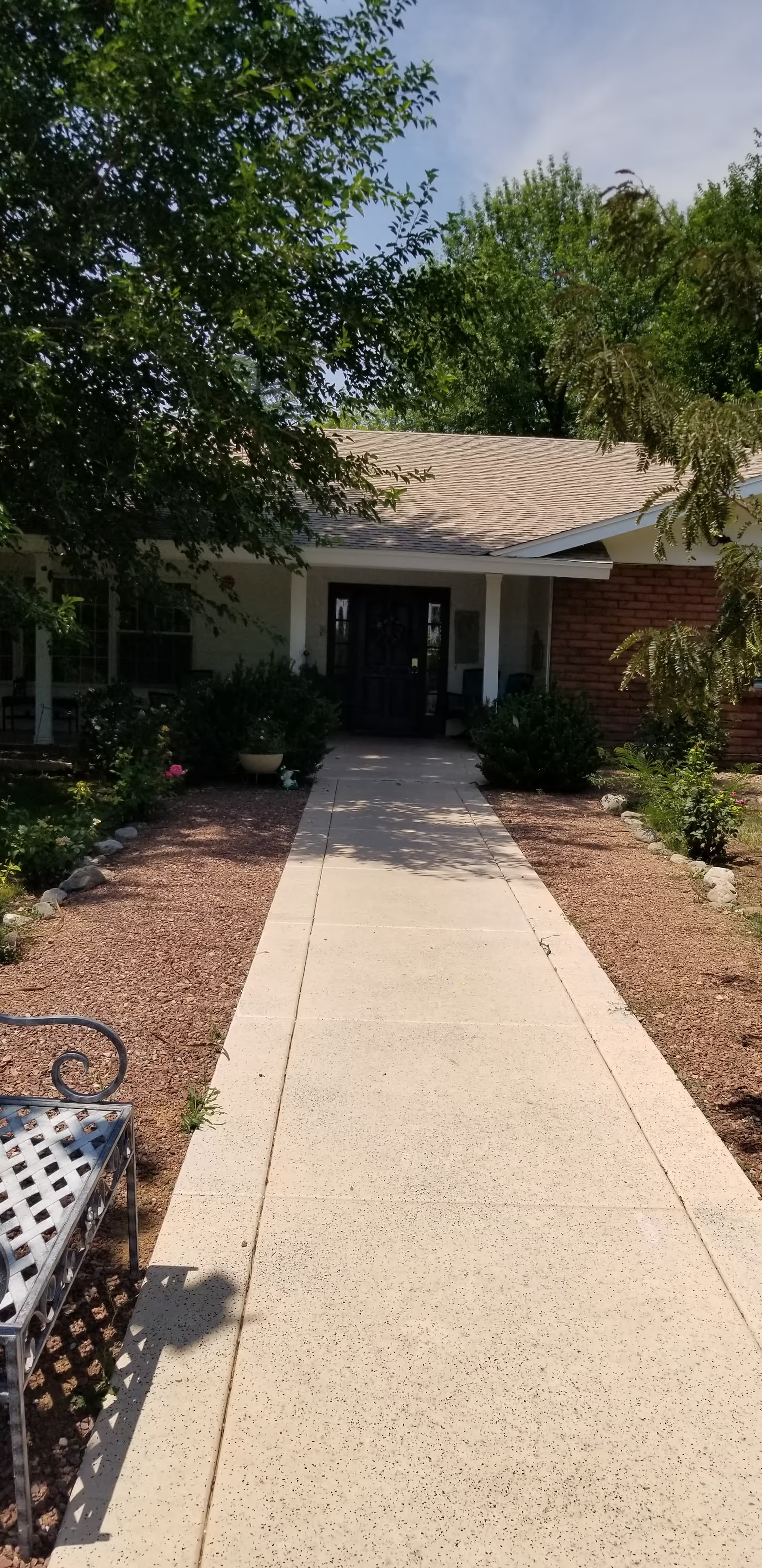
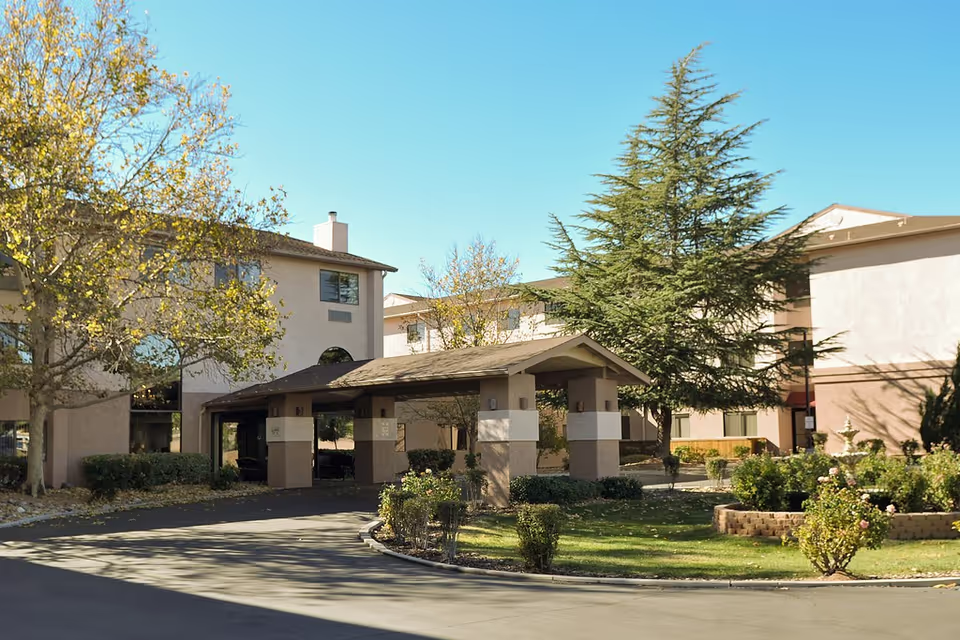
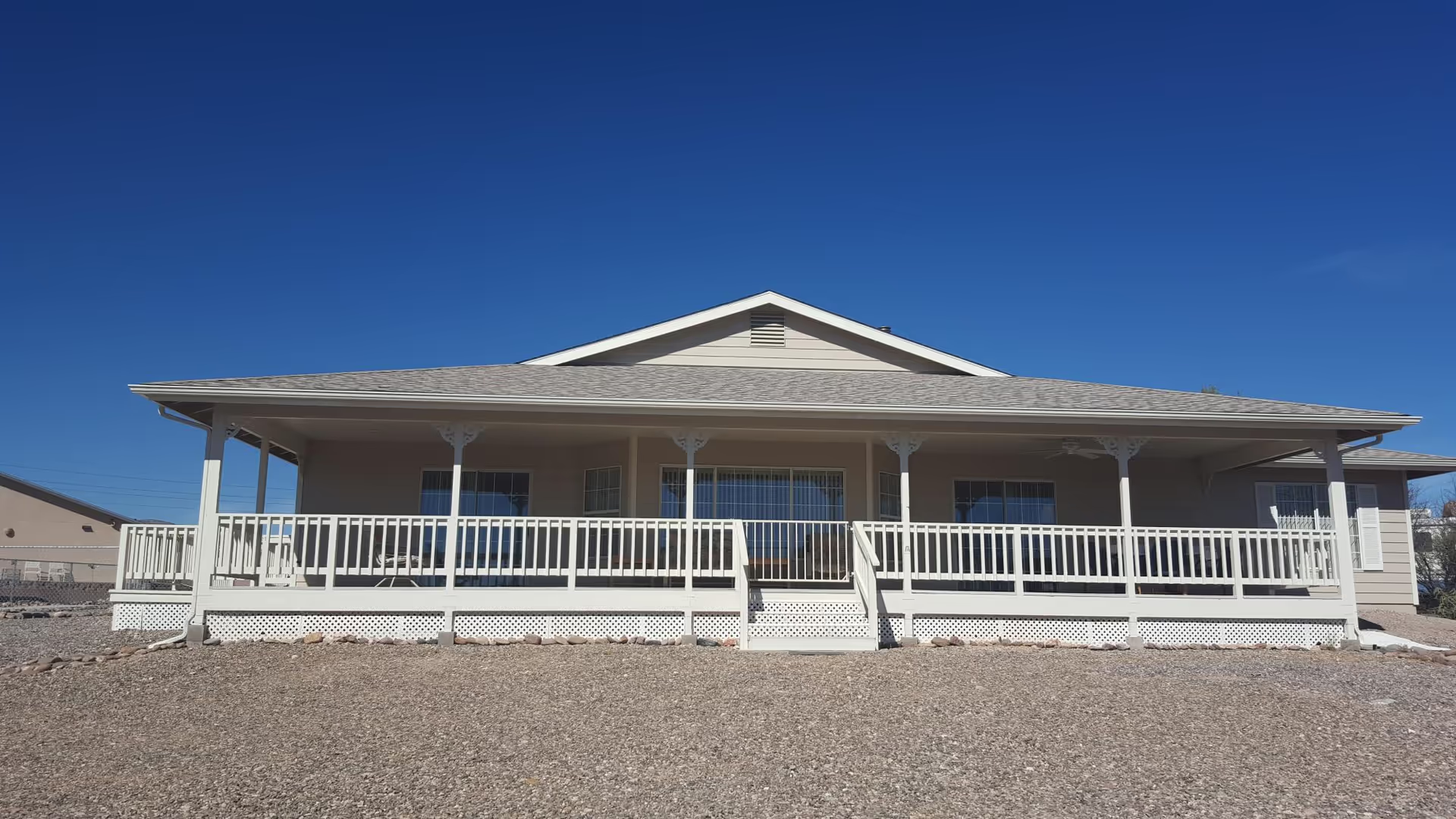
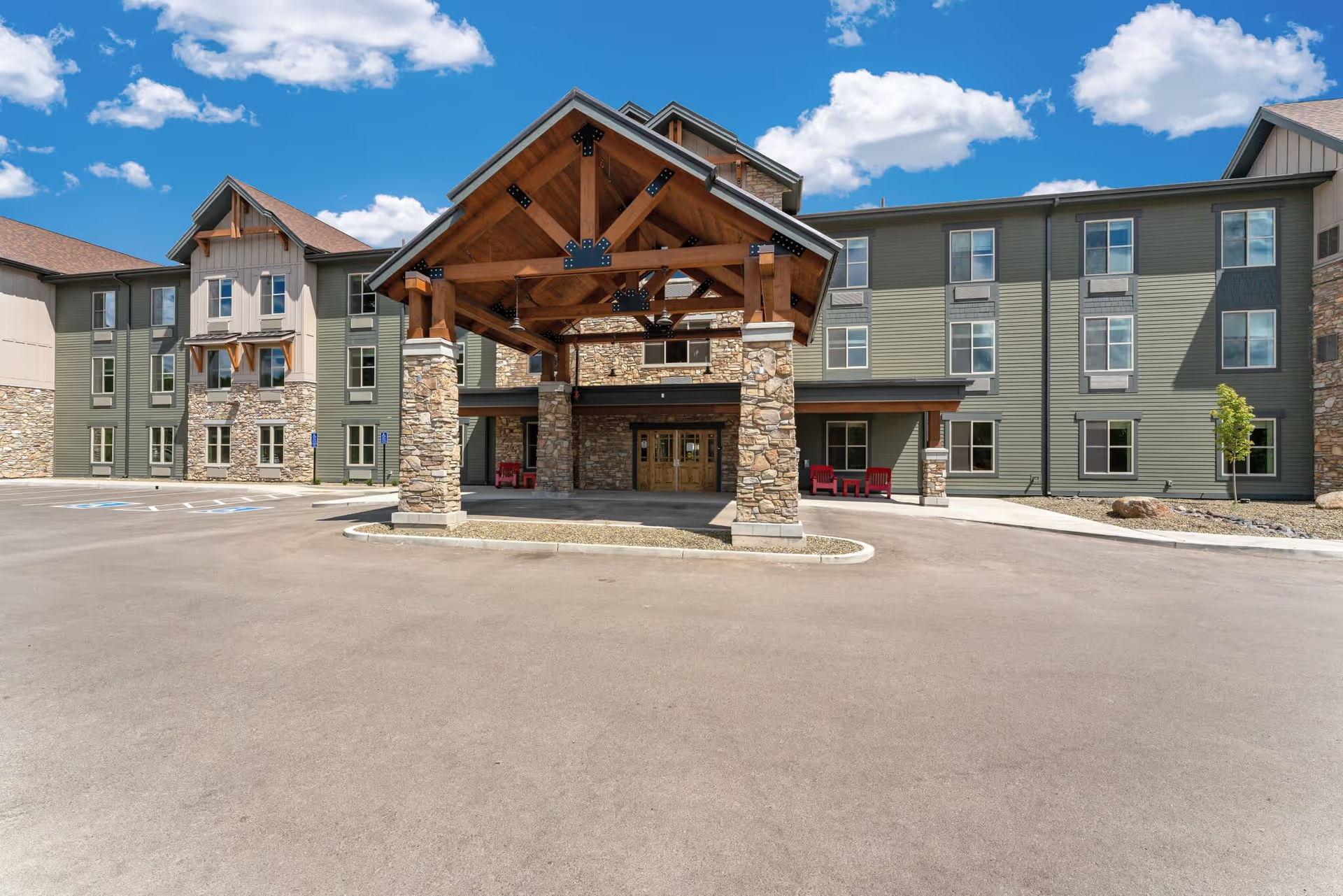
Sedona Winds elicits strongly mixed but specific impressions. Many reviewers describe a comfortable, community‑oriented campus with attractive outdoor spaces, scenic red‑rock views, well‑kept interiors and recently refurbished apartments. Residents and families frequently praise compassionate, personable staff, attentive dining service with a menu‑style/gourmet emphasis, regular housekeeping and laundry, on‑site salon services, and reliable transportation for appointments and outings. The facility offers a broad activities calendar, holiday and themed programming, and amenities such as an indoor pool and garden areas that contribute to a home‑like atmosphere.
At the same time, a consistent pattern of operational variability appears across reviews. Staffing levels and turnover are recurring concerns: some families and residents describe dependable, engaged caregivers while others report changing caregivers, irregular coverage, and uneven follow‑through. Several accounts point to variability in staff training and clinical oversight, which reviewers link to irregular responsiveness to care needs (for example, promised care-check frequencies not always met) and to inconsistent handling of higher‑acuity needs. End‑of‑life procedures and medication oversight were raised as areas needing clearer protocols in some cases.
Dining and activities receive both praise and criticism. The executive chef and menu‑style dining are lauded in many comments, including availability of diabetic‑friendly options and attentive waitstaff; conversely, other reviewers describe repetitive menus, high‑sodium or limited fresh produce choices, difficulties opening packaged items, and occasional interruptions to meal service. Activities programming is robust in intent and includes exercise classes, presentations, outings and entertainment, but reviewers also report cancellations, poor execution of events, and variable participation levels.
The physical campus is generally seen as a strength: landscaped grounds, clean common areas, varied apartment layouts, and recent remodels in parts of the facility. At the same time, reviewers note that some older sections could benefit from further upgrades and that occasional sanitation or odor concerns have been observed in certain areas. Safety features such as alarm pendants and shower standby staff are cited positively, but reviewers advise careful assessment of readiness for residents with advanced physical needs or complex memory‑care requirements.
Management and communication emerge as a decisive differentiator. Several families experienced responsive, helpful leadership during move‑in and care transitions, while others described lapses in communication, poor follow‑through on promises made during tours, and inconsistent notification to families about health events. A serious allegation of an abrupt eviction and concerning staff conduct was raised by one family; this highlights the value of confirming written policies and escalation procedures during a visit.
Bottom line: Sedona Winds offers many attributes attractive to independent‑living and lower‑acuity assisted‑living residents — strong campus amenities, appealing dining when functioning as intended, and a warm community atmosphere supported by many attentive staff. Prospective residents and families should prioritize an in‑person assessment focused on current staffing levels and turnover, clinical‑oversight and end‑of‑life protocols, family‑notification practices, day‑to‑day meal quality and dietary accommodations, and the specific condition of the memory‑care unit if applicable. Asking for recent staffing schedules, staff training documentation, sample menus, and examples of incident‑communication procedures will help evaluate whether the facility’s operational consistency matches its many strengths.