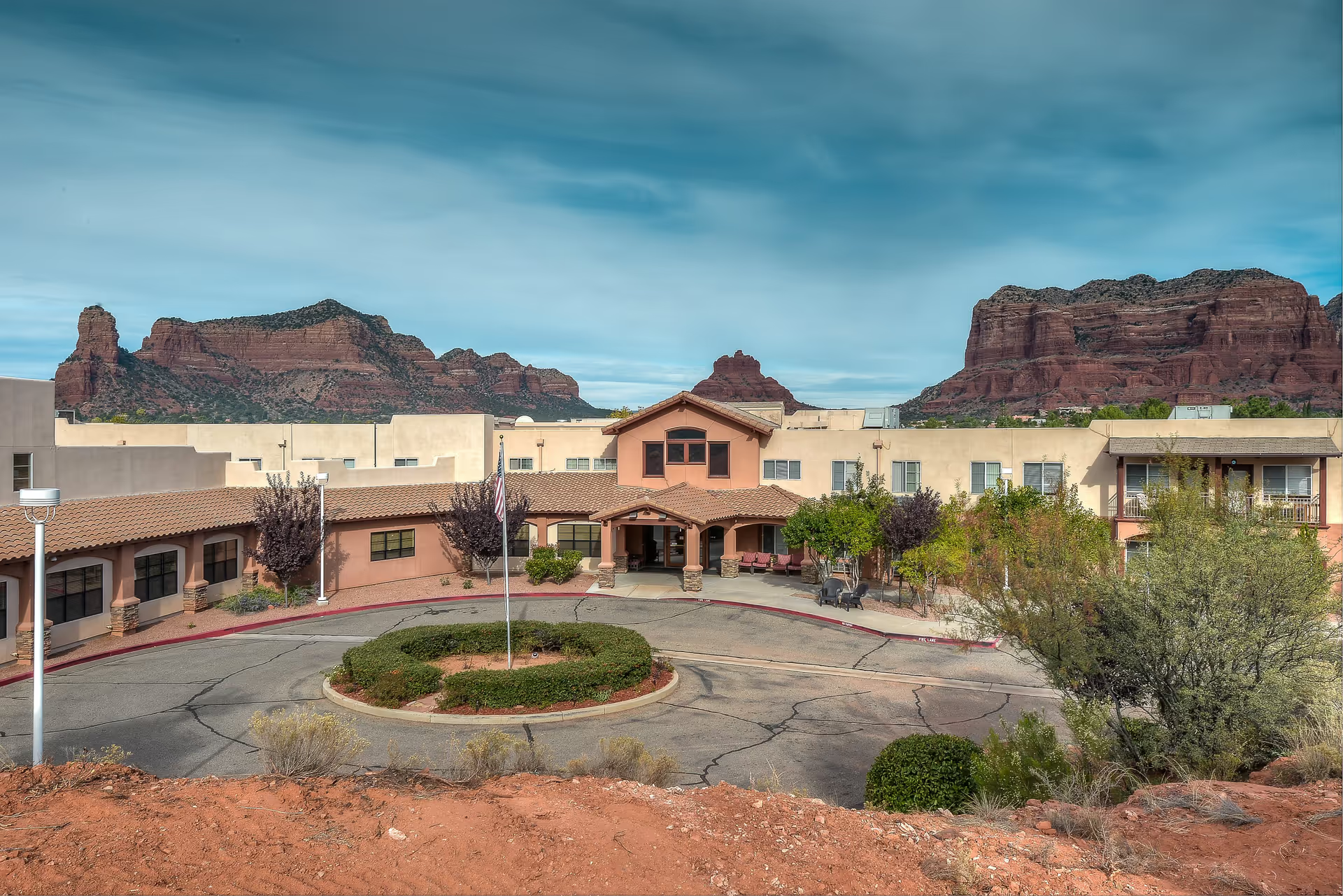
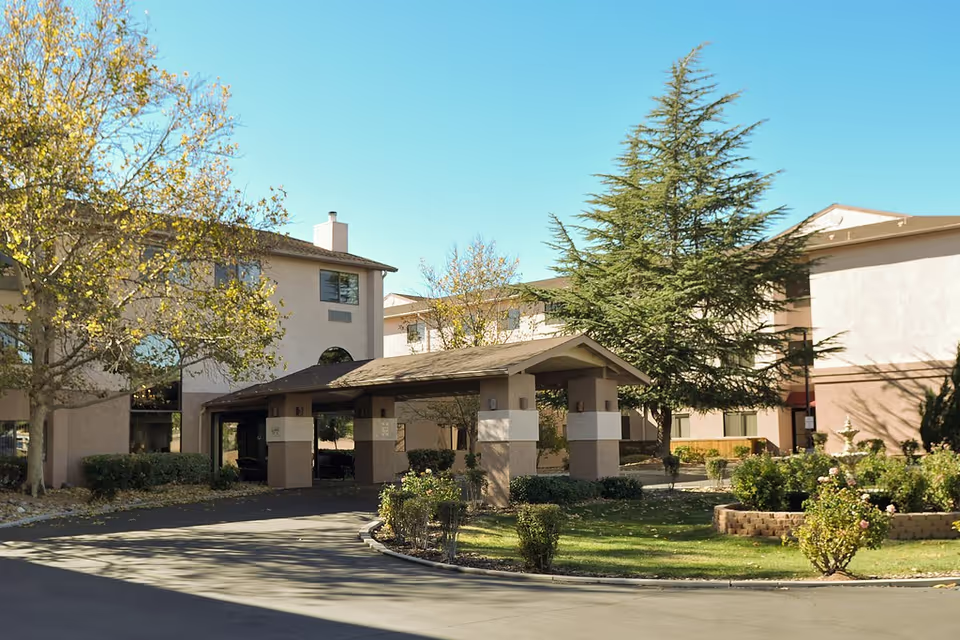
Overall impression: The Bluffs of Flagstaff is consistently described as a well-appointed, resort-style senior living community with a strong emphasis on compassionate, relationship-oriented care. Review content emphasizes a welcoming atmosphere, a modern and attractive physical environment, and an array of amenities that support active lifestyles. Families and residents frequently praise the staff’s interpersonal approach and the community’s capacity to provide care across independent, assisted and memory-care levels.
Care and staff: Reviewers describe the staff as attentive, familiar with residents’ needs, and willing to provide personalized supports including medication adjustments and end-of-life care. Multiple accounts highlight strengths in care coordination—nursing visits in apartments, wellness coordination, and 24/7 phone availability—along with responsive communication with families. Memory-care leadership receives positive mention, and several narratives emphasize compassionate, dignity-preserving interactions. At the same time, there are indications of periodic staffing pressure: when resources are constrained, some services or staffing-intensive supports can be limited or delayed.
Dining and food service: Dining is a distinct strength in many accounts: chef-catered meals, a fine-dining format, specialty venues (steakhouse, pub), and daily three-meal service contribute to the facility’s positive reputation. Reviewers frequently note high-quality presentation and memorable dishes. Operational gaps appear in meal execution—examples include lukewarm service, items running out, substitutions without advance notice, and occasional small portions—suggesting opportunities to tighten kitchen inventory, service timing, and communication about menu changes.
Activities and amenities: The Bluffs offers a broad, purposeful activities program and a long amenities list that mirrors a resort model: theater with reclining seating, indoor pool with an aquatic trainer, fitness center, salon, art and education programming, outings, live music, and on-site social venues. These elements support social engagement, wellness, and a vibrant resident community. Housekeeping and maintenance are often praised for building-level upkeep and responsiveness; however, there are isolated notes about inconsistent attention to individual room cleanliness.
Management and operations: Communication and move-in support are commonly described as smooth and helpful. Conversely, several comments point to administrative friction around billing and invoicing—unexpected charges, late fees, and transactional surcharges are specific operational concerns. Lease and transfer policies also surfaced as an issue in at least one account, indicating that continuity of residency can be affected by placement or relocation rules.
Notable patterns and considerations for families: The dominant pattern across input is strong, person-centered staff engagement combined with high-end amenities and a full activity slate, making the community attractive for residents seeking active, service-rich living. The main operational caveats cluster around meal-service consistency, occasional staffing constraints that influence service availability, room-level housekeeping variability, and billing transparency. Prospective residents and families should weigh the facility’s robust clinical and social strengths against these operational items, and consider asking for specifics during a tour—sample menus and meal service timing, staff-to-resident ratios for the unit of interest, housekeeping standards for apartments, and a clear billing/fees explanation—to gauge how these patterns would affect a particular resident’s needs.