Haven Health Flagstaff presents a largely positive picture in the areas of bedside care and rehabilitation. Many accounts emphasize compassionate, attentive CNAs and nursing staff and a therapy program (PT/OT/ST) that is effective at restoring function and facilitating discharge. On-site rehabilitation resources, wound care competency, prosthetic training, and 24-hour nursing availability are consistent strengths; families frequently cite successful rehab outcomes and supportive encouragement from therapists and aides.
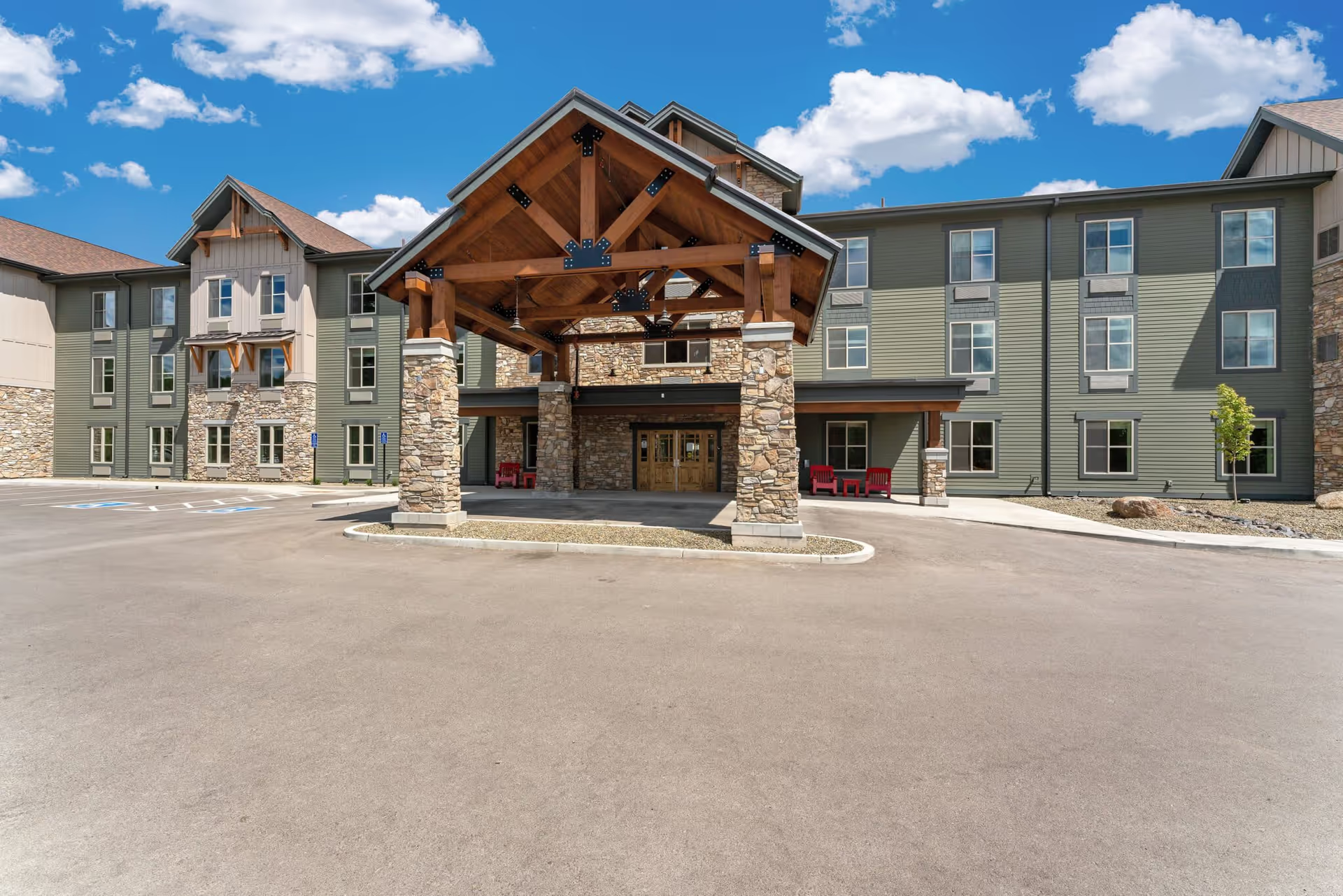
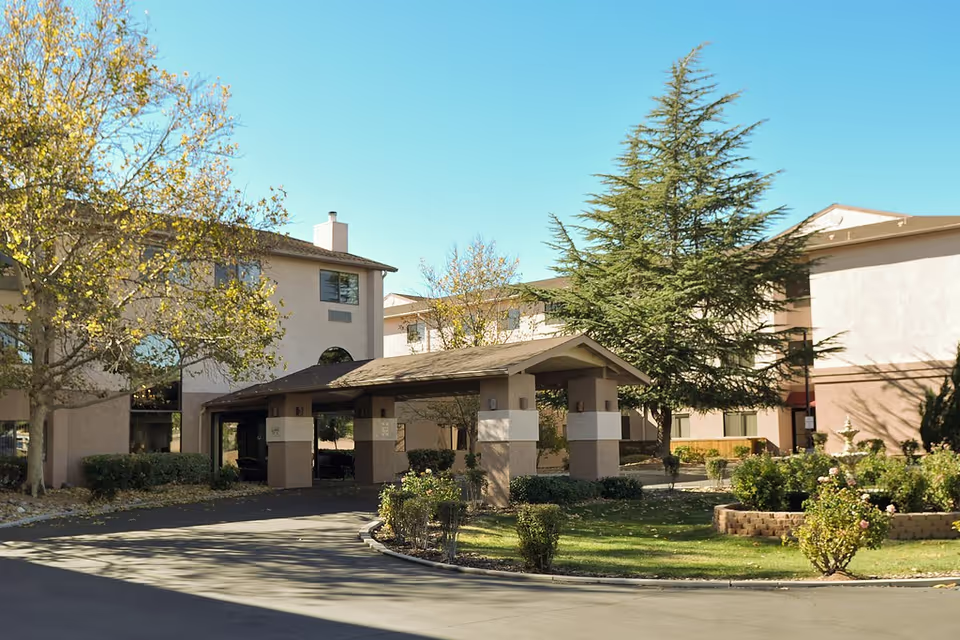
Staff culture and the facility environment are additional assets. Numerous descriptions note a clean, well-maintained building, conscientious housekeeping, and a welcoming, family-like atmosphere. Activity programming and recreational offerings are appreciated by residents and families, and there is evidence of cultural and language support, including Navajo-language assistance in some cases. The facility also operates a CNA training/clinical program that contributes to staff skill development and recruitment.
At the same time, a pattern of operational inconsistencies emerges across reviews. Response times to call bells and routine requests are uneven, and some families describe long hold times or difficulty reaching administrative personnel by phone. Staffing levels vary by shift, creating workload-related delays that affect medication timing, assistance, and supervision. Several accounts raise concerns about therapy-session supervision — for example, therapists being distracted during sessions — which suggests variability in clinical oversight.
Dining and dietary management are another mixed area. Some residents and families praise the food selection, on-site chef options, and affordable family-style meals; others report overcooked, cold, or limited-variation entrees and inaccuracies in dietary preference recording. These accounts point to inconsistent meal preparation quality and record-keeping around meals and special diets.
Safety, property, and sanitation issues are recurring themes that prospective families should review closely. There are reports that indicate fall-related events and equipment limitations such as older beds and limited fall-prevention features. Concerns about personal-property tracking and accountability have been raised, including disputed item inventories. A small number of serious claims, including allegations that have escalated to legal attention, are present in the feedback; those items deserve direct investigation with facility leadership and, if appropriate, regulatory or legal counsel.
Communication and management responsiveness are mixed. Positive experiences highlight staff and managers who respond promptly to concerns and who work constructively with families. Conversely, other accounts describe dismissive interactions, inconsistent follow-through on complaints, and confusing discharge or insurance coordination that can create stress for families. Privacy and visitation processes have also created friction in some encounters.
Recommendation for prospective residents and families: verify current staffing ratios, ask about average call-bell response times and fall-prevention protocols, observe a therapy session if possible, review the facility's meal-accommodation procedures and documentation practices, and request written processes for personal-property inventories and complaint escalation. Overall, Haven Health Flagstaff demonstrates notable strengths in rehabilitation, hands-on care, and facility upkeep, but operational inconsistencies in communication, meal service, staffing coverage, and safety practices are important to assess before placement.