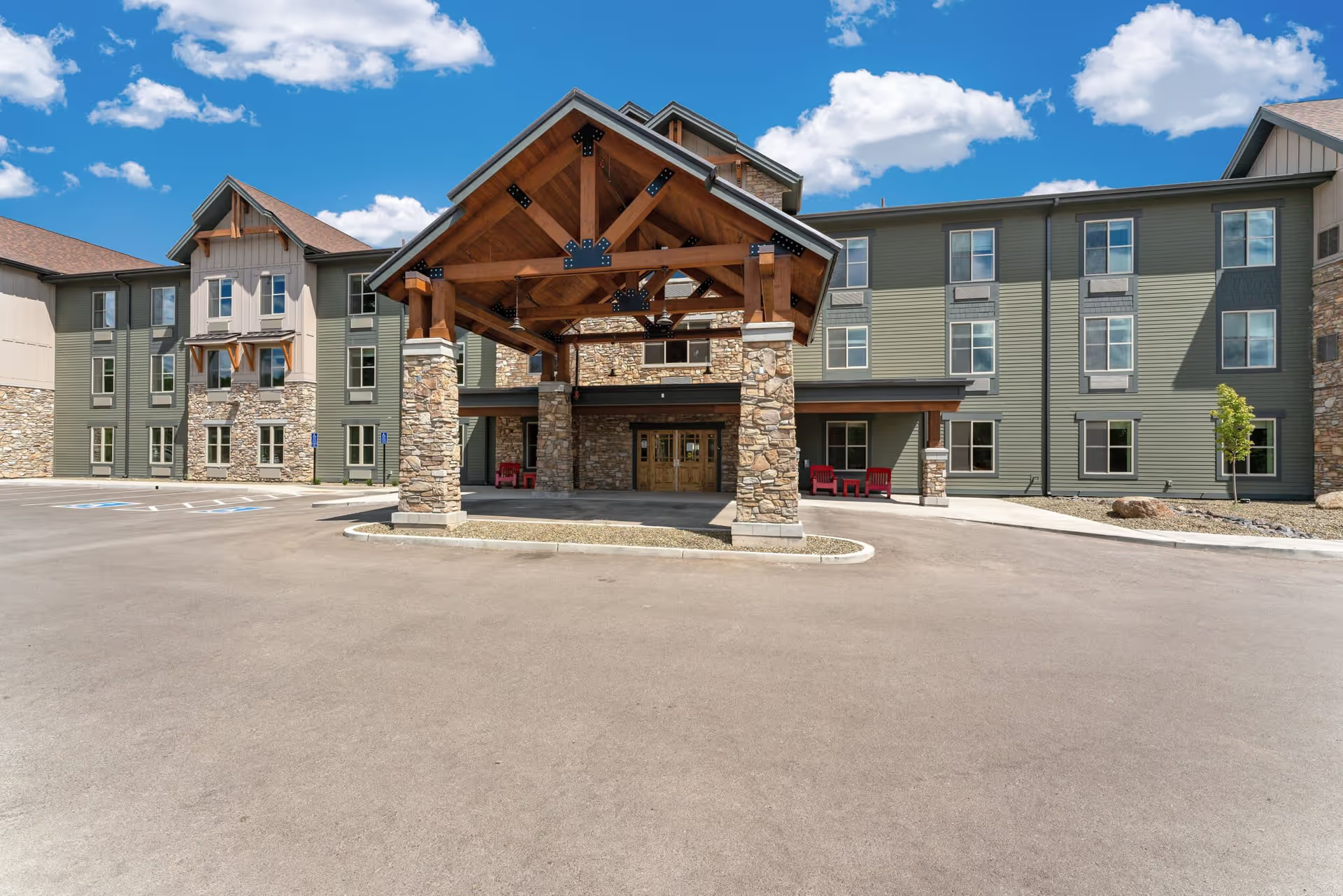
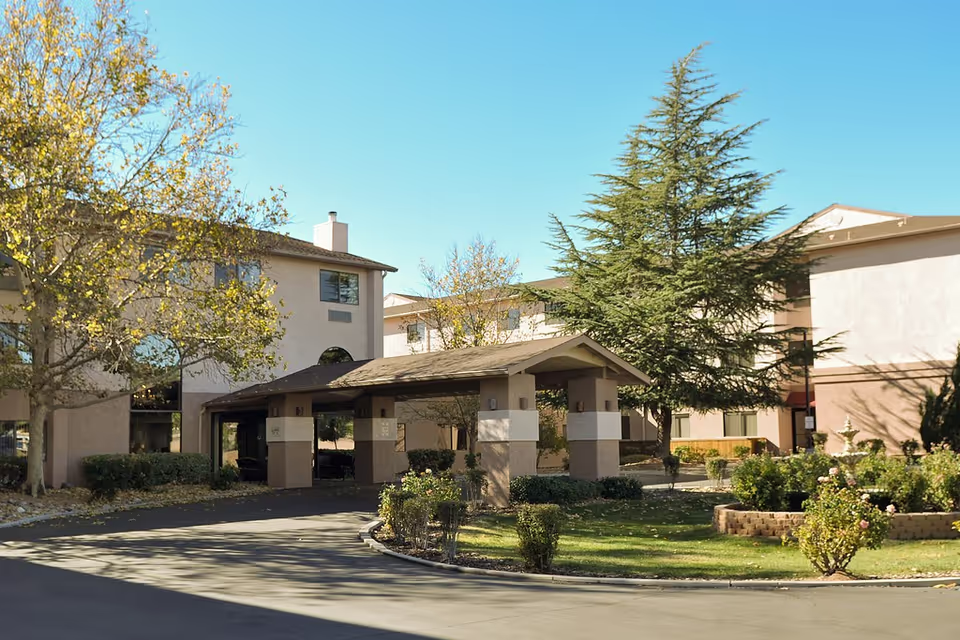
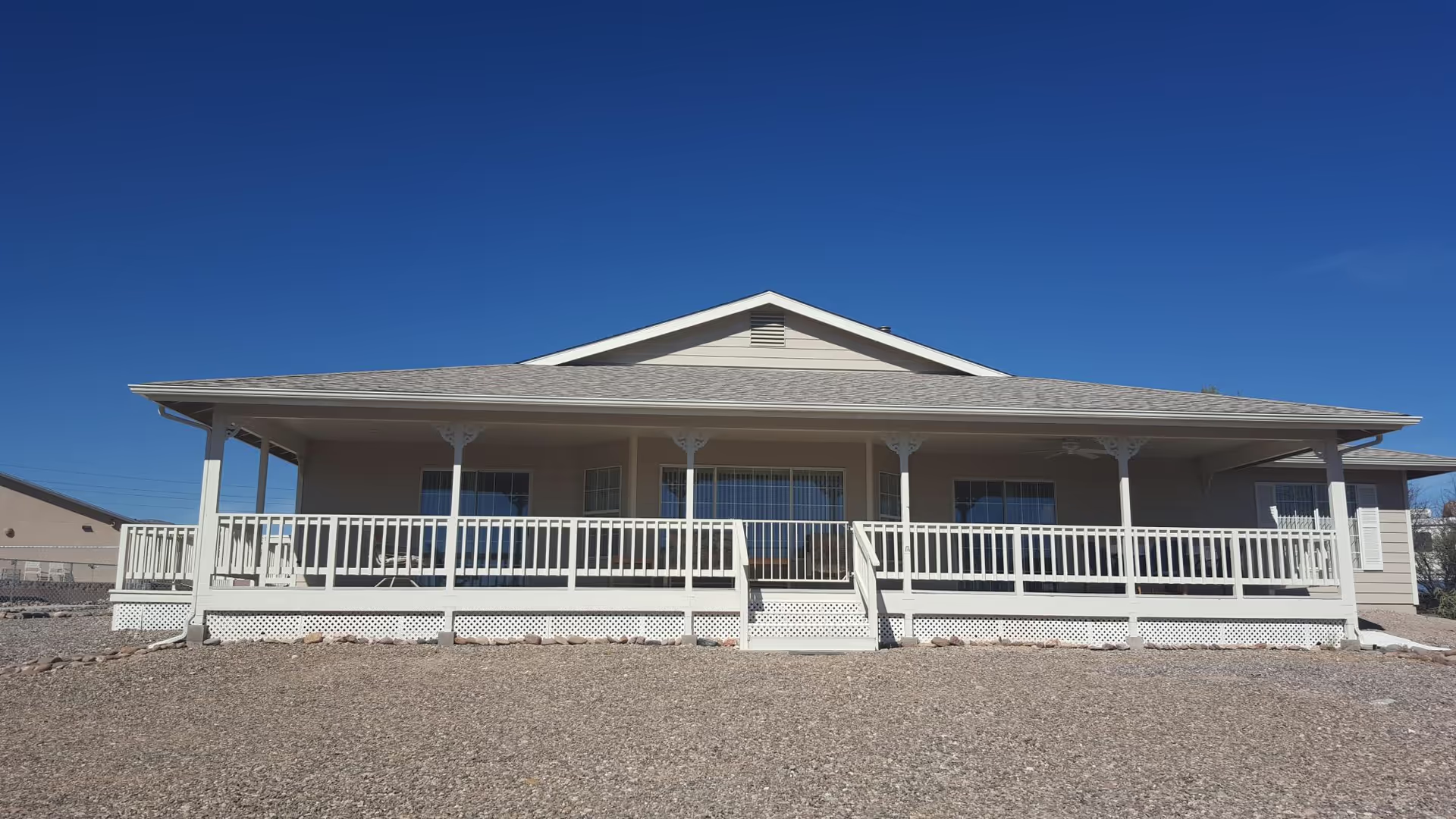
Highgate Senior Living at Flagstaff is frequently described as a modern, well‑appointed community with strong hospitality elements. Reviewers consistently praise the physical environment: a newer, attractive building, well‑maintained grounds, spacious suites with thoughtful finishes, and convenient in‑unit features such as stacked laundry. Public spaces — including a welcoming front desk, courtyard, private visiting rooms, and an on‑site salon — contribute to a home‑like atmosphere and support family involvement.
Dining and social life are prominent strengths. The dining program receives repeated positive remarks for quality, variety, and special family meals; multiple reviewers identified the culinary team as an asset. The activities calendar is active, offering regular social, creative, and educational opportunities that families and residents find engaging. Transportation services and event programming were noted as reliable components that facilitate resident socialization and access to care.
Care and staff performance present a mixed picture. Many families describe caregivers as compassionate, attentive, and skilled — with several individual staff and nursing leaders singled out for exceptional clinical competence and warmth. There are repeated endorsements of 24/7 nursing presence and a competent memory‑care team. At the same time, a pattern of operational weaknesses emerges: reviewers describe inconsistent adherence to individualized care plans, delays responding to calls for assistance (notably during night shifts), and occasional gaps in clinical escalation or hospice referral processes. Documentation transparency — including access to call logs and timely communication about incidents — is also a recurring concern.
Facility operations and management show strengths in hospitality and responsiveness but are also the locus of key criticisms. Maintenance and housekeeping are generally described as effective, yet some families raised sanitation concerns in particular resident areas and noted episodes that indicate lapses in routine toileting assistance or bathroom provisioning. Reviewers also identify high staff turnover and periodic leadership change as contributors to variability in care continuity and team performance. Comfort‑control reliability (air conditioning) has been cited as an environmental issue during warmer months. A subset of comments reflects a perception that capital projects or renovations may sometimes be prioritized in ways that create tension with daily care needs.
Overall, Highgate Flagstaff appears to offer a high level of hospitality, engaging programming, and several strong clinical leaders and front‑line caregivers who earn family trust. Prospective residents and families should weigh these strengths against the documented operational patterns: inconsistent care‑plan adherence, responsiveness variability (especially at night), documentation and escalation gaps, and the effects of staff turnover. When evaluating the community, families may find it helpful to ask specific, measurable questions about staffing stability, night‑shift response protocols, care‑plan auditing, documentation access, HVAC maintenance plans, and how management balances capital projects with frontline care priorities.