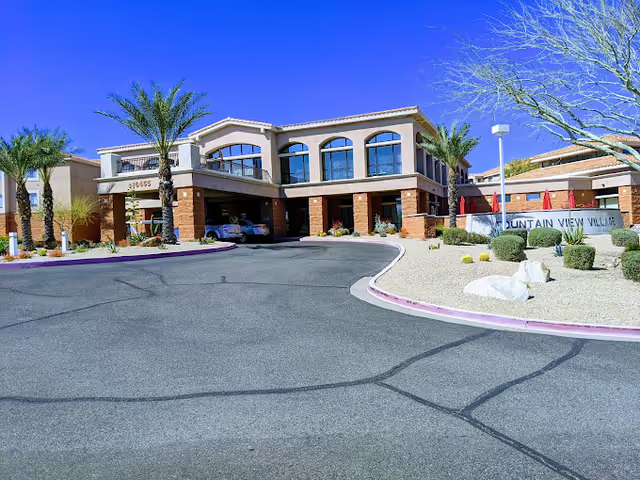
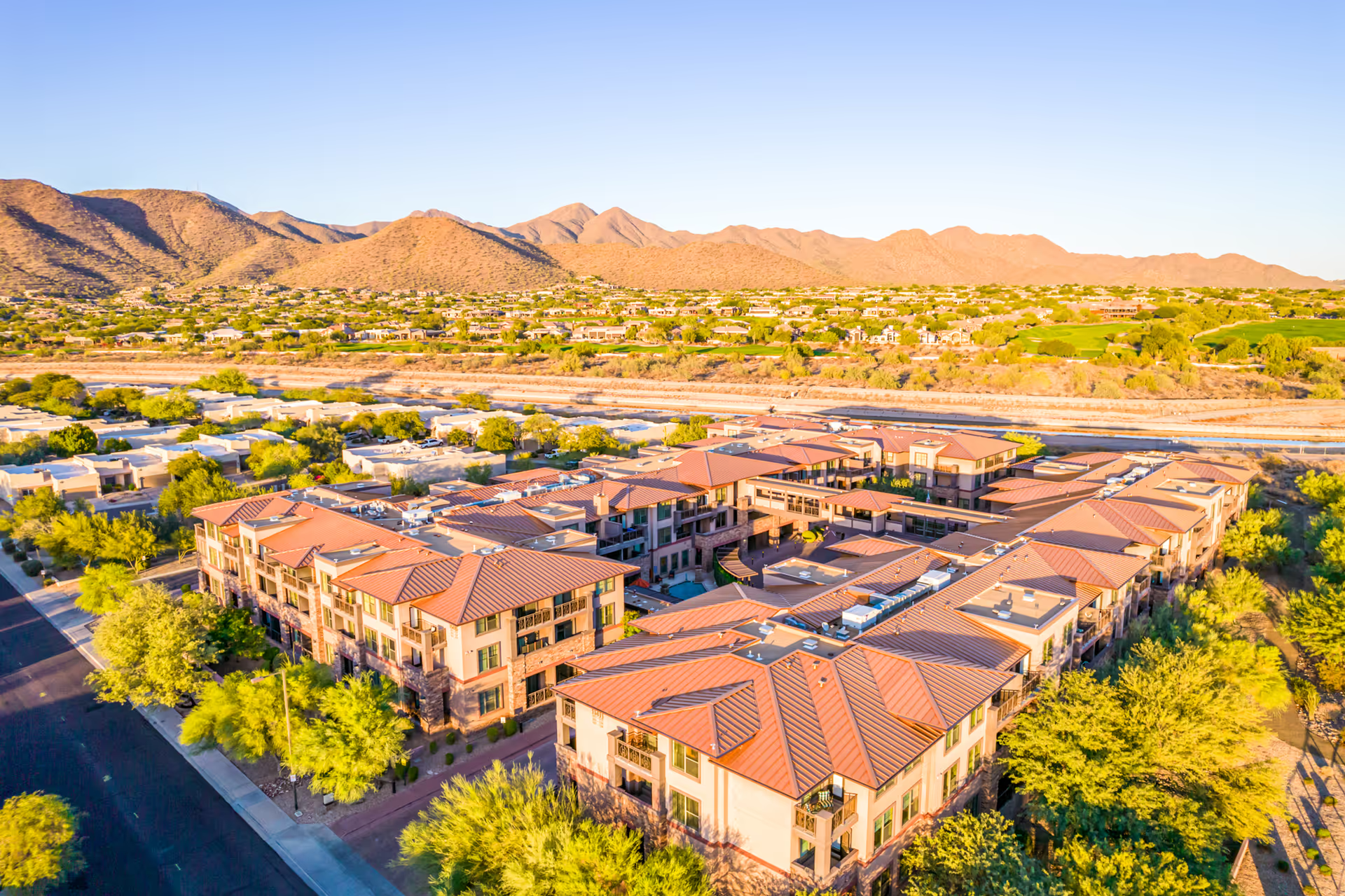
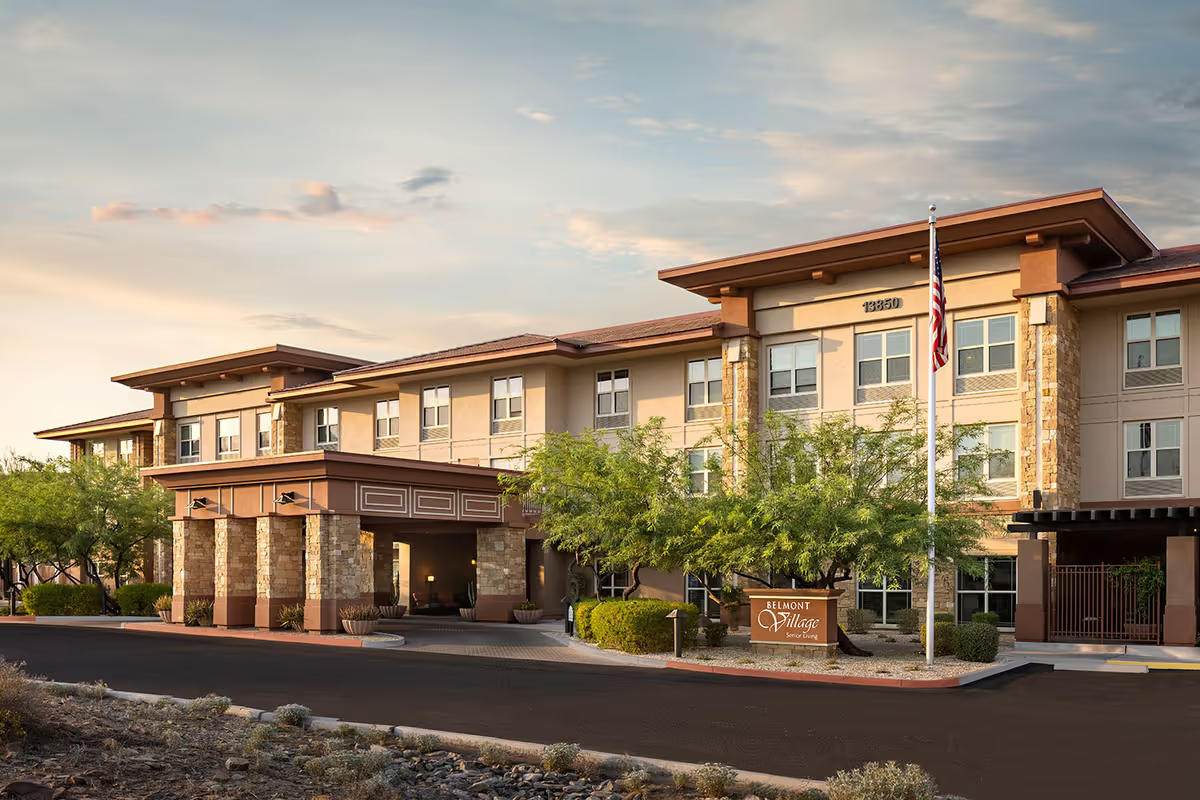
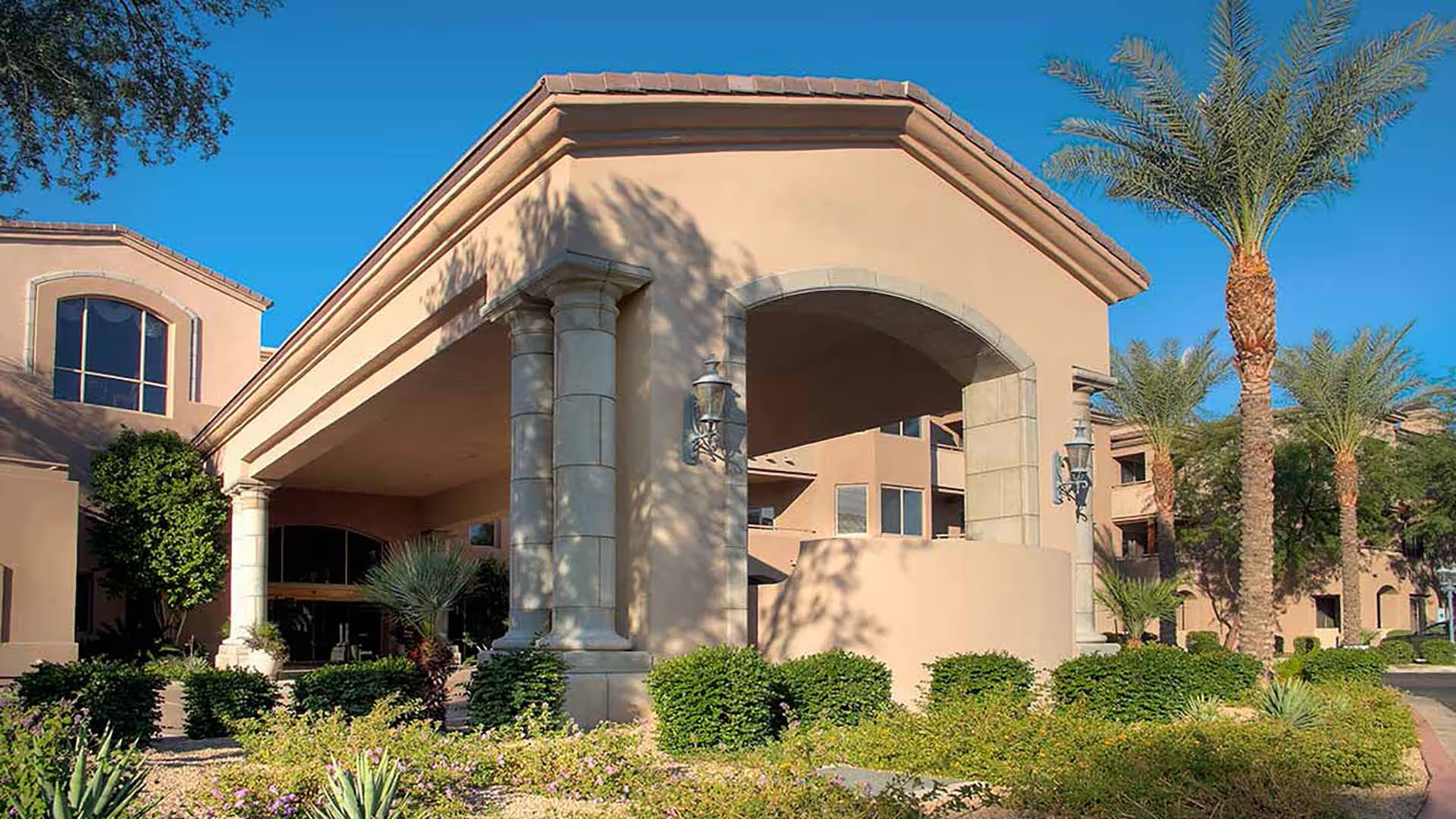
Overall impression: Reviews present MorningStar Assisted Living & Memory Care of Fountain Hills as a well-appointed, family-oriented community with a consistent emphasis on compassionate caregiving, robust memory-care programming, and a strong activities program. Many families highlight the facility’s clean, attractive interiors, private apartment model, and a welcoming front-desk/concierge presence. The location near the Fountain Hills fountain, shops and desert trails is repeatedly described as a significant quality-of-life advantage.
Care and staff: The dominant theme across reviews is positive staff performance. Nursing, med-techs, caregiving teams, and front-line personnel are frequently characterized as attentive, respectful and compassionate; reviewers credit staff for individualized attention, dignity-preserving care and effective end-of-life coordination with hospice. Several accounts note stable staffing and specific employees who go above and beyond. At the same time, there are isolated concerns about responsiveness during some transitions and an allegation about management conduct that a few families raised; prospective families may wish to ask the community for current staffing-stability metrics and examples of recent family communications.
Dining and housekeeping: Dining quality is often praised for taste and presentation, with an experienced chef and a home-like dining approach noted. However, menu variety and rotation are recurring operational limitations—several families mentioned a small number of daily specials and a desire for broader choices. Housekeeping is generally adequate and the facility is described as very clean overall, but there are a few mentions of inconsistent housekeeping or sanitation in specific areas, suggesting variability in execution rather than a persistent facility-wide condition.
Activities and memory care: Programming is a clear strength, with active social calendars, tailored memory-care activities, music events, entertainment and seasonal celebrations cited frequently. Activity staff are described as creative and engaged, and memory-care areas are noted for calm, secure environments. That said, some reviewers reported variable availability of certain activities or that staffing constraints occasionally limited program continuity; asking about current activity staffing ratios and sample weekly schedules would be useful.
Facilities and safety: The property and grounds receive strong positive comments for maintenance, landscaping and an inviting, home-like atmosphere. Families note a safe, quiet neighborhood and good COVID-19 communication. On-site clinical resources, medication management and an available on-site doctor are positive operational features that support resident care needs.
Management and patterns to watch: Most reviewers express strong satisfaction with management and the admissions/transition process, including prompt moves and helpful coordination. Nonetheless, a small number of critiques point to management-related concerns; one review referenced allegations about a named individual. For prospective families, it would be prudent to ask management directly about any recent leadership changes, staff turnover rates, quality audits, and how the community addresses family complaints or incidents. Additionally, if a prospective resident requires higher-acuity clinical services, families should clarify scope-of-care limits and escalation pathways, since several comments imply the community is best suited for assisted living and memory-care levels rather than intensive medical needs.
Bottom line: MorningStar Fountain Hills appears to offer strong person-centered care, a warm social environment, and a well-maintained campus in a desirable location. The most consistent operational caveats are limited menu variety, some variability in housekeeping and activity continuity, and occasional management/transition concerns raised by families. Prospective residents and families would benefit from focused questions about current menu cycles, staffing for activities and housekeeping, clinical-acuity limits, and how the community documents and resolves family concerns before making a placement decision.