Life Care Center of North Glendale elicits strongly polarized experiences. Many families and residents praise the therapy teams—physical, occupational, and speech therapy are frequently described as professional, motivating, and effective at restoring function and achieving discharge goals. Several reviewers credit CNAs and certain nurses with compassionate, hands-on care, and the facility offers activity and spiritual programs that residents value. When the unit is well staffed, residents receive coordinated equipment provision and timely transport to appointments, and common areas and therapy spaces are described as clean and well maintained.
At the same time, a consistent set of operational weaknesses appears across reviews. Staffing levels are a recurring concern: reviewers describe frequent understaffing, night and weekend gaps, and high staff turnover that correlate with delayed responses to call lights, long waits for toileting or pain medication, and reduced availability of therapy. Medication administration and timing have been flagged multiple times for inconsistency, and there are reports indicating lapses in wound-care and infection-control processes that have led to rehospitalizations in some cases. These clinical-safety issues are often linked by families to inconsistent nursing competency and inadequate training on certain procedures.
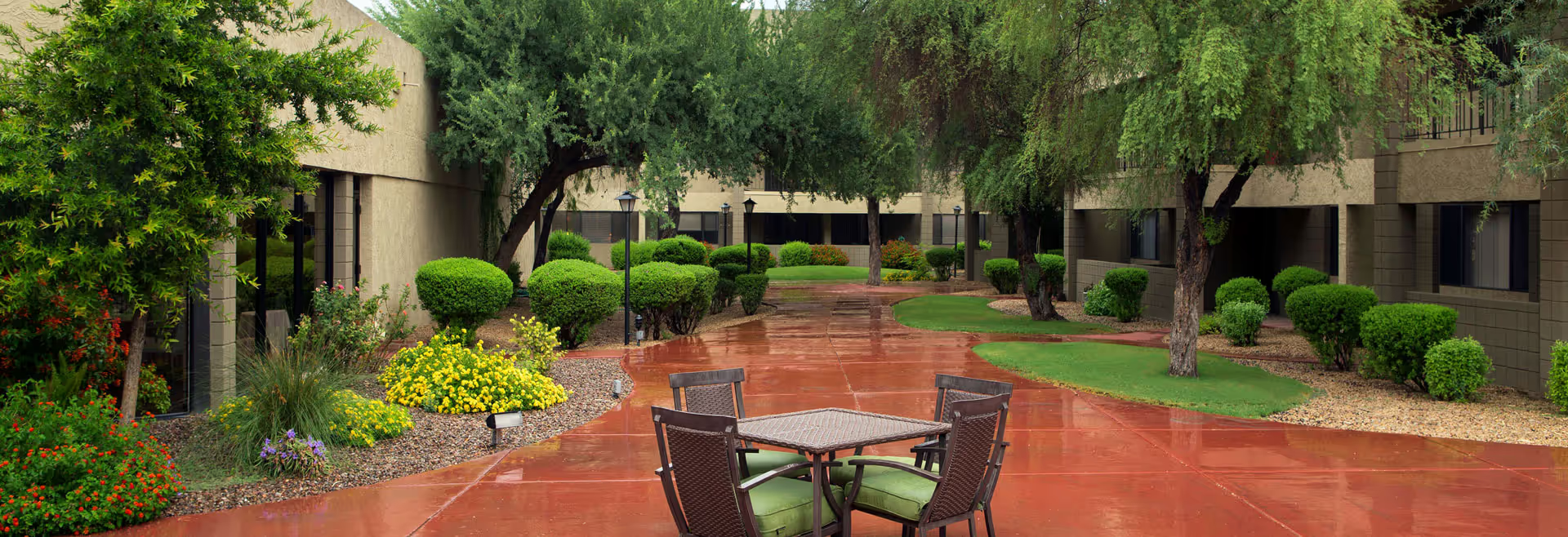
Service areas show variability. Dining receives mixed assessments—some find portions generous and choices adequate, while others note poor temperature control, limited options for therapeutic diets (notably diabetes-friendly menus), and inconsistent meal delivery. Activities and spiritual services are generally viewed positively, with organized outings, bingo, and religious services contributing to resident engagement. Facility condition also varies by unit: parts of the building and common spaces have been modernized and kept clean, but reviewers describe room-level maintenance problems such as water-damage, pest-control concerns, and aging fixtures in other areas.
Management and communication present another area of divergence. Some families report attentive administrators and effective case managers who resolve issues promptly and facilitate smooth transitions from hospital to facility. Others describe delayed responses to complaints, difficulties reaching front-desk or records staff, and inconsistent discharge planning. There are also serious allegations concerning property security and clinical incidents; these items, when mentioned, reflect either individual serious events or patterns that families felt required regulatory attention.
For prospective residents and families, the facility may offer high-quality rehabilitation and strong interpersonal care from particular staff members and therapy teams. However, the experience appears highly dependent on current staffing, floor/unit assignment, and shift. Key decision factors should include verifying current staffing ratios, asking about infection-control and wound-care protocols, confirming meal plans for therapeutic diets, and requesting recent maintenance and pest-control records. Visiting at different times of day (including evenings and weekends) can help assess responsiveness and staff availability on the units under consideration.