The reviews present a mixed picture: several families described high-quality, compassionate care—particularly when clinical leadership included nurses with hospice, mental-health, and dementia experience—while other accounts describe a decline in care quality over time that culminated in regulatory scrutiny. Overall, the facility is associated with both strong hands-on caregiving and troubling variability in operational performance.
Care and staff: Positive comments focus on attentive, compassionate direct-care staff and clinicians with hospice and dementia expertise who delivered individualized support and end-of-life competency. These strengths translated into meaningful improvements for some residents and led certain families to recommend the home and consider placement for additional relatives. However, other accounts describe a reduction in care consistency after an initial period of good service. That pattern suggests intermittent gaps in staffing stability, supervision, or clinical-quality monitoring that can affect continuity of care and responsiveness to changing resident needs.
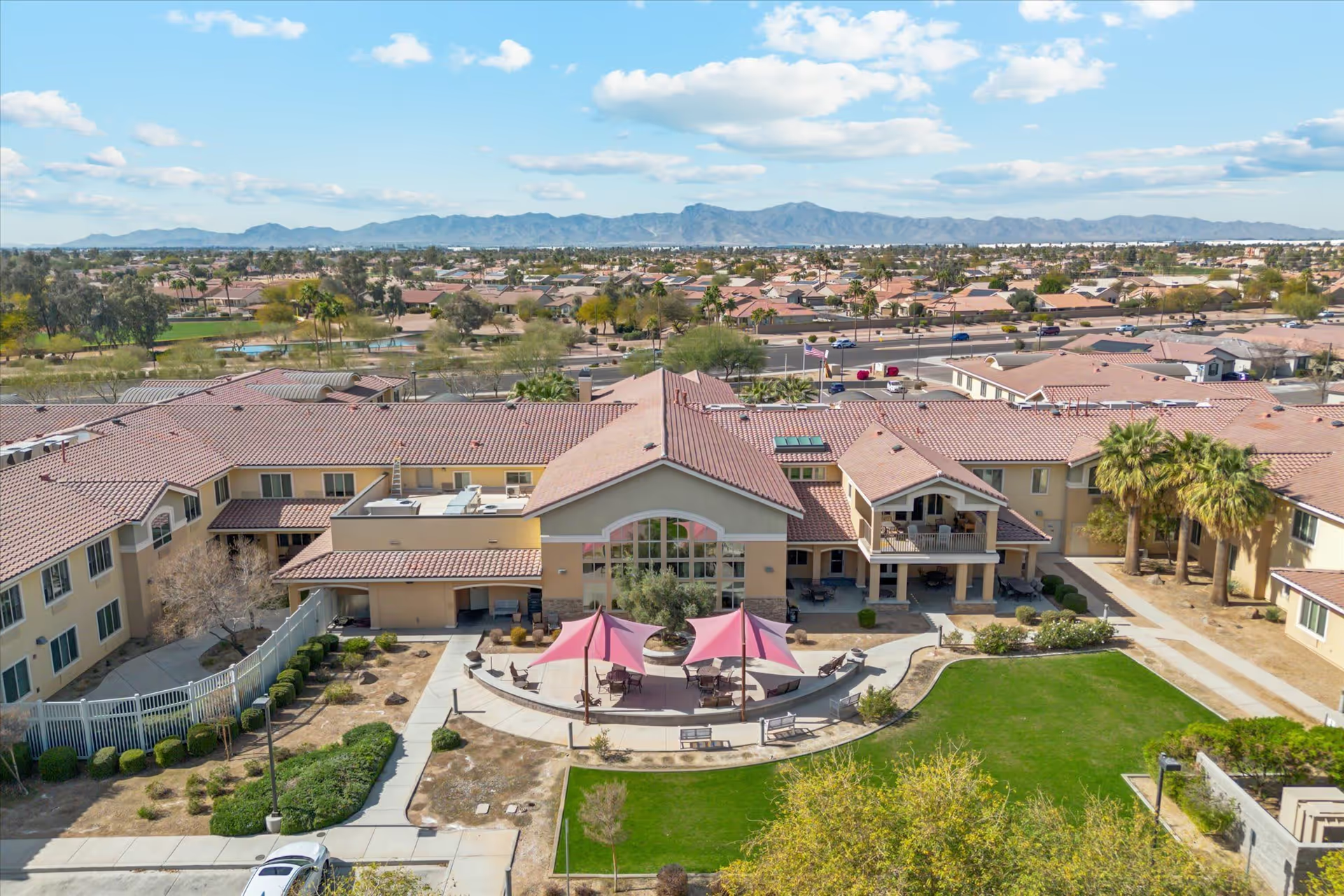
Dining and activities: Multiple notes emphasize communal meals and social dining as a benefit; residents were described as participating in meals with peers and enjoying on-site activities. Recreational programming and opportunities for social engagement were identified as positive contributors to resident quality of life.
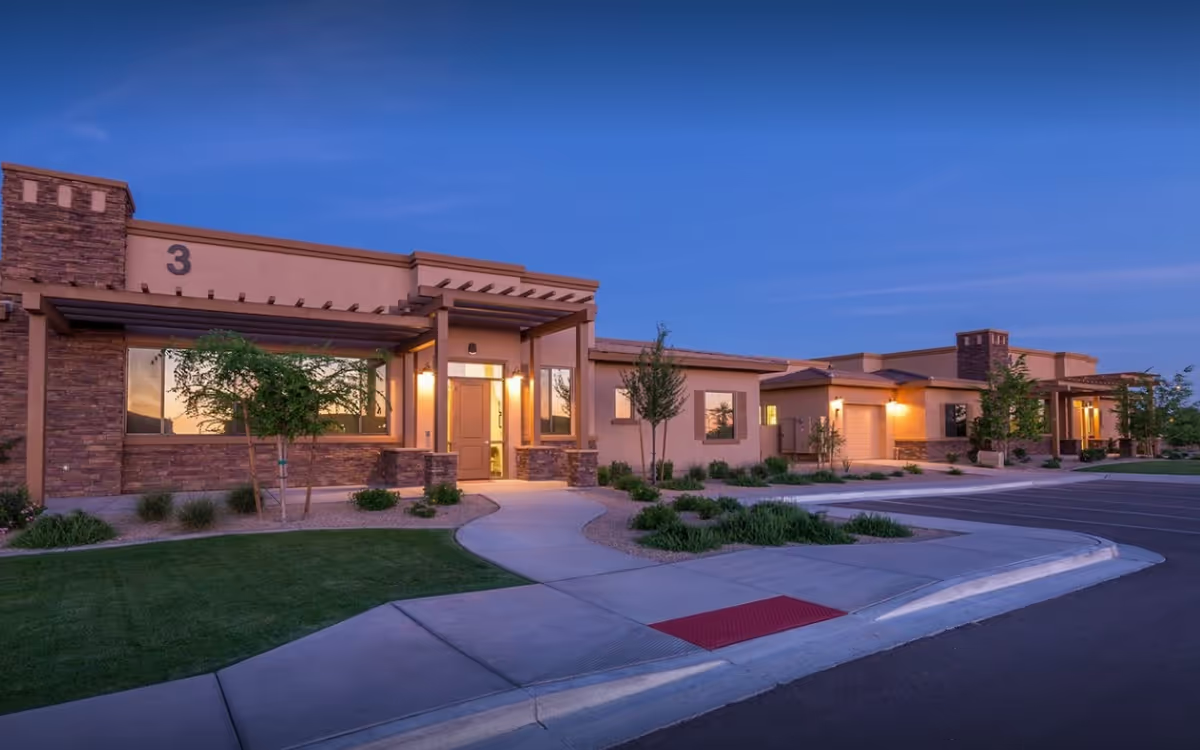
Facilities and management: The facility underwent a change in ownership or leadership that, for some families, brought clinical expertise to the front office. At the same time, reviewers raised management-level concerns, including perceptions that financial considerations influenced care decisions and that oversight systems were insufficient. Those concerns were reinforced by a substantiated state regulatory complaint in the record referenced by reviewers, which in at least one case resulted in resident relocation. Together, these items point to potential weaknesses in quality-assurance, regulatory compliance, and operational transparency.
Notable patterns and advice for families: The dominant pattern is variability—strong clinical capabilities and compassionate staff exist alongside episodes of diminished care and documented regulatory action. Prospective residents and families should perform targeted due diligence: ask about current staffing levels and turnover, inquire how the facility sustains dementia and hospice skill sets on every shift, review recent state inspection and corrective-action histories, and request examples of the facility's clinical quality-monitoring processes. Observing mealtime and activity engagement in person can help verify the positive aspects cited and assess whether operational concerns have been addressed.