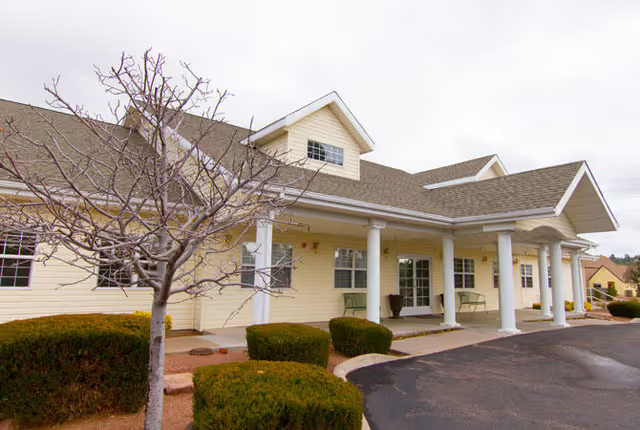
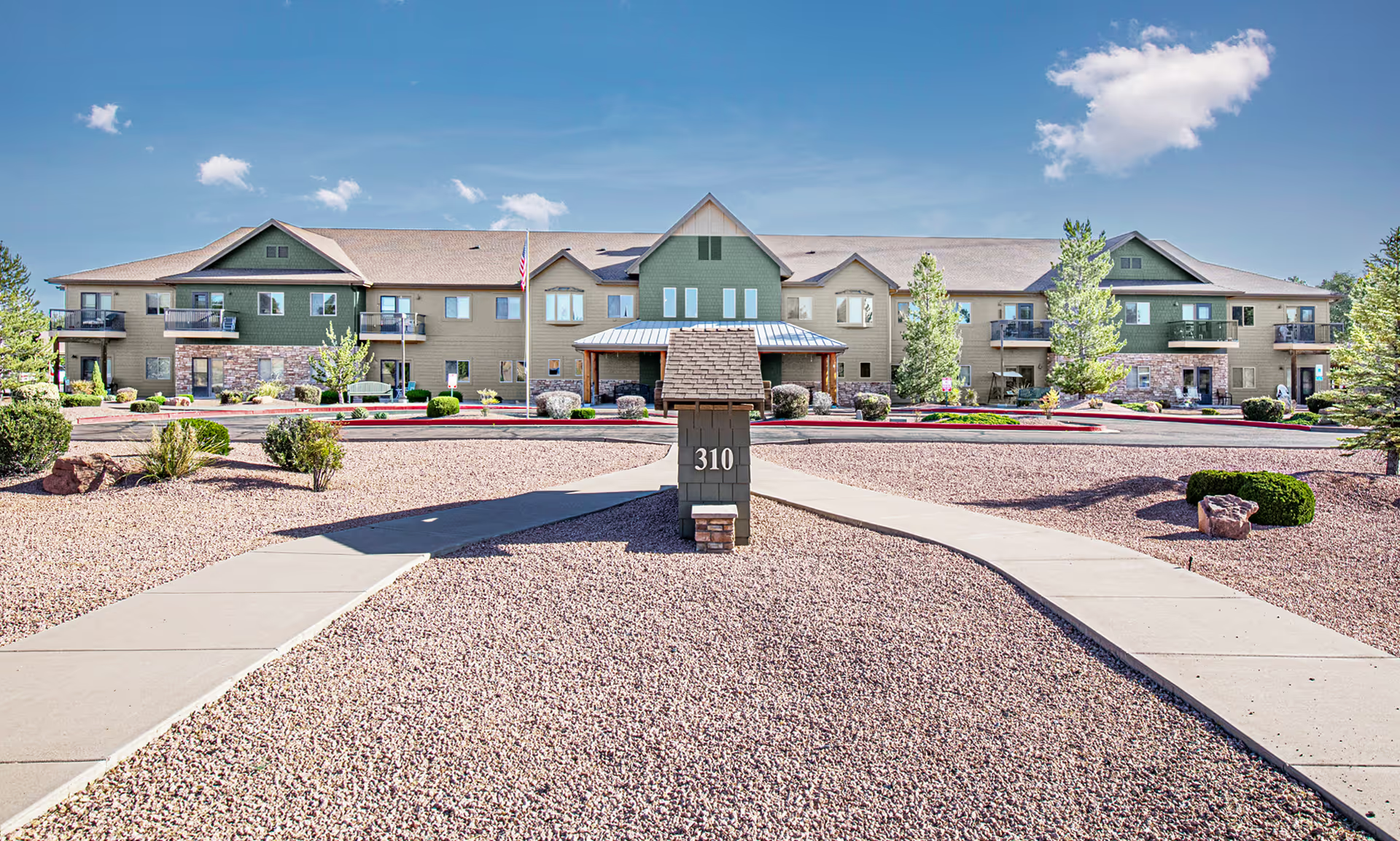
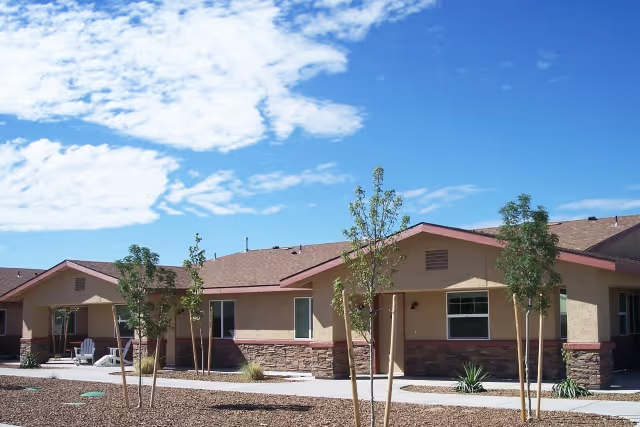
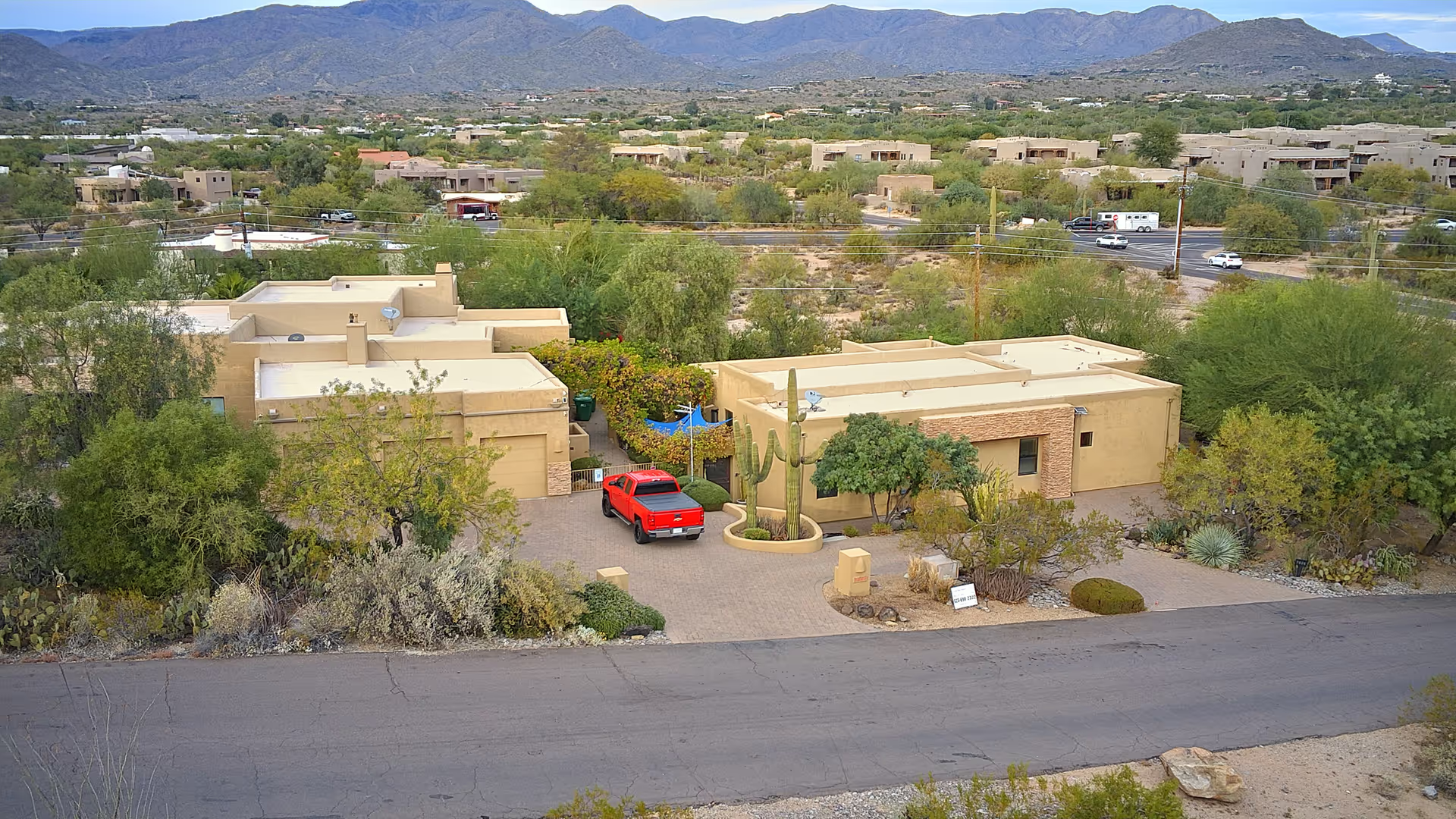
Payson Care Center presents as a large, long-established single-story facility offering a broad continuum of services that many families find valuable. Strengths repeatedly mentioned include a robust rehabilitation program (physical, occupational, and speech therapy), 24/7 clinical staffing with RNs and LPNs, and a team of certified caregivers and CNAs who are frequently described as compassionate and attentive. The facility’s physical plant—clean, well-maintained, wheelchair-accessible, and featuring large courtyards and meeting rooms—supports both short-term rehab and longer stays, and an on-site transportation team and outpatient therapy add operational convenience for many residents.
Dining and activities are standout areas for many reviewers. The facility provides a central dining program plus a formal dining option, with multiple daily meals and snacks; several comments praised home-style, well-seasoned food and specific favorite items. The activities program is active, offering crafts, bingo, outings, and social events that contribute to a family-like atmosphere and social engagement for residents. Social services and discharge planning are noted as helpful, and the facility accepts Medicare for rehabilitation-focused stays.
Despite strong clinical and engagement elements, reviews reveal consistent operational weaknesses. Medication-administration inconsistencies and occasional medication errors are a recurring concern. Communication gaps appear between front-desk, nursing staff, and families—examples include missed notifications about transfers or appointments and inconsistent follow-up after incidents. Staffing variability across shifts (with some descriptions of stronger night coverage and weaker daytime performance) contributes to uneven resident experience. Cleanliness and incontinence-care practices have been called into question in some instances, indicating a need for more consistent sanitation oversight.
Logistics and property-management issues appear in several areas: transportation and appointment coordination have produced safety and scheduling concerns for some families; transfer and mobility-safety practices would benefit from standardization; and laundry or personal-property handling has occasionally failed families’ expectations. There are also notes about intermittent meal-service continuity and limited variety in certain dining options. Taken together, these operational gaps point to areas where management-level attention and process improvements could reduce risk and improve family confidence.
Overall, Payson Care Center demonstrates clear strengths in clinical rehabilitation, an active activities program, attentive frontline caregivers, and a pleasant physical environment. At the same time, the facility exhibits recurring operational patterns—medication administration, communication and family notification, shift-to-shift staffing consistency, sanitation oversight, and transportation coordination—that would benefit from targeted quality-improvement efforts and stronger management follow-through. Families evaluating this facility should weigh the strong therapy and engagement offerings against these operational considerations and discuss specific quality-safety protocols and communication plans with leadership during a tour or admissions conversation.