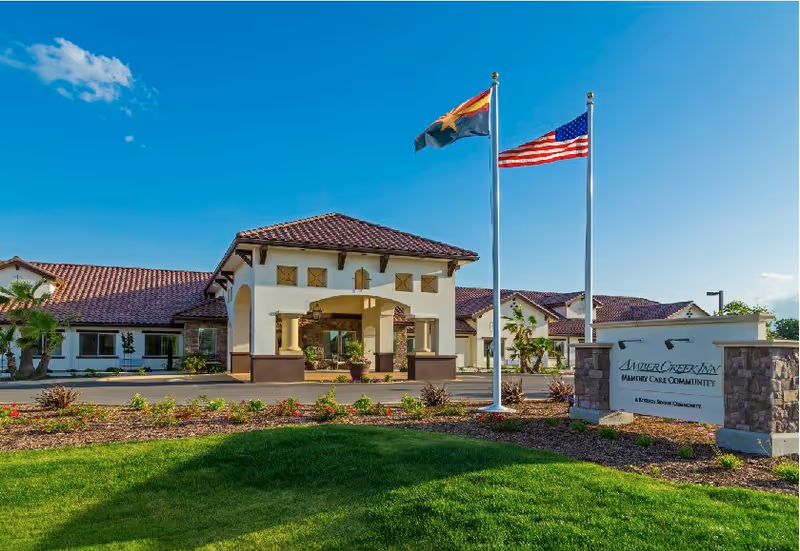
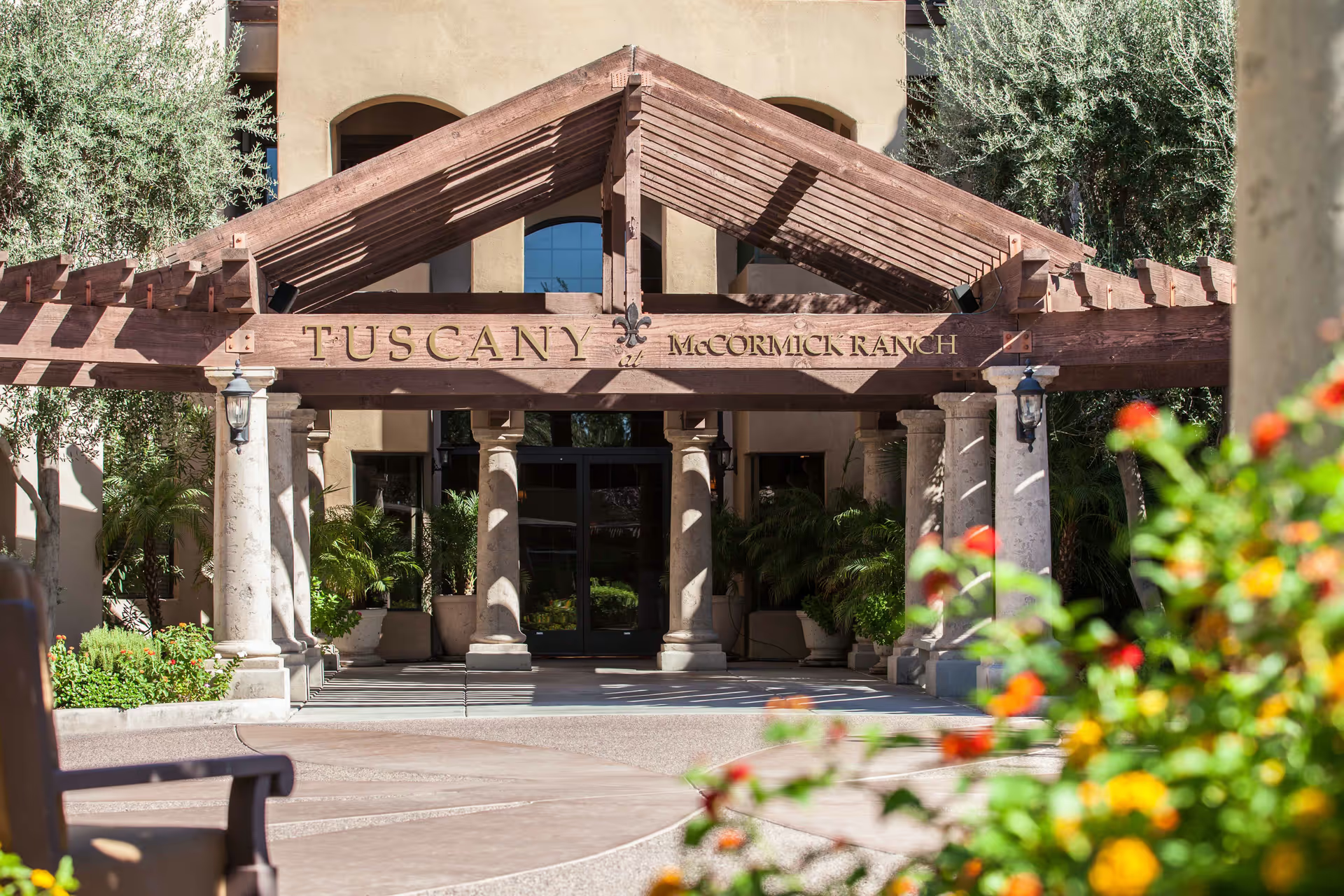
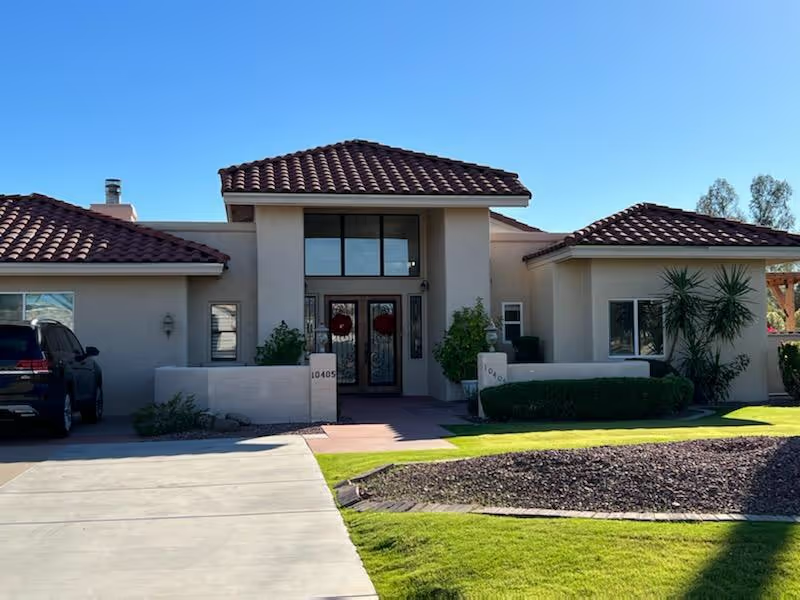
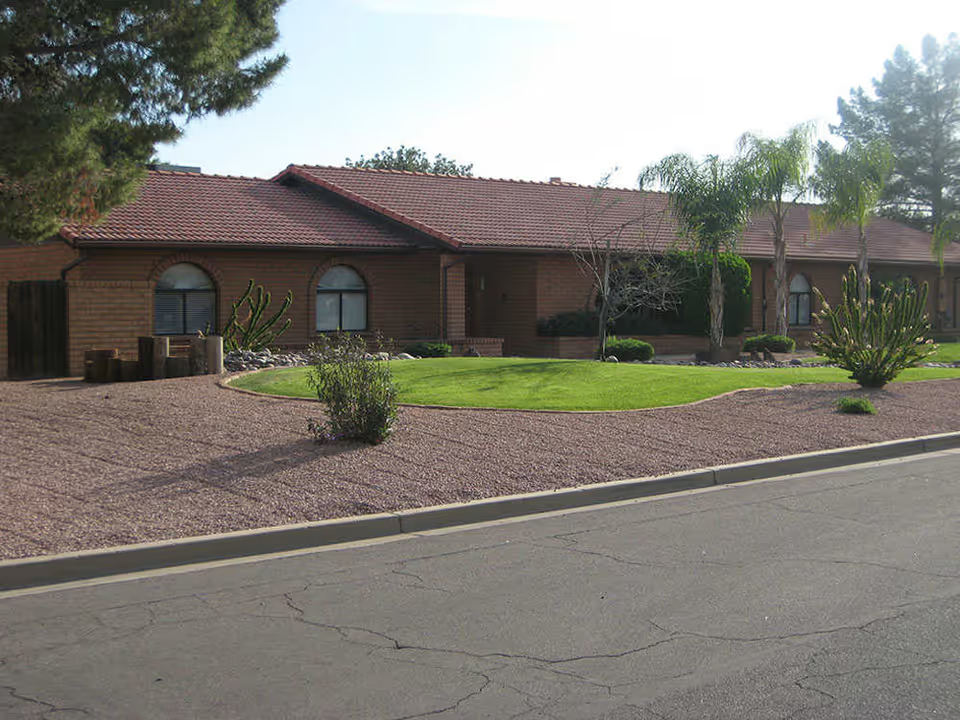
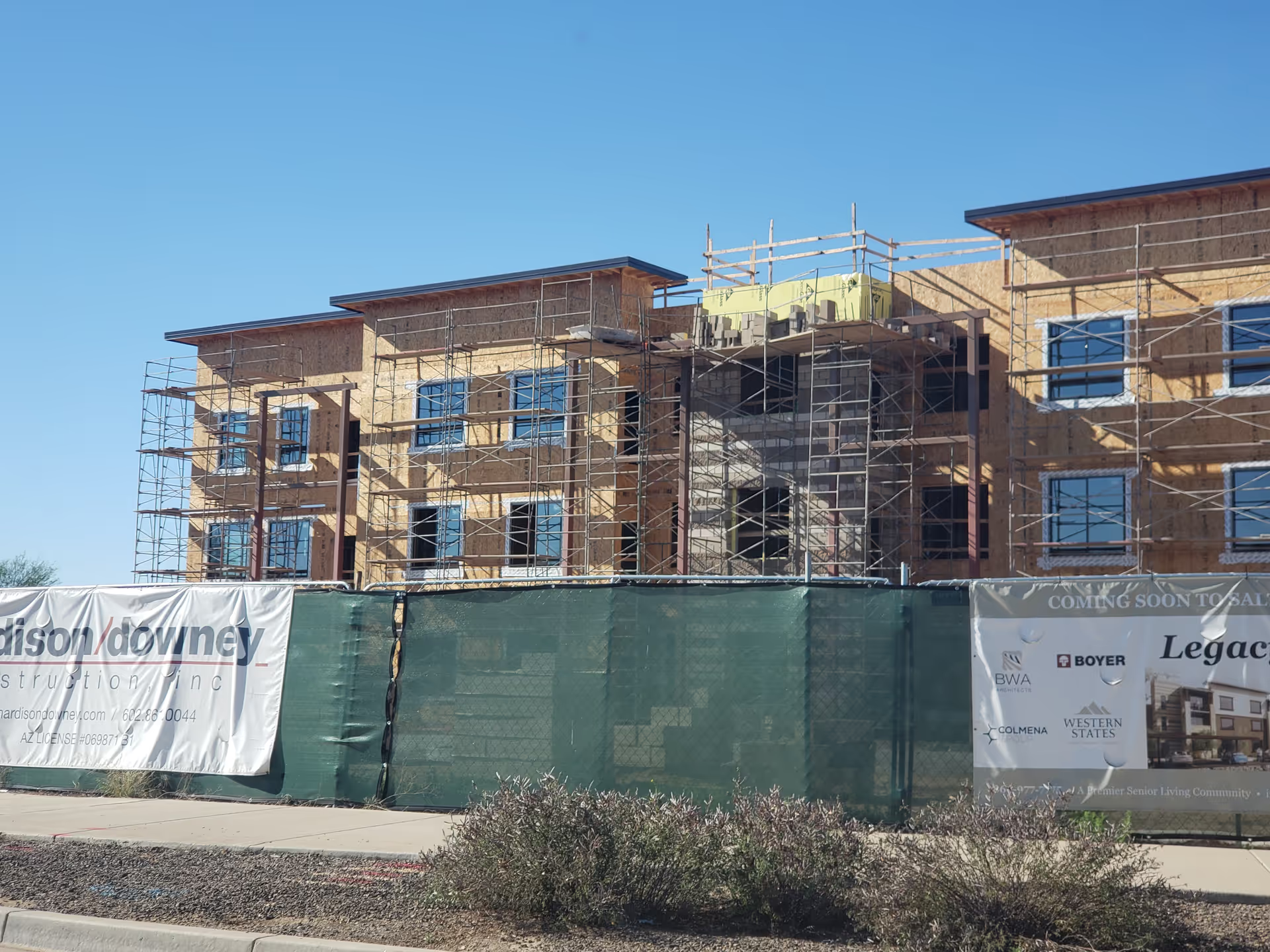
Reviewers present a mixed but consistent pattern of strengths and operational risks. Many families and residents praise the caregiving staff as compassionate, attentive, and engaged; activity programming (including pet therapy and outings), a variety of amenities, and comfortable resident rooms are repeatedly cited as positive features. Public areas, dining rooms, and on-site amenities such as exercise and game rooms are often described as clean and well maintained, and the facility’s proximity to a hospital and local shops is viewed as convenient.
Care quality and staffing are the most polarized topics. While numerous accounts describe individualized, caring interactions and effective move-in support, other accounts document lapses in clinical oversight: inconsistent medication administration, missed elements of care plans, and safety incidents that in some cases led to emergency care or rehousing. Nighttime coverage and nursing availability are recurring concerns, and reviewers describe a reliance on temporary staff that can affect continuity. These patterns suggest variable day-to-day clinical reliability depending on staffing levels and personnel experience.
Dining and housekeeping evoke both praise and concern. Many reviewers applaud the dining rooms, flexible meal hours, and attentive wait staff; others cite declines in meal quality following chef or staffing changes, and inconsistent execution of housekeeping and laundry schedules. There are also sanitation concerns and occasional reports of missing supplies or resident items, which families should consider when assessing daily living support.
Facility scale and layout are notable considerations for prospective memory-care residents. The community is described as relatively large and hotel-like; some reviewers value the space and amenities, while others note that long internal distances and upper-floor memory units with limited outdoor access can be challenging for residents with significant mobility or memory impairments.
Management, billing, and communication are additional mixed areas. Multiple reviewers mention recent ownership changes and describe management instability; some families report improved oversight under new leadership, while others describe a profit-driven operational emphasis, unexpected charges, price increases, and unclear contract terms. Communication with families about incidents and follow-up is uneven—some families receive thorough updates, while others experienced delays or friction when seeking information.
Overall, the facility offers substantial strengths in staff engagement, activities, amenities, and location, which many residents and families find valuable. At the same time, material concerns about staffing consistency, clinical oversight, housekeeping/sanitation practices, dining stability, and administrative transparency appear frequently enough to warrant careful inquiry. Prospective residents and families should tour during peak activity and meal times, ask specific questions about overnight staffing ratios, medication-administration protocols, housekeeping schedules, memory-care layout and outdoor access, and request clear explanations of contract terms and billing practices before making a placement decision.